Canada’s Video Game Industry: Powering the Future of Play
1 Mar 202441 pages~39 min full read
Canada’s video‑game industry is portrayed as a mature, high‑value sector that now consists of 821 firms employing roughly 34,000 full‑time workers and delivering a $5.1 billion economic impact. While the overall number of companies has contracted by 9 % since 2021, the decline is confined to micro‑studios of two to four staff; larger studios with 51 or more employees have remained stable or expanded, underscoring a concentration of activity in more sizable operations.
In the 2023‑24 fiscal year the sector generated a $356 million operating surplus, representing a 7 % margin, and direct labour income rose 21 % to $3.5 billion, with indirect and induced effects adding another $600 million. Flexible work arrangements dominate, especially in firms with 100+ employees, where 83 % of staff follow hybrid schedules. Larger studios report longer time‑to‑market—about five months more—while smaller studios move faster, and nearly half of all companies are employing generative AI primarily for ideation. Funding access hampers small firms, talent shortages constrain the very largest, and market discoverability is a universal obstacle.
A refined economic‑impact model introduces finer size categories and a custom induced‑impact multiplier based on Canada’s marginal propensity to consume and import. Applying this methodology retroactively to 2021 data raises total full‑time‑equivalent employment to 35,250 (a 9 % increase) and labour‑income to C$3.88 billion (up 6 %), while total GDP contribution adjusts downward to C$5.5 billion, reflecting more precise accounting of indirect and induced effects. The analysis covers the national landscape, focusing on the period from 2021 through 2024 and encompassing firms of all sizes within the video‑game development and publishing ecosystem.
ESAC – Entertainment Software Association of Canada · 2025
ESAC – Entertainment Software Association of Canada · 2024
ESAC – Entertainment Software Association of Canada · 2024

ESAC – Entertainment Software Association of Canada · 2024
ESAC – Entertainment Software Association of Canada · 2023
ESAC – Entertainment Software Association of Canada · 2022
ESAC – Entertainment Software Association of Canada · 2022
ESAC – Entertainment Software Association of Canada · 2022
ESAC – Entertainment Software Association of Canada · 2020

ESAC – Entertainment Software Association of Canada · 2019

ESAC – Entertainment Software Association of Canada · 2019
ESAC – Entertainment Software Association of Canada · 2014
8Bit · 2026
ESAC – Entertainment Software Association of Canada · 2013
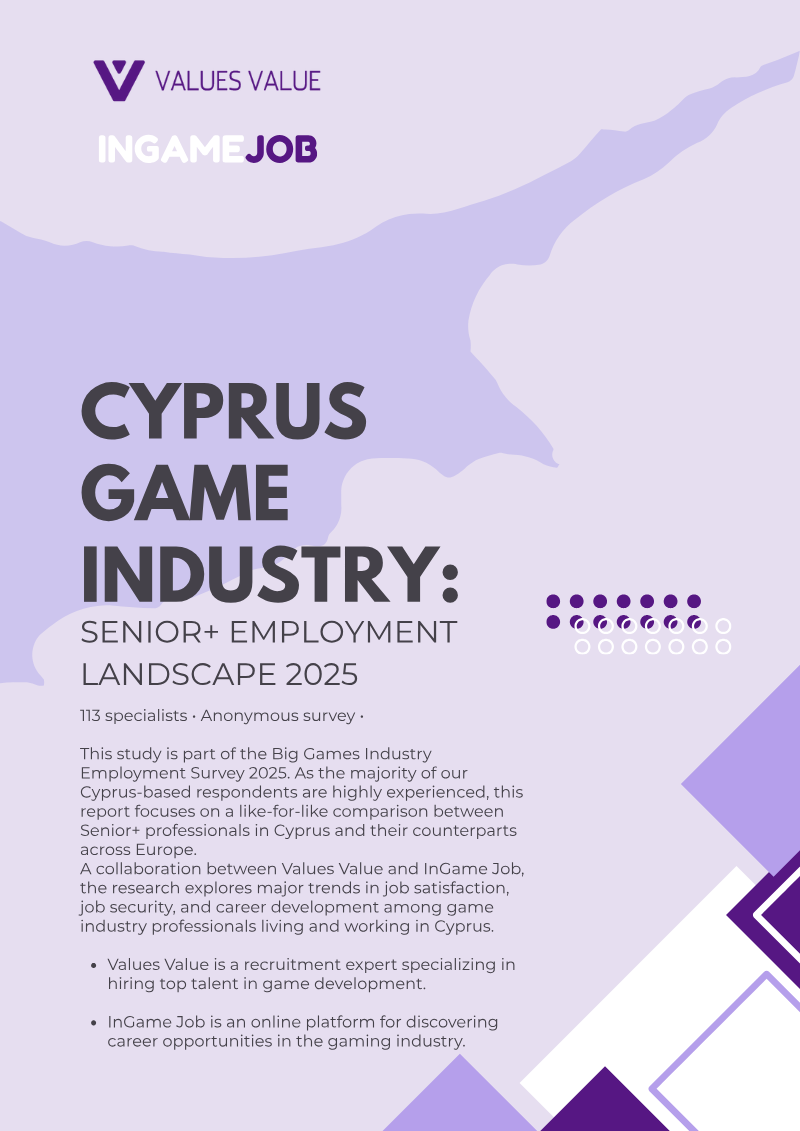
Values Value · 2026
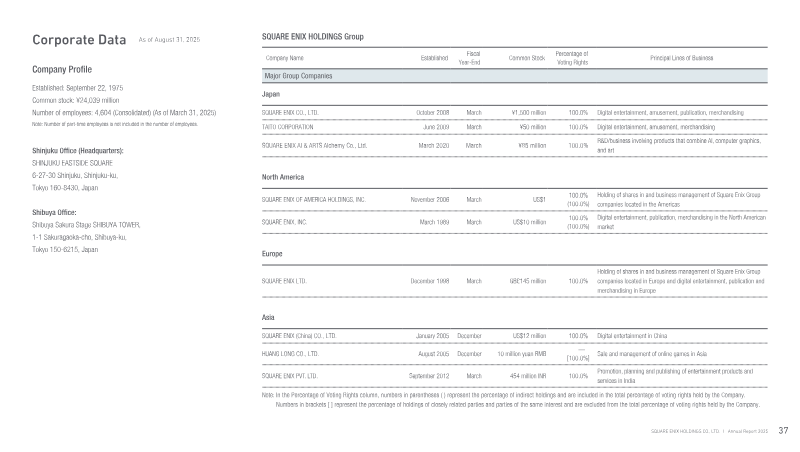
Square Enix · 2025
Game Developers Conference · 2025
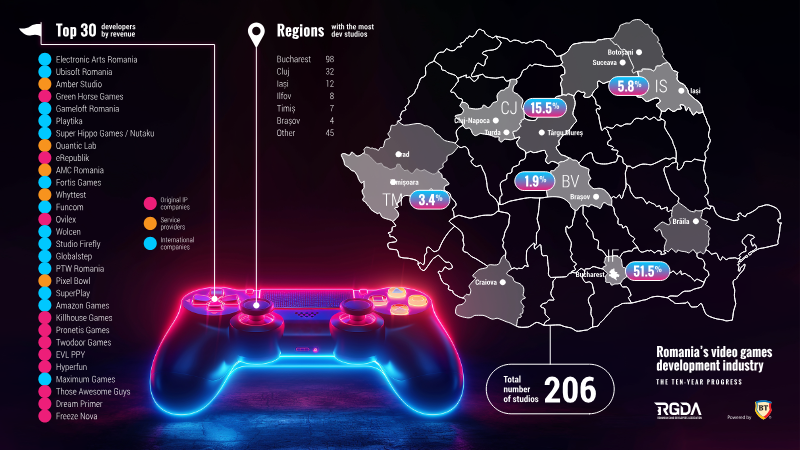
RGDA – Romanian Game Developers Association · 2025

InGameJob · 2025

InGameJob & Values Value · 2025
PCF Group · 2024
International Game Developers' Association · 2024
Dutch Games Association · 2024

80 Level · 2024