Developer Satisfaction Survey 2023 - Summary Report
14 Mar 202452 pages~56 min full read
The 2023 global game development landscape is defined by a period of intense economic contraction and employment volatility, marked by the highest rates of layoffs and terminations recorded since 2014. While the workforce remains predominantly composed of highly educated men in their thirties, there is significant representation from neurodivergent and LGBTQ+ communities. Despite a broad consensus on the importance of workplace diversity, a profound disconnect exists between corporate policy and reality. Two-thirds of developers report that equal opportunity does not exist within the industry, and fewer than half believe that existing equity policies are adequately enforced.
Labor conditions remain a primary concern as "crunch" culture persists, with nearly one-third of developers working over 60 hours per week during peak production cycles. This instability has fueled a growing interest in unionization, particularly through national sectoral unions, as workers seek to address a lack of transparency in crediting and disciplinary procedures. Financial disparities are also widening between full-time employees and precarious workers. While a majority of full-time staff earn over $50,000 annually with access to healthcare and retirement benefits, 66% of freelancers earn below that threshold and lack basic protections such as paid sick leave or vacation time.
The industry’s overall benefit structure is in decline, with health coverage gaps more than doubling over the past year. Self-employed developers and small studio owners face particularly acute financial instability; many frequently forgo their own salaries to cover business overhead, and nearly one-third earn less than $15,000 USD annually. Ultimately, the sector is characterized by a tension between high levels of creative autonomy and a precarious economic environment where frequent layoffs, inadequate enforcement of equity initiatives, and a lack of protections for non-traditional workers undermine long-term sustainability.
International Game Developers’ Association · 2023
International Game Developers' Association · 2019
International Game Developers’ Association · 2010
International Game Developers’ Association
Interactive Audio Special Interest Group
International Game Developers’ Association
International Game Developers’ Association
Square Enix · 2025
80 Level · 2024

Skillsearch · 2023
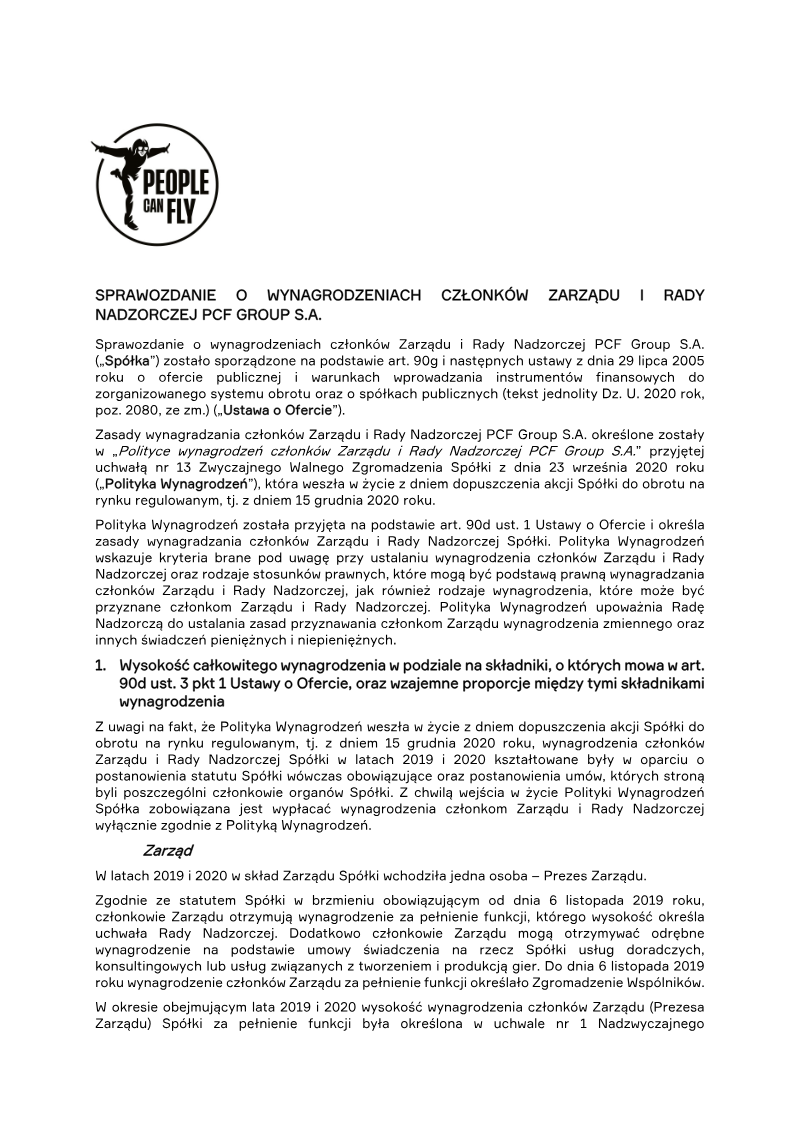
PCF Group · 2021
8Bit · 2026
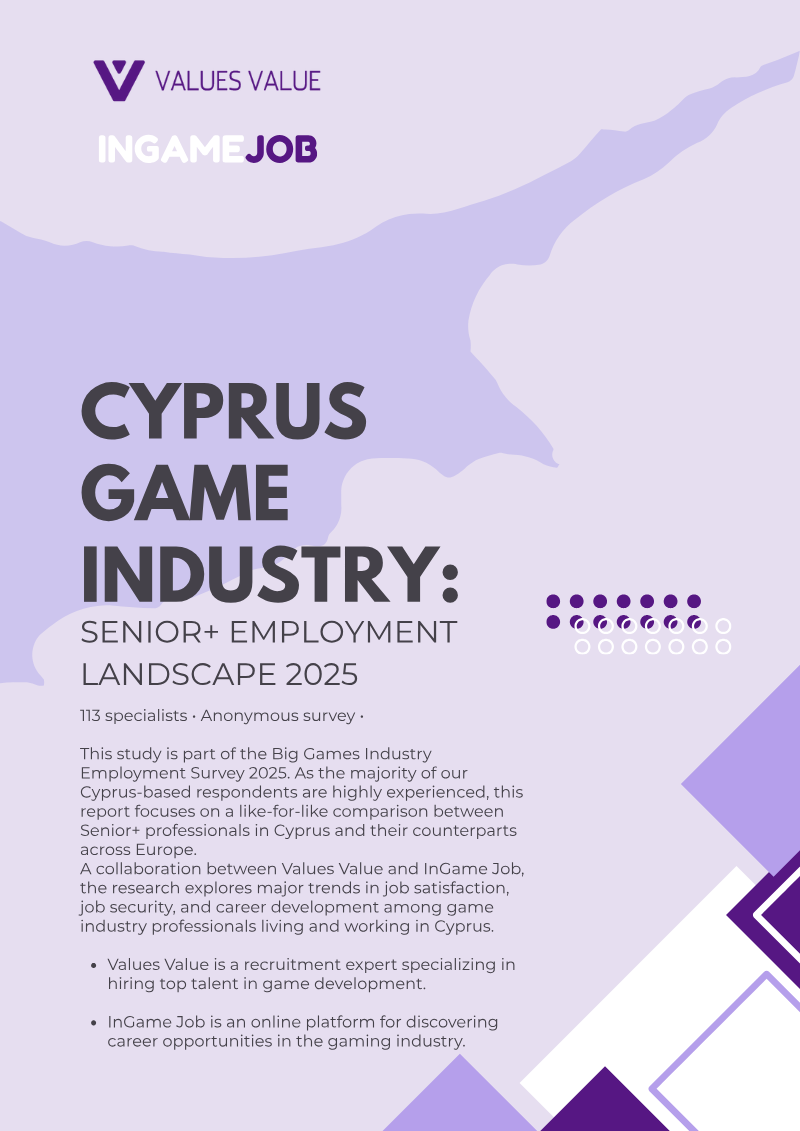
Values Value · 2026
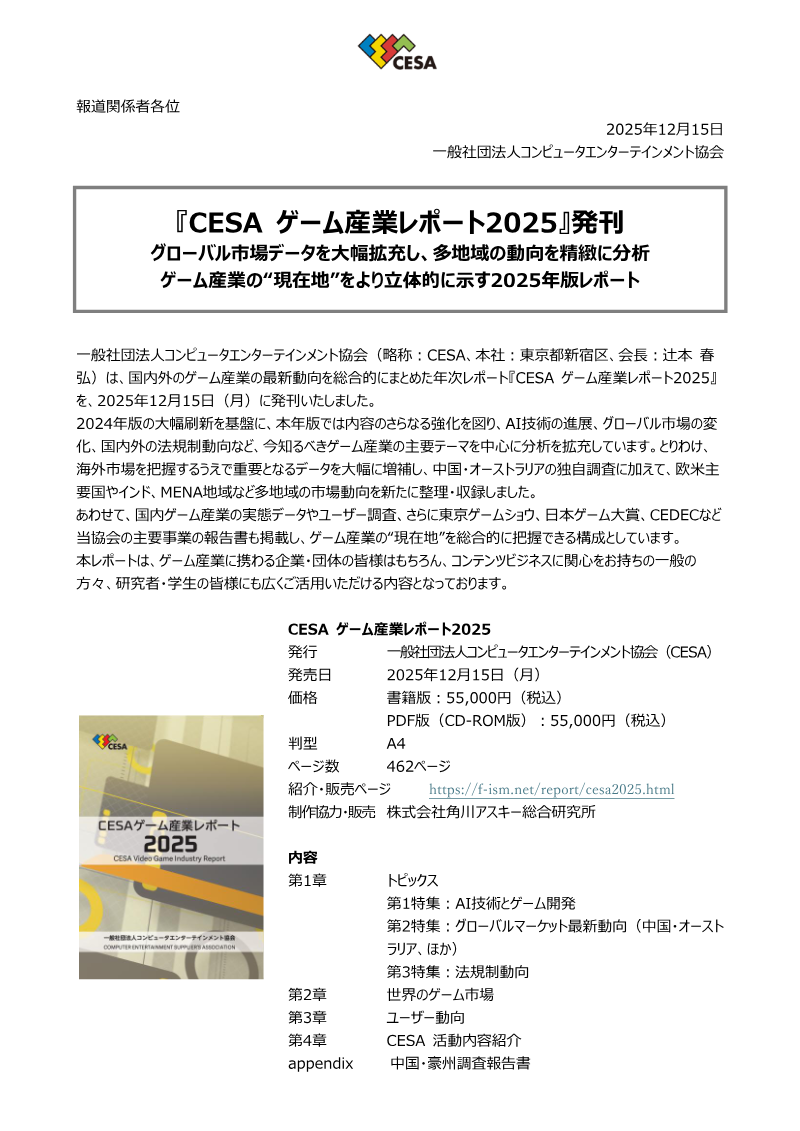
CESA – Computer Entertainment Supplier's Association · 2025
Game Developers Conference · 2025
InGameJob & Values Value · 2025
GDC · 2025
Konvoy · 2025
InGameJob · 2025