China reports and market data
Documents
Introduction to OPPO Game Center
OPPO Game Center serves as a distribution and monetization platform for mobile game developers, leveraging the global reach of OPPO’s smartphone hardware.
- OPPO is a top-five global smartphone manufacturer with over 300 million daily active users on its ColorOS platform.
- The OPPO Game Center functions as a major distribution channel, boasting over 100 million monthly active users in mainland China and significant growth in Southeast Asian markets like Indonesia.
- Developers can receive free featuring opportunities within the Game Center to drive discovery, with current performance in Indonesia yielding between 16,000 and 30,000 downloads per game daily.
TikTok and ByteDance games
ByteDance, the parent company of TikTok, is actively expanding its footprint in the global gaming industry by leveraging its massive user base and sophisticated artificial intelligence capabilities.
- ByteDance leverages behavioral data from its news, short-form video, and live-streaming platforms to provide developers with granular insights into user preferences and emerging market trends.
- The company acts as a strategic partner for global game developers, offering services that span co-marketing, user acquisition, and operational support for scaling titles.
- ByteDance is actively diversifying its gaming portfolio beyond the hyper-casual segment—previously exemplified by the Chinese launch of Virus War—to pursue partnerships across all gaming genres.
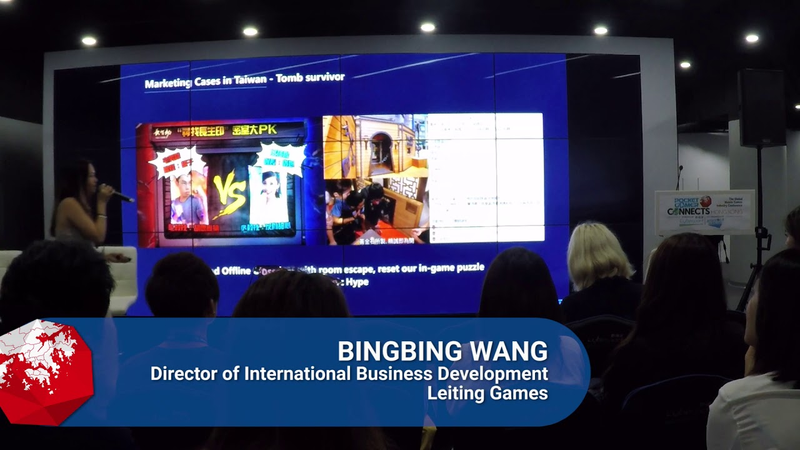
How Leiting Supports the Developers Interested in the Chinese Market
Leiting, a publisher founded in 2004 with a focus on the Chinese market, specializes in the global distribution of survival-themed mobile games.
- Leiting specializes in scaling single-player survival mobile games by implementing phased monetization strategies that transition from low-friction systems during beta to more robust models as the player base matures.
- The publisher achieved significant market penetration with 'Dungeon Survivor' exceeding 1.2 million users and 'Fairy Survivor' surpassing 2 million downloads shortly after release.
- Leiting maintains high user engagement with retention rates reaching 50 percent by utilizing continuous content updates and data-driven gameplay loop refinements.

31Billion $ by 2020, Growing Your Games in China
The Chinese mobile gaming market represents a significant growth opportunity for international developers, characterized by its massive scale and unique operational requirements.
- China represents the world's largest mobile gaming market, accounting for 25% of global game spending in 2018.
- Mobile gaming's share of the Chinese market has grown from 12% in 2012 and is projected to reach 75% by 2020.
- Successful entry into the Chinese market requires replacing Western login and payment systems (such as Facebook, Google, and PayPal) with local alternatives like WeChat, QQ, Weibo, Alipay, and UnionPay.
Deconstruction of Chinese Mobile Game Monetization
The monetization strategy of the Chinese mobile game market is exemplified by the performance of Contra Returns, which has generated an average of $40 million monthly in China since its 2017 launch.
- Contra Returns has maintained an average monthly revenue of $40 million in the Chinese market since its launch in 2017.
- Top-tier Chinese mobile games prioritize meta-game depth, aggressive social integration, and multi-layered monetization frameworks over traditional Western focuses like graphics and gameplay fluidity.
- The monetization model utilizes a tiered resource system where paying users receive resource yields at a three-to-one ratio compared to non-paying players.

Market Study: China, Japan and South Korea
The Asia-Pacific region stands as the preeminent global gaming hub, with China, Japan, and South Korea serving as the primary engines for industry growth.
- China, Japan, and South Korea represent the primary engines of the Asia-Pacific gaming market, requiring tailored, long-term strategies rather than standardized global approaches.
- Market entry in China necessitates navigating a mandatory ISBN licensing system and strict content censorship, often requiring collaboration with local publishers to ensure compliance.
- Japan’s mobile market is highly saturated but features the world’s highest per-player spending, specifically within RPG and gacha-based genres.
Trump Tarriffs on XBOX, PLAYSTATION, and NINTENDO | Games ReCAP Episode 012
The imposition of tariffs on gaming consoles manufactured in China represents a critical intersection of geopolitical strategy and industrial policy.
- Proposed tariffs on Chinese-manufactured gaming consoles are expected to increase costs for consumers, as companies will likely pass manufacturing expenses directly to the end user.
- The gaming industry is accelerating a strategic shift away from hardware-dependent business models toward cloud gaming, subscription services, and software-focused ecosystems to mitigate tariff impacts.
- Tariffs are failing to reshore manufacturing to the United States, instead incentivizing corporations to relocate production to other low-cost regions while China maintains structural dominance in the global supply chain.

Understanding Game Dev in China with Sam Wey | GduX.me
The Chinese gaming industry operates as a high-velocity, mobile-first ecosystem defined by intense competition, rapid consolidation, and a unique reliance on personal networks rather than traditional legal frameworks.
- Success in the Chinese market necessitates a local partner to navigate complex bureaucratic hurdles, government censorship, and the technical constraints of the Great Firewall.
- The industry is dominated by Tencent and NetEase, which prioritize high-velocity, profit-driven cloning over original intellectual property.
- Regulatory volatility, including unpredictable licensing processes and platform restrictions, remains the primary obstacle for developers operating in China.
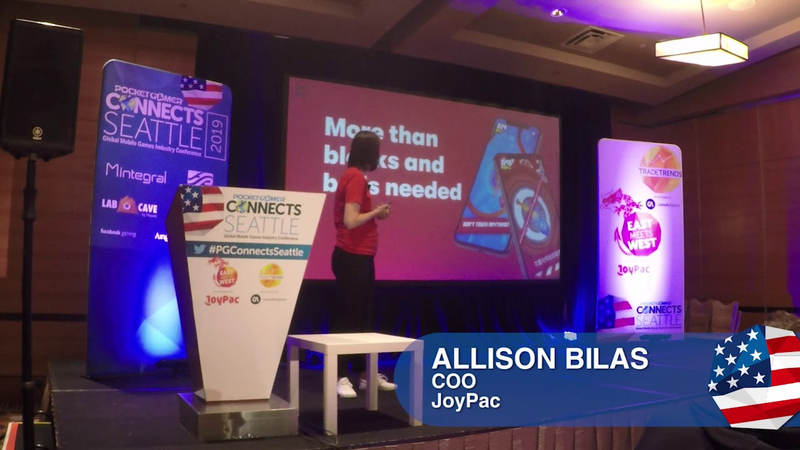
JoyPac's lessons from launching 10-plus hyper-casual games in China
The hyper-casual gaming sector is experiencing a significant expansion into the Chinese market, driven by a maturing advertising ecosystem and a massive, mobile-first user base.
- China represents a massive market opportunity with 800 million mobile users, including 242 million iOS devices, which matches the total device count in the United States.
- Hyper-casual gaming is a growing trend in China, though it is evolving more slowly than in the West, with four of the top ten downloaded games being hyper-casual compared to ten out of ten in Western markets.
- Chinese players exhibit longer average session lengths for hyper-casual games—three to five minutes—compared to the one to three minutes typical in Western markets, necessitating adjustments to gameplay design and ad monetization.
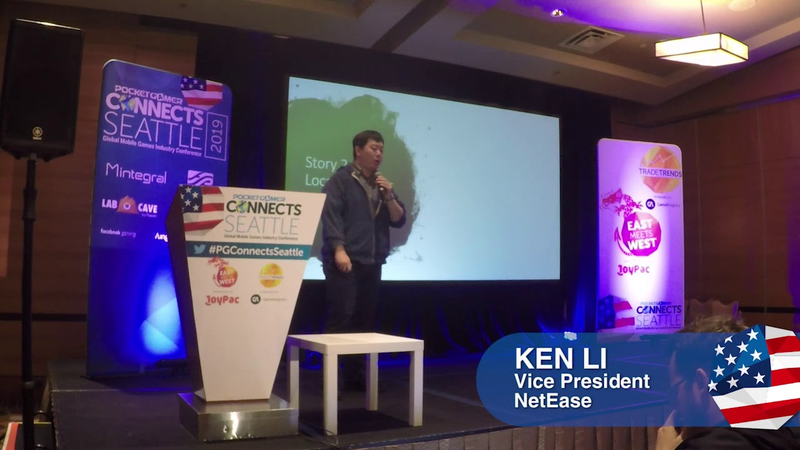
The games industry scenario in China and the value a local publisher can provide
The Chinese gaming market presents a complex landscape characterized by significant scale and high competition, requiring a nuanced approach for foreign developers.
- The Chinese market is the world's largest for mobile gaming revenue, serving over 600 million consumers, yet it is highly saturated with thousands of new titles launching annually.
- Local developers dominate the market, consistently producing seven to eight of the top ten highest-grossing mobile games in the country.
- Relying on unofficial distribution channels like the iOS App Store or Steam carries significant regulatory risk, as evidenced by government-mandated mass removals of apps.
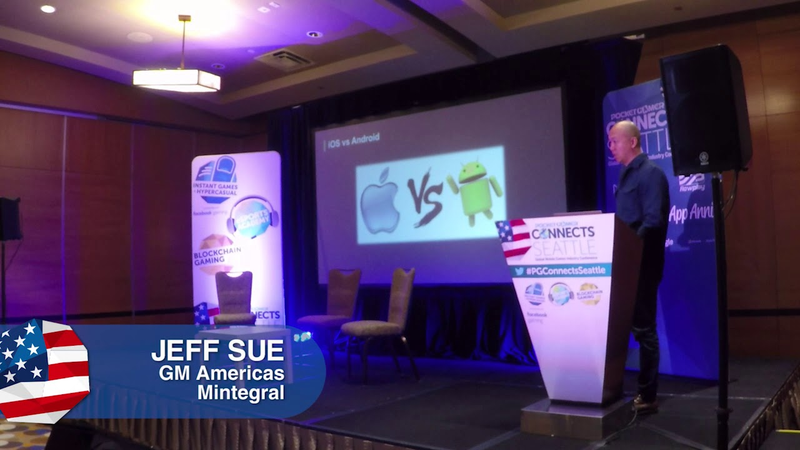
Tips on making your hyper-casual game a success in China
The Chinese mobile gaming market presents a significant opportunity for hyper-casual developers, characterized by a mobile-first user base and a high propensity for ad-based engagement.
- China’s mobile gaming market is massive, with 782 million smartphone users and a projected size double that of the United States by 2022.
- The Chinese ecosystem is dominated by super-apps like WeChat, which allow developers to reach users directly through integrated mini-programs.
- While iOS allows for self-publishing, the fragmented Android market requires partnerships with local publishers to manage distribution and complex licensing requirements.
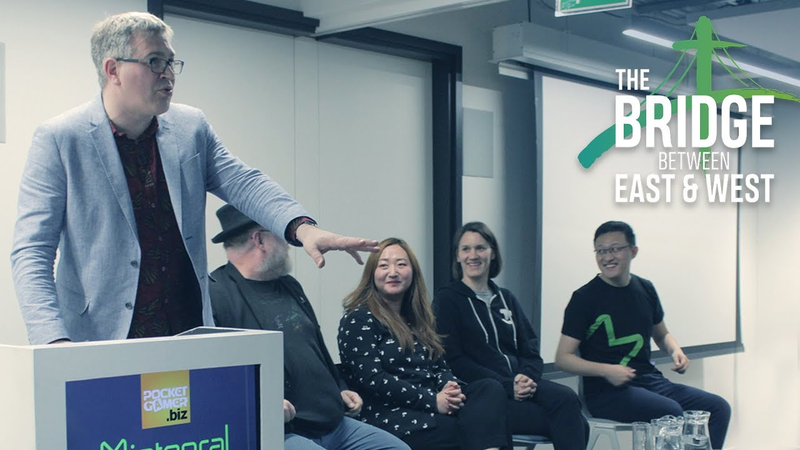
Opportunities in China's hyper-casual market
The Chinese hyper-casual mobile gaming market represents a significant growth opportunity for Western developers, provided they can navigate a complex, fragmented ecosystem.
- Entering the Chinese market requires deep localization of creative assets, including the integration of Chinese music, cultural themes, and localized video content to resonate with local player expectations.
- The Chinese Android market is highly fragmented, requiring developers to navigate numerous third-party app stores rather than relying on a single global storefront like the Google Play Store.
- Hyper-casual games in China are increasingly adopting engagement mechanics and depth similar to mid-core titles, moving beyond simple loops to include features like asynchronous multiplayer and tournament systems.