AI reports and market data
Documents

Google Play vs. App Store Blockchain Policies / New Game Development Models
The gaming industry is currently undergoing a dual transformation driven by the rapid adoption of generative artificial intelligence and the complex integration of blockchain technology.
- Generative AI and tools like the Unreal Editor for Fortnite are significantly accelerating development cycles, which lowers entry barriers but intensifies competition and makes user acquisition more difficult.
- Market power is increasingly consolidating around established brands and creators who can leverage existing, loyal audiences to overcome the rising volume of content.
- Google Play and the Apple App Store have begun permitting NFT sales and blockchain features, but they maintain strict, restrictive oversight on in-app payments, token-gated content, and loot box mechanics.
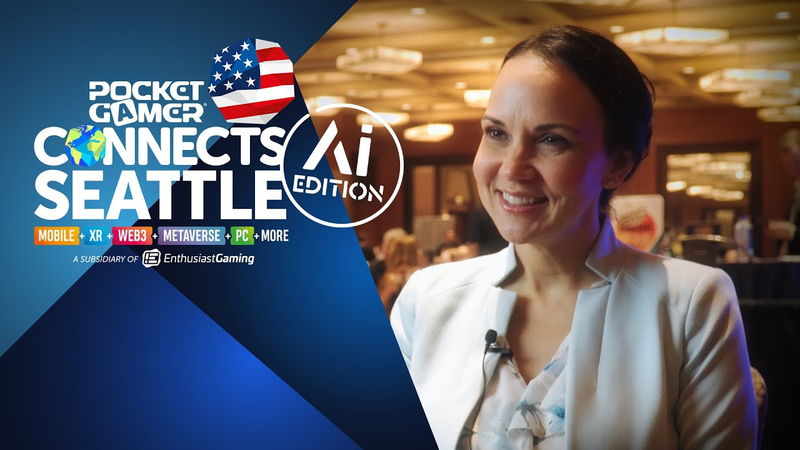
Using AI to get more from your base | Tara Bryant from Optimove
Customer-led marketing platforms leverage artificial intelligence to optimize player retention and maximize the lifetime value of existing user bases.
- AI-driven retention strategies are now a critical priority to offset the high costs of user acquisition and reduced consumer spending in the current economic climate.
- Centralized customer data platforms enable personalized, multi-channel engagement by targeting players through their preferred communication methods like push notifications, email, and SMS.
- Machine learning models remain effective despite privacy regulations because they leverage a decade of accumulated historical data to maintain predictive accuracy.
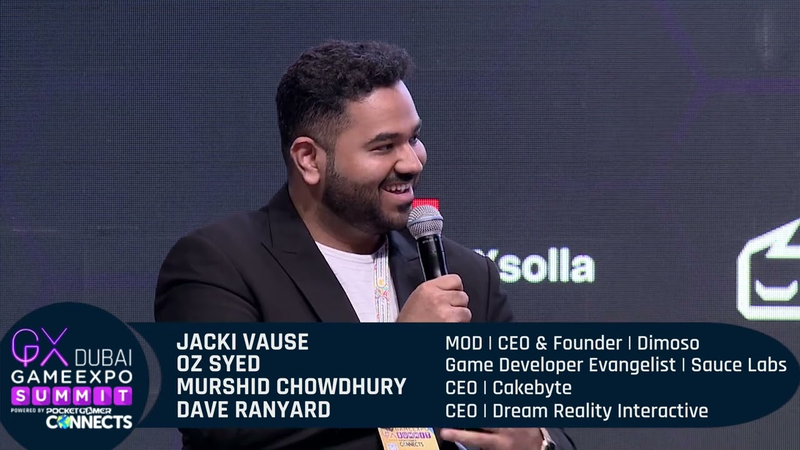
Panel: Powering the Future of Gaming: Exploring the Impact & Potential of AI in Game Development
The integration of artificial intelligence into game development marks a fundamental shift from traditional, state-based logic systems toward generative, probabilistic models.
- Game development is shifting from traditional state-based logic to generative, probabilistic models that accelerate production across ideation, coding, and asset creation.
- Studios must adopt closed-loop workflows and human-in-the-loop verification to maintain quality control and consistency when using generative AI tools.
- Developers are currently responsible for establishing internal accountability frameworks to address the lack of government regulation regarding data privacy and copyright liability.
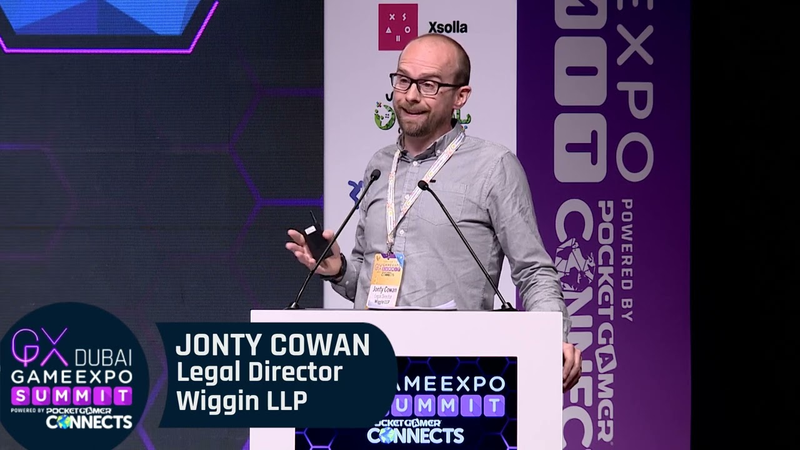
Generative AI: Maximising Deployment Whilst Minimising Legal Risks - Jonty Cowan, Wiggin LLP
The integration of generative AI into the video game industry presents significant opportunities for development, yet it introduces complex legal risks that require proactive management.
- Studios face severe legal consequences for AI misuse, including costly litigation, injunctions, forced product destruction, and the potential termination of publishing agreements.
- AI tool providers often include terms of service that grant the provider broad rights to user-generated outputs, which can compromise a studio's exclusive ownership of its own assets.
- Inputting proprietary source code or confidential data into AI models creates significant risks regarding the loss of trade secrets and potential data breaches.
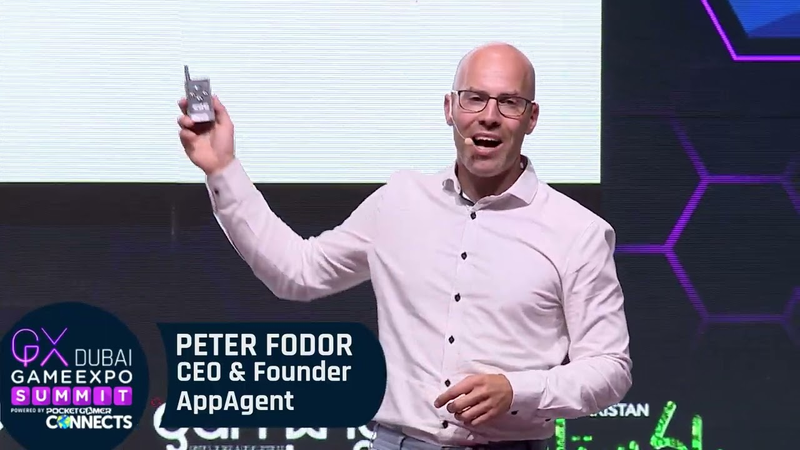
Practical Use Cases of AI in Marketing Communication - Peter Fodor, CEO & Founder, AppAgent
The integration of artificial intelligence into marketing communication serves as a powerful catalyst for operational efficiency and creative output within the mobile gaming industry.
- AI integration in mobile marketing enables teams to reduce production timelines from days to hours by automating the creation of high-volume creative assets.
- Midjourney and DALL-E are used to generate initial design concepts, icons, and backgrounds, which are then refined by human designers to ensure brand and technical standards.
- Stable Diffusion is applied to sharpen low-resolution gameplay footage and adjust character portrait realism, allowing for high-quality visuals even when source assets are limited.
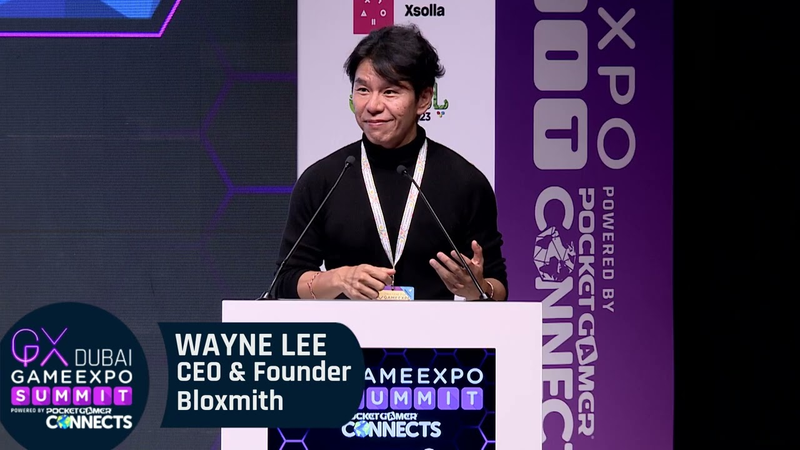
A New Way to Think About AI in Games - Wayne Lee, CEO & Founder, Bloxmith
The integration of artificial intelligence into game development represents a transformative shift, impacting nearly every facet of the production lifecycle.
- AI is fundamentally reshaping the game production lifecycle by automating 3D modeling, animation, UI/UX design, and functional code prototyping, which significantly lowers the barrier to entry for independent creators.
- NPC interactions are evolving from static, scripted dialogue to dynamic, personality-driven conversations that respond to player input in real-time to increase immersion.
- Current AI models lack true innovation and high-level decision-making capabilities, as they primarily rely on permutations of existing data rather than generating original gameplay concepts.
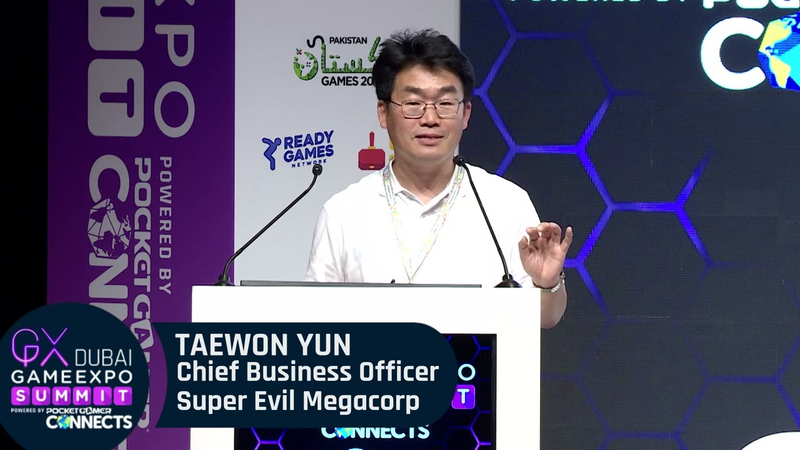
Building a Living, Breathing MMO With Gen AI & Web3 - Taewon Yun, Super Evil Megacorp
The integration of generative AI and Web3 technologies offers a transformative approach to solving long-standing design and monetization challenges in massively multiplayer online (MMO) games.
- Generative AI enables the creation of dynamic, evolving NPC behaviors and infinite, personalized content to solve the industry-wide problem of rapid player content consumption.
- Web3 technology provides the necessary infrastructure to manage complex, persistent in-game economies and monetization models that were previously difficult to scale.
- Developers should adopt an agnostic approach to Large Language Models (LLMs) to prevent vendor lock-in and mitigate risks associated with the rapid evolution of AI technology.
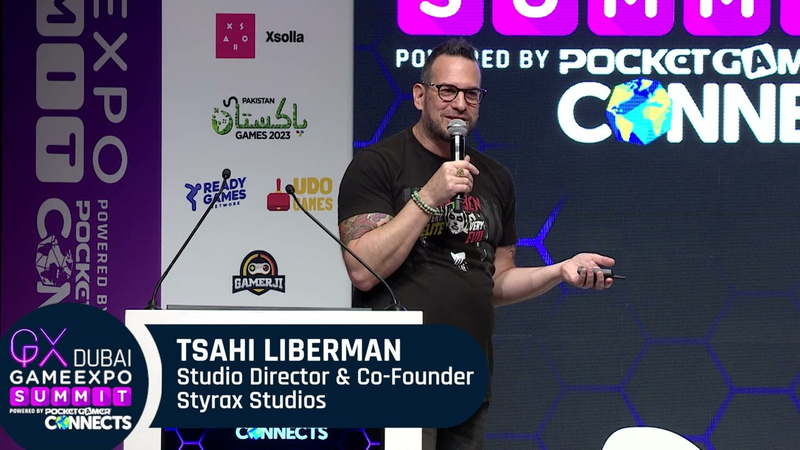
The Intersection of Metaverse, AI & Mental Health - Tsahi Liberman, Styrax Studios Inc
The intersection of artificial intelligence, the metaverse, and mental health represents a critical frontier for game design, as developers increasingly grapple with the industry's role in addressing rising global trends of loneliness, social isolation, and stress.
- Social isolation is a critical public health issue, with risks comparable to smoking 15 cigarettes daily, necessitating the integration of psychological support structures into digital game ecosystems.
- Developers should leverage AI to evolve NPCs from static, transactional entities into empathetic agents capable of providing genuine social support.
- Game designers can mitigate toxicity and improve community health by implementing reward systems that incentivize prosocial behavior, such as the honor-based skin initiatives utilized by Riot Games.

Microsoft Unblocked / FF16 Sales / Classic Game Archive Issues
The gaming industry is currently navigating a period of significant structural transition, marked by the consolidation of major publishers and the ongoing evolution of digital distribution models.
- The judicial clearance of Microsoft’s acquisition of Activision Blizzard is expected to trigger a new wave of large-scale industry consolidation.
- 87% of classic games released before 2010 are currently commercially unavailable, driven by poor internal asset management and the technical barriers of live-service infrastructure.
- Subscription services like Xbox Game Pass risk capping financial upside and altering game design incentives, likely pushing the industry toward a hybrid model of subscription and traditional retail.

Niantic Layoffs / Square Enix’s Future / FTC Lawsuit Revelations
The global gaming industry is currently navigating a period of intense structural realignment, characterized by aggressive consolidation, technological pivots, and significant regulatory scrutiny.
- The FTC’s challenge to Microsoft’s acquisition of Activision Blizzard threatens the long-term viability of the Game Pass strategy, which depends on consistent IP acquisition to compete with Sony and Nintendo.
- Niantic has implemented a 25% workforce reduction and closed its Los Angeles office, signaling a cooling of market expectations for mainstream consumer augmented reality adoption.
- Square Enix is facing declining profitability and long production cycles, leading to pressure to refocus on core franchises like Final Fantasy and divest from speculative blockchain investments.

Sony’s Showcase / Capcom’s Resurgence / NVIDIA’s AI Demo
The modern gaming industry is undergoing a fundamental transition as major publishers pivot from traditional, high-cost annual sequel cycles toward long-term, live-service ecosystems and transmedia expansions.
- The gaming industry is shifting from discrete, high-cost annual sequels toward 'always-on' live-service ecosystems to secure recurring revenue and sustained player engagement.
- Capcom has achieved a tenfold increase in stock value over the last decade by modernizing legacy franchises through proprietary technology and in-house development.
- Studios specializing in single-player experiences, such as Naughty Dog, face high operational risks and frequent project cancellations when attempting to pivot toward multiplayer-focused development.

Steel Media’s Dave Bradley On Hot Topics, Hot Takes, And Surprising Statistics At PGC Seattle
Pocket Gamer Connects Seattle serves as a critical barometer for the current state of the global games industry, highlighting a strategic pivot toward quality-focused development and professional resilience.
- The mobile gaming sector is experiencing a significant contraction in new iOS game releases, driven by the erosion of IDFA-based user acquisition strategies.
- Developers are shifting away from high-frequency, low-retention business models toward sustainable, high-quality gaming experiences.
- Blockchain integration in gaming is transitioning from speculative hype toward a model of cautious utility that prioritizes core gameplay mechanics over secondary features.