1 free read left. Create a free account for unlimited reading + AI research.
Create free account
Sony’s Showcase / Capcom’s Resurgence / NVIDIA’s AI Demo
Key insights
6 takeaways- 01Capcom has achieved a tenfold increase in stock value over the last decade by modernizing legacy franchises through proprietary technology and in-house development.
- 02Studios specializing in single-player experiences, such as Naughty Dog, face high operational risks and frequent project cancellations when attempting to pivot toward multiplayer-focused development.
- 03The gaming industry is shifting from discrete, high-cost annual sequels toward 'always-on' live-service ecosystems to secure recurring revenue and sustained player engagement.
- 04Market consensus indicates that long-term profitability now relies on balancing experimental multiplayer branches with a stable core franchise, as seen in the iterative update models of free-to-play titles.
- 05Publishers are integrating NVIDIA’s AI-driven NPCs to enhance environmental immersion, though concerns persist regarding narrative control and the unpredictability of generative AI.
- 06Nintendo’s Zelda series serves as the industry benchmark for franchise longevity, demonstrating how to align innovative design shifts with unified hardware platforms.
Ask AI about this video
Transcript
foreign [Music] gaming podcast where it is our mission to explore the business and future of video games we bring together the industry's brightest Builders investors and thinkers to keep a full sun current events dissect emerging Trends and games share Lessons Learned and have a great time this podcast is also part of novik's growing ecosystem which ranges from free and premium research to Consulting and advisory services for more information visit www.navic.com now let's jump into the episode this episode is brought to you by Coda payments free to play game monetization can be a weary Endeavor for game developers especially for Publishers of multiple titles I'm here with Neil Davidson executive chairman of Coda payments Neil why should games teams look to code a payments to solve their payments needs last year the two major app stores collected more than 30
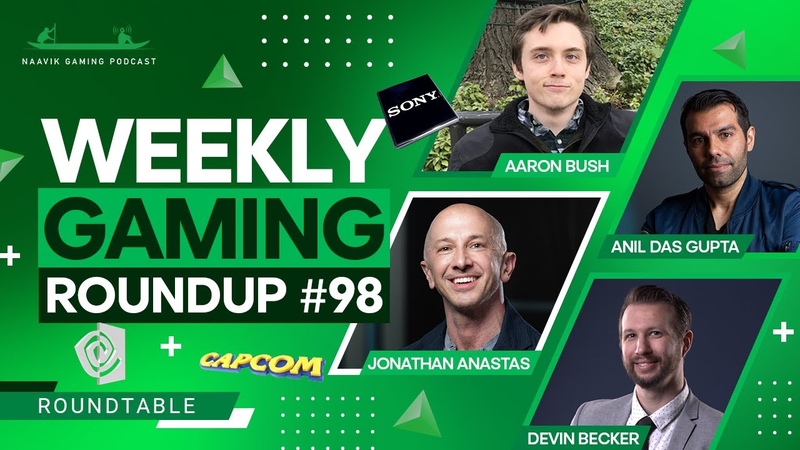
billion dollars in fees from mobile game developers Coda helps developers collect some of their revenues outside the app stores keeping more of the income they generate for themselves we offer a set of solutions that allow developers to collect payments on the web either on a website that they operate or on one that we do either way players can choose from a range of more than 300 payment methods in 64 territories we help some of the biggest mobile game developers in the world generate more net revenue and we'd love to help your listeners do the same awesome well thanks for sharing Neil and if you our listener want to see how Coda payments can help solve your monetization needs Head to codepayments.com or check out the details in the show notes and with that let's jump into the weekly Round Table hello everyone welcome to another novik Roundtable I'm your host Devin Becker and today I'm joined by great panelists as always especially the Lively Aaron Bush co-founder of novik and we've got Anil also very Lively uh
co-founder first light games and then Jonathan anastas CEO of clash TV how you guys doing today doing great excellent thank you that'll be great too everyone's having a good time awesome we got some great topics today a lot of stuff to actually talk about there's been a lot of kind of updates uh people putting out press things like that we've got Sony's showcase which was I think a pretty big deal Bungie actually resurrecting their Marathon franchise pretty interesting uh Capcom might get a bit of a Resurgence and Nvidia going pretty big especially on the stock market I would say but yeah why don't we get into the Sony showcase yeah so I can kick this one off um so last week Sony had their first major Showcase in a couple years and as you can imagine it was packed full with lots of different games and you can kind of piece together some of the the directions they're trying to to take things um uh most of what was showcased was
actually not Sony exclusives it was a lot of just other major games that are coming out from major Publishers like uh you know franchises like Assassin's Creed or Alan Wake 2 Etc just lots of different um games but you know Sony still beat Xbox to the punch on unveiling a lot of those so so good for them but you know some of the most anticipated um exclusives to that aren't even necessarily do but that were just showcased some more depth for games like Spider-Man 2 Final Fantasy 16 which is coming out shortly and then of course Street Fighter 6 which I'm sure we can get into more soon I know Anil is a major fan and also you can clearly see the the higher investments into live service games too and that was a major Trend um that I noted in the Showcase so it wasn't just the the traditional single player experience but much more live service as a percentage of what was being shown and we can dig into that
more soon um too but um you know also just a couple high level Trends or lots of new games for psvr um they're saying that it's had a higher up uh like selling rate than um the original PS VR which you know I'm kind of surprised kind of not because the bar was so low uh in terms of the attach rate for psvr and it was obviously more of a first gen the tech not like quite where you know many people would want it to be and so seeing them out so that with the psvr so far um sure great and if they're going to continue to support that with lots of games I think it's good for continuing to see what's possible and that medium and you know continue plugging away at r d until it really is prime time for whatever that you know gaming in VR is eventually going to be one day um and then beyond that you know we talked in the past about project Q I think they call it which is their handheld Cloud uh
you know gaming you know device which you know there are definitely mixed opinions on how interesting that is how important that will be to Sony or even what it says about the direction that they're trying to eventually go with handhelds they didn't say much new about it other than just saying yeah this is a thing like all the leaks are out so we'll confirm it and we'll tell you more about about it later um so you know in total gamer response to the to the event was mixed they showed a ton of of games but I guess maybe not enough of the the AAA like new IP or major IP single player games that people were looking for Part of Me wonders if even Sony's holding back a bit just because they could always show more later and they're in you know the whole Xbox Activision thing is in the the middle of its kind of awkward limbo stages of approval of maybe Sony doesn't want to show their full strength I don't know um that's that's just speculation
um but either way it's good to see them having a showcase here and at least there's a lot of games that I am interested in playing and I'm sure anyone with a PlayStation can find plenty that they are interested in out of what was shown so I'll pause there um and I guess first just throw out anything here that anyone is excited about but then um you can probably hand it over to Jonathan to talk about some of the live service stuff and especially what Bungie is up to sure so personal excitement one of the the top points for me was Bungie revealed Marathon right or a redo of their first IP I I dug the trailer I thought the opening had kind of like uh for 2023 feel uh but very modern I thought it was a great piece of art you know a little bit of the pushback has been just a world need another first person shooter and I say if it's a great one indeed they do uh you know I had the pleasure of working with Bungie at
Activision when we launched Destiny and if that IP had sat anywhere except for in a building next to Call of Duty it would have gotten even more credit you know Destiny one was the number one IP of that year new IP so I I'm super looking forward and I also bring the bias of uh of Halo I probably played more hours of Halo than any than any game ever so I'm I'm very very very much looking forward you know 2025 is all is a long way off and I think the only potential watch outs are Bungie has a bit of a history of not shipping on time and delays so does 2025 get later and secondarily does not always have the best relationship with their publishing partner and you saw that history through Microsoft through Activision and they got a very new relationship with Sony where they've got to work all that out but overall I'm extremely excited about it and I my guess is it's going to be a great game I gotta I gotta ask why why bring back Marathon instead of branching off Destiny or even creating a new IP like
what's the value to them it could be mostly because a lot of people I mean I recognize Marathon you recognize Marathon but we're kind of in the minority I think when it comes to people recognizing that game and like the actual value of that as an IP why bring that one back it's interesting I didn't have the same sort of thought about like wow they're recycling IP I actually don't think for today's gaming Market I think it'll feel more like a new launch than than a redo you know it's it's got a very fresh take technology has gone a long way since the 90s so even somebody who's been in gaming a long time my lens was really like new IP as opposed to like rehash IP but uh again we only saw a very little bit of the game but I'm excited by what I by why I saw I'm curious do you do you guys think that Sony's push into to live Ops as a whole is going to be as successful as they want it to be obviously the company's bread and butter so to speak has been these single player games and really scaling that up over time but
they're leaning into live Ops for a reason but just because you know more at the parent company level they don't have a lot of reps um and I guess haven't seen a ton of great success in the past and now they're going going hard and scaling up resources very quickly to not just with Bungie and Marathon but elsewhere too I'm curious um where you all think this will ultimately go is it going to be as successful as they wanted to or or there's going to be some bumps in the road as they figure it out and maybe reset along the way uh I think it will be successful it will no doubt have a few bumps in the road that's always the way but I think you cannot underestimate how much fortnite made for them on Playstation like at one point that was making more than any box product by a long way it was kind of like a hidden secret that that's where the real money was coming from from fortnite was PlayStation 4. so they would have seen those numbers I mean they invested into epic themselves off the back of that and they would have said uh we won a piece of that action
and we won it yesterday and hence why they're they're Skilling up and going so quickly um yeah I think it's interesting if you look it wasn't just Marathon there was another one that Jade Raymond's studio also uh announced something called fair game that was also kind of live service so they got for a few of them but neither of these games are what you would call you know super pedigree known by every man in the streets that sounds like the smart way of doing it make the mistakes if they happen on these games first and do it later I think coming back to the marathon thing I think they're super interesting I I kind of love it when devs go back to something I mean if you think about it that's the first game they ever made so I imagine that you know instead of getting jobs that mum and dad wanted him to get them done then they went into the games industry they must have done something that they really really loved the idea of and they thought it was the coolest thing ever so now they're like hey now that we've got like 30 plus years experience and we know what we're doing why don't we actually make the game that we really wanted to make I mean that's how I hope it's going to be and I actually have to say I wasn't aware that it was coming out so late um I actually thought this was I wouldn't say throwaway IP but I kind of thought it had the feeling of a kind of side project right like they'd actually
have the main team doing Destiny and and this one might be that passion project done by those few crazy guys in the room just because they really believed in it but if they're taking that long wow it seems like they're really gonna give it the the love letter so I think that's great um I'm kind of derailing your topic but yeah I think it is going to go somewhere I think they recognize like I say through fortnite and they will work to execute on it we'll probably take a little while but in some ways maybe not I mean it's pretty easy to sort of see what works and what doesn't start with a great game and build from there cool well on the on the topic of older game companies managing to keep franchises alive Capcom has been doing a fantastic job of that yeah so let me take this one so I think this is a really a nice story especially given how in the current games industry we see a lot of behavior let's say from the OverWatch 2 topic that was recently discussed on this podcast so many and and how that kind of Labor salty taste and a lot of Gamers and the fans mouths I think um Capcom is kind of a story that I think doesn't really get talked about enough given what they've done
um so capcom's been around for a very long time but they've had a really big Resurgence I would say in the last sort of five to ten years and and none so more so I'm bringing this topic because of the aforementioned Street Fighter 6. if you didn't know I have words on the Street Fighter game myself I used to actually skip school to go and play street fighters in the arcades that was that kind of delinquent so for me it holds a very special place but I think what's really interesting is it's currently sitting on a Metacritic of 92 which is almost unheard of for a fighting game unless you include sort of Smash Brothers and spoiler I don't include that as a fighting game there I said it it's a great game but not a fighting games they like to have a legit fighting game have a score that high is pretty incredible but I think what's really incredible as well is that the last game they made Street Fighter 5 that actually had a real disaster of a launch in fact I can't really think of a game that had the worst launch than that it was a game that had no content was essentially an online only game and the online didn't work um and as a result it got a pretty low Metacritic and it was a miracle really it didn't kill off the franchise there and then so I kind of feel that this is
somewhat of an apology game but I think it's not just about that franchise so um also this year they released Resident Evil 4 remake that's one of the top three ranked games right now on Metacritic along with the Zelda game and Street Fighter so that's two do they stand out the park with and again that was a Kind of Love Letter game the original Resident Evil 4 is one of the best sellers but they've not just done it on that too the last Devil May Cry game they released a few years ago that sold over 6 million copies the most successful one in their franchise Monster Hunter world there's a game that we talk about a lot on this podcast 20 million sells worldwide taking them to a new territory getting them into that sort of sky Iris of level of success so it always seems like every IP that they've done recently has been a huge success the only one I can really think of that was kind of indifferent was the Resident Evil 3 remake which is not a game that was considered that great originally so you know I don't think people were so bothered about that but I think to have such consistent execution is really impressive I think it's really impressive what they've done with the fans and I think one of the things we also sort of talk about is you know well all the Acquisitions are kind of done
right there isn't that really many good people that are left to get and this is the one that I've always kind of been surprised at well I could think of a very good one that's still around there that has huge IP that's perhaps undervalued perhaps it's because they're a very conservative Japanese company they may not be appreciative of such office but um you know when I see some of the kind of deals that have been done it's good um I have to say personally as well I have been playing Street Fighter 6 the open Beats I think it's amazing I think that's going to really kind of bring fighting games back but I think more than anything it's just a nice story as well to see that like I think if people invest that extra time and quality into games and then and really do it from the heart that that seems to would be the way to win and I think it should be I think a lot of other companies that we often talk about like Ubisoft being one that maybe has lost their way recently that maybe they could take a few notes out of this Playbook um Activision Blizzard themselves too and that could be a way to you know maybe get back your fans and then and remember what it's all about and I wonder you know for the rest of the panel if you are avoided by their success and if you think there are any other lessons that other companies could learn in this instance
like you I'm a huge Street Fighter IP fan same thing same sort of delinquent grew up in the arcades playing it I love the look and feel of Street Fighter 6. I'm super excited about it I also have an interesting feature was bringing in modern control scheme right to sort of like make it easier the cynical gaming business person in me starts thinking like hmm I get it right like in this world of like our poo and lifetime value and how people view games you don't want people to churn out because if they churn out like how many hundreds of millions of dollars and like follow on revenue is there so so I have a cynical business person's view to why you would do that right but as opposed to that the traditional gaming view of like Sweat Equity and like you need wolves and sheep but uh you know I I if it's easier for a beginner to go in and like do the badass moves I'm all for it and and Capcom will make some more money over it I also think you brought up a very interesting a couple of interesting points first I had not threaded together all of those IP wins the way that you
just did and it really reframes the way I think about Capcom and you're right like who's really got a success string like that and especially you know I think one of the knocks on these traditional Japanese Publishers have been at their very top down from a Global Perspective and very directed and some of those top-down directives don't necessarily resonate in the West in terms of like marketing and creative assets and the like and to sort of see that stuff resonate globally so well uh is very impressive so I had not really paid too much attention to Capcom as a business and so when I saw the Anil put this on the docket for us today it was you know it was a fun excuse to go dig into the history here um a bit and I I didn't realize for instance that Capcom over the past 10 years like its stock for example is up over 10x which is you know probably it probably makes it one of the very best performing like publicly traded games industry companies
um period in that time which is which is pretty remarkable and I think now um it has something it's like a a 10 billion dollar market cap if you um uh you know you know take it from the Japanese Yen to Dollars um so it really has grown into like a really important and major player um but I didn't quite understand either why like the full history of like oh 10 years 15 years ago Capcom was on a pretty major losing streak and losing its trust um with fans across basically all of its major franchises um and you know made several changes um kind of in the 2010s era too to kind of make what we see today possible and so digging into that I thought was particularly interesting so for um for example um in 2010 Capcom said that they would
stop Outsourcing new IP apparently they had outsourced all of their IP to more like Western Studios where they're you know language barriers time Zone bears and honestly even just probably like passion barriers for like what different teams want out of ips and so they stopped doing that for new IPS but I think you know since I've made it most everything and even uh along that side too I think they shut down their Vancouver studio and just brought all of the development back in-house in Japan itself and so I think that has had pretty outsized impact for them too but also you know you can see that um when Resident Evil was hitting its stride again and turning around so this is like the around the launch of Resident Evil 7 which was a more refreshing take once again on Resident Evil which is being made at the same time as the resident um Evil 2 remake that was all um
occurring alongside the launch of a new game engine that they built internally and so they were investing not just in making sure that the content is created well but really making sure they have the infrastructure to make the content that they want and so they're investing very heavily and that at the time and then you know similar you know a few years later with monster hunter as when I think they really crack the code on like going global again which was was mentioned briefly but I didn't realize that you know 10 years 15 years ago like Monster Hunter I mean I didn't know it was mainly popular in Japan but it was also mainly popular in Japan on handheld uh like on DS and I I guess to maybe even the lighter extent just more like the the PlayStation Portable yeah PSP Monster Hunter cafes they used to have yeah it's the go and play it's crazy yeah and so basically Capcom took a major bet on saying hey we're for Monster Hunter World we're gonna make this console it's not gonna be
um handheld at all and so we're basically saying hey it's not going to do nearly as well in Japan which is where we make most of our money in an attempt to really really unlock the rest of the world and so they did it they pulled it off and that really kind of set their trajectory uh set themselves up for a new better trajectory going forward with that franchise but also just a a better playbook for other franchises as well um and so I think kind of between all of those it's like three main things there um we still we saw slowly the building the compounding up of regaining trust whereas you know they had the positive feedback loop of losing trust uh where where they if you just continue to disappoint then people will start to assume the worst and not just be hyped up about your games anymore but once you start getting in stride um fandom starts to build it starts to compound and so now when we see new Resident Evil games you have more people
who are now more excited than they were in the past and so those Investments to doing things differently really paid off but anyways I just thought that history of like all of the major changes that they've made in the past 10 years was really interesting and I do think Anil you're right there probably is some lesson that the company is struggling today um can take because if Capcom could be one of the best 10 performing games companies or one of the best performing games companies ever the past 10 years coming out of a point of being heavily doubted and going through a lot of struggles it should offer a glimpse of Hope to the companies today that also are going through major struggles and are being doubted today especially those that um yeah their the expectations are low so if they can make some big changes they can probably um outperform and wow some people in the future so anyways my rant there is over but I just thought that that history of their their
pivots was pretty interesting not around what a history lesson that was absolutely amazing and that's exactly right that was the kind of the the thing I wanted to get across just how you can turn it around I think with long-term strategic planning and switching to the vision um I have to say actually I was one of those that left around that area you mentioned because a lot of people at the company the feeling was the magic had gone so they rediscovered it so um there you go I think of any company but yeah do you think Capcom will actually get acquired like it's probably probably no right I I don't think now I think that I believe that they had those offers in the past they were sometimes when they were almost out of business actually um but I think it's just like you know Japanese culture is kind of like you have nothing to really show if you get acquired it's actually a shameful thing if that were to happen so um I think for that reason no but I mean there could be I know there are some strategic investments in there like the Saudi um fund that we've talked about a few times did put some money into it I think there's a one percent holding and that would still be a smart thing I
think for others to do um this past week we also started getting some news out of naughty dog and some of the the changes that they're they're making to a new Last of Us game so Jonathan you want to talk us through what's going on here and what can we expect from Naughty Dog going forward with this Last of Us project sure so one of the big surprises from Sony showcase was the no show of Last of Us multiplayer right highly expected interestingly it seems to be bigger than just delay and timing right there was a public comment about quality being questioned there was an apology that's above and beyond the usual sort of standard Game Dev And Delay there was also news that uh Dev teams have been redeployed to other projects you know this is all uh far more you know revealed than one usually gets in a standard delay um so it's not officially canceled but
uh at the same time Naughty Dog announces you know they're working on a new single player project so the prognosis is not particularly good from where I sit like this is a a high level of uh of admission and and it seems to be telegraphing towards a cancellation you know this is one of the challenges of uh living in this cross-platform you know billion dollar IP world right you have to get the timing just right and what I would call cross-platform Brand management is essential and if you're thinking about how all these pieces interchange and work together and drive increasing IP engagement this is not exactly what the franchise needed right now so uh tough news all around we'll see what comes from it but I am not particularly optimistic uh you know given given what was been revealed I was going to say I love having you on Jonathan because you sit at a level where you know what that talk actually
means and it made me laugh how you said you felt that that was cancellation so you're sort of our translator for taking PR jargon and you're like I can just see you just one word on WhatsApp just saying canceled I'm not saying that is or isn't going to happen but you're right to say that um games getting into trouble isn't you know this happens quite frequently games getting delayed I mean GTA 6 is always one year away from being unveiled I spill for the last five years but when you hear a statement that is that candid and the redeproyment of teams um in your experience what does that really mean for the project um and you did mention cancellation but for an IP as big as that is that even an option I think the multiplayer is certainly an option because it's new and to me if I'm trying to put my marketer hat on the introduction of a new single player you know Last of Us experience is kind of the maker right it it allows them to Telegraph cancellation and still gives hope for the franchise but again
it's a very big pivoted mission and and far more as you said than one usually comes out of these things so I I think they're soft pedaling cancellation I mean it is really hard you know devs are in a major shortage today once you redeploy devs to kind of backfill them and put them back is a very very very tough job so in fact almost the redeployment of teams was like the big tell to me with a statement like that even be used maybe to kind of Rectify morale maybe within the teams themselves to make a statement like that how it's rare but I have heard of some instances where there's a particularly hated creative direct for a publisher or something like that and just making that statement is actually done for the team on the ground floor to be okay finally they listen to us like you know uh yeah I just loved it and this is you know a triple a proven 20 30-year plus developer who knows how to navigate this stuff like these guys
are a Savvy and sophisticated and experienced as anybody so to have this level of calms out of like a legacy AAA Studio says a lot I mean at the end of the day right it's a it's a single player franchise primarily it's like as you said like the the real important thing is this is the single player game whether that be another game or even if they were to do a DLC I would think that would be just better value for their their core audience than a multiplayer experience I mean I'm sure the multiplex experience is probably even really hard to design right like how do you design a multi-play experience for that particular type of game but I imagine they were like hoping to maybe even further capitalize on the popularity of the franchise right now but that seems like a risk and and I wonder if like if they cancel it now like will they ever ever even re-attempt it in the future or just go you know what sorry this is a single player franchise we'll we'll make two of us the multiplayer franchise right so just change things up a little bit you know to have a reason to like not even bother with it um and you got to wonder too like what did they say what the other people are
deployed to well I imagine that's the single player but I mean this comes back to Aaron's point at the top of the show so he said you know what did he think he'd perceive any bumps in the road of Sony strategy of going live service and perhaps this is the answer that that is one right now because to answer your question as to like why they would even take a beloved single player IP and want to make it multiplayer I guess it's because exactly that we talk about all the games that we listed at the top of the show Marathon fair game they're not Triple A right Last of Us is that's one that's going to be get people into this live service economy and I guess the people who are working on a game that's not what you really join naughty dog for right to make a heavy systems based game it's all about the narrative and the experience and the emotion that you make people feel so um very big kind of clash of cultures I would imagine it's all speculation but I'm yeah very interesting isn't it I know there's a bigger Point tying what the two of you said together right which is you brought up you know GTA and Devin you talked about how it's primarily you know a first person experience you know
almost it echoes to like you know GTA online right never really happened but the franchise itself didn't take a big hit right you know it makes me think of the Resident Evil that went you know tying back to the Capcom thing earlier the Resident Evil that when multiplayer when the PlayStation 2 got the modem and there was the Resident Evil Outbreak I played a bit of that because you know I got the bottom I'm like I gotta try this thing out and the way people played that right you take a single player type experience and you make it Co-op when like it was just never really crafted for that sort of thing it was just people speed running just people coming in and speed running through the content and it was like you were either helping them or you were hindering them and it was like I gotta imagine like you're in a similar sort of situation with Last of Us like do you just make it so people are like Co-op and like hope that it's the same level of like tension and drama and like story for those two or three or whatever people or is it just like a totally side thing that really doesn't actually even feel like the main game because that's what outbreak felt like it felt like a totally different game but in the same setting even though it
was like trying to be like a 10 typical Resident Evil game and I I mean I don't have the numbers but I don't think that game did particularly well for Capcom well again it speaks to your point about design experience right Capcom did also try to make a franchise called Lost Planet and that's one of the few that they will not be continuing because it bombed pretty hard after the second one and a similar idea that was a Japanese developer trying to make a first person shooter of which they had limited to no experience in it they did once try to make a racing game as well called Auto modelista and I think it's the first and only racing game they will ever make because it turns out that yeah if you want to make a genre like this having years of experience is important so I think it's just one of those situations how uh it goes there um but as I said some companies are able to do it but it's a marathon not a Sprint right um in in Bungie's case very much about America right back but yeah you have to take a lot of learning of companies that uh struggle with delays and and poor deliveries potentially CD project has had some updates recently if you want to dig into those Aaron yeah so they recently
unveiled their latest quarterly earnings which you know revenue is down decently 19 year over year but they still generated about 40 profit margins but anyways with a company like this their financials ebb and flow with the timing of releases and such so you can't like overly cling to what the number is in any given quarter and what I find more interesting um here is to look at what the development teams are engaged in and there's actually some some parallels here to to naughty dog that I think are are interesting too but um if you look at what has gone down in terms of what the development teams are less engaged in compared to the year ago so it's support for cyberpunk 2077 gwent related projects there's been a big pullback on um The Witcher monster Slayer um is an AR game that is shutting down this month that had actually like a
pretty decent chunk of the the company working on it for a brief period of time and so that's where they're backing off it looks like cyberpunk at least the core game is on pretty steady footing now it took a while but they are there and what's gone up from what the development teams are more engaged in is Phantom Liberty which is the cyberpunk expansion which is going to get showcased um more soon I think at the summer games Fest thing and I forget the exact timing of the release but we'll we'll learn much more about all the details um um soon and so I think like half of the company is working on getting that project over the finish line right now but also the the other main thing that has gone up lately is Project serious which is their code name for basically a multiplayer Witcher game um which is being made by um Molasses Flood which is a team that
they acquired I think somewhat recently and they've had some layoffs there as they've been making some changes but anyways here's another you know leading franchise trying to attack multiplayer trying to get into live Ops in some way obviously a CD projekt like naughty dog has done an incredible job for the most part um with single player games especially with the Witcher and Witcher 3 which is Game of the Year um and uh whichever year that was and so um it's just interesting to spot the pattern of these companies really want the I guess the recurring revenue and engagement that comes with uh comes with live Ops especially for a business like this that you know it doesn't have the luxury of naughty dog being part of the entire Sony umbrella where the lumps you don't really see them quarter to quarter and the the overall financials but for a company like CD projects where the the
occasional Mega releases make or break you as a company it makes sense that they would want to you know at least in theory find more of these recurring Revenue live Ops um types of projects so personally probably similar to what we've seen with multiplayer The Last of Us I am kind of skeptical on a multiplayer Witcher game um but um um I'm curious to see what that looks like and then of course um there there is more um development Talent going towards just like the next gen single player Witcher game two which um is probably going to be quite successful and heavily anticipated um I I imagine is was what's going to be the ballast of the company's next few years um going forward so um that's really in a nutshell like the state of um CD project right now and what they're working on
um but I'm curious to hear your takes on this which is that you know just given that the company is going back to its roots with The Witcher cyberpunk looks to have stabilized but I don't know if they're going to continue to reinvest in it heavily longer term um how optimistic are you on this company as a whole going forward and being able to become truly More Than The Witcher company being able to diversify or do you think that that is still where they're going to be for quite a long period of time I I think to answer that one a lot depends on on this cyberpunk expansion because we kind of talked about kind of apology games earlier and cyberpunk I think would rival Street Fighter 5 for worst console product launch especially with the hype that it was given I don't know if you remember playing it but it was such a disappointment crashing all over the place especially when you know you understood it was their dream game to work on it I think if you play the game now actually you would think what's
all the fuss about is pretty good and it's pretty stable right but that's because it's been silently been bug fixed for so long so I think this is a huge one for them I think if that comes out and it actually is kind of what the original cyberpunk should have been I think people will be forgiving because they are great at crafting these games and they can really kind of grab you and then keep you inside for it and then they think that they can become more than just a single IP Studio I think at the same time the success of The Witcher on TV must really be helping them right it's going to be creating a new Legion of fans uh I think you know trans you know media IPS big theme we talk about in malvik a lot if you have something like that it's huge and even if they don't get all the royalties I mean the fact that their game is is there out you know based on the super successful showing book and IP is only going to help them um the multiplayer game is super interesting I find it funny how whenever we do these we do seem to have recurring themes and they're sort of taking a single player game and making a multiplayer what's going to happen well it's a tough one and unfortunately I would say like you know their track
record doesn't feel we've success given that cyberpunk if you think about it was kind of like taking an open world game in the style of GTA right with kind of complex systems and traffic and interactions which you don't really get in The Witcher and they didn't execute on it too well or I remember they're being comparison videos of sort of Grand Theft Auto 3 from 15 years ago actually having more advanced stuff than they had in cyberpunk at the time I think they've now corrected that so chances of them hitting it out of the park first time well sounds a bit rough to me but if they've bought a studio who's got the experience maybe that is the way to get around it right because I felt like they've they had over um confidence in making cyberpunk and rushed it out um so I think for this one let's see if they've taken their time they've really perfected it could be great I think if they were to have another similar launch like that they would be in trouble but I don't think they'll make the same mistake twice personally yeah and I want to Echo a little bit about both of you said I mean I think Aaron you made a great point which is you know analyzing game stocks it's all
about launch timing right like this huge quarter to quarter variance is year to year variance is based on release and so you don't necessarily analyze them in the same way you analyze more traditional package Goods companies and secondly you know can they become more than a single IP Studio I mean I think the old thinking was the stool has to have more than one leg right if the stool didn't have more than one leg it was Tippy but honestly in this world of like IP that we talk about and cross you know platform IP I'm really beginning to think of this idea of a stool and really reframing it in the idea of a tree trunk like on my street there's these 300 400 year old oak trees right with like these massive Trunks and I think we need to start rethinking about the single IP devs or single IP you know Publishers into like if the trunk is thick enough like you can sustain a lot of lightning you can sustain a lot of storms you can have
failures on your new branches but if you've got your billion dollar trunk the tree stands I like that analogy and um I think the Witcher trunk is pretty thick uh they just passed 50 million units sold which is uh not many games get to pass that threshold so that that's pretty great um lastly I just want to ask if cyberpunk the the IP game that that franchise um was a was a stock or was a company and you're looking at it right now is it a buy a sell or a hold for you it depends how much you like gambling I think because it could go either way um I would say I always say this about cyberpunk despite what I said about it it sold pretty well it's just a reputation that it gave it depends if that's going to translate into future sales but um I believe that a lot of the fans of it are are still quite positive
on it it kind of did a No Man's sky in that it resurrected this so I would still be relatively bullish on it I think it depends because you know we talk about Capcom earlier in the show and they had things where Resident Evil 7 even though it's a good game didn't sell so well because red and Evil 6 before it was pretty bad but Resident Evil 6 itself actually sold pretty good because the previous title Resident Evil 5 was good so sometimes what happens is that it takes you know it's not until the next one down the line that you see the impacts of it and that's what concerns me a little bit about it um but I I think it'll do quite good I'm still quite optimistic I do know people that work at CD project red and I think fundamentally they don't have that many titles that they work on so they can afford to make them higher quality and make them good and I think that they're developing certainly I know about the executives but the developers really do care about the things that they make I said I I guess I'll answer your question I would be buying interesting I'm gonna I'm gonna kind of stick with my theory which is if you're
spitting it out as a standalone IP or IPO really I'm a cell but if you think about it as like a business unit supported by the massive resources that The Witcher allows it's a buy or a hold how do you guys factor in the the kind of resurgence that the game got from the the cartoon or the anime on on Netflix having I think a really strong positive response because uh not necessarily maybe that didn't drive a ton of follow-up sales I know that definitely drove some right but at the same time like it drove I think a lot of interest in the IP to the point where like people are like you know they kind of screwed that up but they did fix it maybe I'll stick around and see what they do for the next thing right like as you guys mentioned see what the what Phantom Liberty does and if that does really well I would imagine that would be a strong indicator of like hey we've still got something here you know we we goofed a bit but we've got something we could do something with like it reminds me a lot of like Battlefield 4 right when they just host that game and they're like you know we're just gonna keep
working on it until it's good and they did all right and they made that game good and then they did kind of the same thing with the most recent battlefields is actually pretty pretty good now like it's actually pretty fun to play it doesn't crash all the time now stuff like that it you know and that's a multiplayer game so it's a little bit different but those kinds of things where a company is like this franchise is important enough for us to keep it going to keep building on it as you said take that with your money and try and keep this alive so that way when we go to do stuff in the future people are still excited about so you don't get that lumpiness Anil was mentioning of the five and six and seven sort of thing like I mean that happens a lot with stuff right where you like you go off of what you felt about the previous one into the next one and you see it with even like bad sequels of movies right where they you go to the the Bad sequel gets the wrong feedback because it sells amazingly well ticket wise but it was a terrible movie and no one wants to see the one after but the green light the one after because that one made tons of money like this stuff was yeah it's a problematic system right where if you do
that but and I wonder though like with you know you talk we were talking about like live service games and stuff like that they're doing DLC right and I think they did you know decent if I recall with the deal LC for Witcher and now they're going to be doing this DLC for cyberpunk you know if they said you know we fixed enough about cyberpunk we can keep building on this do you guys see that as a platform for saying we don't need to do SQL right now let's turn this into DLC let's you know they took even the TV show right and they brought in the characters like outfit and stuff as a way to like continue to expand the world and obviously it's a very deep uh world and franchise they can use that has transmedia not just in the the show but obviously the source material of the actual tabletop RPG that people picked up right they released the the new sets for it I'm sure people started playing it like do you guys think there's a potential for them to just keep building on this version of the game even I I do I think you've made three separate but very interesting points together and I want to sort of like reiterate each one of them because they're all important you put them together a you talked about the Netflix show and I am always a fan
of free cultural conversation and sort of like free marketing funnel right for lack of a better word word so that's an important Point secondly you talked about the value of just kind of like grinding it out and slowly improving the game and I also think you have a flywheel effect if you've got the cultural Conversation Piece that are always sort of driving some people back to the IP as you continue to improve it talk value gets gets better and then you made the third point about like do you just keep building on the world you have once you have you know live Ops and live Services games I mean the dream at Activision was always like can we stop spending 300 million dollars every year making a new Cod and just have like cod world right and they haven't done it yet and you can kind of get to like much better profitability right without the cycle of new things and potentially they all tie together because if we you know you go back to a Neil keeps doing a great job coming back to the themes that we have here if we keep talking about these trans Universe you know like Mega
franchises arguably as you cycle through seasons of television shows and seasons of movies and seasons of DLC that built an ecosystem that becomes more conducive to move away from annual releases but like that's you've just thrown the furthest Stone down the road which I think is arguably the most important Stone right because it could make all of these game Publishers and devs way more profitable in the long term without these huge huge huge lumpy singular Dev lifts but each one of those points is interesting but if you tie them all together and kind of toss it down the road a few years and your gaming experience becomes as always on right as like the rest of our lives you've got something very interesting well I do hope it happens as a big fan of the franchise and that just the just the aesthetic and everything like that so I I hope I mean it would be great if they want to make that multiplayer someday I'd be okay with that I'd be okay with them trying that even if they fail miserably right like we saw some early attempts at GTA like sort of hacked multiplayers right and like I
almost wonder if that actually helped uh them figure out GTA 5 right where they're just like hey let's see what works what doesn't in these terrible mods but we can see like where we could take this franchise into interesting directions and you know obviously they're they're going to be experimenting with that with the Witcher to an extent and maybe that maybe they go hey you you did a good job with the Witcher multiplayer maybe we could bring you over to help with make the cyberpunk multiplayer even if it's a spin-off just to continue the IP but uh speaking of high rendering quality and NPCs that that don't work the way you expect sometimes uh Nvidia had some pretty impressive demos and interesting stuff to talk about recently yeah and I can keep this one um short I just think it's it's kind of cool kind of fun um so Nvidia recently built a demo to help promote its Nvidia Avatar Cloud engine for games and in the demo you um talk to the owner of an in-game Ramen
store who was given information about the environment like what's going on in the world and how it affected his Ramen Shop and and things like that um and I would say the dialogue itself isn't special and it's not necessarily better than a normal dialogue tree than if you press buttons but what's cool about it and what's new is that the characters are reacting to real language being spoken to um and therefore and then talking back to you in the game using what their dialogue options are or coming up with it um in real time given the information that they know with whatever parameters and so that's just kind of cool and kind of new I don't think we've seen that before in video games so it's just fun to flag when there are like these real Innovations um that are happening um even if it's still gonna take some time to actually make it into the games that we we know and love and and of course in the past and recent episodes we've discussed how putting AI
characters together and sort of these test simulations has also um led to emergent behaviors and all sorts of wacky new activities that you can extrapolate and just like imagine like wow yeah if you put you know AI NPCs and cyberpunk like who knows what the heck is going to happen and if you can talk to them in the same way that you can talk to like real people and like a GTA online or something like that it does create a more immersive experience with a higher creative surface area and more opportunities for engagement from the lens of a game developer and so that's really exciting but um as I said it's going to take a while for any of this to actually show up in these games the tech is still being worked on Nvidia of course isn't the only um the only team working on this I think there are a few attacking it from different angles and of course trying to make it um into like tools that are actually useful and easy to use for developers
who are just kind of plugging them into where they want them in all of the different ways but it is really exciting to see so just wanted to call um that out if anyone has any further comments we'll be happy to hear them but I know we're nearing nearing time I just thought it would be fun to to mention yeah just as a funny aside I had uh somewhat recently we watched some stuff about Peter molyneux that was talking about I think was Project Milo his demo for The Connect that was like an a I think it it felt very similar to this demo right but the the big thing about that one is it was very staged right and it was also meant to use the connect and see you as a person and stuff like that obviously like totally not doable for the time but it was a cool idea but it but it makes me wonder again how much of this like maybe it was like you know totally uh unscripted but how much of it was planned like how many times did did they test if I say this will it say this back and things like that and you got to imagine that's the big problem with this is like how much they have to keep the rails on at least when they're demoing
it right so it was such a short demo that showed so little that it's like it makes me a little skeptical of this being like as big a deal as they want it to be because obviously they're trying to you know push their Tech and what they could do to help like it's a cool idea but I I get a little bit of that that Peter molyneux feel from watching that oh you're totally right uh 100 I mean Anyone Who toys around with chat GPT for example um knows that it's does it always do a great job of giving you what you're looking for and sometimes goes in in weird directions um and especially if you prod it to it can it can get off the rails and so of course every every llm is going to go through um that type of curve where um just dealing with people and all the crazy things that people can throw at them is complex so giving them setting the right parameters to like within whatever box developers
um want to to give back appropriate responses that's going to take a lot of time it's going to take some time to really make that um smooth um and appropriate and and all sorts of different contexts but I think it's a start which is which is exciting and clearly everything is moving fast right now so we don't want to ignore that it's happening even if we're skeptical about the near-term implications of it as I guess my my frame on it yeah and the long-term interesting thing is when it goes from being the ramen shop owner to like the guy selling stuff at the Armory right like sort of taking your money like I watch Alexa trying to take my son's money almost every day like in real life so you know when when characters and games are getting you to buy stuff based on what they know you have bought and what your weaknesses are and are calling out you know hey you got stuck at that point in that game and if you buy this you'll get through like that's when this stuff Guy starts to get
really interesting I'm telling you I'm starting to see Alexa do it oh God the the idea of the game like conning you into monetization like it's bad enough as it is right with in-app purchases where there's all the tricks to try and get you to imagine the NPC just lying to you and being like this will totally defeat that boss just to get you to make a purchase even if they're not lying I mean if they're lying even more but even if they're not lying like this can really up our poop well definitely seems like Nvidia is hoping that would be the case right but uh we actually have a mailbag question I think we wanted to make sure we got to uh because it was from a little bit ago we wanted to make sure that we had a good answer for you it's a little bit long so I'm gonna read the whole thing out uh verbatim but a couple of questions all kind of packed into one uh regarding when we talked about Zelda previously um so it was and then just read it out verbatim moves any commentary on how Nintendo has been able to keep Zelda relevant and so successful as an IP recently past five releases asking this more from our product lens or in other words how is Zelda differentiating the
product from version to version and what could the industry learn from them when it comes to increasing IP longevity and doing sequels more specifically what can mobile free to play learn especially when we have companies like Rovio and sibo just fumbling with their Angry Birds and Subway Surfers SQL strategy and finally is Zelda actually growing its audience over releases any numbers to help back that up and of course I think a lot of this ties back to some of the conversation earlier as well yeah so I can kick this off with some data at least to kind of set the scene for for answering some of this so um if you look at the the units sold data the Zelda games from the very first one through the Wii U 3DS era they all sold within a range of like two to eight million units with with ups and downs and Peaks and troughs um along the way and there are a couple sales patterns here to keep in mind that I think just kind of help understand how
Zelda has evolved over time and accordance with Nintendo's Evolution itself um which is one the the sales of the these Mainline Zelda games often correlate with where Nintendo is in its Hardware cycle so naturally new Zelda games on new consoles have historically performed among the best but that range of sales also totally depends on the success of that generation like the Zelda did not so well on the Wii U because the Wii U did not sell well right and so in that time period Zelda did not increase its audience at all and in fact shrunk it quite quite a bit um and from a product design standpoint which I'm definitely not you know the the foremost expert on this and haven't even played all of these Zelda games but Zelda like many Nintendo games leans into the capabilities of the hardware that it runs on um both in the sense of from like motion sensing on the Wii to the dual screen touch screens on on the DS and of course
there are patterns for all these but a lot of times um how Nintendo has thought through its game design and how the control schemes work and things like that it's just totally dependent on the new new features that they're trying to unlock with the the new hardware that they have pushed out um and I think doing that has helped sell to stay fresh over time but the the other things that I just want to point out here is that breath of the wild which of course is the first main Zelda game on the switch in which innovated by going more open world less linear storytelling and unlock new mechanics um because of that um it sold 30 million units which is way way way above what any Zelda game had had done before it by multiples um which is a remarkable achievement on one hand but it's also important to realize that um the timing of of that too in accordance with where Nintendo was in its Hardware the switch took together
basically merged uh console and handheld into one so whereas in the past Zelda games typically were just sold on one or the other and therefore had more limited sales because of the hardware that they were on it really was the first time that on handheld and playing on TVs there was one Zelda game for it all and doing that on the new console unlocking new capabilities in open World Way really did unlock new audiences for this game and that has carried forward into tears of the Kingdom more recently which sold um reportedly over 10 million units in its first three days which in its first three days already became the second best-selling Zelda game of all time so the the data does Point very heavily towards yes Zelda has been able to grow its audience almost entirely in the switch era um compared to it to the past which is pretty remarkable so um that's that's kind of the data to underline this conversation with but
I'll I'll open it up to the rest of the panel on if anyone has more thoughts on how Zelda has stayed how it has stayed relevant or in particular if there are any parallels that free to play can learn from Zelda which I'm unsure of personally I think there is something to be said there because I think maybe what the uh the question uh is hinting at is that Zelda's reinvented his game format quite a few times right if you think about what it was on the Nez to what it was on handheld to what it is now where it's basically a kind of open world single player MMO type experience like if you played Zelda the most recent ones I mean there's a lot of Dark Souls elements in there which is crazy for a Nintendo game to have like a repair system that's quite punishing like that but they went that way and the creative director even went as far as saying that that is the new direction for the game there is going to be less kind of linear Adventure which it was on in previous formats and be more like that so you know he talks about Angry Birds and and games like that or cyber games and you
know you gotta kick it relevant right sometimes you can't just keep making the same thing over and over and expect it to be a success um again coming back to Capcom Resident Evil that's a game that's changed three times from being tank controls to show the cam to first person and they've had success doing that each time um it's much harder to do in free to play though the big reason why people don't really do that is because it's so hard to make a free-to-play success that people are extremely hesitant to change and sometimes you change it you just make it worse and people like to stick with what's working and kind of going with Jonathan's kind of like strong Oak Tree in the middle right that's normally how those kind of IPR like you're much better off just doubling down on your game that's already working in the live service economy rather than trying to make a second one because it might cannibalize sales or or not work as well and actually to be fair to Rovio they've done that many times with Angry Birds right they have an Angry Birds RPG it's been semi-successful they had a puzzle game that actually got into the top 50 top grossings so they had relative
success for going in other words but it can be kind of dilutionary in terms of how it works but I think definitely it's something that now that we're getting to this kind of point in time where IP is lasting a long time but the 10 plus years range I think you have to keep relevant and be aware of changes and what new generations if you want to bring them in how to make a game that's relevant to them which is the modern controls that we talked about earlier it's all kind of signed back into that I also suspect I'm curious what you think about the Sunil too that it is limited the lessons you can learn um from from Zelda sequels to apply it to free to play sequels uh not even just because it's you know one is typically on mobile and the other one is you know console or handheld and in another way but it's more the business model it's just that when you're a premium game versus a free to play game the premium model is made possible because you have sequels whereas the free to play model I guess it can but it's largely more about amassing an audience and keeping them
and engaging them in one spot for as long as possible and basically putting all the new content that you have in that one spot and so maybe there's something to learn about how to put the new content in that same spot but it just seems like any any way you think about sequels between a free to play model and a premium model is just radically different so I'm not I'm not sure what the lessons are to learn there but if there are any um would be interested to hear there's one I can think of which is in Clash of Clans if you play that if you get to a high enough Town Hall level the game actually completely changes and they have a PVP component rather than the PVE and though I can't say for serve because they work there I suspect it's because Clash of Clans 2 is actually in Clash of Clans one and that they made that decision because they realized why do you need to it's like New Coke you don't need to make a new Coke when the regular Coca-Cola is already pretty popular
um and that could be the takeaway lesson there it's difficult to say but um if it ain't broke don't fix it I guess is what it comes down to hopefully that answered your question uh and just a reminder to everyone who wants to hit up the mailbag it's podcast novak.com we definitely welcome your feedback very much and then look forward to more in-depth questions and comments and things like that I definitely want to hear from you guys uh fun to do fun to dig into and of course there's a good chance you get someone else answering your question than who you are directly asking it to which makes it all that much more fun for different perspectives right but definitely make sure to hit that up and I want to thank of course all the panelists as always fantastic conversation and you guys are always very insightful so great to hear lots of cool stuff and you listeners of course for tuning in and we will see you all next week if you enjoyed today's episode whether on YouTube or your favorite podcast app make sure to like subscribe comment or give a five star review and if you want
to reach out or provide feedback shoot us a note at podcast navic dot Co or find us on Twitter and Linkedin plus if you want to learn more about what novik has to offer make sure to check out our website www.navik.com there you can sign up for the number one games industry newsletter navic digest or contact us to learn about our wide-ranging Consulting and advisory Services again that is www.navic.com thanks for listening and we'll catch you in the next episode
Summary
The modern gaming industry is undergoing a fundamental transition as major publishers pivot from traditional, high-cost annual sequel cycles toward long-term, live-service ecosystems and transmedia expansions. This strategic shift is driven by a desire for recurring revenue and sustained player engagement, though it presents significant operational risks. While companies like Capcom have successfully modernized legacy franchises through in-house development and proprietary technology—resulting in a tenfold increase in stock value over the last decade—others, such as Naughty Dog, face substantial hurdles when attempting to translate single-player expertise into multiplayer projects. The industry is increasingly skeptical of this transition, noting that historical attempts to force multiplayer into single-player-focused studios often result in development delays or project cancellations.
Technological innovation remains a central pillar of this evolution, with publishers exploring NVIDIA’s AI-driven NPCs to create more dynamic, immersive environments. However, experts remain cautious regarding the implementation of generative AI, citing the difficulty of maintaining narrative control and preventing unpredictable behavior. Meanwhile, the industry continues to look toward Nintendo’s Zelda series as a benchmark for franchise longevity, where innovative design shifts are successfully aligned with unified hardware platforms.
Ultimately, the industry is moving toward a model where established intellectual property is treated as an "always-on" service rather than a series of discrete products. For free-to-play titles, this means prioritizing iterative updates over sequels to avoid audience fragmentation. As studios like CD Projekt navigate the volatility of high-budget releases, the broader market consensus suggests that success now depends on the ability to balance experimental multiplayer branches with a stable, core franchise trunk, ensuring that long-term profitability does not come at the expense of quality or brand identity.