Super Mario
Game
Documents about Super Mario
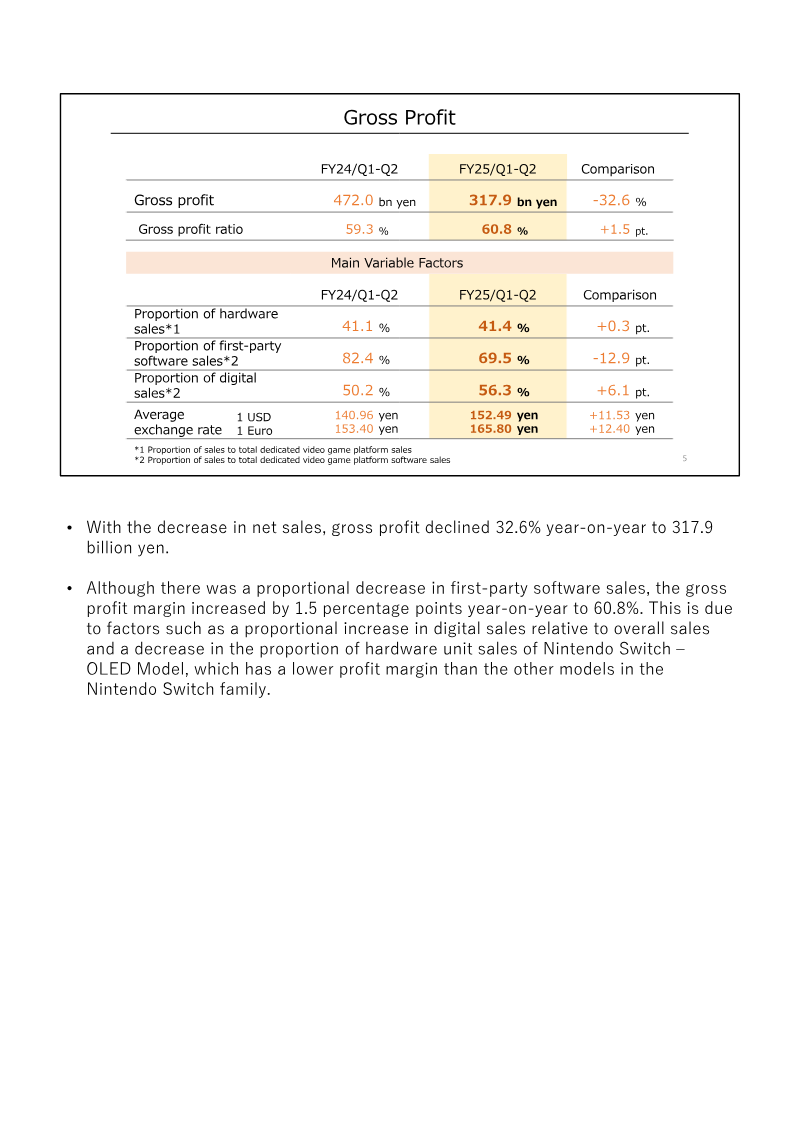
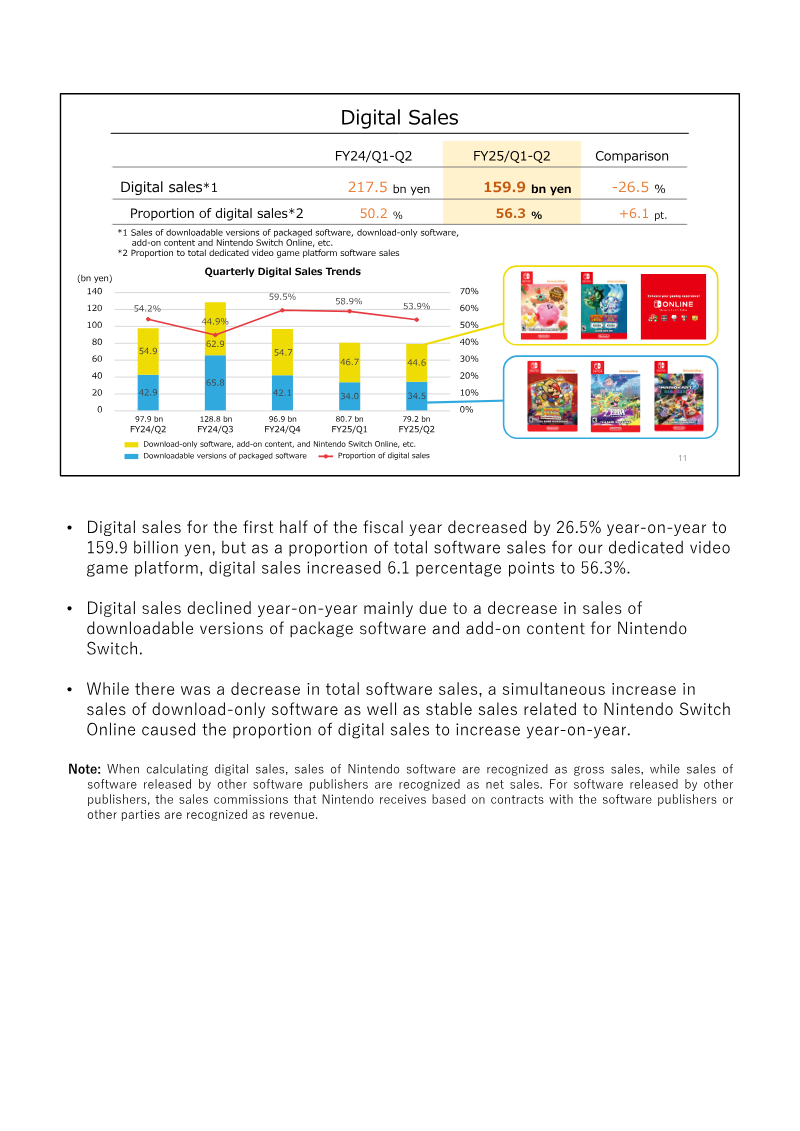
Nintendo Financial Results Explanatory Material: 2nd Quarter of Fiscal Year Ending March 2025
Nintendo’s financial results for the first half of the fiscal year ending March 2025 reflect a significant year-on-year contraction, driven primarily by the aging lifecycle of the Nintendo Switch hardware and the absence of the exceptional market catalysts that bolstered the previous year’s performance.
- Nintendo experienced a significant financial contraction in the first half of FY2025, with net sales falling 34.3% to 523.2 billion yen and operating profit dropping 56.6% to 121.5 billion yen.
- The downturn is driven by the aging Nintendo Switch lifecycle, resulting in a 31.0% decrease in hardware unit sales and a 27.6% drop in software unit sales compared to the same period last year.
- Nintendo has lowered its full-year hardware sales target by 1.0 million units to 12.5 million and reduced its software sales target by 5.0 million units to 160.0 million.

Meet the Fastest Gamer Alive
The speedrunning community recently witnessed a historic achievement in Super Mario 64, as a 19-year-old Canadian gamer known as Suigi set a new world record in the highly competitive 120-star category.
- 19-year-old gamer Suigi set a new world record in the Super Mario 64 120-star category, beating the previous record by 29 seconds.
- Suigi currently holds the fastest world-record times in four of the five major Super Mario 64 speedrunning categories.
- The record-breaking performance was achieved after approximately 5,500 hours of dedicated playtime in a game released nearly a decade before the player's birth.


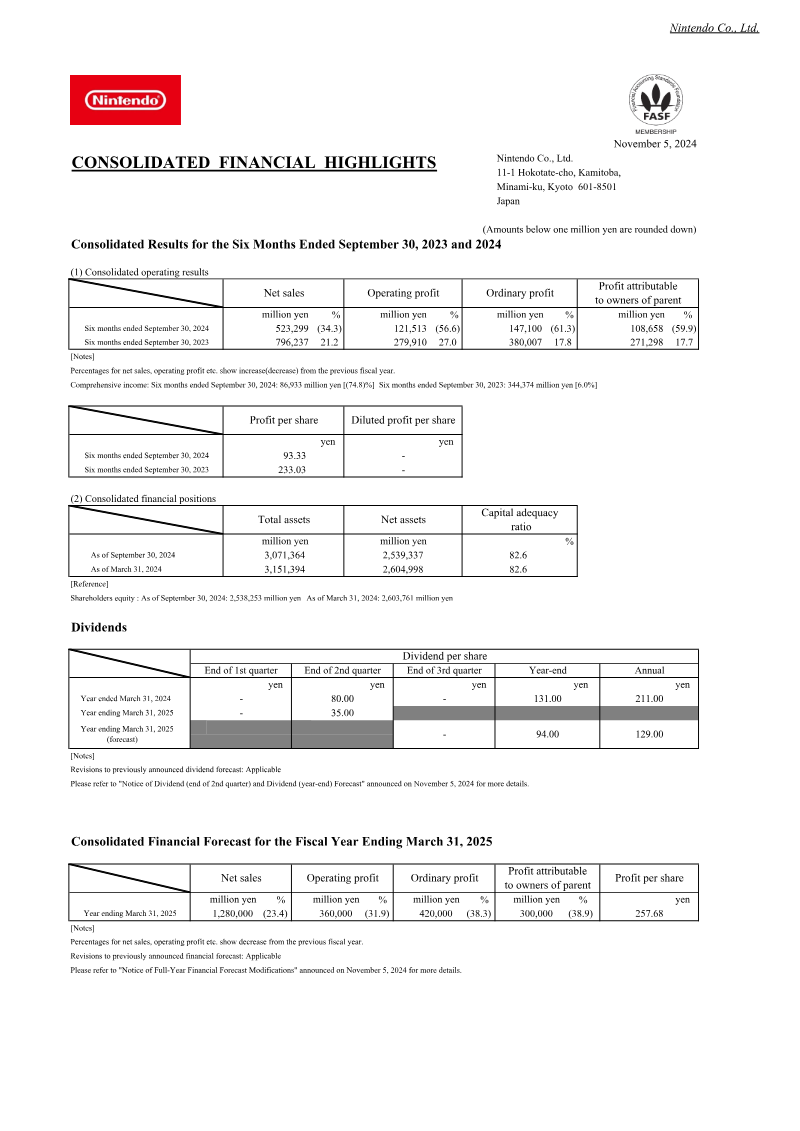
Consolidated Financial Highlights: Six Months Ended September 30, 2024
Nintendo’s consolidated financial results for the first half of the fiscal year ending March 31, 2025, reveal a significant year-on-year contraction in performance across all major financial metrics.
- Nintendo reported a significant downturn for the first half of the fiscal year ending September 30, 2024, with net sales falling 34.3% to 523.2 billion yen and operating profit dropping 56.6% to 121.5 billion yen.
- Management has revised its full-year outlook downward, now projecting annual net sales of 1.28 trillion yen and an operating profit of 360 billion yen, representing year-on-year declines of 23.4% and 31.9% respectively.
- The Nintendo Switch hardware sales declined 31% to 4.72 million units, while software sales fell 27.6% to 70.28 million units as the platform enters its eighth year.

Super Mario Party Jamboree and Party Games on Live Streaming
The release of Super Mario Party Jamboree highlights the evolving landscape of party games within the live-streaming industry.
- Super Mario Party Jamboree generated 5.3 million hours watched in its debut week, driven by high-profile streamer support despite a relatively low total airtime of 35.5K hours.
- The title achieved the second-highest weekly viewership among Mario spin-off games, outperforming Mario Kart 8’s peak weekly viewership by 1 million hours.
- Top global streamers, including alanzoka (208K hours), Squeezie (207.5K hours), and VTuber Usada Pekora (165K hours), were primary drivers of the game's initial viewership.

The Play Pendulum: A Theory of Innovation Cycles in Interactive Entertainment
The Play Pendulum theory proposes that the interactive entertainment industry operates in decadal cycles, oscillating between periods of content innovation and distribution innovation.
- The gaming industry operates in decadal cycles that oscillate between content innovation and distribution innovation rather than being driven solely by technological advancement.
- As of 2024, the industry is transitioning into a distribution innovation phase, shifting focus toward transmedia adaptations and user-generated content platforms like Roblox and Fortnite’s Unreal Editor.
- Market concentration reached a peak in 2023, with the ten largest gaming companies controlling 65% of the market, up from 58% in 2020.
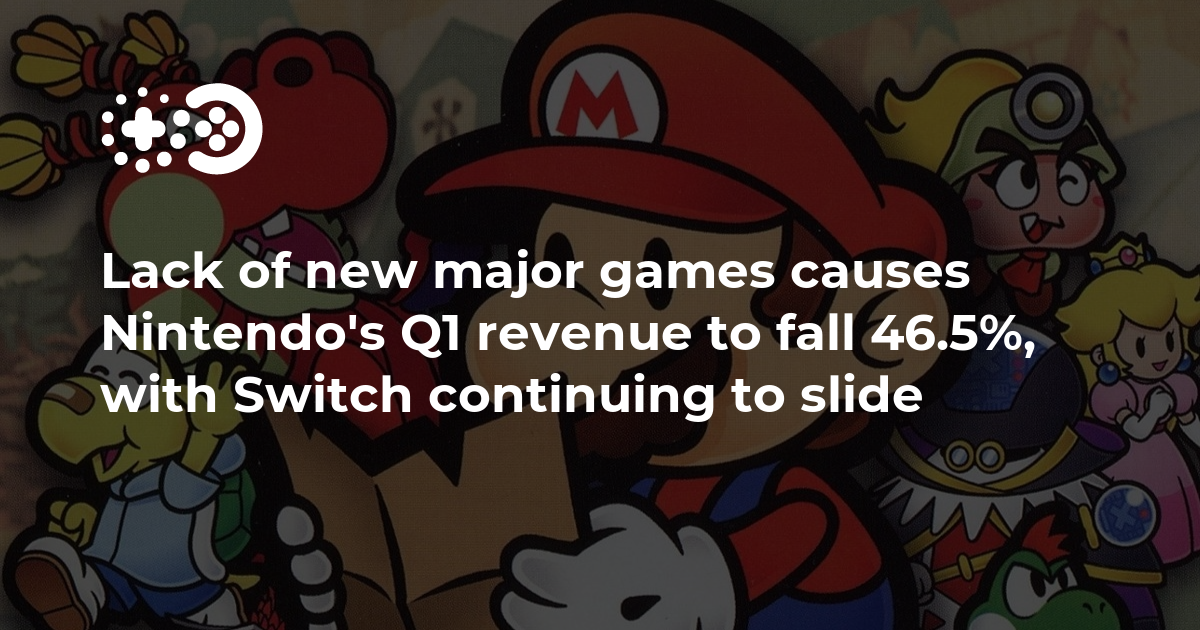
Nintendo Q1 2024 Financial Results
Nintendo’s financial results for the first quarter of the fiscal year ending June 30, 2024, reflect a significant downturn in performance as the Switch console enters its eighth year on the market.
- Nintendo’s Q1 revenue fell 46.5% year-over-year to ¥246.6 billion ($1.65 billion), driven by a lack of major new releases compared to the same period last year.
- Operating profit dropped 70.6% to ¥54.5 billion ($366 million), while net profit declined 55.3% to ¥80.9 billion ($543.5 million).
- Nintendo Switch hardware sales decreased 46.3% to 2.1 million units, reflecting the console's age as it enters its eighth year on the market.
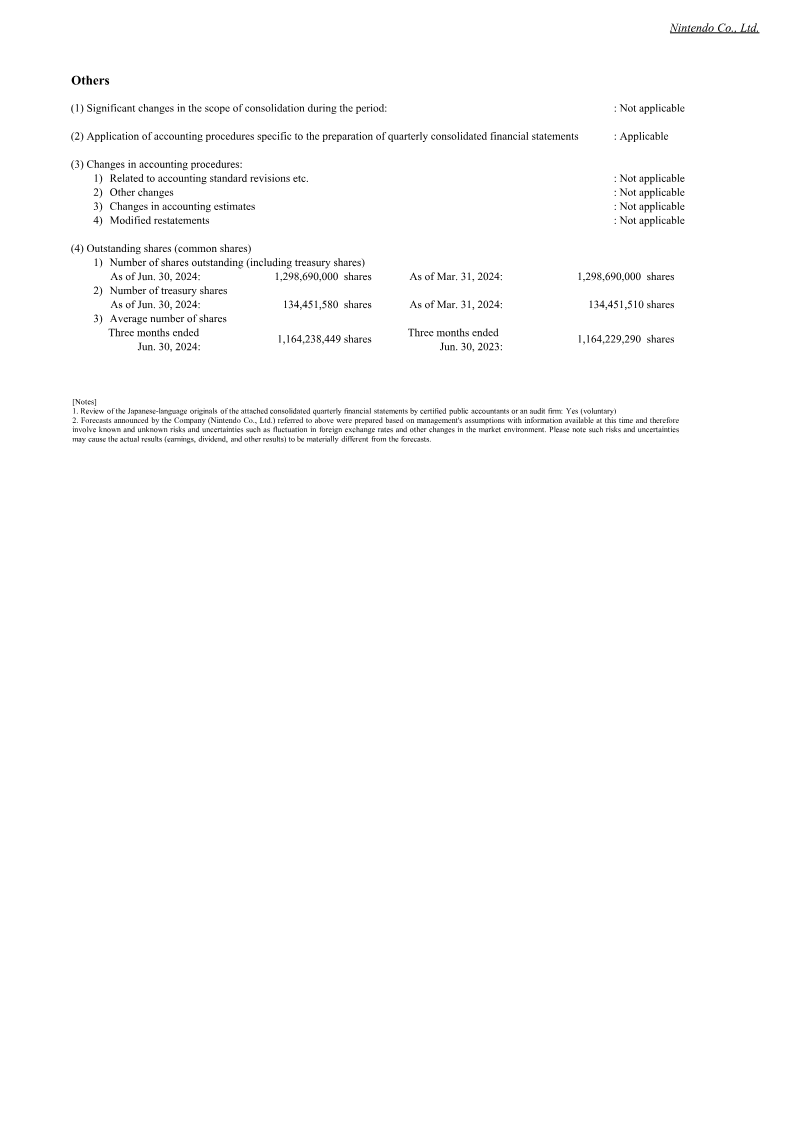
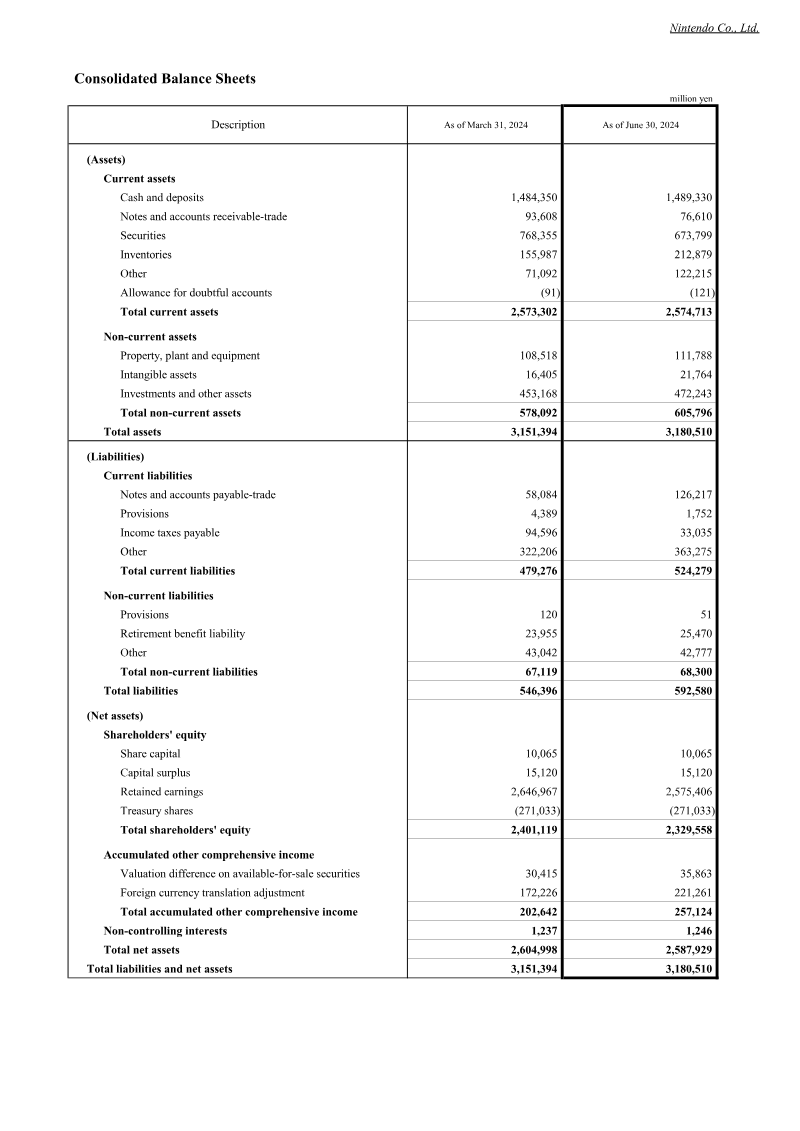
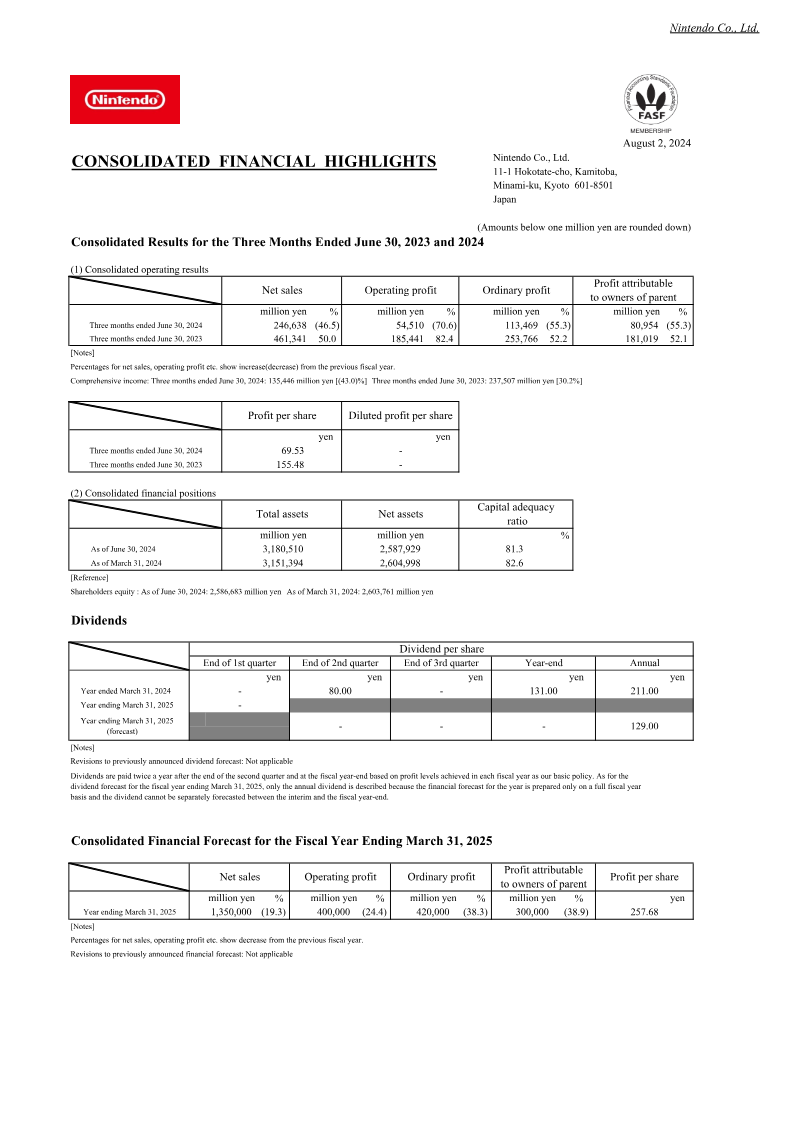
Consolidated Financial Highlights: Three Months Ended June 30, 2024
Nintendo’s consolidated financial results for the first quarter ended June 30, 2024, reflect a significant year-over-year decline in performance, primarily driven by the absence of major software releases comparable to the previous year’s high-profile launch of The Legend of Zelda: Tears of the Kingdom.
- Nintendo experienced a significant year-over-year decline in the first quarter ended June 30, 2024, with net sales dropping 46.5% to 246.6 billion yen and operating profit falling 70.6% to 54.5 billion yen.
- The performance downturn was primarily driven by a lack of major software releases compared to the same period in 2023, which featured the launch of The Legend of Zelda: Tears of the Kingdom.
- Hardware and software unit sales saw sharp declines, with hardware dropping 46.3% to 2.10 million units and software falling 41.3% to 30.64 million units.

Nintendo Financial Results Explanatory Material: 1st Quarter of Fiscal Year Ending March 2025
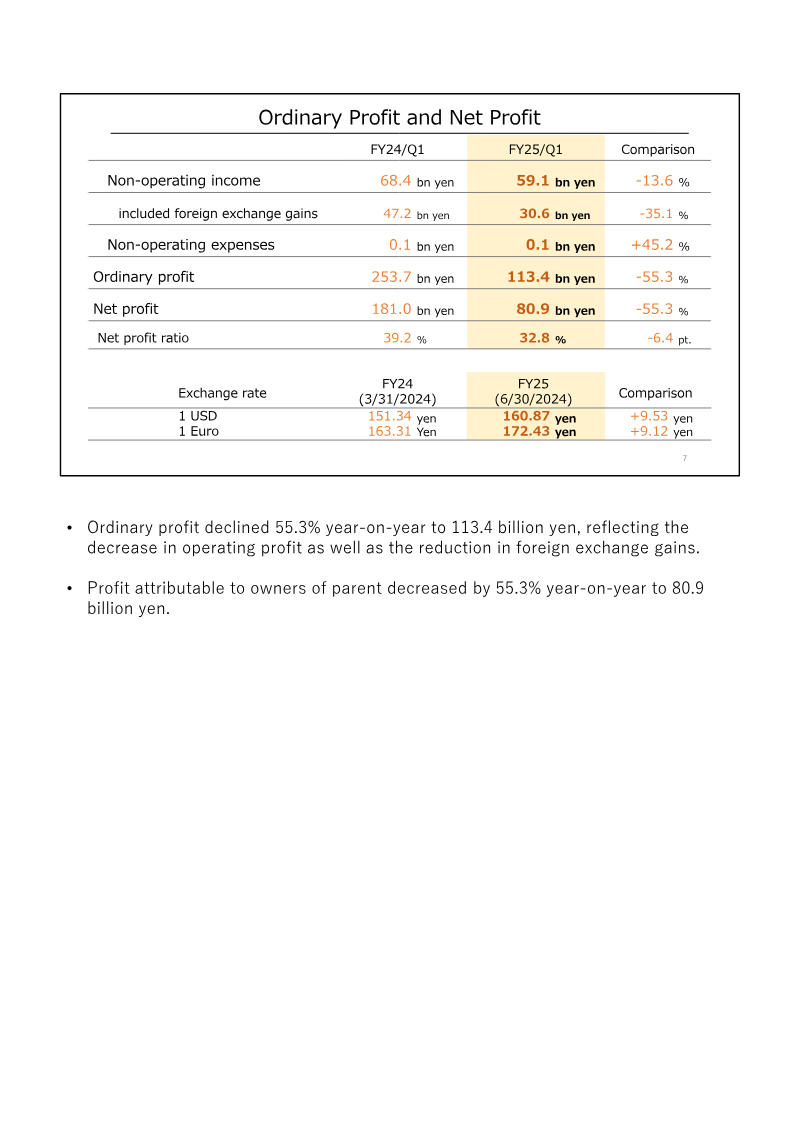
Nintendo’s financial results for the first quarter of the fiscal year ending March 2025 reflect a significant year-on-year decline in performance, primarily driven by the absence of major software releases and hardware-driving events that characterized the same period in the previous year.
- Nintendo reported a significant Q1 fiscal year 2025 downturn, with net sales falling 46.5% to 246.6 billion yen and operating profit dropping 70.6% to 54.5 billion yen.
- The decline is primarily attributed to the Nintendo Switch entering its eighth year and the lack of major software or media events comparable to the prior year's 'The Legend of Zelda: Tears of the Kingdom' and 'The Super Mario Bros. Movie'.
- Hardware sell-in volume decreased by 46.3% to 2.10 million units, while total software unit sales saw a 41.3% decline compared to the same period last year.
Nintendo Financial Results: Fiscal Year Ended March 31, 2024
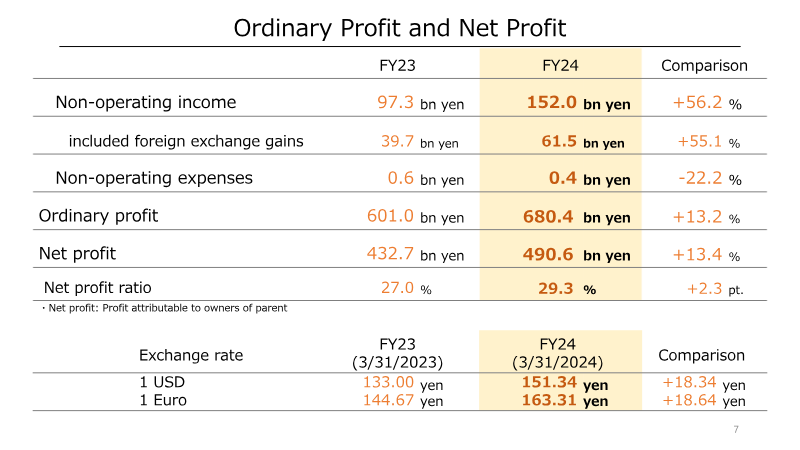
Nintendo’s financial results for the fiscal year ending March 31, 2024, reflect a period of moderate growth that is now transitioning into a projected downturn.
- Nintendo projects a significant downturn for the 2025 fiscal year, forecasting a 19.3% decline in net sales and a 38.9% drop in net profit.
- Management confirmed that an announcement regarding a successor to the Nintendo Switch console will occur within the current fiscal year ending March 31, 2025.
- For the fiscal year ended March 31, 2024, Nintendo reported net revenue of ¥1.67 trillion, a 4.4% year-over-year increase, and a net profit of ¥490.6 billion, up 13.4%.
Nintendo Financial Results Explanatory Material: Fiscal Year Ended March 2024
The financial results for the fiscal year ending March 31, 2024, demonstrate a period of sustained growth for Nintendo, characterized by increased net sales and profitability despite a decline in hardware unit volume.
- Nintendo reported net sales of 1,671.8 billion yen (up 4.4%) and an operating profit of 528.9 billion yen (up 4.9%) for the fiscal year ending March 31, 2024.
- Mobile and intellectual property-related income surged by 81.6%, providing a significant boost to overall profitability.
- Nintendo Switch hardware sales declined 12.6% to 15.70 million units, while software sales reached 199.67 million units driven by titles like The Legend of Zelda: Tears of the Kingdom and Super Mario Bros. Wonder.

GMTK Reading List: April 2024
The April 2024 edition of the Game Maker’s Toolkit reading list serves as a curated digest of industry insights, focusing on the intersection of game design philosophy and technical development practices.
- The development of Super Mario Bros. Wonder required a rigorous filtering process that narrowed down 2,000 distinct environmental effect ideas into the final game.
- Modern game design discourse increasingly emphasizes the value of mechanical friction and imperfection, as highlighted by the design inefficiencies found in Dragon’s Dogma 2.
- Game developers are facing challenges where gameplay economics can inadvertently undermine or conflict with the core narrative themes of a title, as observed in SOMA.

A Mario Movie Sequel / Activision's New Union / Apple's EU Troubles / Toys x Games
The gaming industry is currently undergoing a period of structural transformation characterized by the aggressive expansion of intellectual property, shifting labor relations, and evolving regulatory pressures.
- Microsoft has officially recognized a 600-person union representing quality assurance staff, marking a significant shift toward collective bargaining in the North American gaming sector.
- The EU's Digital Markets Act now mandates that Apple permit third-party app stores and alternative payment methods, though restrictive compliance requirements continue to limit the practical benefits for developers.
- Major toy manufacturers like Mattel are shifting from traditional licensing to internal co-development and self-publishing to capture more value from digital-first younger demographics.