
ArticleSuperJoost
The Play Pendulum: A Theory of Innovation Cycles in Interactive Entertainment
19 Sept 2024~13 min full read
The Play Pendulum theory proposes that the interactive entertainment industry operates in decadal cycles, oscillating between periods of content innovation and distribution innovation. This framework challenges the traditional view that technological advancement is the sole driver of industry evolution, suggesting instead that shifts are dictated by how games are created, monetized, and delivered to consumers. The analysis covers the global games market from 1975 to the present, segmenting the industry into PC, console, and mobile categories.
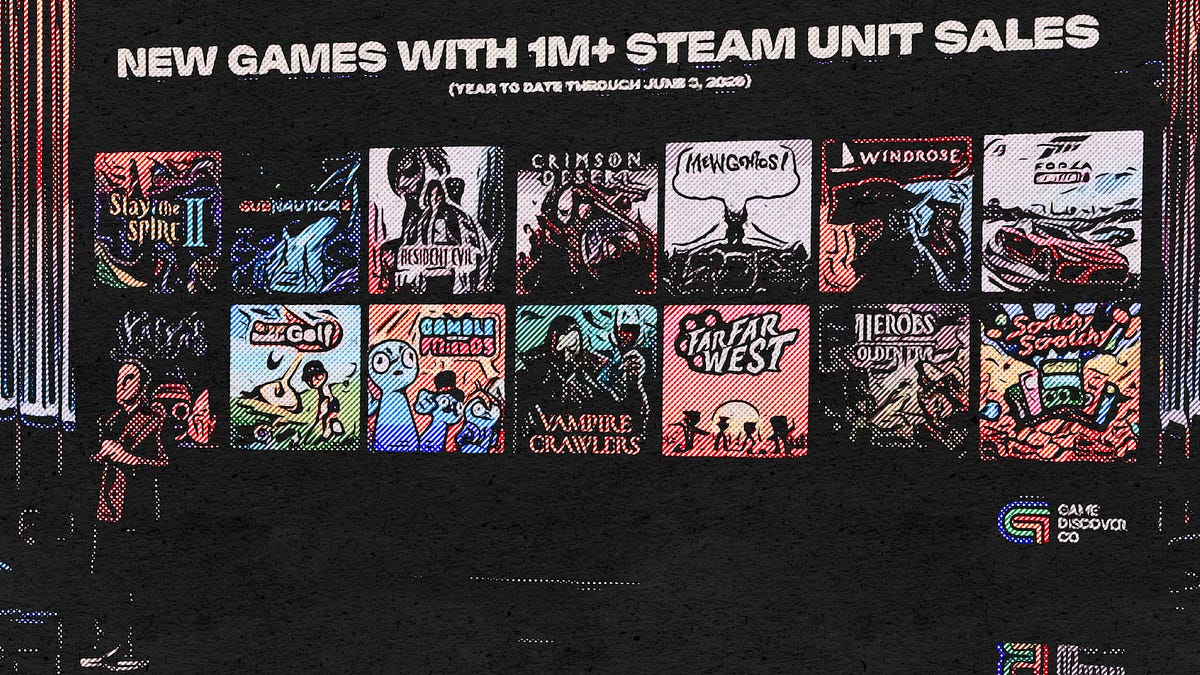
Content innovation phases are characterized by a focus on new gameplay mechanics, storytelling, and portfolio expansion. These periods typically see high consumer demand, increased investment, and significant corporate consolidation as firms pursue economies of scale. Examples include the early Atari era (1975–1983), the rise of 3D gaming (1994–2003), and the recent surge in live services and mobile acquisitions (2016–2023). Conversely, distribution innovation phases focus on efficiency, new platforms, and novel revenue models. These eras, such as the Nintendo licensing revolution (1984–1993) and the rise of Steam and mobile app stores (2004–2015), often emerge following market saturation or economic downturns, leading to decreased market concentration as new entrants find unique ways to reach audiences.
Data indicates that the industry is currently transitioning into a distribution innovation phase as of 2024. This shift is marked by the rise of transmedia adaptations like the Super Mario Bros. Movie and a pivot toward user-generated content platforms such as Roblox and Fortnite’s Unreal Editor. While the ten largest gaming companies controlled 65% of the market in 2023—up from 58% in 2020—the theory suggests that this high concentration may soon dissipate as the pendulum swings toward new delivery methods and creator-driven economies. Ultimately, the theory serves as a macro-economic tool for executives to navigate the industry's inherent volatility by identifying whether the current climate favors scale through content or growth through distribution.

SuperJoost · 2026

SuperJoost · 2026

SuperJoost · 2026

SuperJoost · 2026

SuperJoost · 2026

SuperJoost · 2026

SuperJoost · 2026

SuperJoost · 2026

SuperJoost · 2026
SuperJoost · 2026

SuperJoost · 2026
SuperJoost · 2026

Coda · 2026
Ubisoft · 2025

Koei Tecmo · 2024

Bandai Namco · 2021

data.ai · 2018

GREE · 2014

InvestGame
Ubisoft

Appcharge

IGN Entertainment · 2026

Almedia · 2026

Gamesight · 2026