1 free read left. Create a free account for unlimited reading + AI research.
Create free accountFinancial report Nintendo
1 free read left. Create a free account for unlimited reading + AI research.
Create free accountFinancial reportNintendo
Distilling the key insights…
Nintendo is navigating a transitional period in the fiscal year ending March 2019, prioritizing the long-term expansion of its intellectual property and the strengthening of its digital ecosystem. Despite hardware sales falling short of initial projections, the Nintendo Switch platform has achieved significant market penetration, with global cumulative sell-through exceeding 30 million units. This hardware foundation is bolstered by robust software performance, characterized by record-breaking sales for flagship titles like Super Smash Bros. Ultimate and the sustained popularity of evergreen software.
The company’s growth strategy centers on three core pillars: dedicated video game platforms, mobile applications, and broader IP expansion. Digital sales and third-party software revenue have emerged as critical drivers of financial momentum, while the expansion of the Nintendo Switch into Asian markets provides a new avenue for growth. By leveraging Nintendo Accounts, the organization is successfully deepening consumer relationships and fostering a more integrated user experience that bridges hardware and software development.
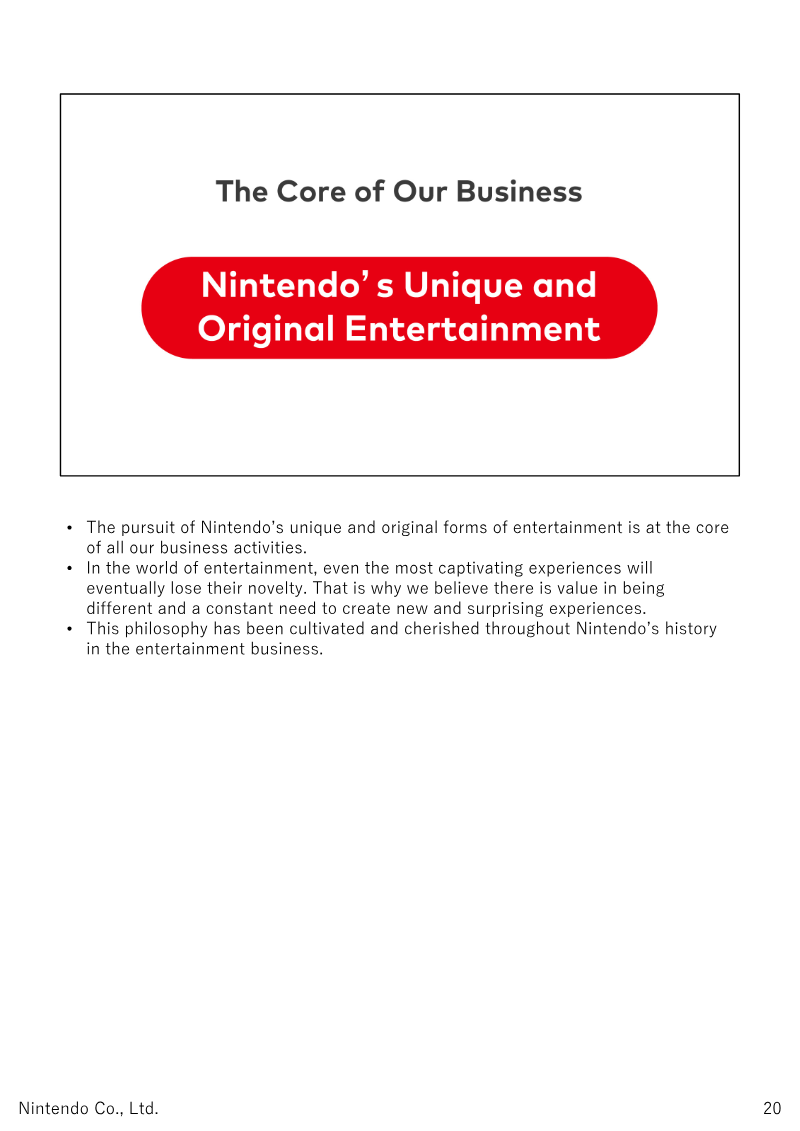
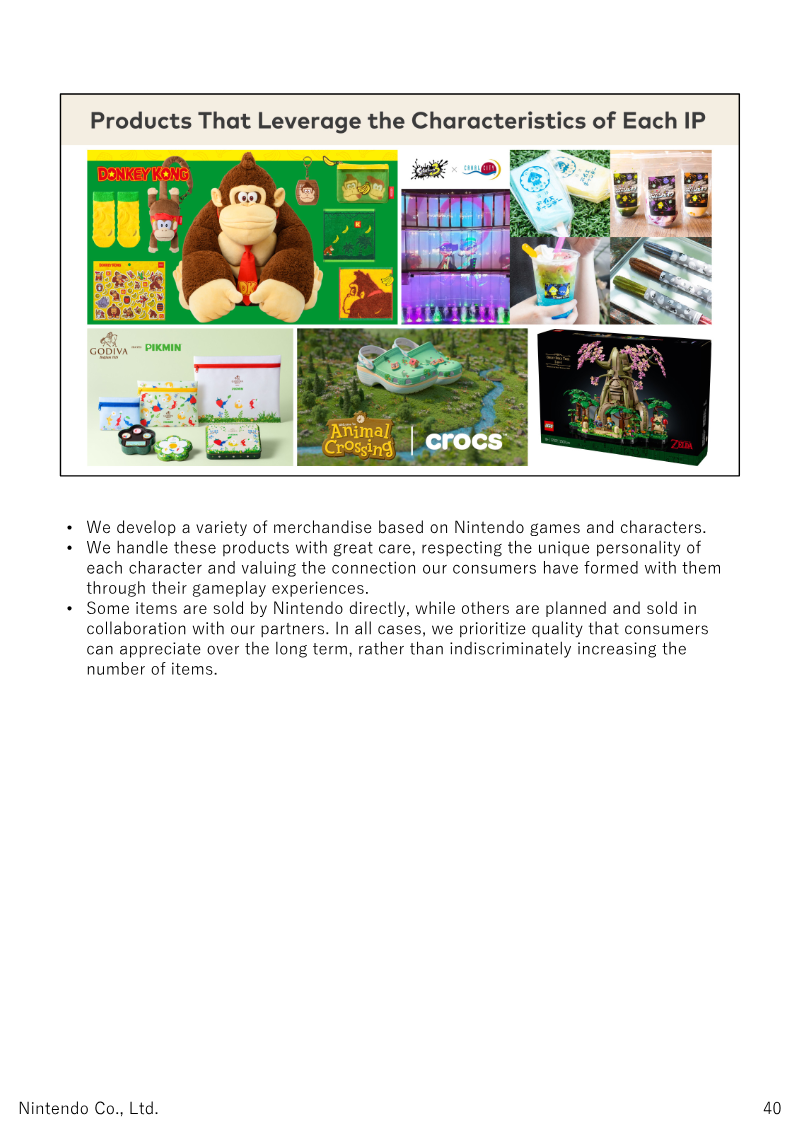
Beyond the gaming sector, a strategic shift is underway to increase global brand engagement through non-gaming channels. By investing in high-profile partnerships—such as the development of Super Nintendo World at Universal Studios Japan, an animated Super Mario Bros. film, and the establishment of dedicated retail spaces in Tokyo—the company is actively extending its reach to broader, non-gaming audiences. These initiatives are designed to solidify the company’s competitive edge by ensuring its characters and worlds remain culturally pervasive, ultimately supporting the long-term sustainability of its unique entertainment value proposition across diverse global markets.
Nintendo · 2026
Nintendo · 2026
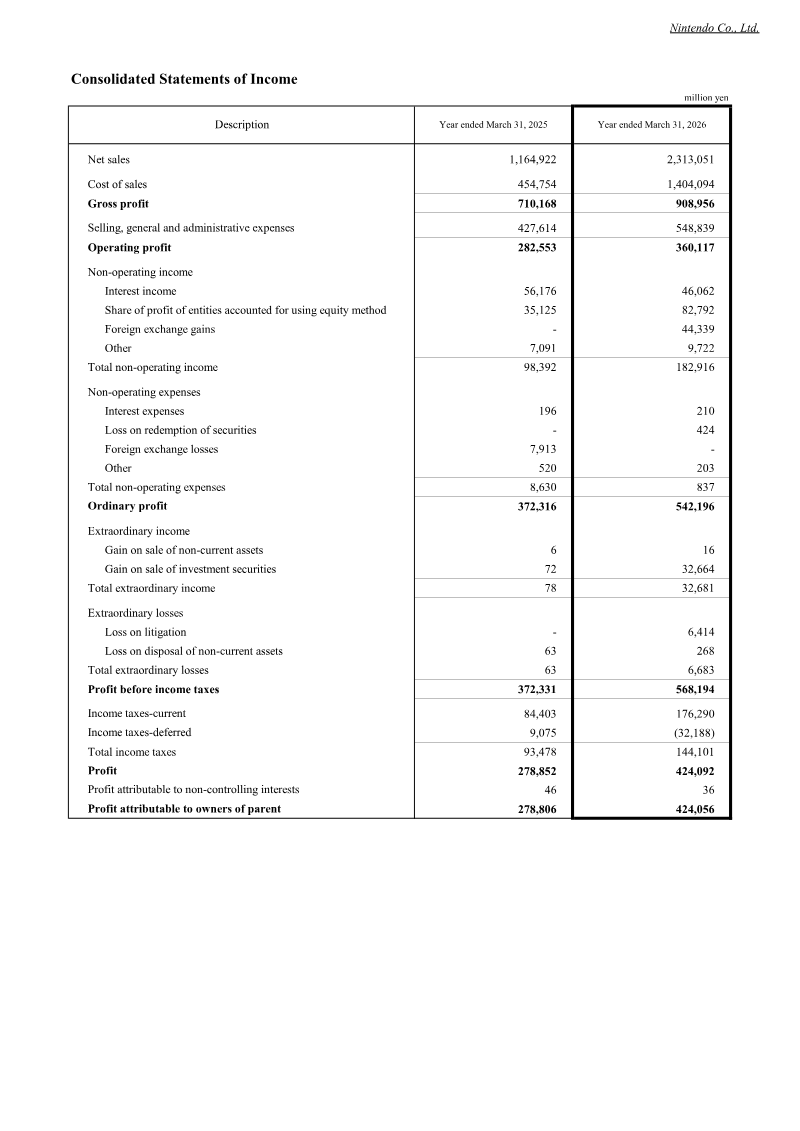
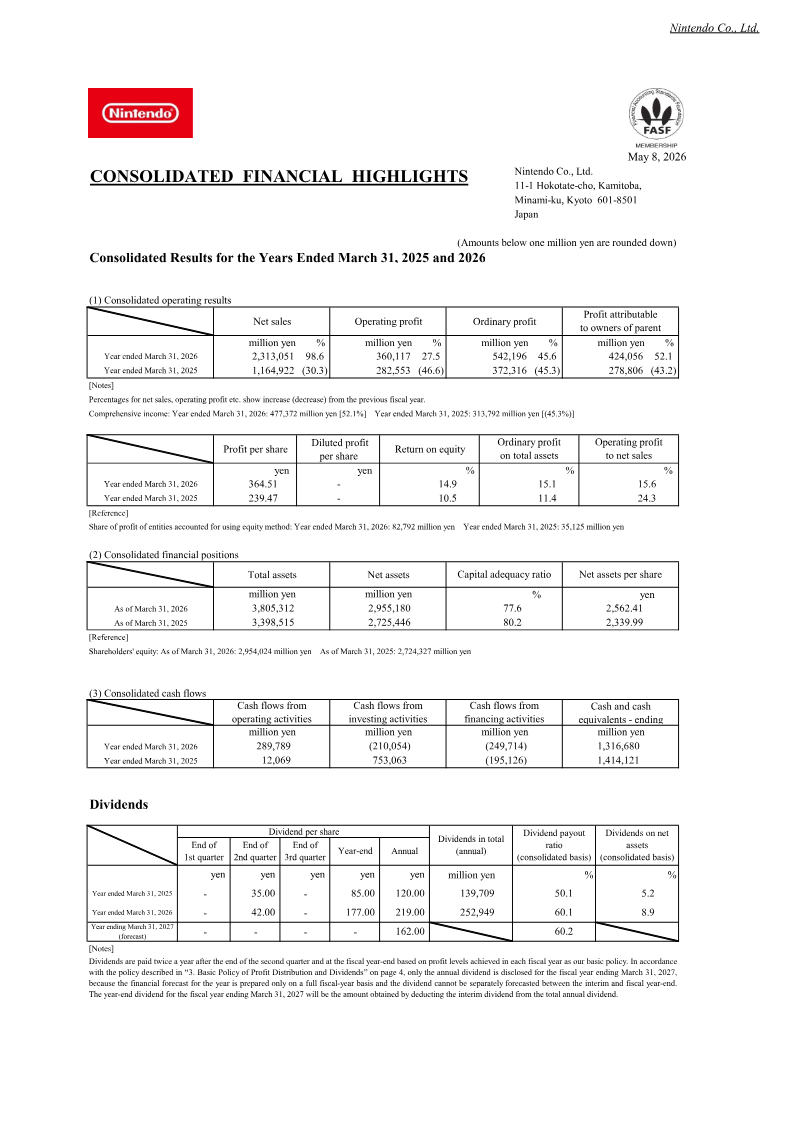
Nintendo · 2026
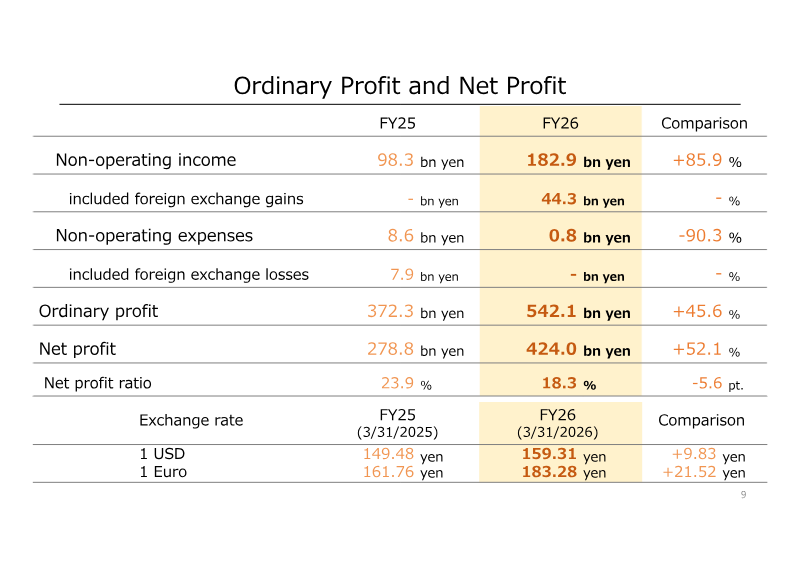
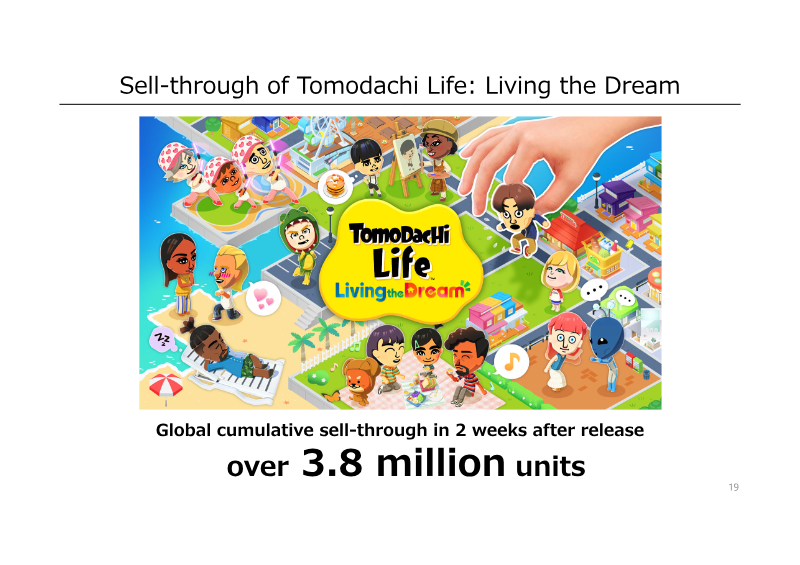
Nintendo · 2026
Nintendo · 2026
Nintendo · 2026
Nintendo · 2026
Nintendo · 2025
Nintendo · 2025
Nintendo · 2025
Nintendo · 2025
Nintendo · 2025
Two & a Half Gamers · 2026