1 free read left. Create a free account for unlimited reading + AI research.
Create free accountFinancial report Nintendo
1 free read left. Create a free account for unlimited reading + AI research.
Create free accountFinancial reportNintendo
Distilling the key insights…
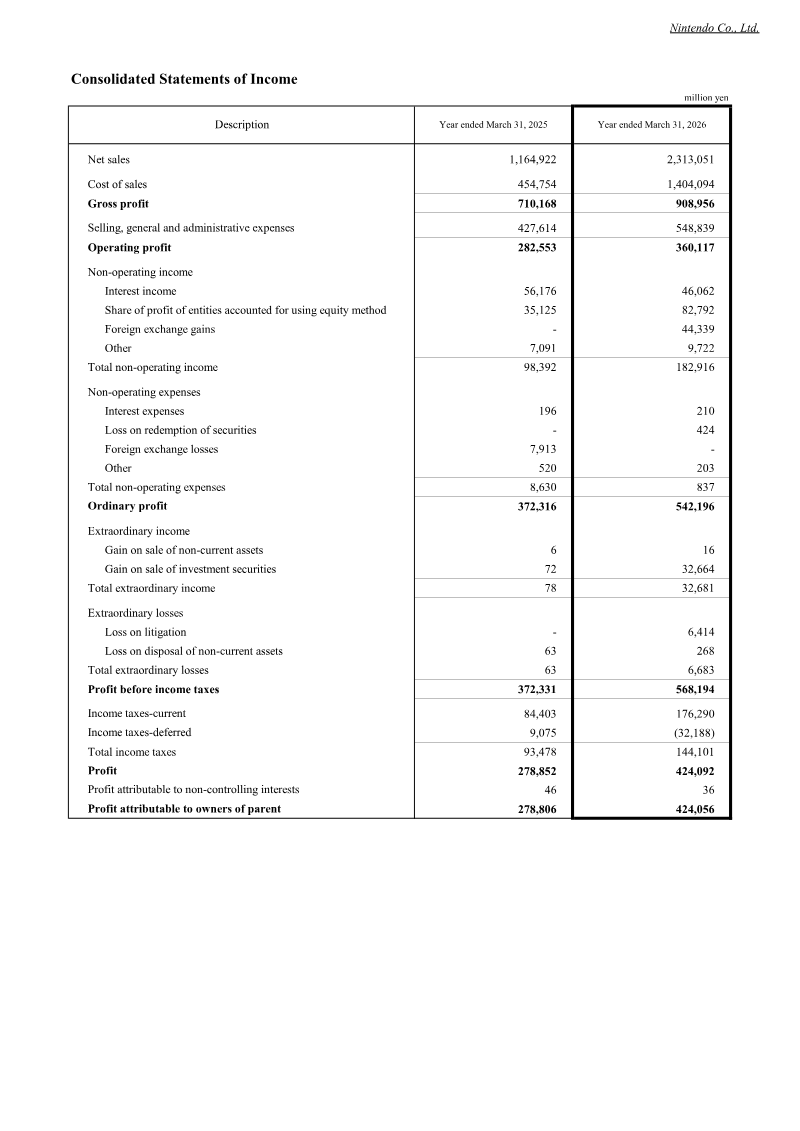
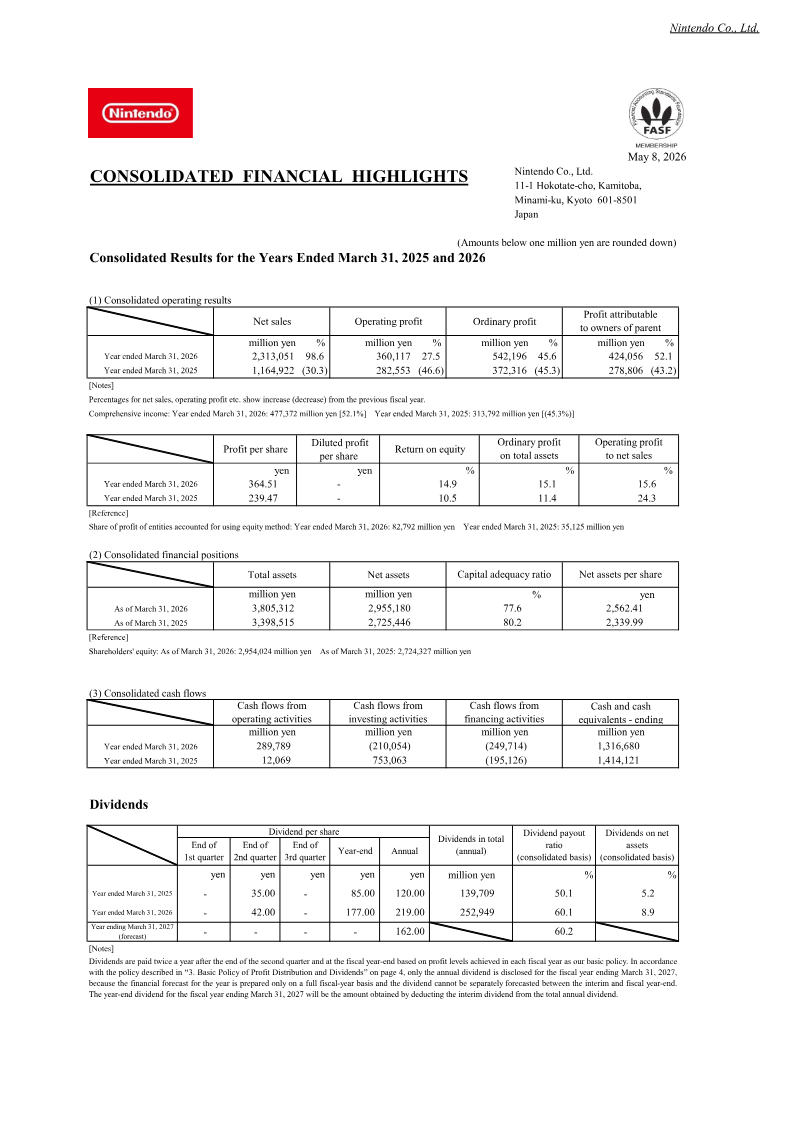
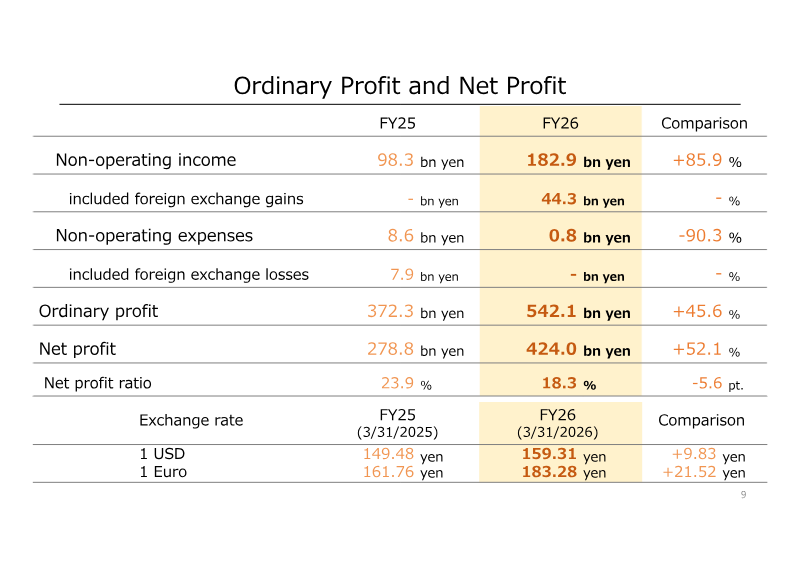
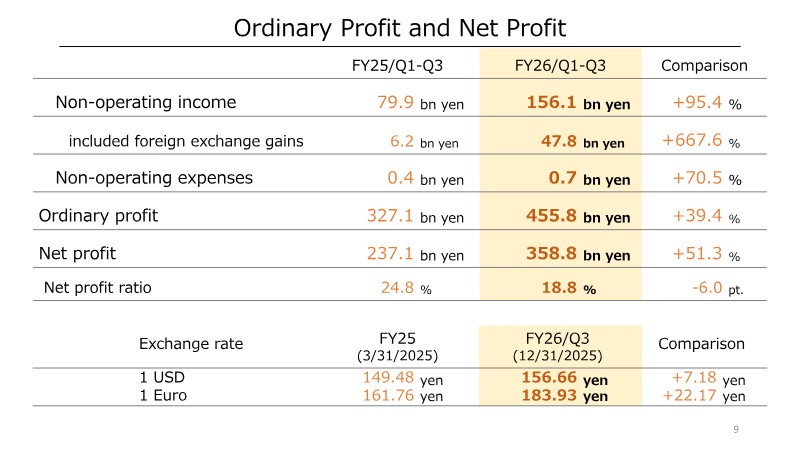
The financial results for the nine-month period ending December 2012 reflect a transitional phase for Nintendo as the company navigated a shift in its hardware portfolio. During this period, the organization reported net sales of 543 billion yen, a slight decline from the previous year, alongside a return to profitability with a net income of 14.5 billion yen. This recovery was supported by a significant improvement in ordinary income, which reached 22.7 billion yen, bolstered by favorable foreign exchange gains totaling 22.2 billion yen.
The company’s performance was heavily influenced by the lifecycle stages of its hardware platforms. While the Nintendo DS and Wii experienced declining sales as they reached the end of their market relevance, the Nintendo 3DS served as a primary driver for software and hardware volume. The launch of the Wii U in late 2012 marked a critical strategic pivot, with the platform generating immediate software sales through titles like Nintendo Land and New Super Mario Bros. U. The data highlights a strong reliance on first-party software to drive hardware adoption, with several titles achieving million-seller status globally during the nine-month window.
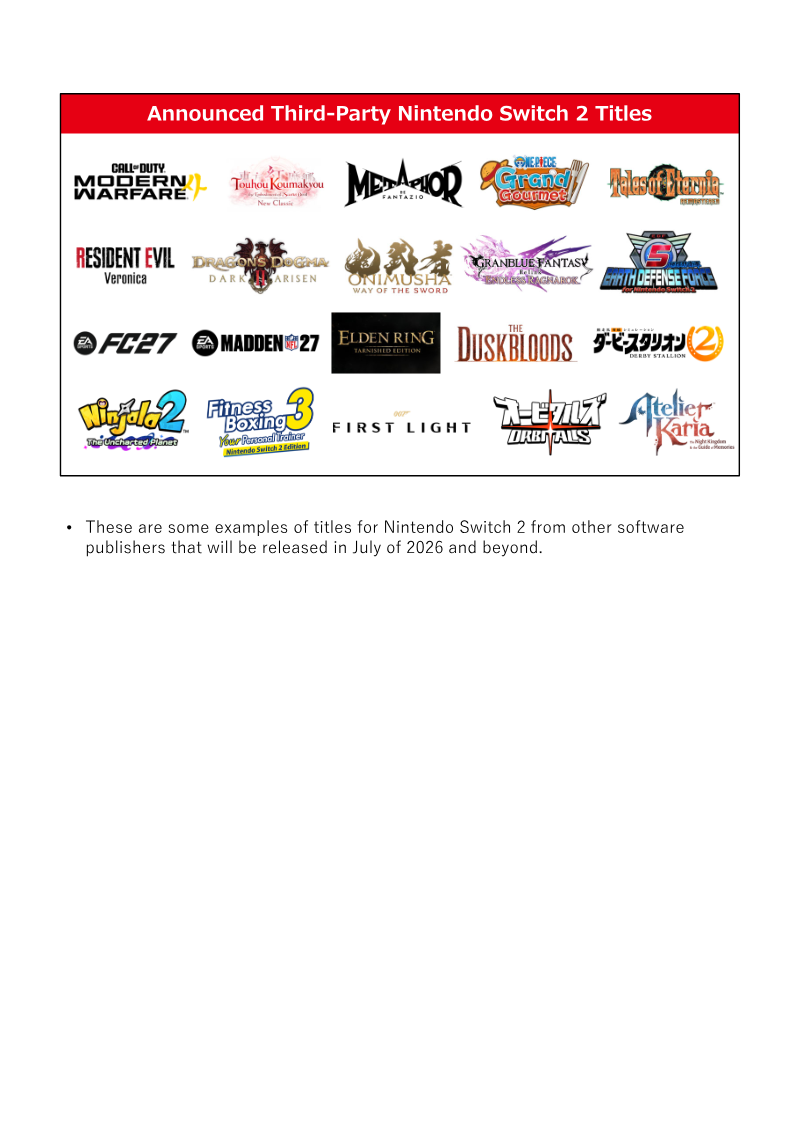
Geographically, the results encompass operations across Japan, the Americas, and Europe. The financial statements indicate that while the company faced challenges in maintaining historical sales levels, the strategic focus remained on transitioning the user base to newer hardware. The report also provides extensive documentation of upcoming software lineups, emphasizing a robust pipeline of both first-party and third-party titles intended to sustain momentum for the 3DS and Wii U platforms throughout the remainder of the fiscal year.
Nintendo · 2026
Nintendo · 2026
Nintendo · 2026
Nintendo · 2026
Nintendo · 2026
Nintendo · 2026
Nintendo · 2026
Nintendo · 2025
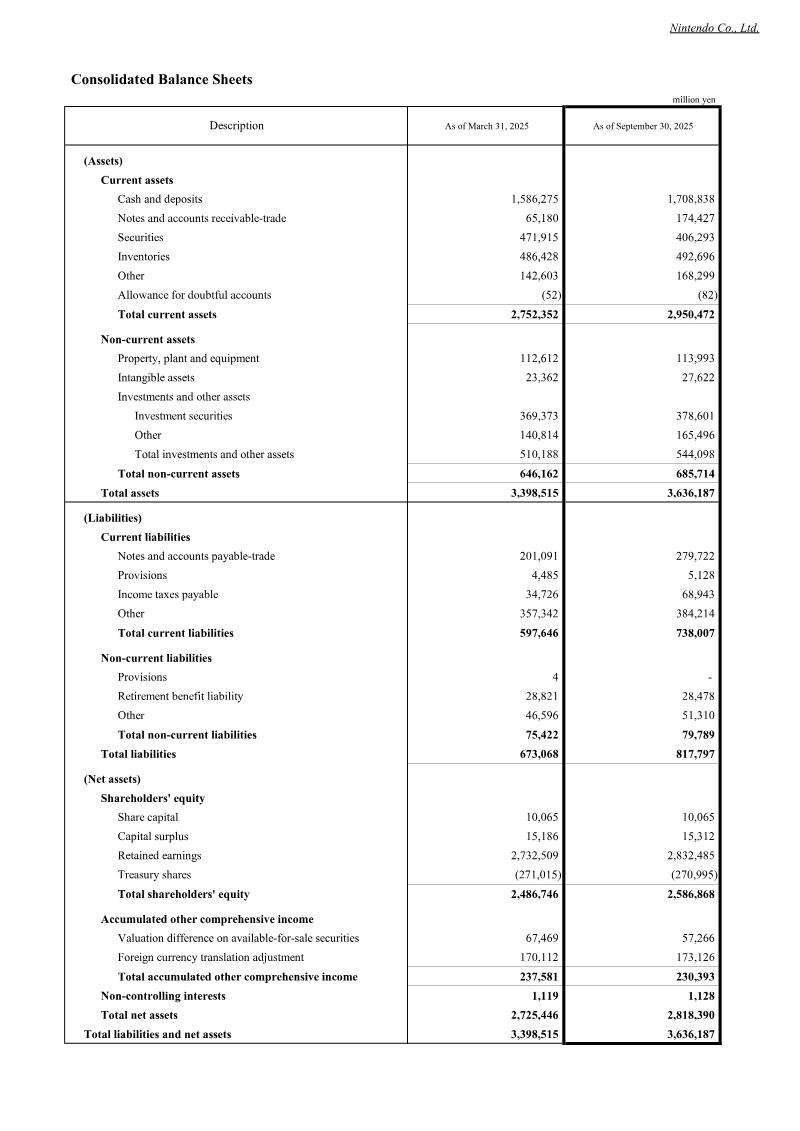
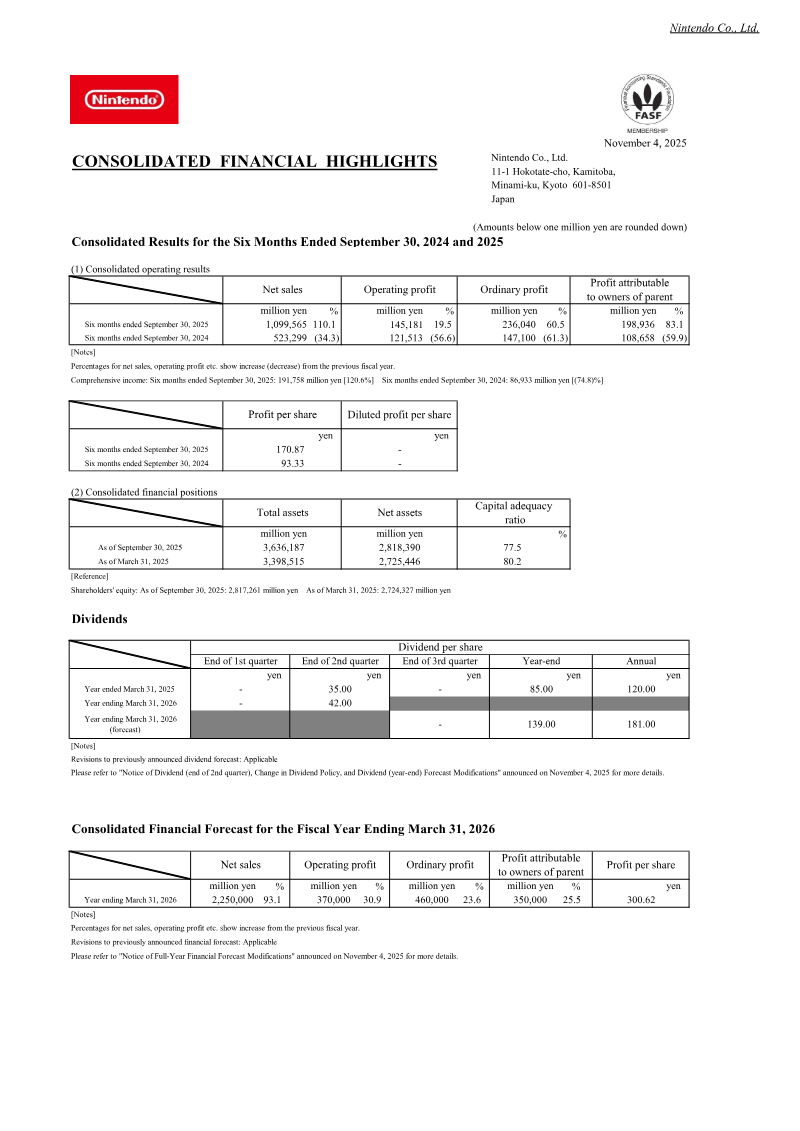
Nintendo · 2025
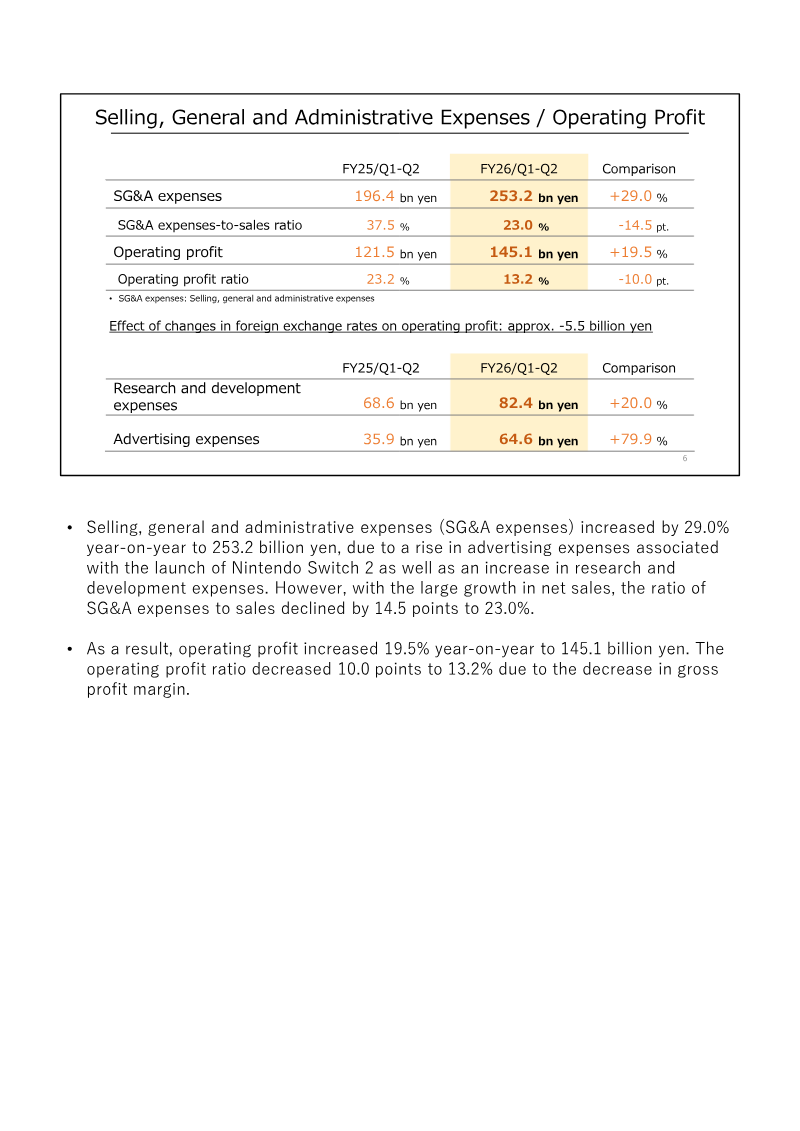
Nintendo · 2025
Nintendo · 2025
Nintendo · 2025

Two & a Half Gamers · 2026