windows
Company
Documents about windows
Games You Might Not Have Tried - ep 18 - Game Jam Edition! - Extra Credits
Game jams serve as vital incubators for experimental game design, providing a platform for developers to explore niche mechanics and abstract themes within constrained timeframes.
- Game jams function as essential incubators for experimental design by forcing developers to prioritize core mechanics over high-fidelity polish.
- The December game jam featured seven distinct titles—Anybody Home, INNST, Last Minute Delivery, Omnipresent, Retroactive, Grow, and White Elephant—all centered on the theme of 'presence'.
- Short-form development cycles demonstrate that meaningful player engagement can be achieved through singular, well-executed concepts rather than extensive production resources.
This is a Talk About Tutorials, Press A to Skip
The primary objective of this analysis is to define effective tutorial design in video games, arguing that the most successful instructional phases are those that are seamlessly integrated into the gameplay experience.
- Effective tutorial design prioritizes seamless integration into gameplay, replacing intrusive elements like pop-up windows and walls of text with organic, experience-based learning.
- Developers should leverage universal game literacy, such as color-coding for danger and established control schemes, to guide players intuitively without explicit instruction.
- Games like Half-Life 2 and the Super Mario series serve as benchmarks for success by introducing mechanics within safe, experimental environments that encourage organic discovery.
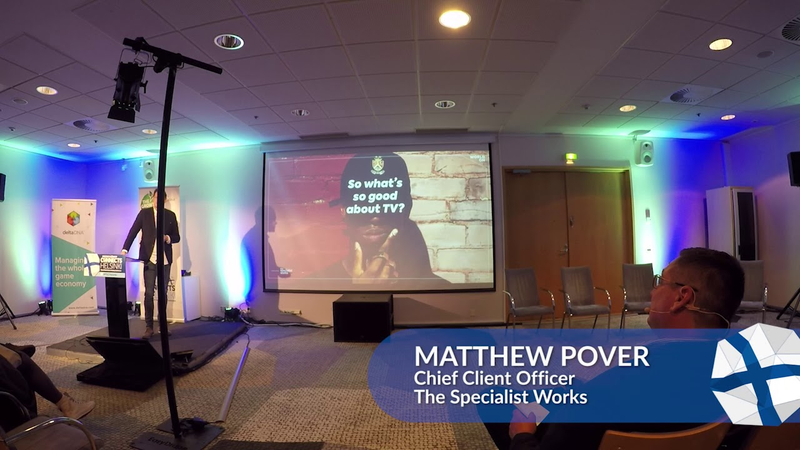
How offline advertising can boost your mobile and digital acquisition performance
Offline advertising, particularly television, remains a potent but underutilized tool for scaling mobile user acquisition and digital brand growth.
- Only 4% of gaming brands currently use television advertising regularly, while 71% of the industry discounts the medium entirely.
- Nearly 50% of skeptics would consider television advertising if provided with evidence that performance can be accurately tracked and optimized.
- Television functions as a trust-building mechanism that, when synchronized with social media, significantly increases ad recall and purchase intent compared to digital-only strategies.
How to make Your First Game TODAY! - (Unity 3D)
Unity 3D serves as a robust entry point for aspiring developers, offering a comprehensive suite of tools for rapid prototyping and game creation.
- Master the Unity interface by utilizing the hierarchy, inspector, and project windows to organize assets and establish 3D environments.
- Implement movement by manipulating the Rigidbody component via user input, using the FixedUpdate method to ensure consistent physics behavior across different hardware.
- Use the SerializeField attribute to expose variables, allowing for real-time adjustments and faster iteration directly within the Unity editor.
Embracing Push Forward Combat in DOOM
The design philosophy behind the modern DOOM series centers on the concept of push-forward combat, a paradigm shift that rejects the defensive, cover-based mechanics prevalent in contemporary shooters.
- The 'Push Forward Combat' philosophy mandates that players must remain aggressive and mobile to succeed, utilizing mechanics like glory kills to replenish resources rather than relying on traditional cover-shooter mechanics like reloading.
- To maintain high-intensity pacing, developers implemented a three-tier enemy control hierarchy—twitch, falter, and stagger—which allows players to interrupt AI behavior and create openings for finishing moves.
- AI accuracy is intentionally tuned to miss when the player is moving, creating a dynamic where players feel empowered by speed and threatened when standing still, rather than relying on purely random accuracy offsets.
How to Create Tension in Games.
Effective game design relies on the strategic management of tension to maintain player engagement and enhance the watchability of a title.
- Effective game design requires a dynamic cycle of alternating between high-tension moments and periods of relief to prevent player exhaustion or boredom.
- Tension is primarily generated through three mechanisms: expectation via mechanics like charge-up times, uncertainty through randomized elements, and surmountable difficulty.
- High-tension gameplay is a critical driver of commercial success and visibility, as it directly correlates with increased watchability for streamers and their audiences.
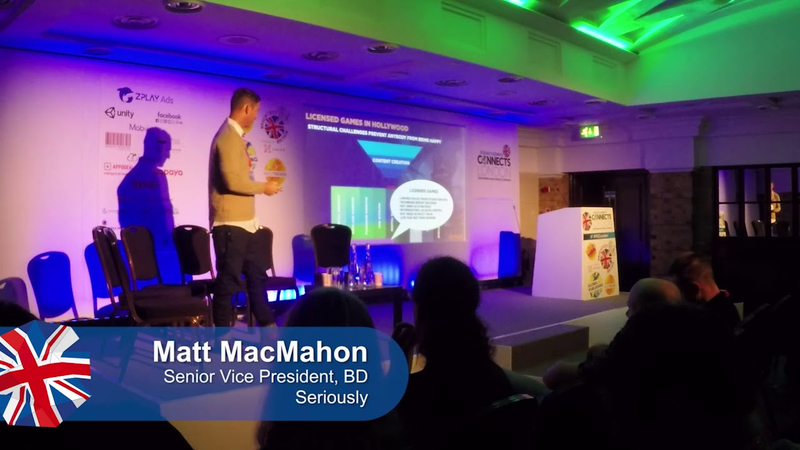
The future of Hollywood and games
The traditional Hollywood studio model faces a significant existential challenge as it attempts to integrate with the gaming industry.
- Hollywood’s traditional business model is failing because it relies on slow, multi-year development cycles and fragmented, siloed internal departments that lack unified incentives for gaming.
- Mobile gaming now generates more revenue than the global box office, yet legacy studios continue to treat games as low-risk licensing deals rather than strategic, long-term assets.
- The fundamental disconnect between industries is the production cadence: movies are episodic three-year events, while successful gaming requires a live-service model with content updates every one to two months.
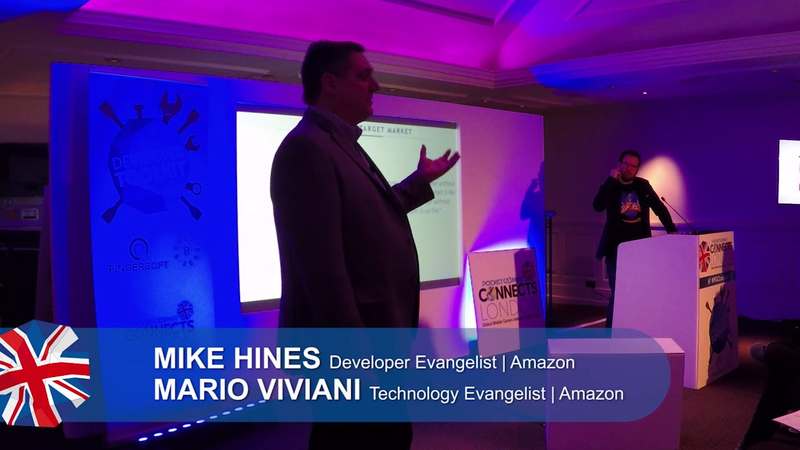
Crafting promotions that work and how I created one that didn’t
Effective game promotions require a deep understanding of consumer psychology and precise data-driven timing.
- Effective promotions must appeal to both the emotional 'elephant' and the logical 'rider' by combining initial desire with clear value propositions like discounts or exclusive currency.
- Marketing efforts should be synchronized with genre-specific peak usage windows, such as action games peaking during weekday breaks and puzzle games surging in the evenings.
- Developers should monitor the internal balance of soft currency versus power-ups to trigger sales at the precise moments players are most likely to convert.
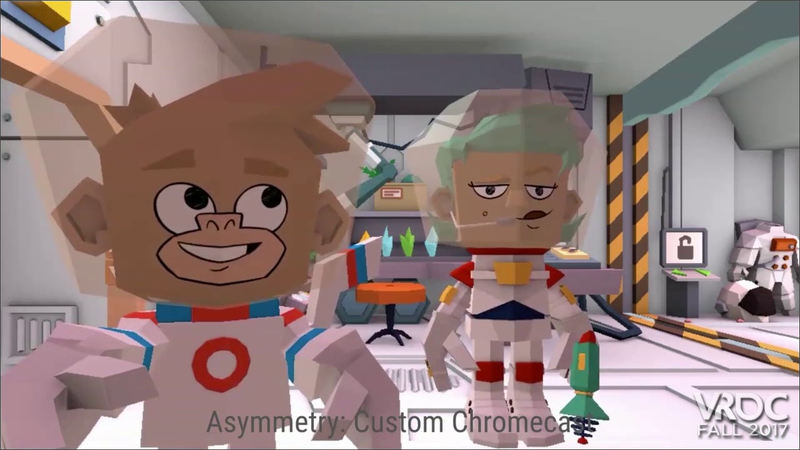
Building VR Communities: Asymmetry, Asynchrony, and Abuse
The current landscape of virtual reality necessitates a strategic shift toward cross-platform accessibility to overcome hardware-based audience limitations.
- Developers should integrate asymmetric and asynchronous design—such as interactive spectator modes and 2D device support—to overcome hardware-based audience limitations and expand the potential user base.
- Safety features must be treated as foundational design requirements rather than afterthoughts to mitigate harassment that manifests through auditory, gestural, and bodily forms in embodied spaces.
- Effective user-agency tools for safety include personal space bubbles, invisibility toggles, and gesture-based blocking, which prevent aggressors from receiving negative attention.
Marketing Indie Style
Effective indie game marketing relies on a disciplined, long-term strategic framework that treats promotional efforts with the same rigor as core game design.
- Indie developers should treat marketing with the same rigor as game design, prioritizing long-term audience cultivation through email lists and niche community engagement rather than relying on viral moments.
- Marketing budgets should ideally be allocated at 10% to 15% of expected revenue, though smaller studios with limited resources should prioritize cost-effective, targeted outreach over broad advertising.
- Sustainable success requires an iterative post-launch strategy that utilizes updates, seasonal content, and cross-promotional opportunities to maintain long-tail revenue.
A Q&A Session For New Game Writers
Game writing requires a specialized approach that prioritizes systemic integration and mechanical alignment over traditional prose.
- Game writing must prioritize systemic integration and mechanical alignment over traditional linear prose to ensure narrative elements support core gameplay.
- Writers should be involved in the development cycle from the initial stages to prevent the disjointed experience caused by retroactively applying story to finished products.
- Portfolios for aspiring writers should focus on interactive formats like branching narratives and dialogue mechanics rather than linear storytelling samples.
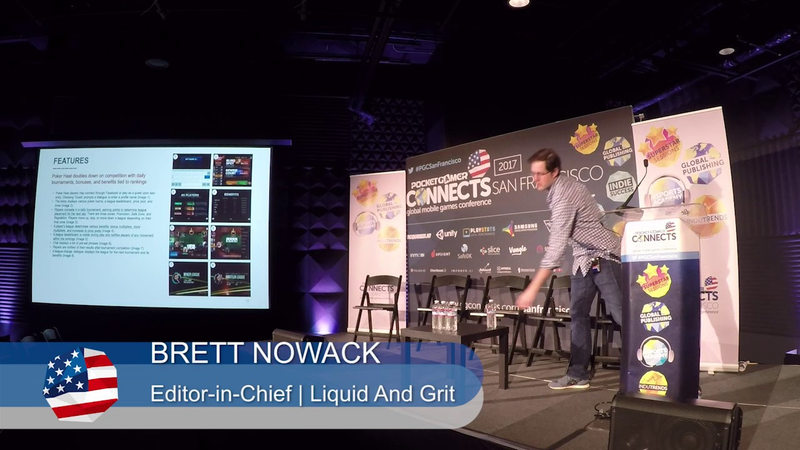
Meta-feature trends in social casino games
The social casino gaming industry is currently undergoing a significant shift in product development, moving away from simple slot-based mechanics toward complex meta-features that prioritize social engagement and long-term retention.
- Social casino developers are shifting from simple slot mechanics to complex meta-features to improve long-term retention and competitive differentiation.
- Industry growth is increasingly driven by social engagement tools, specifically the adoption of clubs and leagues that facilitate team-based competitive play.
- Developers are implementing multi-layered progression systems, such as quest-based challenges and level-difficulty customization, to better serve both casual players and high-spending VIPs.