Riot
Company
Documents about Riot
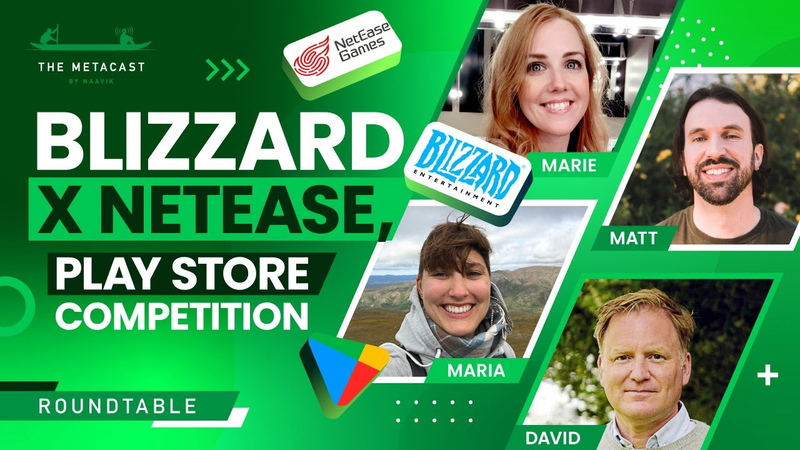
Why Blizzard Didn’t Renew NetEase Partnership and What’s Next? - The Metacast by Naavik
The gaming industry is currently undergoing a significant structural shift characterized by cross-platform expansion, the integration of generative AI, and intense scrutiny of platform distribution models.
- Google’s 'Project Hug' initiative utilized hundreds of millions of dollars in financial incentives to major developers like Activision Blizzard and Riot Games to discourage the development of competing app stores and maintain the 30 percent platform fee.
- The Blizzard-NetEase partnership collapsed primarily due to Blizzard’s demands for higher revenue shares and the pursuit of global mobile IP development, exposing the volatility of international publishing in restrictive regulatory environments.
- Mobile-first studios, exemplified by Gameloft’s Disney Dreamlight Valley, are increasingly adopting cross-platform strategies to reduce market volatility and expand their reach beyond mobile-only audiences.
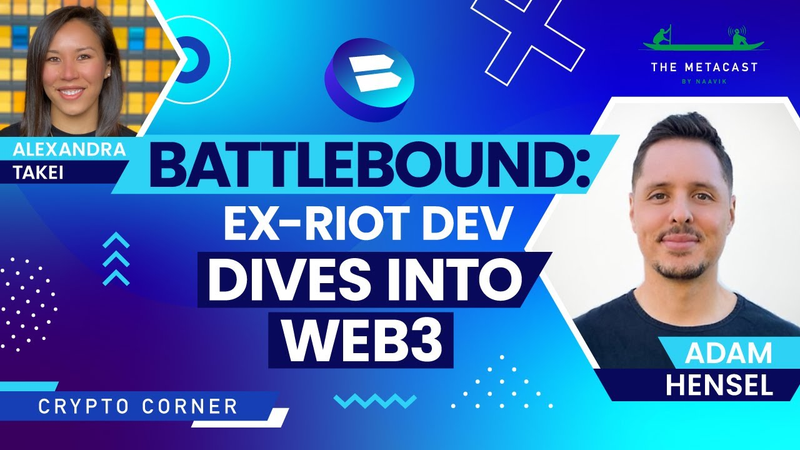
Battlebound: Ex-Riot Dev Dives into Web3 - The Metacast by Naavik
Battlebound is positioning itself at the intersection of traditional free-to-play gaming and blockchain integration, with the primary objective of creating a sustainable, competitive multiplayer universe known as Evaverse.
- Battlebound is prioritizing a web2-friendly user experience for its Evaverse title, allowing players to access the game on platforms like Steam without requiring crypto wallets or NFT knowledge.
- The studio is adopting a 'games-first' methodology, focusing on refining core gameplay and achieving product-market fit before integrating complex tokenized economies or decentralized governance.
- To circumvent restrictive platform policies and maintain operational autonomy, Battlebound is developing a proprietary game launcher to facilitate multi-platform scaling.
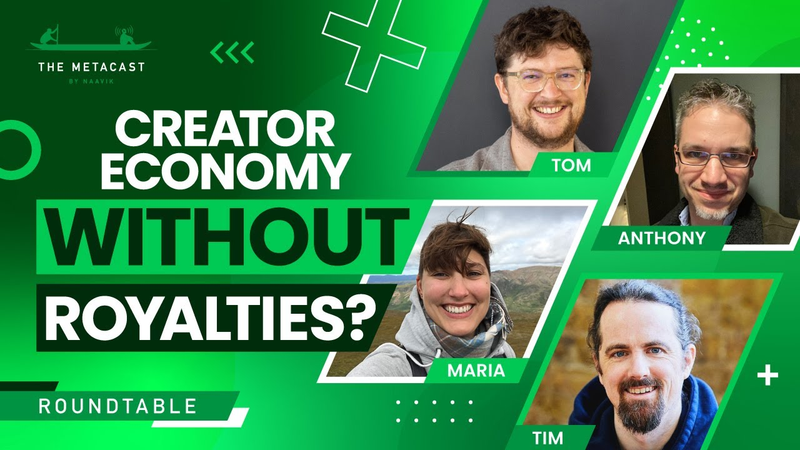
Why Did Magic Eden Make Creator Royalties Optional? - The Metacast by Naavik
Riot Games’ acquisition of Wargaming Sydney serves as a strategic maneuver to secure specialized technical expertise for its upcoming League of Legends MMO.
- Magic Eden’s shift to optional creator royalties highlights the structural fragility of NFT marketplaces, where a lack of protocol-level enforcement triggers a race to the bottom on fees.
- To ensure long-term viability, NFT marketplaces must pivot away from transaction-fee reliance toward alternative revenue models like value-added services and paid placements.
- Riot Games acquired Wargaming Sydney to secure specialized expertise in the BigWorld technology stack and live-service operations, specifically to de-risk the development of its upcoming League of Legends MMO.
The Snowball Changing the Games We Develop - The Metacast by Naavik
The global gaming industry is currently undergoing a structural transformation driven by shifting distribution models, aggressive sovereign investment, and restrictive platform policies.
- The gaming industry is shifting toward subscription-based ecosystems, exemplified by Riot Games' integration into Xbox Game Pass, to maximize player lifetime value through cosmetic-heavy economies.
- Apple’s privacy-focused restrictions on ad-tech fingerprinting are forcing developers to pivot away from traditional user acquisition toward internal data optimization and in-game personalization.
- Saudi Arabia’s Public Investment Fund, via the Savvy Gaming Group, is aggressively acquiring stakes in major publishers like Nintendo, EA, and Embracer Group as part of a national economic diversification strategy.
TWIG #180 Ex-Blizzard / Riot executives as founders. Opportunity or threat?
The studio One More Game (OMG) recently secured $22 million in funding to develop its debut title, Spellcraft, a PC-focused competitive strategy game.
- One More Game (OMG) secured $22 million in funding from Lightspeed Venture Partners and Griffin Gaming Partners to develop its debut PC strategy title, Spellcraft.
- OMG founders Pat Wyatt and James Windsor are viewed as credible exceptions to industry skepticism because they previously co-founded ArenaNet and successfully launched the Guild Wars franchise.
- The industry is seeing a trend of venture capital firms aggressively backing startups led by veterans from major studios like Blizzard and Riot Games, despite many of these ventures having yet to ship a commercial product.
Ukrainian Game Studios are Fighting Back | Games ReCAP
The Ukrainian game development industry has responded with unified defiance following the Russian military invasion of Ukraine.
- Major Ukrainian studios including GSC Game World and Frogwares have suspended operations and prioritized staff evacuation following the Russian invasion.
- International gaming companies, such as Bungie, CD Projekt Red, and the developers of the Metro series, have pledged game sale proceeds and direct donations to organizations like the International Red Cross, Save the Children, and Project Hope.
- Riot Games has suspended regional esports tournaments to address the instability caused by the ongoing conflict.
Blizzard Under Fire | Roundtable News
Activision Blizzard currently faces a critical juncture defined by severe legal challenges and shareholder pressure stemming from allegations of systemic sexual harassment, workplace discrimination, and a pervasive toxic culture.
- Activision Blizzard, Riot Games, and Ubisoft are facing a systemic cultural crisis characterized by widespread allegations of sexual harassment and workplace discrimination.
- The industry’s reliance on opaque, negotiation-based compensation structures has created significant workforce resentment and perceived pay inequity.
- To mitigate internal instability and talent loss, gaming companies are being urged to implement standardized, merit-based pay scales and transparent salary ranges.
TWIG 144: Riot makes $100M on mobile. Micenuts?
Riot Games has generated over $100 million in global mobile player spending across its portfolio, a figure that, while significant in isolation, represents a modest contribution relative to the publisher’s annual PC revenue of $1.5 billion to $2 billion.
- Riot Games has generated over $100 million in total mobile player spending, led by League of Legends: Wild Rift ($65 million), Teamfight Tactics ($28 million), and Legends of Runeterra ($16 million).
- Despite the $100 million mobile milestone, these earnings remain a modest fraction of Riot’s annual PC revenue, which typically ranges between $1.5 billion and $2 billion.
- Mobile adoption remains limited, with Wild Rift reaching 50 million installs, while Teamfight Tactics and Legends of Runeterra have only achieved 6 million and 3 million installs, respectively.
Data Informed Decisions with the Champions of League of Legends
Riot Games employs a sophisticated, data-informed strategy to manage the character roster of League of Legends, balancing quantitative engagement metrics with qualitative sentiment research.
- Riot Games utilizes a 'breadth versus depth' framework to measure champion engagement, where breadth tracks the number of unique players and depth tracks the frequency of play per user.
- Champion updates, such as the rework of Akali, create significant spikes in play rate driven by both existing players and new users attracted by updated visuals and gameplay kits.
- Mass champion surveys are used to collect sentiment data on non-gameplay attributes like personality, voice, and visuals, allowing developers to understand player affinity beyond raw telemetry.
TWIG 128 | Epic Will Lose $300M on Game Store, Epic Raises $1B at $30B, Apple/Google Kill F2P?
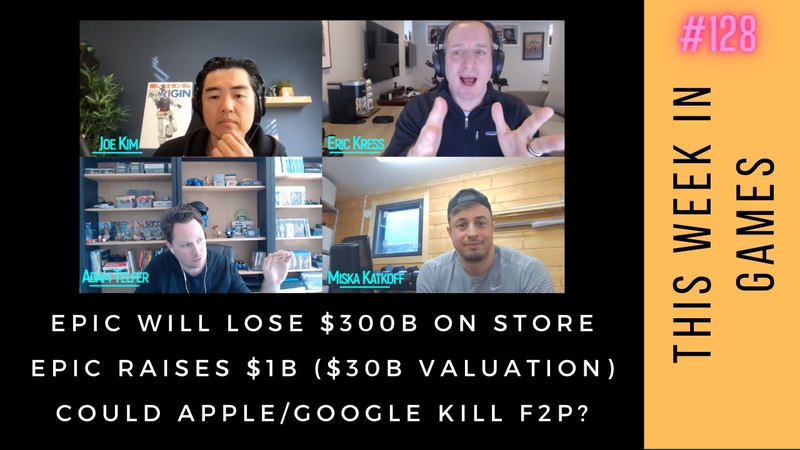
The gaming industry is currently navigating a period of significant financial and structural transition, characterized by aggressive platform expansion, shifting monetization models, and evolving regulatory landscapes.
- Epic Games secured $1 billion in new funding at a $30 billion valuation to support its metaverse development, despite the Epic Games Store projecting $600 million in losses by the end of 2021.
- The Epic Games Store struggles with long-term profitability due to a lack of social features and platform stickiness compared to competitors like Steam.
- Mobile gaming faces significant headwinds from Apple’s App Tracking Transparency and the limitations of subscription services like Apple Arcade, which currently fail to incentivize long-term content development.
How to Go from Good to Great
The transition from a mediocre creative team to a high-performing unit requires a fundamental shift from hyper-competitive individualism to a culture rooted in vulnerability and collective growth.
- Riot Games transitioned its visual effects department from a toxic, ego-driven environment to a high-performing unit by replacing scapegoating with a culture of vulnerability and collective growth.
- The implementation of 'campfires'—structured, informal gatherings—was the primary mechanism used to dismantle interpersonal barriers and foster open communication among artists.
- Long-term creative success is driven more by soft skills like adaptability and openness to feedback than by immediate technical proficiency.
League of Legends | Product Lessons from 10 Years of Operations (Paul Bellezza Riot Games)
Operating a global title like League of Legends requires a fundamental shift away from Western-centric development toward a model that respects diverse international cultural standards.
- Long-term product sustainability requires the discipline to prioritize high-impact initiatives while strategically declining lower-value requests to protect the development roadmap.
- Developers must balance community feedback with core gameplay integrity, as evidenced by the failure of the Dynamic Queue system, which eroded competitive foundations by prioritizing convenience over skill.
- Global scaling requires moving away from Western-centric development in favor of rigorous research into regional aesthetics, heroism, and color palettes to ensure content maintains perceived value across diverse markets.