Mega
Company
Documents about Mega
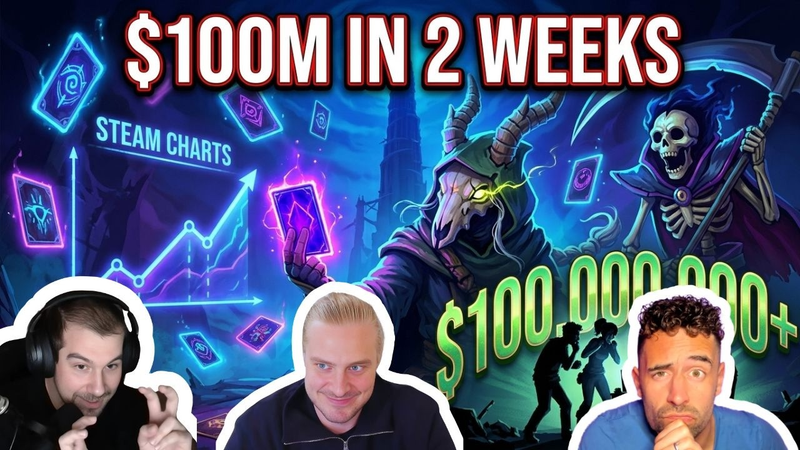
Why Slay the Spire 2 exploded: Review
Slay the Spire 2 has established a new benchmark for indie success, generating over $100 million in revenue within its first two weeks of early access.
- Slay the Spire 2 generated over $100 million in revenue within its first two weeks of early access, with long-term projections estimating total earnings between $250 million and $500 million.
- The game’s launch was driven by massive organic momentum, supported by 2.5 million wishlists and a pre-existing community of 670,000 Reddit users.
- The title achieved significant market visibility during its initial launch week, recording 4 million hours of viewership on Twitch.

💰 Mini-Games = Mega Revenue: Inside China’s gaming revolution
China’s mini-game sector has emerged as a dominant force in the domestic digital economy, generating $5.6 billion in revenue in 2024 with projections to reach $6.5 billion by 2025.
- China’s mini-game market generated $5.6 billion in 2024 and is projected to reach $6.5 billion by 2025, supported by 600 million monthly active users.
- The sector is shifting from ad-based revenue to in-app purchases, driven by a transition toward complex, high-retention genres like strategy, MMOs, and idle games.
- Mini-games bypass traditional mobile app store fees and the time-consuming ISBN licensing process by operating directly within platforms like WeChat, Douyin, and Alipay.
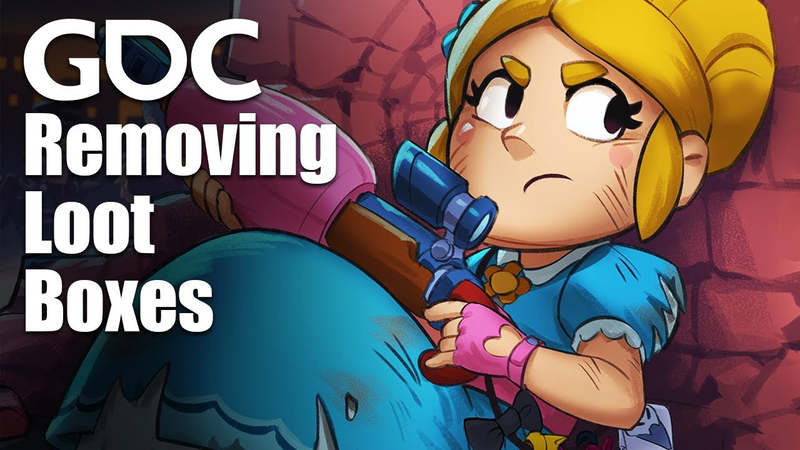
Brawl Stars': Learnings from the Removal of Loot Boxes
Brawl Stars underwent a significant strategic pivot between 2021 and 2024 to combat declining engagement and revenue, moving away from a reliance on loot boxes toward a more transparent, deterministic progression model.
- Removing loot boxes from Brawl Stars initially caused a decline in engagement, forcing the team to pivot toward a system that balanced player choice with long-term progression.
- The introduction of 'Stardrops' and a re-engagement program for returning players resulted in a 60% month-over-month increase in Daily Active Users (DAU).
- The team learned that shipping multiple major changes simultaneously creates 'noise' in data, making it difficult to isolate the impact of individual features on player behavior.

Squad Busters is Pay to Win: True or False? LEAKED Global Launch strategy. Big game review! (#107)
Squad Busters represents a strategic pivot for Supercell, moving toward a live-ops-heavy model that leverages the company’s existing intellectual property to drive massive global scale.
- Squad Busters is scheduled for a global launch on May 29, following a soft launch period that utilized cross-game promotional rewards in titles like Clash Royale to drive nearly 5 million pre-registrations in three days.
- The game incorporates pay-to-win mechanics through consumable 'mega units' with high health stats (e.g., 11,000 HP) and a gacha-based chest system where players can spend currency to maintain win streaks and increase reward quality.
- The core gameplay loop prioritizes farming and survival to maintain win streaks, as the difference in rewards between first and second place is negligible compared to the benefits of staying in the top five.
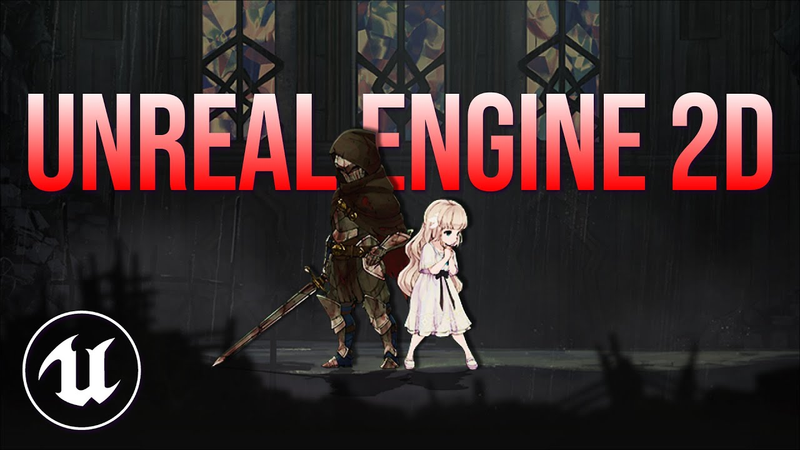
Can You Really Make A 2D Game In Unreal?
Developing 2D games within Unreal Engine is a viable, albeit often overlooked, path for independent developers.
- Unreal Engine is a viable platform for 2D development, evidenced by the success of professional-grade titles such as Octopath Traveler and Ender Lilies.
- The engine's licensing model is highly favorable for independent developers, requiring no royalty payments until a project generates $1 million in gross revenue.
- Performance testing confirms that 2D projects in Unreal can maintain stable frame rates exceeding 300 FPS on hardware like the Steam Deck, debunking concerns that the engine is too resource-heavy for 2D.
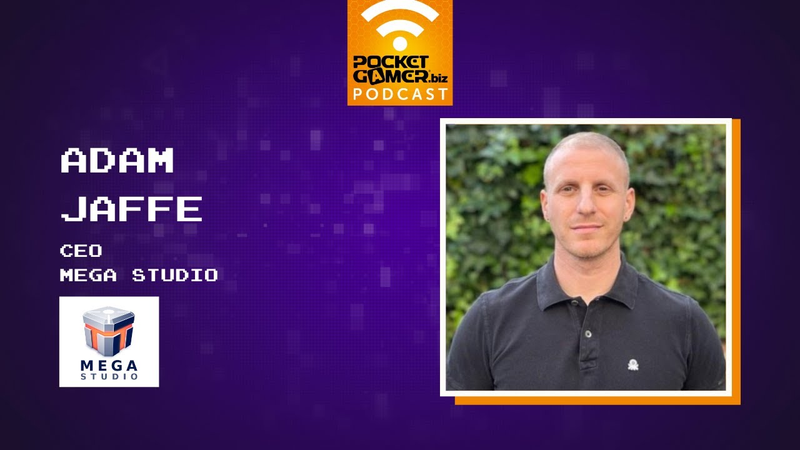
Mega Studio’s Adam Jaffe On The Impressive Benefits Of Incentivised Traffic
Incentivized traffic has transitioned from a low-quality acquisition tactic into a sophisticated, high-performance channel capable of delivering retention rates 40% higher than non-incentivized cohorts.
- Incentivized traffic can drive retention rates that are 40% higher than non-incentivized users by creating a 'railed environment' where developers can guide players through specific, high-engagement paths.
- The responsibility for incentives has shifted from the game developer to the publisher or media company, which now often provides direct rewards like gift cards or vouchers to users who reach specific in-game milestones.
- Incentivized traffic serves as a critical data signal that allows developers to understand exactly why a user downloaded a game, enabling more precise benchmarking of LTV and behavioral patterns compared to organic or non-incentivized traffic.
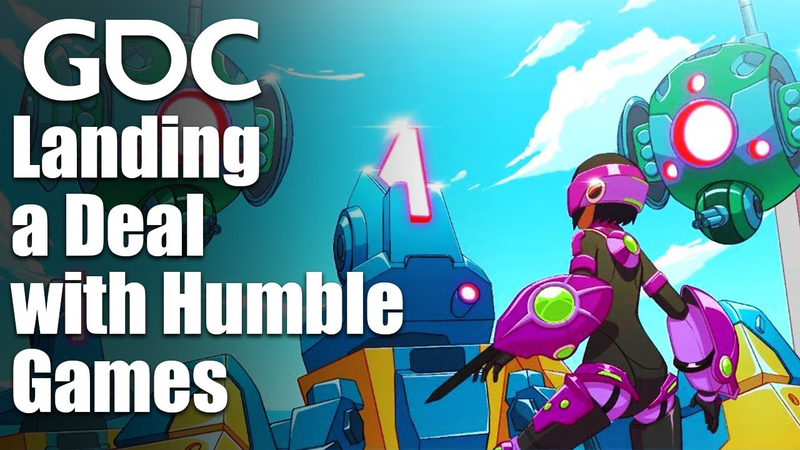
Finding Inspiration and Planning Luck: A Story of a Solo Dev-Dad of Color
The development of Protodroid DeLTA serves as a case study for the viability of solo game creation when balanced against the demands of professional life and fatherhood.
- Solo developers can mitigate the risks of independent game creation by using an iterative development process that aligns ambitious design goals with the practical constraints of limited time and resources.
- Success in the competitive gaming industry is best achieved by treating networking, recruitment, and outreach as statistical probabilities to manufacture opportunities for partnerships and publishing deals.
- Sustaining a multi-year development cycle while balancing professional and family responsibilities requires a disciplined schedule of working nights, weekends, and vacation time fueled by a clear personal mission.
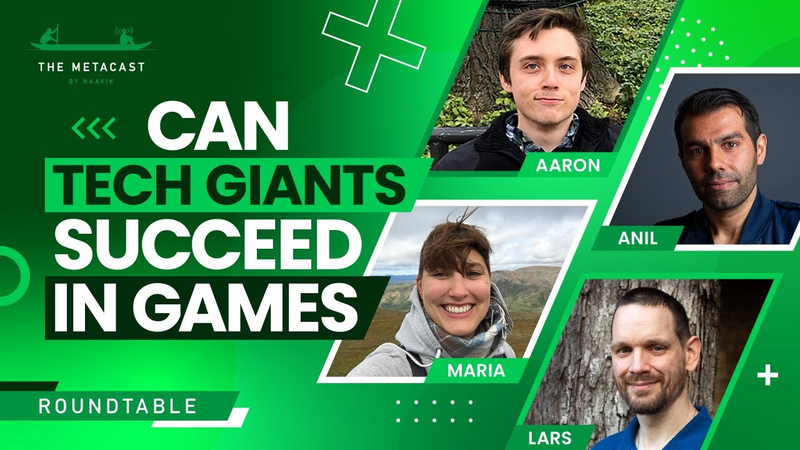
Rise of The Mega-Investors: Tencent & Savvy Gaming Group - The Metacast by Naavik
The global gaming industry is currently undergoing a period of intense consolidation and strategic realignment, driven by the emergence of mega-investors such as Saudi Arabia’s Savvy Gaming Group and the international expansion efforts of Tencent.
- The gaming industry is shifting toward a centralized model driven by mega-investors like Tencent and Saudi Arabia’s Savvy Gaming Group, which prioritize large-scale asset accumulation over traditional competitive dynamics.
- The failure of Google Stadia demonstrates that massive financial backing cannot overcome a fundamental lack of alignment with gaming-specific consumer behaviors and technical ecosystem requirements.
- Supercell maintains a high-threshold development culture that prioritizes multi-billion dollar hit potential, strictly abandoning projects that fail to meet extreme user retention standards.
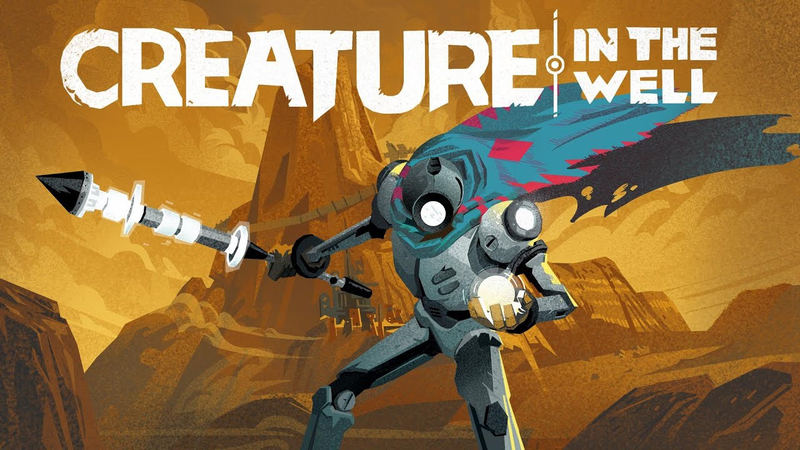
Creature in the Well with Bohdon Sayre | Game Dev Unchained Episode 205
The development of Creature in the Well demonstrates the efficacy of a lean, two-person core team operating within a disciplined 18-month production cycle.
- A lean, two-person core team successfully developed Creature in the Well by adhering to a disciplined 18-month production cycle.
- The developers utilized iterative prototyping and strict scoping to synthesize a unique pinball-inspired hack-and-slash mechanic.
- External partnerships for marketing and porting allowed the small team to maintain production focus while securing visibility on platforms like Nintendo’s Indie World.
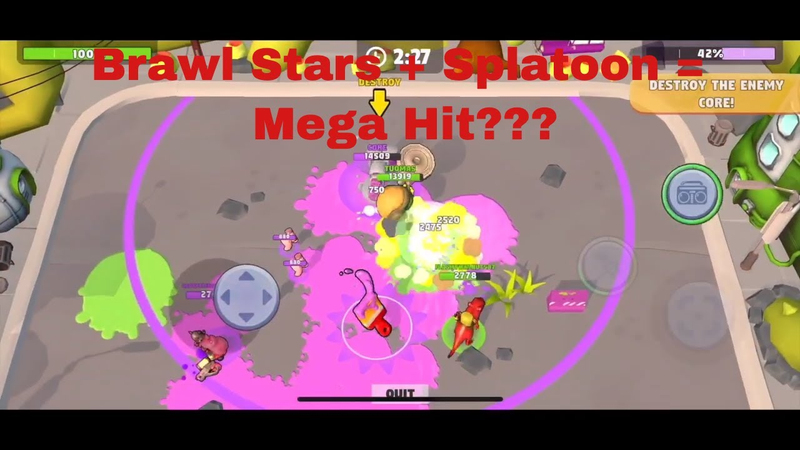
AskGM #3: Can Splatoon + Brawl Stars = Mega Hit? | Action.Reaction Studio Indie Game Development
The development of a 3v3 mobile multiplayer title blending Brawl Stars-style combat with Splatoon-inspired territory control mechanics represents a high-stakes entry into the competitive PvP market.
- A four-person studio achieved a 40% Day-1 retention rate in beta testing across Finland, the UK, and Canada by blending Brawl Stars-style combat with Splatoon-inspired territory control.
- Independent teams should prioritize a single North Star metric, such as Day-7 retention, to guide feature development and prevent scope creep.
- The ICE (Impact, Confidence, and Ease) framework is essential for evaluating feature additions against limited development resources to ensure high-value outcomes.
Games You Might Not Have Tried - ep 15 - September 2018 Edition - Extra Credits
The September 2018 edition of the series Games You Might Not Have Tried focuses on highlighting unique, quirky, or mechanically interesting titles that offer value to players and designers alike.
- The Painscreek Killings demonstrates that effective murder mystery design relies on genuine player deduction rather than relying on guided quest markers.
- Yoku’s Island Express serves as a successful case study for blending disparate genres by integrating pinball mechanics into a Metroidvania-style progression system.
- 20XX illustrates how roguelike elements can be effectively applied to established action-platformer formulas like Mega Man to create new gameplay loops.
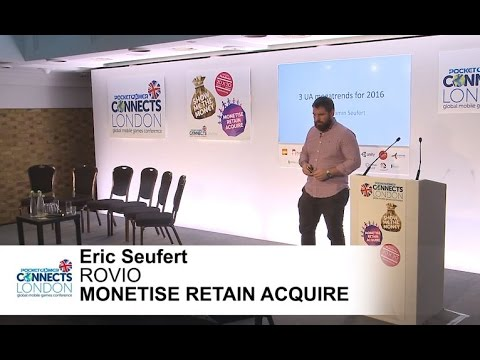
3 User Acquisition Mega Trends for 2016
The mobile gaming industry in 2016 is defined by a shift toward video-centric advertising, the consolidation of walled gardens, and the professionalization of user acquisition (UA) strategies.
- Video advertising is the dominant growth format, projected to capture nearly 50% of all mobile ad spend by 2018.
- The user acquisition landscape is bifurcating, as high costs for advanced analytics and attribution tools create significant barriers for mid-market developers.
- Walled-garden platforms are increasingly controlling both inventory and measurement, forcing developers to rely on their deterministic tracking capabilities to avoid inefficient spending.