1 free read left. Create a free account for unlimited reading + AI research.
Create free account
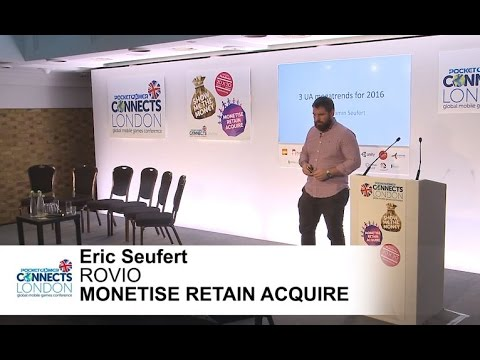
3 User Acquisition Mega Trends for 2016
Key insights
7 takeaways- 01Video advertising is the dominant growth format, projected to capture nearly 50% of all mobile ad spend by 2018.
- 02Developers are increasingly leveraging second-screen experiences to complement television content, using social dynamics and time-limited engagement to drive in-app purchases.
- 03The user acquisition landscape is bifurcating, as high costs for advanced analytics and attribution tools create significant barriers for mid-market developers.
- 04The industry is shifting toward managed services for user acquisition, allowing developers to outsource complex operations to agencies and focus on core product development.
- 05Independent studios are successfully scaling through organic, product-driven growth and global-first mentalities, bypassing the need for traditional paid marketing.
- 06Walled-garden platforms are increasingly controlling both inventory and measurement, forcing developers to rely on their deterministic tracking capabilities to avoid inefficient spending.
- 07Multi-device attribution remains a critical industry challenge, as the inability to track user behavior across platforms leads to reliance on punitive view-through attribution models.
Ask AI about this video
Transcript
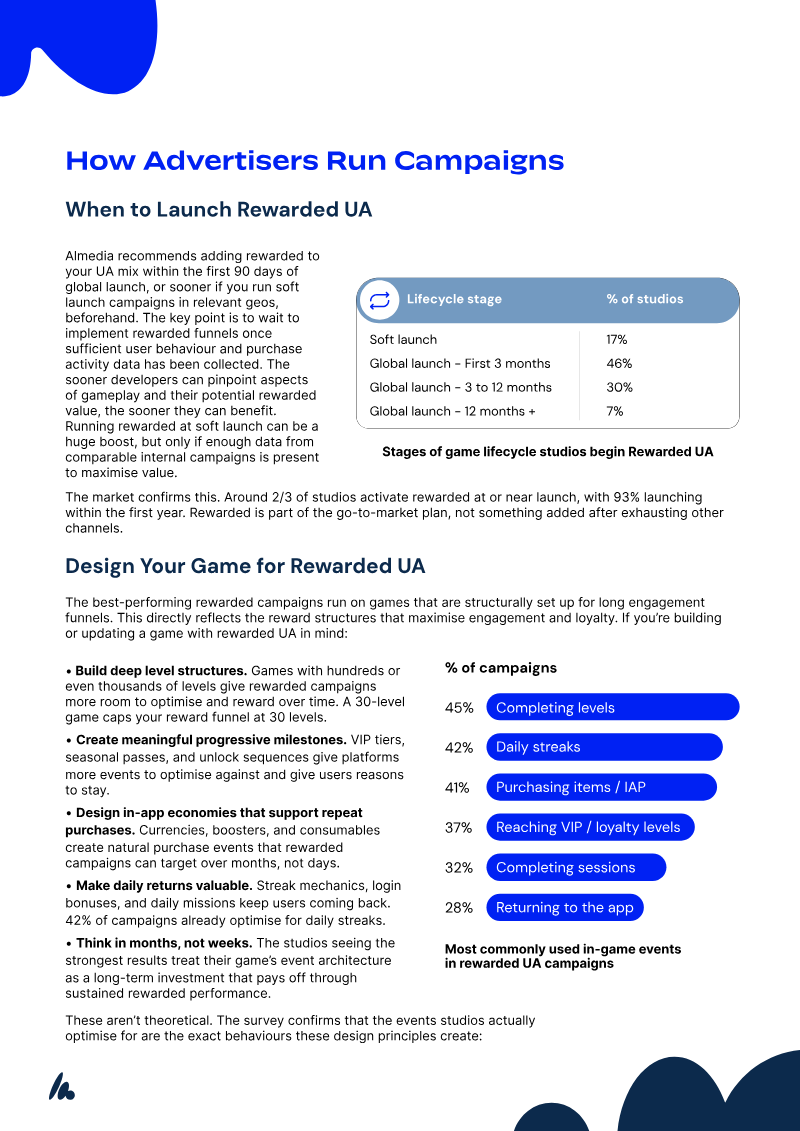
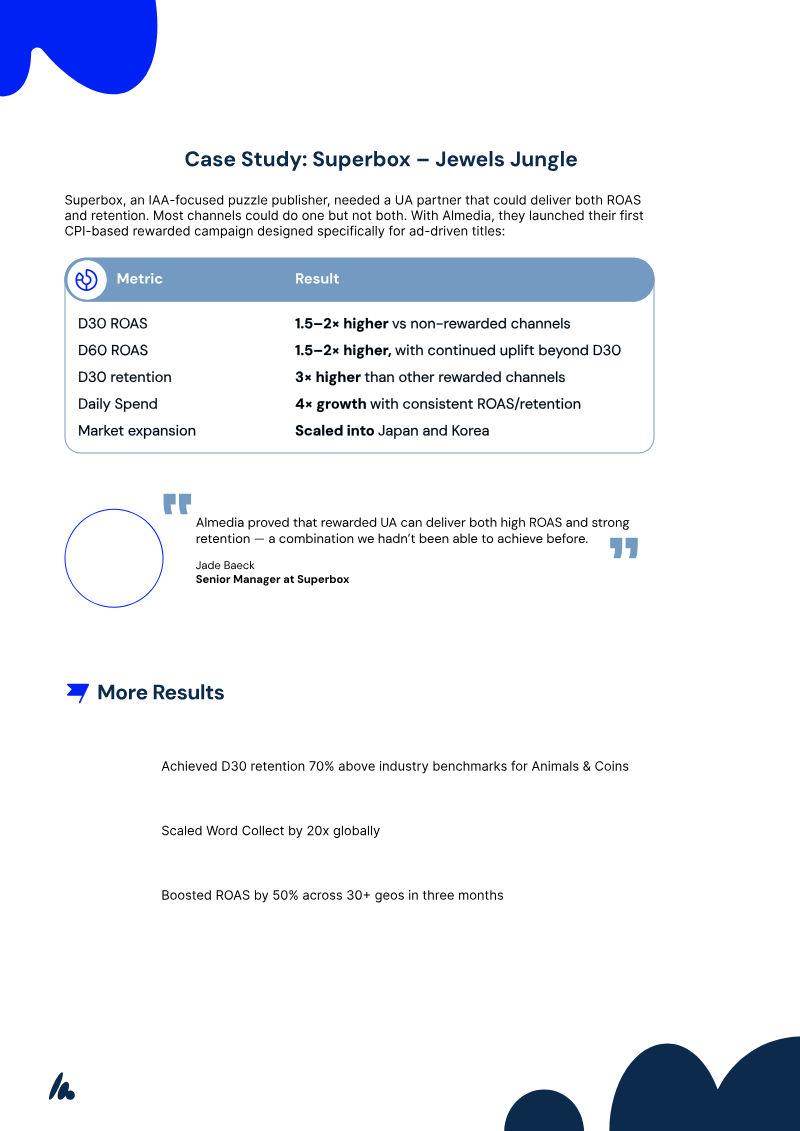
so yeah john mentioned i did this presentation last year and so decided to resurrect it for this year so it's 33 you a mega trends for 2016 so just a bit about myself i wrote the book freemium economics I'm the VP of user acquisition at rovio and I run their website mobile dev memo calm so I like took the the presentation file from last year and then just filled it in with stuff for this year so like the format is stuff that happened in 2015 and then three things that I think will happen in 2016 so kind of taking a look back on 2015 what happened so the first oh I meant to edit this that's supposed to say
continued surge of video not mobile that's all that's obvious uh yeah continued surge of video ads so yeah I mean from from 2.62 billion to projected like six billion in 2018 so I mean video is obviously the sort of big important probably dominant format for mobile ads going forward and you see that as a percentage it kind of tops off at nearly half in 2018 so the continued decline of the mobile web is another big big mega trend in 2015 so you see here that you know by q2 just less than ten or ten percent of time on mobile spent in the browser and with increasing time spent on mobile I think it's important because
you know obviously the the app is the way people interact with content on mobile but but probably more importantly than that I mean it thinking about user acquisition mobile webs doesn't really seem viable that's not where you can reach people it's not the most sort of comfortable way to consume content on mobile and it's also really really difficult to to sort of engineer the the kind of key metrics that you need to to be good at on mobile in order to build a business right so it's really hard to engineer kind of retention on mobile or sort of like engagement or to sort of like constrict engagement to you know specific amounts of time so i think you know just kind of like wrapping that up conceptually it means that i don't i don't see the mobile web as being kind of a discovery mechanic so the rise of
the viral gimmick app so there's any number of examples of these some of these were released in 2014 but I think all of these got really big in 2015 and ketchup is not an app it's the company that makes apps but you know in 2015 they kind of hit their stride I think in terms of just being able to release stuff and and scale it up really quickly so this is dubsmash on the left which is the kind of video messaging app out of Berlin so there's kind of two interesting things here so one is you know there was this sort of like bifurcation in terms of marketing strategy I think that you saw take take root in 2015 and so what that means is okay well you know you had the sort of depth of gameplay that you'd expect from like freemium apps but then you had this sort of like very superficial one-dimensional gameplay type that kind of emerged in these viral apps and so you know one thing that a lot of these
companies have in common is they were made by companies that are just Indies right they have no money for marketing and they they didn't spend anything on marketing and so that became a strategy in and of itself the writing that's really like product-driven strategy we're going to make this type of game because this type of game can possibly take off virally whereas like the you know full freemium economy game can't another thing that's interesting about these companies and you know so like I chose these these deliberately is that none of these are space the US are like a big or even like a big tech hub dubsmash space in Berlin you could argue that's a big tech hub but the rest of them are from you know the hinterlands in terms of tech and you know that's interesting to me because it almost you know makes a case for not being located in a big tech hub if you want to make these kinds of apps because well AI mean capital constraints so it's just easier to do it outside of places that are expensive and then you know be I think I I do think there's this kind
of mentality that comes with being based in a not tech hub that sort of like forces you to think really globally and I I definitely you know having i worked at skype earlier in my career and i think that was very much part of why skype became popular was this you know built-in in a tallinn estonia which is you know a small city and the mentality from the very beginning was like well this isn't going to be a viable business if we focus on the domestic market or even in the European market it's got to be global from day one and I think it's easier for people that live in non tech hubs to think that way it's also easier to not get caught up in the echo chamber of VY Diaz that that Silicon Valley can sometimes represent so another issue was the growing impact of add fraud um so this hasn't I don't think this has started costing developers appreciable amount of money yet but I do think in 2016 it will so it's it's it's something that is kind of like worrisome and but
the problem is only going to get sort of worse but I think in 2015 you saw that start to become a problem and the incipient development of walled gardens and I'll get into this actually here so there's a couple things so one so Facebook brought this instant article content format on to the newsfeed and what that does is it loads that content really fast so you can instantly see the whole article within the within the facebook news feed without clicking outside of Facebook and it's faster I mean if they cash that so if for you to click out it actually take much slower to consume the content so how is that a walled garden and how does it relate to mobile advertising well obviously if they start doing that with other forms of content that really could become an issue for promoting your own app right i mean if facebook wants you to consume all content in its app where does it stop i mean it does it stop it like sort of text-based content a video
how far does this go then so YouTube Google is big basically tried to start trap only allowing people to traffic ads on YouTube with their own with their own ad traffic and tools and so I mean honestly they own that they own inventory why shouldn't they do that but but again it's becoming a walled garden right you want to advertise on YouTube which arguably is the most important video ad network on mobile well then you have to do it with with Google tools it's going to monetize you exclusively and I'll get into a get into sort of like one of the ways that that kind of impacts mobile advertising later in the in the presentation and then obviously Google trying to bring people on to its platform with analytics and so the guy from google was talking about a/b testing google apps well that is how people maybe test or stuff now so what's the sort of like impact of that well if your are a be testing on google then all
your stuff is optimized for android right and since you can't do that on iOS it does make people kind of think well maybe i can be making more money on android maybe i should focus on android android first so 2016 what's ahead this is a video and it didn't work last year either so this is the scene from Back to the Future so Megatron one so growth of this simultaneous second screen so I mean I just this is kind of clunky the phrasing I made that up I don't know if there's like a a kind of more pleasing way to say it but what I mean by that is so building apps to specifically tie into content that's being delivered on a bigger screen right and that doesn't have in here it's the sort of ipad in the TV but I don't think it has to be like that it could be iPad in movie in the theater or whatever but
there's a couple reasons I think this could could get really big in 2016 so first of all this kind of consumption model supports app features that are most tightly associated with spending money so competition so you can imagine like what is the one kind of type of content that people consume the most of on TV and probably Sports is up there at the top by maybe it's even one specific sport but people get very competitive about that you just kind of look at like FanDuel and those types of companies to see that people are very much invested with their with their money in competing amongst the friends on like fantasy sports and stuff like that so social so obviously you're sitting and watching TV with your friends as a social activity if you can kind of heighten the experience with with some content on your phone it becomes even that that becomes social that's sort of like benefits the the content on the phone benefits from the social setting right and so it's sort of like does break down
that stigma around spending money on IEPs and it's time limited so it happens for a limited amount of time and that obviously kicks in a lot of the psychology around spending money so I think there's a I kind of identify a couple of opportunities here so one is kind of social fantasy sports so people getting together playing a game while watching well while partaking the social activity of being with your friends and watching something on TV egham is bedding I think that one's pretty obvious and that one kind of already is happening with some of the bigger sports betting companies and then content extension i think this this is an interesting thing that i think some companies have tried that i think that there are a couple of apps that you could point to in 2015 that try to do this I think it's really difficult to do because it's it's kind of like manpower intensive but i do think like if you know you were able to get a game of
thrones app say that sort of unlocks content at the same time that you're watching the show sort of like allows you to explore things that you couldn't in the show I think there's like a lot of money to be made in that I mean obviously it's it's it's tough to build that kind of a pin and I'll be you know update cycles make things complicated but I do think that there is kind of like a big opportunity and something like that so the second megatrend shift to manage services and when I when I say managed services I mean add media buying so I ran a survey on my website a couple weeks ago and I just basically asked ok how much I have so much of questions about how people spend money on you a and so this was you a spend in kind of like bucketed ranges so you see that there's basically this like no man's land in that sort of like less than 200 k between like 50k and 200 k there's not really many companies spending in that region and you can kind
of understand why right like so the one dollar to 49,000 that cut it could be like indie studio to us who can afford that and then the you know 200 for 200 k plus you'd see well ok obviously the big app developers are spending that much money but why between 50 k + 200 k s or no one spending money there well there's a number of reasons maybe you know first there's no kind of like middle ground in app success right so i mean there would be no app that where the business case would be sort of like propelled by you know spending in that level but i think another reason is that simply you way people are hard to find and they're expensive and you know you do kind of need some sort of like Minimum Viable infrastructure to even do you a right so the one dollar to 49 k that could just be somebody on power editor but once you sort of advanced past that you do need analytics you need you know attribution that somehow ties in to with your analytic system you start talking about juggling SDKs and you know so it costs you the same amount of money to get all that in places it costs king or whatever
so it just doesn't make sense there's there's it's not like commercially viable to operate you a in that sort of like spend range so it could be though if you were spreading that cost across you know a number of different if you were just a you a company and you were spreading that cost run different clients right and there are agencies that exist but they're not sort of mobile first or not you a first I could see that becoming a part of the industry this year or starting to is you know these managed services that handle you a and then going back to the point around hiring people this is the you a spin broken down by team size and you see the one dollar to 49,000 that's one person right but then it you need you can do that with one person that's manageable but beyond that you need a team and well if you're spending 100 k does it really can you justify having three four people employed as you a managers not really but once you get it to the 200k range you can but then those people you know maybe the reason there isn't a middle class in the app
development world is that well you know because of this phenomenon right you can't get marketing people to work in and that sort of like you know dead zone of spend yet if you had a sort of managed service economy than you thought that that suddenly becomes viable so this is basically just said yeah and I think that you know that the third point is just that you know if you're like an indie game dev it's just a huge distraction for you to try to build out the analytics that you need to do you a properly and you know not not only as expensive but it just kind of that that's vying for your limited time and and and you're not able to sort of like as acutely focus on your mission which is to build great apps and you know great games and mega turn 3 this is like something I see happening I don't know if it's 2016 but I definitely hope it's 2016 so the growth of multi-device attribution so programmatic advertising
seems like it's probably going to pick up in 2016 so I mean II this is some emarketer chart that shows that programmatic will become a bigger percentage of digital display on and then you know as I said videos only going to become more important in 2016 it's the dominant advertising format and so here's some charts that support what I just said so kind of bringing those two things together you're seeing a lot of ad networks who have kind of instituted this this sort of very i would say punitive attribution methodology which is view through right which is so they attribute the views of video ads and they say okay well later you know you're not clicking on anything necessarily but if you viewed the ad then you're attributed to that ad and if you download the install later then that ad network gets that installed and what
that does is creates an opportunity for these big networks especially something like a twitter which you know you're just kind of scroll through to essentially claim all the downloads right they just claimed everything and you know it's really problematic its first of all it's just a bat it's just bad business second of all it's like I said it's punitive it's it's it's not good for developers and third basically that forces you to just choose right so like if I'm gonna do a big video ad campaign and I have the company that has like a lot of inventory and they do view through well then I'm probably just going to go with them because if I don't they're going to claim all the installs anyway I'm just going to end up double pane so what does that mean so if you do that right and you need to scale up well okay if I'm serving video ads on my mobile and I'm also serving video ads in like desktop newsfeed somewhere and I'm also serving video ads on you know iPad something it's impossible for me to really calculate roi unless I can
attribute it attribute the ad views to all those different devices that the user saw them on right so this has to happen if it doesn't people are just gonna be throwing money out the window and I really hope it does happen I'd rather switch away from the view through attribution model but given that that doesn't really seem that likely the multi-device attributions has to happen now though otherwise there's really no way to spend money profitably and basically any sort of video ad spend becomes brand advertising it just becomes recognition and and sort of like saturation ad advertising and that that then creates a barrier to entry for anybody except the biggest and richest developer and so again going back to this sort of walled garden idea well okay if we're doing multi-device attribution the easiest way and sort of like most accurate ways to take the deterministic
approach is to say okay well we could go with like a probabilistic matching thing but it's not going to be accurate I'm google or I'm some big company and I have your user login well then I become the de facto advertiser of choice right because well I can I can tell you exactly who saw this on what devices because they're always logged in when they're using my service I own my own inventory and then it's like well then it makes no sense for me to advertise on different channels just go with the big big big person go the person who's got me logged in who's got my me on every device that I own and who has chosen to go with view through attribution so yeah that's it those are the three ones thanks very much you
Summary
The mobile gaming industry in 2016 is defined by a shift toward video-centric advertising, the consolidation of walled gardens, and the professionalization of user acquisition (UA) strategies. As mobile web usage continues to decline, mobile applications have become the primary environment for content consumption and user engagement. Video advertising has emerged as the dominant format, projected to capture nearly half of all mobile ad spend by 2018. However, this growth has introduced significant challenges, particularly regarding ad fraud and the rise of punitive view-through attribution models, which favor large platforms capable of tracking users across multiple devices.
A notable trend in 2015 was the emergence of viral, product-driven apps developed by independent studios outside of traditional tech hubs. These developers often rely on organic growth rather than paid marketing, leveraging global-first mentalities to scale quickly. Conversely, the paid UA landscape is increasingly bifurcated. Data indicates a lack of mid-market spending, as the high cost of necessary infrastructure—such as advanced analytics and attribution tools—creates a barrier for smaller developers. This environment suggests a future shift toward managed services, where agencies handle UA operations to allow developers to focus on core product development.
Looking ahead, the industry is moving toward the integration of simultaneous second-screen experiences, where mobile apps complement content on larger screens like televisions. This strategy aims to leverage social dynamics and time-limited engagement to drive in-app purchases. Simultaneously, the industry faces a critical need for multi-device attribution. Without the ability to accurately track user behavior across various platforms and devices, developers risk inefficient spending and over-reliance on the deterministic tracking capabilities of major walled-garden platforms, which increasingly control both the inventory and the measurement tools required for profitable growth.

















Comments