1 free read left. Create a free account for unlimited reading + AI research.
Create free account
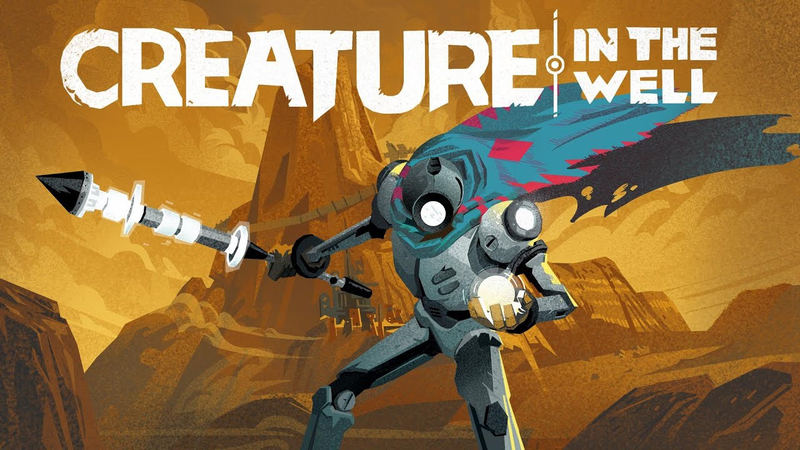
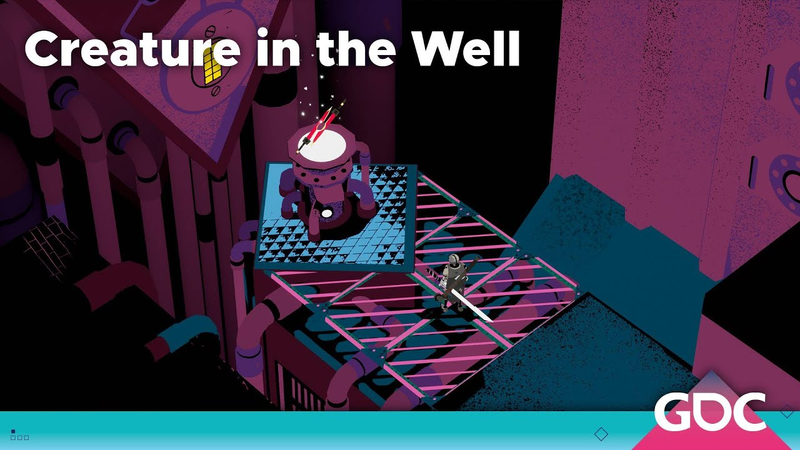
Creature in the Well with Bohdon Sayre | Game Dev Unchained Episode 205
Key insights
7 takeaways- 01A lean, two-person core team successfully developed Creature in the Well by adhering to a disciplined 18-month production cycle.
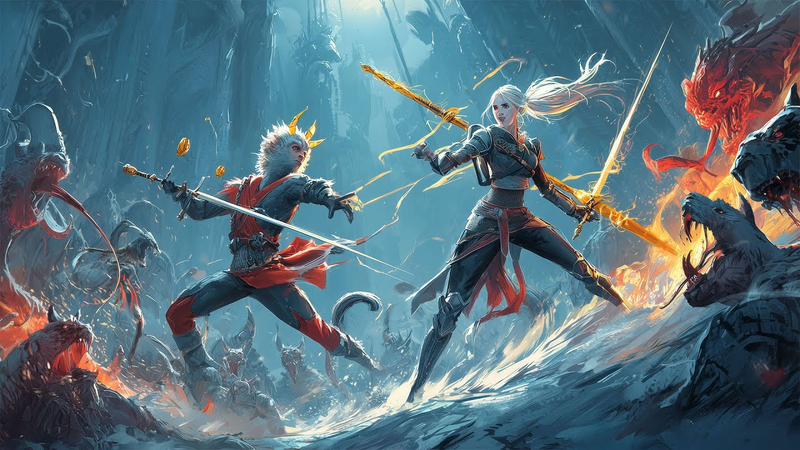
- 02The developers utilized iterative prototyping and strict scoping to synthesize a unique pinball-inspired hack-and-slash mechanic.
- 03External partnerships for marketing and porting allowed the small team to maintain production focus while securing visibility on platforms like Nintendo’s Indie World.
- 04Self-publishing enabled the studio to retain greater control and revenue while leveraging industry networks like the Indie Mega Booth for a simultaneous multi-platform launch.
- 05The team’s background in film and animation was leveraged to create a distinct visual identity that differentiated the title in a saturated market.
- 06Future development strategies prioritize more refined progression systems and clearer player cues to better balance difficulty curves with play duration.
- 07Sustaining a presence in the independent market requires a culture of mutual advocacy and the maintenance of strong personal connections within the industry.
Ask AI about this video
Transcript
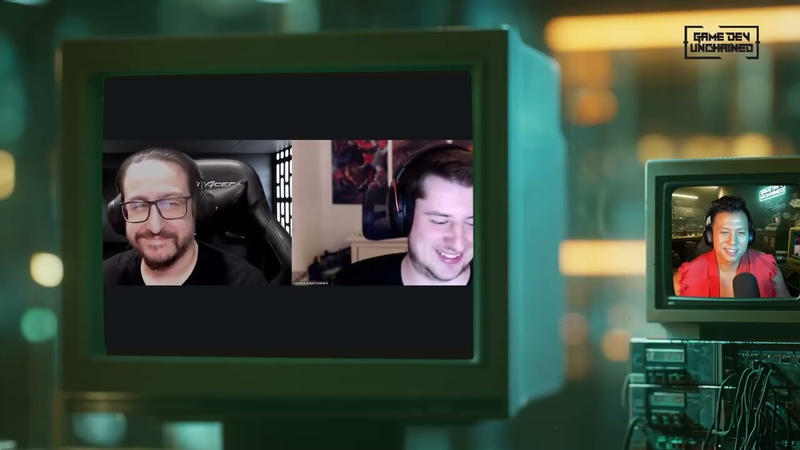
[Music] what's up everybody welcome to another episode of G da Vinci the number one podcast about game development and the lifestyle of thereof I have a special guest with me this week I'm gonna try my best not to hurt his name Bowden ser I doing Bo awesome great area I'm good man so I'm gonna pipe you in so that the audience out there can see your lovely face and this is the part of the podcast Bo that we asked you to kind of introduce yourself to our listeners out there about who you are where you're from where are you heading yeah so my name is Bohdan ser like you said I'm a developer up in Montreal we're part of a team called flight school studio and we just recently put out a game called creature in the well which you may or may not have heard of
on steam switch Xbox and that's kinda that's been our focus for the last year year and a half or so so uh high school city is a very unique name and uh have you heard of creature the well it's been kind of everywhere right now how long has it been since your recent release of that game so the game came out like just two weeks ago a little less actually we came out on the sixth and it's been awesome for us this is kind of like our first larger title I would say flight school is very interesting we have a background in emerging tech and we've done a lot of VR and AR products we do a mix of like our own IP and work-for-hire projects as well so this is definitely one of the like bigger meteor titles that we've put out and we're really we're really excited about it you mentioned a year and a half of production from the very beginning yeah that this is actually a record time even kind of small it's very small and has it
always been planned to be just a year in however you guys are just that expertly yeah kinda so like I said we're kind of a commercial studio so we're used to working on like pretty small projects some of the time or bite size some of them are only like a couple of months some of them are obviously longer and shorter but when we started this the pitchers kind of like we want to run a medium-sized production but we want to keep the team lean and run them for about a year and a half that was kind of the goal we kind of knew that up front so as we were designing it and just kind of scoping out everything we wanted to do that like features of the game and what you would be doing in the game we just kind of kept that in mind and we've always been kind of production oriented in that way so that's definitely been kind of like a goal of ours to do do things a little bit quicker a little bit more efficiently see what we could get out there and a shorter my time yeah I mean that's impressive like it we've been obviously a lot of developers on here and I've never heard that even from a triple-a background especially in an
indie background that a goal was set that was bet usually you know I mean usually would say well I'm not gonna say was perfect but like we got pretty close right you know some of things it wasn't like an extra year or two like we didn't you know we we kept to our guns and in that regard at least so did that mean a lot of sacrifice a lot of tight tightness when it comes to feature creep and all that like how'd you guys litigate those issues yeah it's interesting so like I think it does I think it does translate to that but it's honestly something that we're okay with like when we start with that type of boundary or guideline I think to us it creates like interesting challenges and problems to solve where we just get to think creatively about like how yeah how are we gonna do something we won't necessarily entertain or consider an idea or something that may be way out of scope because you know it's just not what we were trying to do so we took we
took that in mind when we started designing everything from like how we were gonna create assets and texture model and you know build levels and all of that stuff and that kind of just you know seeps its way into each of the little micro decisions you make along the way about how we're gonna accomplish this or get it done given the constraints right mm-hmm and I think there's a lot of areas in which you don't have to limit yourself you can still under those under a guideline like that be like yeah totally let's just do everything we want to do and so I wouldn't say that we really felt that restricted along the way I think we just kind of like had it in our mind soul time and it worked out right I mean how big is to you guys mention you guys offer a different service system is the big first project that you his head under that studio how big is that studio itself and help is videos about yeah sorry the studio is about 30 people total and kind of everybody works on different projects I would say like at any given time there might be like five projects in development at one time and again mixes big and small ones and stuff
the core team on this project is on the smaller side it was just two people myself in a another developer Adam Volker and but what's cool is that we get to leverage people from other projects if they have downtime so it's definitely not like a two-person job we got to borrow some modeling time and animation time and we obviously add audio teams from like the rest the group that helped us out but yeah it was it was a very the goal was like a lean team that ran for longer so that was kind of our endeavour for this I think an average project of flight school was probably around like five people we've done projects that have like 10 15 people on them for certain periods of time will ramp up or down depending on like the type of project or the client or things like that this was on the smaller team size and longer schedule size for us right so obviously this is a you're a big part of of its success and its development is between you and the other programmer I'm assuming right he's
the artist I'm the program area you're the programmer he's the artists Wow very well-spoken program yeah I mean that's even more impressive like a two-man team and obviously you guys have branched off and pitched this internally before it got greenlit right yeah and how was that process going was it always planned that the the studio itself would try to do something on its own in a small way and then bring it up that's such a such a long story but I'll try to like I guess some rep so Adam and I though their person on this team we've been working together for a very long time like almost 10 years I think if not more so we have like a really good understanding of how to work with each other and how to like figure stuff out and the people that are also a part of high school we've known or had worked with for a long time as well even before flight school existed kind of we
were there together when we started the company so there's a lot of like knowledge and familiarity between the team so to us we kind of had this really like unique advantage that we were able to pitch something and get approval from the rest of the team that like yeah we're gonna allow you guys to kind of go heads down and work on this thing that you want to do to try to push into a little bit of a new media a new area for flight school right but yeah we definitely did like prototypes and ideas we came up with actually like three or so just game mechanics and ideas and we did art a little bit of our development and like other things up front and then we just kind of looked at all the ideas compared them met with the group of like creative directors that exist at the company to try to like pro and con each idea and think about what would be the best and then we kind of picked one and went forward with it and at the same time we were also the endeavour was also to start a branch in Montreal so the studio is based in Dallas everyone but
the people who worked on this project are in Dallas so we were kind of aiming to break into Montreal and because it's a great gaming community and also because we're kind of connected to another studio that has a presence in Montreal so we were doing a couple of things at once as we kick this off it's very weird and unique like it's it's not a common story I guess I would say yeah I mean but it's an exciting story especially working it is and because the one number one thing with indie development or at least a small game right is that there are realistic constraints when it comes to the I'm and money right yeah so to have like a service on a side that there's like you guys have you said year and a half year and a half we are good there are not gonna be any weird circumstantial changes that's going to affect the the design of the game definitely and we're reporting to somebody else so I think it makes it easier for us to feel the pressure of like yeah we're delivering this you know
we're working for a company we're not just like pulling money out of our own pockets which I guess like there's there's equal pressure on both places but mmm yeah so the premise of the game is very unique right yeah combining pinball and hack and slash and a little ping pong like is this something that you guys just smashed together or was something brewing for a long time where you felt like you know I love pinball machines you need to be invented from Island retrofitted to to the future audience here there was some inspirations for sure it did kind of I feel like it came out of nowhere at the beginning of last year when we started the prototype and kind of had the one-liner ideas but like I was playing a lot of rocket League and that mobile game balls were you like pull back pull down on the ball and then shoot around that's like breakout basically and we wanted to make an adventure game we had a bunch of other inspirations and games that we both loved and wanted to work
into this so I think at the time we just come up with this like real simple it's Zelda but you're playing top-down air hockey with the ball that well like bounces around and it's all like two-dimensional you know top-down and then once we started to prototype that it really started to evolve into something more like puzzly and single-player based we added like bumpers and what I would call basically breakout bricks you know that you could like hid and they would explode and things like that which later evolved pinball wasn't one of the first inspirations ironically but once we started getting farther down the road we're like this is a lot like pinball we shouldn't kind of use that term to like help explain its people so that it has some you know amount of familiarity and we don't have to just have this long conversation every time we're trying to explain what the heck the game is right I think that's one of the most common pitfalls or it's just being able to communicate directly - yeah very quickly key words that when anybody plays telephone is able to communicate your ideas directly which is one of the
biggest things and comfort of working at a but yeah his things yeah I would credit to like the players cuz when we first announced the game at GDC this year we were just like you eager to listen to what everybody was describing it as to their friends so they like would come up with these combinations of like you know to things like hack and slash pinball or whatever and we're like okay yeah that one's actually pretty good if that one's accurate and we tried to like figure out what's the most easy and intuitive way to describe it you know and someone called it like someone called sorry this is a Diablo breakout I think okay I'm so I'm very interested in the at the beginning stages so it will take several stages to creature in the well and in more background of the studio the beginning stages of prototype and game was this part of the year and a half as
well how long did that take yeah was that plan accordingly to time box like we're gonna figure this [ __ ] out in six months or less or something how does that work yeah so we started with like you know a very raw prototype in I think February of last year and then we just kind of hit the ground running knowing we were like working up against the clock week we said internal milestones for when we wanted to like have certain deliverables which matched you know roughly the same structure of milestones that we'd done on other projects whether they're bigger or smaller so we wanted to stick to some things and for the most part we got close I think you know sometimes during a phase like in the beginning of the game we we spent a lot more time focusing on one aspect of the core gameplay whether it's like just how the ball bounces or like how the players controlled and things like that then we may have expected but we had at least some type of a structure that we're like yeah we want to follow this let's see how good we can do with that and I feel like there's a mentality that we have
when we go into a project which is just kind of like let's focus on you know the end goal let's get let's go far fast so we can have a lot of broad strokes in place McGruff in the game as quickly as possible get all the systems in there so it's easier to like review everything and then we start refining it I feel like it's very easy to spend a lot of time on just like one aspect of the game yeah and then you don't realize how much left there is in the entire game to like put in and then review and then iterate on and then like timeline can just blow up in a lot of ways but yeah at the beginning of the production the prototyping was probably the like more interesting and more weird and challenging aspect of this because we really didn't know where it was gonna go necessarily you know we had that cord first I was just like a capsule sliding around and it could hit a ball with a stick and we had no concept of catching the ball which is a mechanic that's in the game now or you can like hold down a weapon and charge up and catch the ball
we didn't have multiple balls in the game at the time the idea is that you just have one ball and you had to like track it and predict where it's gonna go kind of like broccoli where you gotta anticipate its movements and get there and there was tons of problems with that there were sons of issues immediately that we just started focusing on one by one and trying to solve and I think as you just like solve each problem and evolve that type of weird unique design challenge we got to something that was getting increasingly more fun and more intuitive and started to work better within like the frameworks of game that we wanted to have you know going from room to room trying out puzzles that were self-contained things like that I've been very interested lately about the traditional approaches to a prototype or just initial pitches right there's of course when we're taught in schools or like document everything before you even put yeah and on paper right but lately it's more from listening to developers such as yourself it's like y'all just roll up your sleeve
what you see is what you get show don't tell right yeah and well so is it a mixture of that too or you felt you guys you were in the engine more just testing things out and then documenting to kind of communicate ideas later to other new members I think it's definitely a balance I'd a document as much as possible but in my mind I I also try to avoid writing documentation that I feel is like is just a guess or like it can't be proven yet you know it's like don't don't go too far in documentation if you have no idea if it's a good idea yet or if it's untested or something like that so we definitely like going into prototyping we would sit down and write down a bunch of ideas and then I'll go through that list and try them out and as you try them out in engine you know you're not in Docs anymore for a good amount of time and the design will just evolve rapidly in engine you know and and get pretty far away from where the documentation usually is especially early in the production I think and then
like you're saying you kind of work that back in like all right cool let's keep going do another pass on where we had things documented just descriptions of things and try to have like specific check points where you ask yourself critical critical questions like what are the worst parts about this thing right now and just like listing them out and being really explicit about it and then you know taking the time to just do some you know documentation on what are some potential Sol's for this and just you know doing that paperwork so I feel like we go back and forth between engine and and paper documentation a lot but I think it's it's a balance like you're saying I think you can definitely over document and you can definitely like just spend too much time an engine and not necessarily have a good bird's-eye view of like where the games at you know what I mean mm-hmm I feel like you guys had your marketing department really killed it because it was oh my gosh special in terms of like I heard about your game like a few months ago and then when I looked again it's out it's like it's a we're rare timeline of seeing that happen where you hear about and it
came out on time or all that stuff plus yeah also hear that you guys set out for a year and a half of development and you guys deliver it a year and a half I don't it felt like you guys did everything perfectly but I also like to question on you know beat the pitfalls the the success and failures because I feel like equally you learn from that during development like what were the the walls that you guys hit against over and over again before you figure it out like what type of examples did you guys have yeah good question yeah our marketing team is amazing pop agenda handled all of the marketing for us their dislike powerhouse team of three now four actually and they kind of like they guided us fully like when they jumped on board we were upfront about them about the whole process ember like look we have never launched a game of this scale and we've never really launched a game in the like or indie game market either which they were incredibly familiar with and we were less familiar with we were
pretty invisible in that market to start with so they immediately just kind of like helped us get on track like we wanted to announce the game much sooner than we then it did and they're like no no no you need to wait like wait till you have these earrings again wait till you have these assets yeah so they helped us just like lineup win all those dates were when they announced would be how much runway and time between the announced and like other marketing beats and all that stuff and I can't say that I even understand all of what they did because it was just really well done but it was awesome to work with them and we definitely learned a lot going through that process I would actually want to kind of dive into that because obviously with yeah with indie marketing right any developers just feel like well you know when it's done I'll announce it when it's announced that I'll build my own audience it's only a new pretty new concept with smaller teams to find like maybe we should leave it to the professionals kind of help us and we concentrate on the game so how was that back and forth was it more like here's here's did you guys have to pitch the
game to them like how far did you have to go with them and how much of an interaction day-to-day did you have to keep up-to-date with them yeah we were we were deeply involved so Pappajohn is really unique in that you know they do a lot of work that a publisher does but they each like each person on the team has a very unique discipline that makes the whole thing work together really well so Nick verge for instance is kind of like has his design background and he's a part of the team and he did a deep dive on our game last September and basically gave us a ton of feedback and kind of had a really good idea at that point about like what exactly the game was so that he could give us feedback and translate that feedback to marketing plans for you know pop agenda and us so he's living I'm really familiar with again playing with your build of the game and everything and exactly yeah and we talked about design aspects with them we're like yeah here's what we're thinking like we're literally just talking as if we were just designing the game with basically
someone who's in charge of the marketing same so they were like directly involved in understanding you know what the game is and how it could present and like what it's great speech what his features are like what the hooks and the gameplay are and he was really good about being critical and saying like here's what I feel like people will find value this this and this and the other stuff isn't necessarily important or people will discover it as they play it you know things like that mm-hmm and that was really viable and he continues to give feedback he continued to give feedback the entire team did really through the finishing of the entire production and and leading up to release and launch and stuff like that mm-hmm so feel like and we definitely stayed synced like we would talk basically starting end of last year we were constantly in communication at first there's kind of weekly and then it was more often we just kind of have a discord where we just chat about everything that's happening on the game we're just as open as we can be about like yours we're right now here's what we just finished here's what we're
focusing on next and they would do the same with you know their marketing plan so we just stayed in sync as much as possible right and one of the dangers of developing a game when it comes to finally revealing the announcement right you kind of have to change gears and I kind of pivot towards like this is for marketing we gotta do our best we sometimes have to pause real development did you guys have to phone do that or did you guys find in like a nice little middle state because there's literally the cords just two people you can't read stuff yeah it's very hard to do it like any tangents at all means like full stop on production right we did it a little bit leading up to GDC cuz pop agenda told us you guys need a demo it's got to be like tight contained you know 10 to 15 minutes long so people can get in and out and it's got a good loop they were advising another team at the same time blood roots is the name of the game who had just made a demo that was like doing really well and had a lot of
success so they're like check it out like this do a demo that's going to be like this and has these features and stuff like that so we we went on a tangent for a little bit before GDC just to make that demo get something really prepared and that was incredibly valuable it showed really well at GDC like player feedback was awesome and we continued to use that demo honestly for the next like several few months at different events and conferences and stuff like that and we didn't necessarily have to go back and continue to work on it we just kind of at some point had the question like hey do we want to update the demo for this new event that's happening I realized the demo might be kind of old and a lot of the time we're like that's fine like the demo is good enough it's not worth us taking our focus away from like the main production of the game you know what I mean so we took we took a couple of small tangents but I feel like we tried really hard to make sure we kept the focus on finishing the game and focusing on the game and putting all the quality and effort into that but I've definitely been in in situations we were like yeah I'm having to do stuff that
feels like a sideways work when you want to be just focusing on the actual production itself yeah especially in a small team you're you're constantly pulled in all types of directions not just except decisions yeah but like marketing though you guys had a marketing agency to kind of help with that yeah there was a lot of back-and-forth to kind of keep them in the loop and had the latest information right because the game's changing everyday oh for sure yeah and we kind of we have we have a lot of experience again just in smaller productions where you really have to be decisive about what's got the most bang for your buck you know like if we're gonna decide at any given week what we're gonna put our focus on we need to make sure it's gonna be like the most valuable thing to put effort into at that week at that time how was the how was the reception when you announced it at GDC was it above expectations did the yes the wariness what did the wariness because you guys wanted you guys you were in a you were saying early you
would want to announce it earlier but you weren't sure until maybe that event or did you guys feel more confident as GDC came around like that was the right time man it was great yeah it was perfect we had going into GDC I don't think we're really concerned about the timing I think we were excited about GDC and we also had like very very quickly before GDC gotten connected with Nintendo connected with Kirk Scott and established a relationship where we showed in the game and he liked it enough that we could get into their ninh DS direct so when we announced it at GDC it was announced via Nintendo's channels which was massive for us that was like a huge deal there was like 2 million views on that video I think of the nice because it's like a massive showing and so at that point you like four months afterwards most the people who had heard about our game we're like yeah it's not in the ninnies direct and we're like excellent perfect that's exactly where needed so that was like such a clutch get I think at that point done and I'm assuming at
that point you guys were probably an alpha stage or just tidying things up or were you guys far along in where you felt pretty comfortable is like all right time to finish it though it was alpha I think there was some like significant pieces of the game that like weren't missing there weren't massive pieces but like you if you played all the game all the way through you'd be like what's supposed to happen there you know in certain parts of the game so post GDC that's kind of when we had went heads down and when I cool that's finish it up let's tighten everything up we did like a small private alpha on our discord we had opened up a discord at GDC and a bunch of people jumped in and then we announced to them directly like we want to do some private testing so we had like 10 or 15 people join and just like play through our full version of the alpha of the game and they gave us like a ton of really good feedback that we worked into the you know the beta and then wrapped it up at a month or two afterwards as we were kicking off boarding basically we used an external porting team
which was kind of important because I don't think it would have been able to do all three platforms that we sim shipped on all right so this was something planned at the beginning stages of like for multiple systems correct yes so when we first started the project like you know beginning of last year we wanted to pick two platforms and at the time we kind of had an affinity to ps4s or like let's do ps4 and Steam or something but then as like you know the market evolved for everyone was like yeah switches where it's at we kind of shifted towards okay switch from PC those our target platforms and we were just going to self-publish on on this because it's not a huge deal PC steam is like fairly easy to do and then it would just mean like porting to one platform but then as we have to renounce and we started getting more attention and more attraction you know a kind of connection to Microsoft built and they're like we want you guys on Xbox so then there was more and more
platforms to consider like I we gotta have an external team that can help us like sim shape on all these platforms because we didn't have the bandwidth to do that so that's something that developed a little bit later you know mid production we kind of just massaged our launch strategy like which platforms and how we're gonna get it done and things like that that's it oh my god you're constantly compressing me with your timeline because we're essentially talking about from March to what now September like five months right of how all these marketing potentials and partners started approaching you guys talking to you guys and then you guys organizing at 40 like how did you guys hit we're able to handle all that stuff at once I mean it's exciting I don't know yeah all that interest you guys got it done but what was the secrets yesterday was it just yeah everybody was just like that yeah everybody's Aysen it yeah I don't know their connections were like they were just coming it quick like I just
remember a few key events where we're like at GDC or at PAX or something meeting the right people showing off the game sending them builds of the game having them review it and then just express interests and stuff and once you know that's far enough we just started pushing on like okay cool let's do it let's move forward on this how can we do it quickly do you have any questions during the tide period because you know it's always exciting to look at multiple partnerships of course you can't go wrong with Microsoft course you can't go wrong with Nintendo but it all straight A's oh yeah it always opens up to other type of potential partners that yeah maybe he's not such a good deal in hindsight of course I'm not telling you guys but like just a forewarning that how people can get trapped in a bad deal publisher deals yeah do you have any yeah so we export that at stuff I can't say I I know a lot about it from experience of like working with publishers but I can say that we've almost connected with a lot of publishers we were pitching the game to publishers at the end of last
year before announcement because we were potentially looking for you know marketing funds or ways to get more money for us to like just have a better launch because we knew like okay we we can make the game but we need we probably need somebody to help us launch it or like get the reach we need or get the visibility that we just don't have as a new developer in this space so we were pitching in to a lot of developers like the pub there's a lot of publishers the publishers you were familiar with right mm-hmm and some of them liked it and some of it didn't and as time went on we kind of got to a point where we were far enough along the game or far enough along the path of finishing the game and we kind of had developed the self-publishing plan enough that we were like is it really gonna be worth it to split the like cut to basically give away another 30% of our you know revenue or of our yeah return to a publisher you know what would they be providing that would be really worth it and I think that's obviously the biggest question
it's plain and simple just like or what they providing you really can is what they're providing really gonna be worth it and a lot of times like a publisher gives you that visibility that you really need and I think Nintendo helped us get visibility that we were hoping for and at that point we're like okay yeah I feel like this I feel like we can self publish and still be okay I feel like we don't need to get a publisher involved and have to split that cut in a large way because of the other connections that we had started to establish it was kind of this organic decision that occurred where we really kind of committed to the self-publishing process yeah and I think that's very smart a very smart approach because you're already defining your own path without any variables outside of that and anything that is coming later in the game of your development it's just a plus like it's just it's a exactly a nice have which is a we got it now do you have yeah we got a dev grant from Yui for a small dev grant you know around launched around announced time I
think and that helped just like go to all the events that we needed to fly to and pay for flights and travel and things like that so stuff just started to happen that filled in the holes a little bit and relieved some of the pressure that we were feeling and some of the reasons why we were you know wanting to reach out to a publisher in the first place what are the of course there's a lot of conventions we know GDC we know pax but what are the must attend events if you're about to launch that year that you would recommend to developers and listeners out there it's a good question we did Gamescom just recently and I feel like it was really effective because there were so many there was so much press and like news outlets in Europe that just hadn't even really heard of our game that it was like really valuable to get out there and just try to spread the word on that part in that part of the world right and that's a obviously a beefier cost for travel and things like that but it's a massive conference like I didn't realize how big it was there's 380 thousand
people there good games come where it's like here's something right yes III is like 80,000 and it had 300,000 people to that and then you've got Gamescom yeah it's insane that's a lot of beer I didn't realize the first time I went it's for summer rent there's like okay cool yeah and that's where's that located which country that's in Germany and cologne right yeah yeah it's one conference I have gone to because it's over there yeah yeah yeah GGC impacts are really the big ones I feel like you could get by just participating in those we definitely applied to like indie mega booth they helped us a lot they helped we had we were in India mega booth at PAX East and West and that gave us a ton of visibility and just like gave us more feedback that we wanted when we did PAX East which was like right after GDC we were getting a lot more people playing and just discovering it and that was like a huge boost in our steam wish lists that you know had just opened up things like that can you give
us some a little insight for these shows I mean obviously there's an application process and the acceptance into you just bringing your own rig and you just point you at a corner and you just set it up yes sir the application process thing is pretty straightforward I can't say I was the one to apply like Papa Shinto helps us apply to a number of things because they've done it before and they're like cool we'll take care of it we're gonna apply you to this thing but I'm pretty sure they make that made they make the process pretty straightforward in the case of India mega booth we actually didn't have to provide any hardware all we had to bring were xbox controllers and a built on a USB stick basically and we had to buy some hardware like we had we wanted to buy a nicer chairs and we considered you know like we actually wanted more TVs too so we kind of like did we bought some small TVs but they provided pcs they provided headsets because they had this connection with another team at PAX that
was like basically providing headsets for India mega boost so feel like if you're part of a like a group of games like that like indie mega boots they tend to provide a lot of the like significant hardware that you'll need and then you end up just paying for like the cost of the booth so you kind of pick like do I want a 5x5 space or a 5 by 10 space or you know how much can you afford basically you pay for that area and any like perks there like buy padded carpets because you're gonna hate your feet by the end of the conference unless you do things like that do you want electrical cords this is how much a cut indeed mega booth sets up a Google Group which is really valuable so like all the developers who are part of it gets to talk and ask each other questions on what are you doing for this or is there gonna be power plugs for this thing or can I hang this banner on the back wall you know how do we display information about our game you know we bought these like self-standing banners that you could put next to each other and they were just show the game title really large but they like roll up into a tiny little medium-sized old tubes and stuff
yeah so something that I've been noticing lately to just talk to more indie developers I come from the Triple A background and when I finally got not into but at least started interviewing I've just noticed like wow this is a sipper group that have their own type of thinking so now that you're in there yeah like it's very round for yeah it's very ground floor but it's a very tight-knit community everyone's very supportive of each other do you find yourself after attending more of these conventions oh wow now I'm getting the meat like a lot of the developers yeah behind my favorite games and stuff how's that development and everything yeah absolutely I would also say that applies to being in a city that has more developers like we've met a ton of developers in Montreal that we didn't even realize we're here before we got here honestly but I do think it like a couple of conferences and you start to like you know see oh yeah this team is here again we actually have connected
with Knight school because they have like a very similar company name yeah you know they did like oxen-free and then and that stuff and we were next to them at one of the idea Xbox displays at e3 actually and so we've just been connecting with a lot of developers that is just like a really like kind of a pleasant surprise right you don't plan on doing that but you end up meeting them and connecting with them and then you're building this relationship that I feel like pays off in the long term my experience in this industry and I guess you know similar industries because I come kind of come from like film and animation is that it's a incredibly small world like everybody kind of is connected to somebody else with like two degrees or three degrees or less you know and so I feel like just meeting people and just connecting to people directly and personally is honestly one of the better ways to just figure things out to get those connections like I how do you meet Nintendo or how do you meet somebody at a different publisher first party I feel like it comes first and
foremost from just like simple connections right kind of going off of what you're saying you're coming from film and animation I I still refuse to believe that this is just a lucky hit right obviously you guys are made up of a team of professionals with various backgrounds but have been a master of your craft for a while to be able to crunch this game in the year half and make the right connections and make the right calls and follow through with it so can you kind of talk about your previous experience before flight school to kind of help yeah some some of your talent currently yeah totally so I used to work at a company yeah it's kind of a long story but when I say film and animation background I'm referring to a company I used to work for called moonbots studio it was based out of Louisiana Shreveport Louisiana and it started as like kind of a short film studio our goal was to like just make films and cool animations and we created a project called fantastic flying books of Morris Lessmore which
was a mix of like fully animated and actually miniatures like miniature backgrounds where there was like physically built sets that were photographed and then composited into the like real intimate into the CG animation which won an Oscar we want to Academy Award for the like best animated short film of that year this was like 2012 I think it's a nice and one yeah it was awesome yeah and at the time I think like the iPad was coming out or like some cool Apple hardware and we wanted to kind of get into that everyone that the company was just kind of like yeah this is interesting was a small company and we wanted to explore and this like experimental technology so we kind of organically started this interactive division of loon bot which Adam and I were heading up basically and so that's kind of where we started getting more and more an interactive media we did like some children's books we did just kind of like mobile experiences just like weird mobile apps whether they're like kind of music video ye or just like
the type of stuff you would see in early app store days I guess and then got it more into more into like mobile games we did some apps that were kind of very like toca boa or took a polka like you know a lot of family or into things a lot of family-friendly things and then certainly started slowly getting more and more into kind of more traditional games I guess things with like more traditional game mechanics and and stuff like that Adam and I worked on a project that never got released because of legal IP mumbo-jumbo that's not worth talking about but we worked on a game for a couple of years and learned a lot because we were actually working with Sony Santa Monica at the time the team that I worked with like journey and in the same building as God of War and stuff like that so we were learning a lot along the way as we kind of evolved from this pseudo mobile developer to console developer we did a project with Sony in London
at moon Bach called Diggs Nightcrawler which is for their weird platformer called the Sony wonder book which is literally like this foam core book and you'd hold it up in front of a camera and open it up and then it would composite onto the book which is just a bunch of QR codes basically like 3d scenes and stuff so it looked like the CG pop-up book right that's cool and that was a massive project too that was like you know feature films worth of animation that went into this kind of like interactive fun storytelling experience so we have all these like cool projects along the way that we had worked on and this is you know creature in the well - Adam and I is a culmination of a lot of those things where we're kind of just like you know putting the pieces together mm-hmm so you can see Adam in the background you're displaying a lot of versatility in your background not just doing their acting mediums but just different projects to give you like a very I would say a very fresh perspective with
creature in the wall right but how do people would you advise get that type of training aside from just following their interest because that is a very unique blend of yeah this to be able to project through I mean that's very it's very you man thanks dude yeah it's a good question I remember when we first got into interactive stuff that was kind of our angle we were like yeah we want to take this unique perspective we have from like film and cinematography and like other things that we were kind of more familiar with and work that into games which we were also very familiar with just because we played a ton of games and I don't know I feel like it's a good question to ask yourself if you're getting into it like what's the unique thing that I can bring to this that would make it personal to me so that I'm not just kind of necessarily duplicating or creating
something that already exists right we we kind of leaned heavy on the like uniqueness aspect I feel like that's been a high priority us on in our world of just like just think outside the box in an extreme way and honestly sometimes you land ups you land some that's two outside the box and everyone's like what are you doing I don't understand what you're making this isn't a game or you know and so for creature this is honestly kind of our goal are like first attempted like let's make something super mainstream and we ended up with hack and slash pinball which is not a instrument you know yeah I don't really know what I would I would say to somebody to try to get into that just like you know dude for you to find something that's like really appealing to yourself and just keep asking yourself the question of like you know what would I really love to see that I'm not seeing you know today yeah I haven't met a question for you because you touched at all types of mediums and currently are very excited it's very excited about game as your expression for what you want to say do you foresee that being
staying here for a while with within games or do you feel like there's a technology out there that you want to toy with it could be still within games like VRA or whatever but what's your perspective on I I see myself staying in games personally for a while I kind of like you know I grew up playing games and that was just like what I lived and breathed and I never really considered it going to college when I went to college I was like cool 3d programs are neat and 3d software and like animation and VFX and modeling it was really cool to see tools that existed on computers that could make that type of stuff and the college programs I found were like mostly targeted towards like making short films and becoming you know an artist that would work for like Pixar or Disney or something like that which is honestly where I have a lot of friends that like major film and VFX videos and yeah anyway yeah so I want to ask you a
question about the perspective of obviously taking on a task as creature in the well and self-publishing was an idea that you guys had but thankfully you were able to kind of get the game to the point where everybody else was interested to kind of helping you guys out at the tail end of things the market is super saturated right when you have supersaturated so I always like to ask the developer such as yourself to kind of get like a your own opinions on if you have to do it all the way what would have been your keys to success just based on your survey what's going on out there yeah like you're saying if we were completely solo along the way when what would have been the things who focus on yeah that's a good question it's and like you're absolutely right I feel like looking at the scene
at GDC impacts and just like looking at you know what's coming out on Steam and everything a lot of quality of our a lot of people yeah the quality bar is insane and there's so much content like there's there's just a lot out there and I feel like that's kind of another another reason why we try to reach like so far out of like the home base mm-hmm and I think that's just our approach like there's a lot of ways to do it but for us is I think we're just trying to in an extreme way find something that like sets us apart whether it's like the visual style or like you know the mechanic or something that just like is really foreign and then find a way to you know work in familiar familiar elements and familiar gameplay themes so that when people are hooked by that thing that's weird and unique they can then start to understand your game and be like oh it's kind of like these things that I am familiar with but I really curious how it works because I haven't seen something like that that's kind of I feel like what we were going
for I don't know it's really tough I think I think you really just kind of focus on you know what are you seeing and how how can your vision or your eye for like the medium and what the medium is doing allow you to make something that stands out a little bit I'm very sensitive to just like kind of when we have ideas just go through the checklist of like has been done though like as is there a lot of stuff out there that we're just kind of directly compete with it and it's like almost impossible to not make something that's overlapping with existing ideas I feel like every time you come up with something google it and then you're like oh it's been done yeah someone's made it so you know it's it's a mix of that and then just trying to you know the micro decisions you make along the way during production that help you massage your product into something different and then I think again marketing is so important like there's the product itself and then I honestly feel like
that's only half the battle if you make an awesome project I feel like you're only halfway there you need to find a way to get it out there and get people to see it and I think that's what we've been learning more and more from pop agenda and other people we've been working with just about like when to apply for the right things when to like you know show your game at specific locations or what types of media to make you know like how to make good trailers or you know run a community management or like run a Twitter right stuff like that there's all these like micro decisions in there that are like really interesting that you just absolutely would never think about if you just focus on the production of the product itself inna and I can't overstate the importance of those I feel like mm-hmm so where was the marketing firm kind of handling all that for you guys as well the Facebook Twitter it all okay yeah I mean I don't know as far thing absolutely we told them my friend we're like we
wanted to be we wanted to you know represent our in deenis we wanted to be very transparent and for them to feel like they're connecting directly to the developers and the team and they're like cool we love that voice you know we will help you achieve it basically and they kind of carried the same voice it was very natural for them to be able to do that and then also allow us to do whatever we want like you know we kind of just opened up the keys for everyone on the team to contribute to the like social and like PR image of creature and the well and the company as we kind of approached launch right so everybody was contributing ideas from all sides I think as like yeah what types of things do we want to show every screenshot Saturday or you know things like that how did wow you guys games are is pretty unique where you you're not like even if you're googling it there's no pinball hack-and-slash gamers like man it's out and especially on the road like now that you're next to a booth
that is I don't I don't really see any developers really ever competing with each other even if they launch the same month but how do you avoid that type of distraction so that's actually cool mechanic is like not just future creep but like oh that's very similar to ours yeah maybe we should think or change things or or have that type of halting development mindset that can [ __ ] yeah project yeah honestly I think we were lucky in that regard like you're saying it wasn't a lot of like competing genres or types of games but we did like we would see a game come out that had something in it that was similar like a mini map or like a way they handle the UI or something that they're like oh dang they like did it the same way should we learn from that or do we care about you know making a setting ourselves apart from it or is it worth it I don't feel like there's really a general rule for a lot of that stuff but I definitely think it's it's honestly a
good way to learn like if something comes out or if something is coming out and it's really similar to your game I'm like you should study that I feel like you should play as much as you can and learn from it and use that as more research for how like the decisions you're gonna make about your game right so I do think we tried as hard as we could to find things that were similar like that's how we discovered like disc jam and Windjammers and there was like a bunch of other just kind of ball bouncy combat II type games that we were just trying to like look at and see how they did certain things and pull whatever we could from them and use that to like you know innovate and come up with something new the this is actually a good jumping-off point for when it comes to research right so there's the initial push when you're kind of developing the idea and you're trying to pitch the game that you do and play anything that you get your hands on to kind of help develop and and fully form this idea right
how much does that continue during your development you're talking about certain features that you got to really figure out and maybe you get some spiration here and there but I would imagine most of that time is behind development and not just playing other games to add things to to your game yeah yeah in this production specifically I feel like became pretty isolated in the early parts of the production like we had our references going in there's a lot of cool information there and a lot of places to start but then once we got into like weird uncharted territory it was very much just kind of like I feel like I've I remember just kind of ignoring everything else I was out there for a while and just thinking like cool it's just the focus on our own problems and just kind of work within a bubble to keep you know the vision or the goals of what you're trying to do a little bit more like pure right where you're just kind of like cool let's let's just keep trying really hard to have the vision in your mind of like what you want it to
feel like just imagining what it feels like to hold the controller and like perform actions and you know play the game and then just working to massage the game so that it moves towards that right and I don't I don't think we used a lot of reference during that period where we were kind of moving forward and then later when you're thinking about like structural aspects of the game like how do we handle you know the death run back loop or like you know currency management or things like that there were kind of like larger systems of the game we definitely referenced things just to kind of like see what we could pull from them like dead cells we were referencing a lot just to figure out that pacing because they have like incredible pacing of branching and then coming back and moving on to the next region and stuff like that so a lot of questions have been pertaining to before development during development and not enough focus on after the game of [ __ ] so after yeah then they're high-fiving I feel like you guys hit a home run when
it comes to marketing I think it's being real received and everyone is loving it I see it and hear it everywhere how has it been for for the development team and walking through flight school be like yeah we freaking killed it's been great it's it's kind of I don't know I feel like it's gonna be different for everybody but it's weird because there's still like a lot going on right now like today we spend a lot of time talking about our next thing that we're working on we're trying to basically kick off and start development on like another project and there are other projects as well at high school that are mid production that we're also thinking about so we're always just kind of like busy mmm just thinking about like whatever it may be I feel like we had a little bit more of a relaxed launch for creature because you know the connections we had like the Microsoft game past deal and things like that gate like removed a lot of stress right that made the launch a little bit less you know tense for us when we first when
released and so we were kind of already starting to plan and starting to think ahead on my cool what's coming next how can we like let's not make sure we're applying pressure where it goes and there's obviously a ton of creature work we're doing like we're trying to plan like you know fixes and patches and like just look at the general feedback and see if there's other ways we can massage the game if necessary you know to make everything smoother and make sure that it continues to live well things like that yeah it's really interesting we we're kind of dividing our tension among a lot of things right now and just kind of getting hyped about the next thing yeah and I'm sure there are it's very hard for you to kind of find issues that you had with creature in the will and then seeing how you can fix it but I'm gonna ask that anyways right lessons learn applying to your next project what would you say to yourself and see listeners as well of like what would you have done differently to make sure your
follow up doesn't have run in the same issues totally yeah one of the big things that comes about comes up about creature in the most difficulty so we spend a lot of time just like thinking and talking about it like leading up to launch and like post launch even and it's kind of interesting because we kind of started talking about the fact that like it is a small game to us like it's kind of interesting because you're talking about this like professional launch that you're alluding to but in our minds we're just kind of like we just made a small game as fast as we could and put it out there and it's interesting because I feel like those can sometimes conflict like we we kind of made a game of the scope that we felt comfortable with I feel like it comes in anywhere between like five to ten hours depending on like how you play it's like a long weekend game but it presents us a much larger game and when we were designing it you know it's very easy to fall into the mentality of like yeah this is a hollow night or whatever you know and we have this difficulty curve in there that goes from like yeah
you're learning the mechanic to you've mastered the mechanic and then we realized like how can you master anything in four hours basically so we started talking about like yeah the difficulty needs to kind of be proportionate to like how long the game is or how much time you have to like practice and experiment with things and like really learn the tricks of the trade and it's cool to see people get through it like people are like putting in the time and and learning how the mechanics work but I feel like we and in the next go-around we're gonna make sure that like the time you spend practicing things is proportional to like how quickly things ramp up you know mm-hmm and there's a just I feel like games are so much about just communication it's just like how do you communicate information to the player so that they know what you want them to know or what they should know and they can use that to their you know best advantage to do whatever like complete a challenge have fun learn about the story whatever that may be so there's all these micro
decisions in the game that you know we're trying to tell players something in some specific way and a lot of the times their work and then sometimes people just like have no idea what you were trying to say to them or they missed a cue that you thought was totally obvious or things like that there's a lot of little lessons they're just about like making sure you're explicit enough with like item descriptions or you know areas where you want to be mysterious and secret but maybe it's not the best place to be mysterious and secret and you should kind of be more explicit about stuff there's a lot of those little things along the way that we started to learn and observe well speaking of not being explicit or being explicit and not being secretive we are at that hour where I am looking like yeah that we've been podcasting for and this is the part of the time I hand the mic over to you for you to shout out promote or give attention to anything I think know what you're gonna talk about but I'm just gonna give you the mic anyways so there you go but I'm so curious what you're gonna what do you
think I'm definitely in a shout-out to pop agenda because those guys they're amazing they're amazing team Jen and Nikki and MC and all of the games are there representing right now are really amazing Mutasa na is coming out soon blood roots it's an incredible it's an incredible team and this stuff that they're working on is really cool yeah I wanted I wanted to say big thanks to like all of our testers as well like there's a lot of people that like every time we talk about the game we're kind of like yeah its core team of two but I feel like it doesn't do justice because so many people influence you know a product along the way from like family to friends and just like everyone that's even around you and the place you work or the company you work at and that's a huge deal and I would say I I feel like in general what I've just learned is that like everybody should you know be more vocal and supportive of each other as they go through development it's really interesting being on the side of development where you're like you've got
a product and you're trying to put it out there and all you want is like people to notice it or talk about it or whatever and then you start to have this shift in mentality where you're like I should do that for all the games that I love and the other developers that I love and go and find them and like you know tell them that they're doing cool stuff or like share their work so I feel like you know there's so much we could do to help each other as into indie developers it's a like share each other's work and just you know keep that name ecosystem going strong I don't think it's easy to survive in that industry and I feel like we've been incredibly lucky in a lot of ways so I'm just trying to do what I can to like help out other developers you know I mean mm-hmm well I'll sign that off as well so everybody who wants a promotion just go over the application well thank you so much though for coming on then that was in a lightning talk very thankful for you to share your hour with us and thank you for all the
listeners that see you guys next week later [Music] you [Music]
Summary
The development of Creature in the Well demonstrates the efficacy of a lean, two-person core team operating within a disciplined 18-month production cycle. By prioritizing iterative prototyping and strictly adhering to scoping guidelines, the team successfully synthesized a unique pinball-inspired hack-and-slash mechanic. This creative focus was bolstered by the team’s diverse professional backgrounds in film and animation, which allowed them to craft a distinct visual identity that stands out in a saturated market.
Strategic partnerships played a critical role in the project’s successful launch. By collaborating with external agencies for marketing and porting, the developers maintained their agility and focus on core production while securing high-impact visibility through platforms like Nintendo’s Indie World. The decision to self-publish, supported by community-driven initiatives like the Indie Mega Booth, allowed the studio to retain greater control and revenue while leveraging industry relationships to navigate the complexities of a simultaneous multi-platform release.
Reflecting on the project, the developers emphasize that technical execution is only one component of success; effective player communication and balanced difficulty curves are equally vital for long-term engagement. Future development efforts will prioritize clearer player cues and more refined progression systems to better align challenge with play duration. Ultimately, the industry thrives on a culture of mutual advocacy, where developers actively support one another to overcome the inherent difficulties of the independent market. By fostering personal connections and maintaining a unique creative perspective, small teams can effectively compete and sustain their presence within the broader gaming landscape.




Comments