Infinity
Company
Documents about Infinity

What Drives Success in 4X Strategy/SLG Games: Part 2
Social engagement, live events, audiovisual evolution, and monetization are presented as the second half of a two-part analysis of what drives success in 4X Strategy/SLG mobile games, building on an earlier look at foundation and progression features.
- Social features, particularly guild systems, are critical to 4X success by providing mutual assistance, shared goals like 'Kingdom vs. Kingdom' events, and defensive benefits that incentivize long-term player retention.
- Successful 4X games maintain player engagement through a constant stream of recurring and non-recurring live events, such as 5v5 PvP modes, which provide diverse activities beyond traditional base-building.
- Modern 4X titles are shifting from traditional grim 2D aesthetics toward more colorful, high-fidelity art styles and improved user interfaces to increase accessibility for a broader, non-hardcore audience.

What Drives Success in 4X Strategy/SLG Games: Part 1
4X strategy games on US iOS held roughly 9-9.5% market share across 2019 and 2020, then rose to just over 11% in Q1 and Q2 2021, even as Apple's IDFA changes reshaped mobile marketing.
- Only three new 4X strategy games have successfully entered the top-grossing 100 in the two years leading up to August 2021, indicating a market dominated by older titles with established fan bases.
- Successful modern 4X games are increasingly utilizing 'hybridization' by integrating RPG character development and Match3 mechanics to broaden their appeal and create new monetization opportunities.
- Post-iOS 14.5, developers are accelerating the First Time User Experience (FTUE) to drive early in-app purchases within the 24-hour window required by SKAdNetwork for effective ad-channel tracking.

Discovering Your Game's Regional Appeal, Pre-launch
Pre-launch regional interest is the central theme of this July 2021 GameDiscoverCo newsletter, which explains how developers can gauge where their Steam game will find an audience before release.
- Developers can extract granular regional interest data by accessing the 'Wishlist balance' report within the Steamworks back-end, filtered by AppID and 'all history'.
- Integrating Google Analytics with Steam store pages enables real-time monitoring of traffic sources, providing a critical data point for identifying high-interest geographic markets.
- Regional download statistics for demos and prologues serve as engagement indicators, though developers should be cautious as high engagement in Southeast Asia does not always translate to premium purchase conversions.
Ubisoft at Risk of Losing Revenue and Talent in Wake of Abuse and Toxic Work Culture Allegations
Ubisoft's latest annual Universal Registration Document, a 348-page filing reported by Axios on July 8, 2021, directly addresses the abuse and toxic workplace allegations that surfaced the previous year, and acknowledges material business risks stemming from them.
- Ubisoft officially acknowledged in its 2021 Universal Registration Document that ongoing abuse and toxic work culture allegations pose a significant risk to its ability to attract and retain talent.
- The company identified that these internal cultural issues could lead to decreased gaming activity, lower revenue, and potential financial penalties.
- Management cited internal instability, including the firing of key top executives, as a primary cause for current delays in decision-making and the postponement of expenses.
The Evolution of Steam Tags
Steam's tagging system is a competitive advantage in game discovery, and a wave of recent additions shows how its taxonomy has grown more granular.
- Steam’s community-driven tagging system has become a superior discovery engine for its library of nearly 100,000 titles, with recent trends favoring granular subgenres like Action Roguelike, Colony Sim, and Deckbuilding.
- Meta increased the price of the Quest 2 by $100 to prioritize profitability over market share, following a $10 billion loss in its Reality Labs division during 2021.
- The VR market shows a clear preference for standalone hardware, evidenced by Ultrawings 2 selling ten times more units on Quest than on PC VR.
Infinity Kingdom: Monetisation Analysis
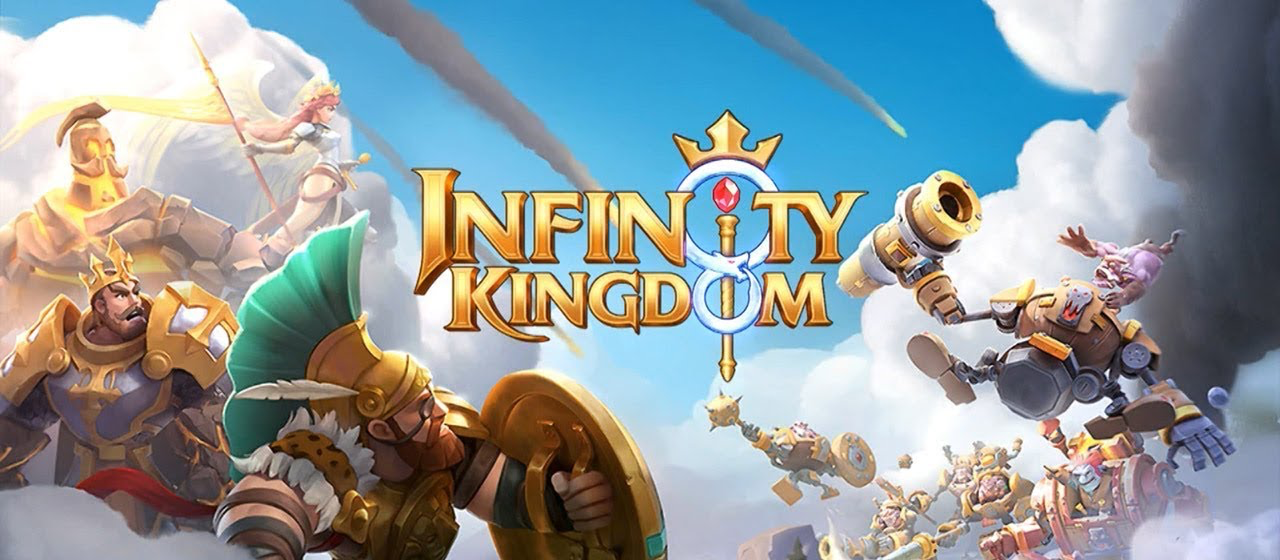
Infinity Kingdom, a cartoon-styled mobile 4X strategy game launched on iOS and Android in January 2021, is dissected here from a player's perspective to show how its monetisation funnel is engineered and how it compares with peers such as Rise of Kingdoms and Idle Heroes.
- Infinity Kingdom shifts the traditional 4X strategy power balance by assigning 90% of player power to heroes and troops, compared to the 50-70% typically allocated to construction and research in the genre.
- The game utilizes a 'water team' meta to drive early-game monetization, incentivizing players to purchase Merlin via a first-time buyer offer and subsequent VIP chests totaling approximately €45.
- Scaling IAP bundles are used to monetize hero progression, with specific 'Crowned King' packs requiring a total spend of €205 to fully upgrade a single hero to seven tiers.
In FIFA v EA, Fans Lose
The breakup between Electronic Arts and FIFA, ending a 30-year partnership, is framed as a loss for both parties and for fans.
- EA’s Ultimate Team mode, a critical revenue driver, grew from $587 million in 2015 to $1.6 billion in 2021, underscoring the high financial stakes of the brand transition to EA Sports FC.
- Live services now account for 85% of EA’s $1.75 billion in quarterly bookings, providing a stable financial foundation as the company navigates the loss of the FIFA brand.
- FIFA faces significant financial risk from the split, as EA’s $150 million annual licensing fee represented the governing body's largest single income category.
Call for Data: Your Steam Wishlist to Follower Ratio
GameDiscoverCo's February 2021 newsletter issues a call for data on the ratio of Steam wishlists to followers for unreleased games, arguing that this metric has shifted meaningfully over the past two to three years.
- The industry benchmark for the Steam wishlist-to-follower ratio has shifted from 4.5:1 in 2019 to a current range of 6:1 to 10:1.
- Increased pre-release marketing tools and Steam festival participation are the primary drivers behind the rising wishlist-to-follower ratio.
- First-week sales for new Steam titles typically range from 4.5% to over 100% of total pre-release wishlists.

Into the Void: Where Crypto Meets the Metaverse
Crypto, and in particular decentralized networks and NFTs, is positioned as the essential infrastructure for an open Metaverse built on self-sovereign finance, true digital ownership, and a creator economy.
- Non-fungible tokens (NFTs) provide a decentralized, universal ownership layer that solves the 'original sin' of the internet by enabling peer-to-peer value transfer and verifiable scarcity for digital goods.
- Current digital goods are 'unsound' because they exist in siloed databases where users lack true ownership, face liquidity risks, and are subject to arbitrary supply inflation by central authorities.
- Axie Infinity serves as a primary case study for cryptoeconomics, having achieved an 11.6x growth in its user base during 2020 by utilizing governance tokens to transition toward player-owned and operated systems.
Blockchain Gaming's Beginnings: From Crypto-craze to Decentralized Fun
Blockchain gaming, in mid-2021, sits at the intersection of genuine business model innovation and speculative excess, and the analysis argues for a middle path between "all hype" and "the future of gaming."
- Blockchain gaming represents a third macro-shift in industry economics, transitioning from centralized digital services to decentralized models that prioritize player-owned economies and governance.
- The sector experienced a massive capital injection of over $1.2 billion in venture funding within a 24-hour period, resulting in the creation of at least six unicorn startups valued at $1 billion or more.
- The market exhibits a extreme 'winner-takes-most' dynamic, with the top-ranked game commanding a user base nearly 60 times larger than the 15th-ranked title.
All Aboard the Axie Infinity Hype Train
This July 2021 newsletter issue argues for caution amid the hype around the play-to-earn blockchain game Axie Infinity, which surged after launching its Ethereum-linked Ronin side-chain.
- Axie Infinity’s play-to-earn model faces long-term viability challenges as competitors like Illuvium introduce more sophisticated financial structures, such as double-sided staking.
- Valve’s Steam Deck poses a direct competitive threat to the $11 billion gaming laptop market.
- Historical industry trends suggest that gaming 'sensations' often struggle to maintain long-term valuations comparable to established media giants like Disney.
What's the Career Path of a Celebrity Gamer?
This April 2020 newsletter issue offers an opinionated weekly roundup of games industry news, framed by the author's return to DOOM Eternal as a pandemic stress remedy and a promise to later analyze the crisis's long-term effects on the business beyond short-term playtime spikes.
- Asian markets are aggressively pursuing vertical integration, exemplified by Tencent’s majority acquisition of Huya to directly link game marketing with content consumption.
- Celebrity gamers face significant long-term career instability due to a lack of post-retirement infrastructure comparable to traditional sports, despite high-value exclusivity deals.
- The operational costs of maintaining social gaming platforms are rising due to systemic issues like cheating, specifically noted in Call of Duty: Warzone.