Creative
Company
Documents about Creative

Raport Bieżący Nr 58/2017
PlayWay S.A. has formalized its investment in the Warsaw-based entity Creative Octopus, acquiring a controlling interest of 50.01% in the company’s share capital.
- On August 7, 2017, PlayWay S.A. acquired a 50.01% controlling interest in Creative Octopus for 250,100 PLN.
- Following the acquisition, Creative Octopus was rebranded as Game Operators Sp. z o.o.
- The subsidiary is tasked with forming five new development teams to scale production capabilities.
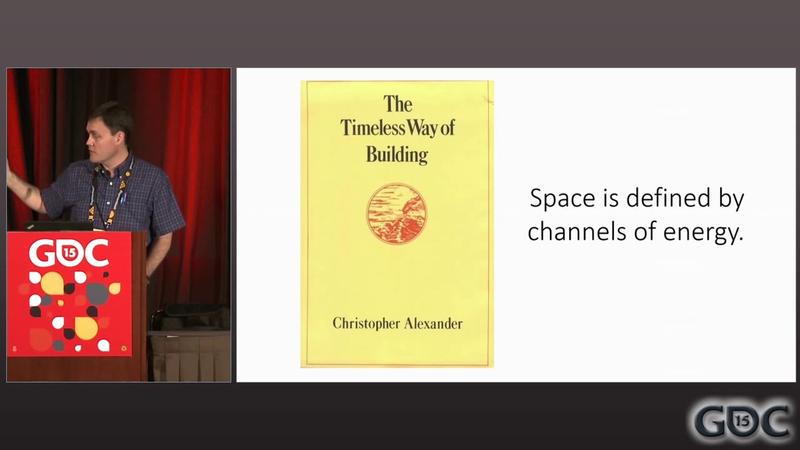
Game Studio Management: Making It Great
Effective game studio management functions best when organizations are treated as complex information networks rather than rigid hierarchies.
- Treat game studios as complex information networks rather than rigid hierarchies to ensure critical data flows efficiently across projects, processes, and people.
- Categorize all internal communication into distinct buckets of facts, opinions, and emotions to design deliberate systems that prevent project delays and morale degradation.
- Prioritize team social dynamics, such as conversational turn-taking and diversity, over individual IQ to foster collective intelligence and innovation.

Raport bieżący nr 52/2017: Zawarcie umowy inwestycyjnej
PlayWay S.A. has entered into a strategic investment agreement with Bartłomiej Gajewski to restructure and expand the development operations surrounding the 911 Operator franchise.
- PlayWay S.A. acquired a 50.01% controlling interest in the newly rebranded Game Operators Sp. z o.o. (formerly Creative Octopus) through a 495,000 PLN capital injection.
- All economic and moral copyrights for the '911 Operator' franchise were transferred to Game Operators Sp. z o.o. to consolidate future revenue streams.
- The partnership aims to scale production by establishing five new development teams focused on porting '911 Operator' to mobile and console platforms.
(Opportunity) Cost Effective Marketing & PR for Indies
Indie game marketing is most effective when developers shift their perspective from a purely technical mindset to a consumer-centric one.
- Treat marketing as a game design problem by identifying your objective—getting the player to the game—and systematically removing barriers to that goal.
- Conduct a competitive audit by analyzing similar titles to determine your game's market position, pricing strategy, and unique selling points.
- Perform a SWOT analysis (Strengths, Weaknesses, Opportunities, Threats) to objectively evaluate your game from a consumer's perspective, focusing on the 'tip of the iceberg' that players actually see.
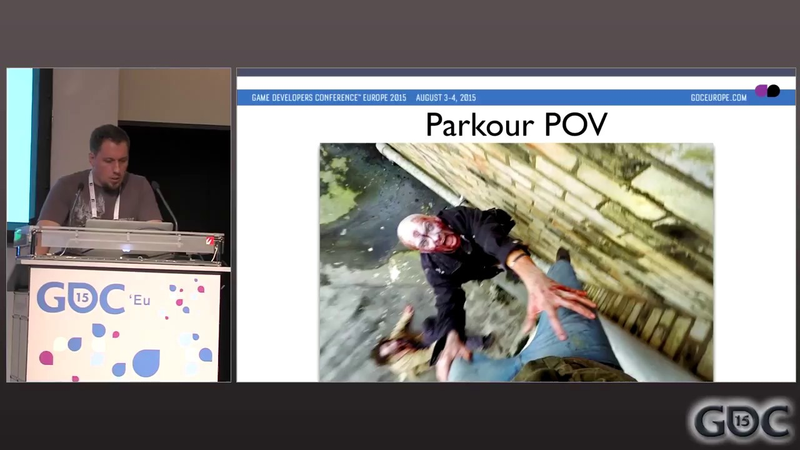
4.5 Million Players in 100 Days: Lessons from Dying Light
The success of the open-world survival game Dying Light, which reached 4.5 million players within its first 100 days of release in 2015, is attributed to a strategic combination of pre-launch feature communication and aggressive post-launch community engagement.
- Techland achieved 4.5 million players within the first 100 days of Dying Light's release by focusing on clear communication of core game pillars, such as melee combat, the day-night cycle, and co-op play.
- The development team maintained pre-release momentum by releasing weekly 'Dying Highlights' gameplay videos rather than traditional marketing trailers, showcasing specific features and humorous scenarios.
- Post-launch engagement was driven by a robust telemetry system that tracked player behavior, resulting in a high 35-40% completion rate for the PC version.
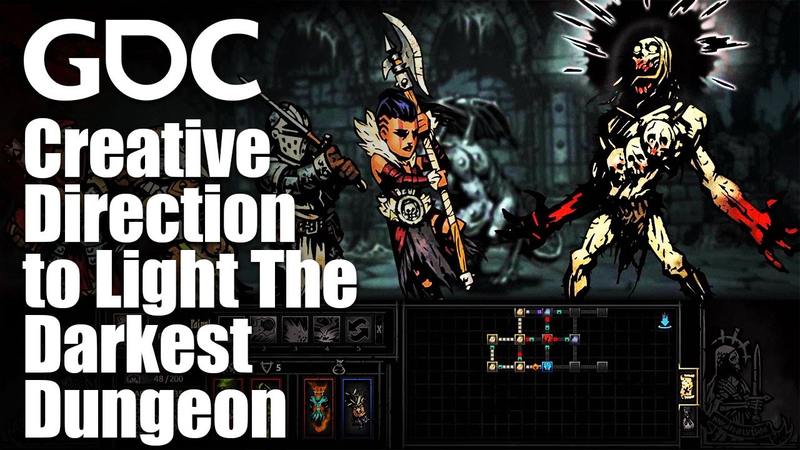
A Torch in the Dark: Using Creative Direction to Light The Darkest Dungeon
Maintaining a rigid, externalized creative vision serves as the primary defense against scope creep and development drift for independent studios.
- A clearly articulated, externalized creative vision acts as a decision-making razor, allowing developers to filter features and resolve conflicts during the uncertainty of production.
- Red Hook Studios defined the core of Darkest Dungeon as an uncompromising, Gothic, low-fantasy, Lovecraftian experience centered on making permanent decisions with imperfect information.
- The team rejected standard RPG tropes like isometric camera angles and exhaustive lore exposition to maintain a claustrophobic, uncertain atmosphere that forces players to experience the game's horror.
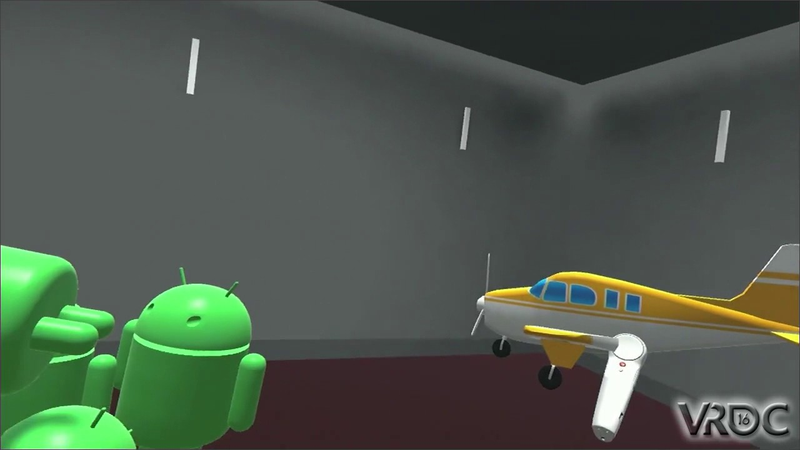
Lessons Learned from VR Prototyping
Successful virtual reality development relies on a philosophy of rapid, iterative prototyping that prioritizes experiences designed specifically for the medium rather than mere adaptations of traditional gaming genres.
- Prioritize rapid, iterative prototyping that focuses on experiences designed specifically for VR rather than adapting traditional gaming genres.
- Mitigate motion sickness by implementing constant velocity movement, blink teleportation, and dynamic field-of-view narrowing.
- Enhance immersion through high-quality spatial audio, consistent haptic feedback, and algorithmic assistance that interprets imprecise user inputs to keep physical movements within comfortable ranges.
Influences: Thinking Outside the Game
Game design benefits significantly from integrating perspectives and methodologies found outside the traditional gaming industry.
- Integrating methodologies from art history, literature, and cinema—such as Italian neorealism and the French New Wave—enables developers to move beyond genre tropes toward more mature, character-driven storytelling.
- Applying Brian Eno’s theories on generative art and self-imposed constraints provides a structured framework for overcoming creative blocks and driving innovative aesthetic decisions.
- Treating game development as an iterative, system-driven process similar to abstract expressionism allows designers to prioritize mechanical purity and personal artistic vision over industry trends.
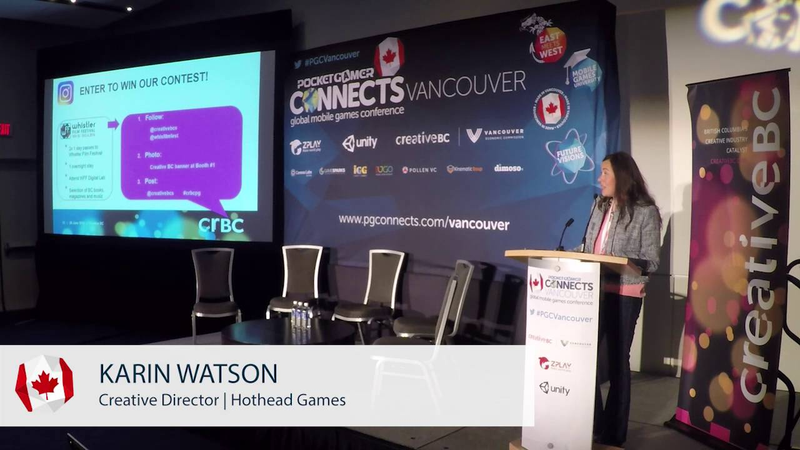
How Creative BC is supporting British Columbia's local games industry
Creative BC serves as an independent agency established by the provincial government to catalyze the growth and global competitiveness of British Columbia’s creative industries, including interactive and digital media.
- Creative BC functions as a provincial agency that drives industry growth through direct funding, tax incentives, and global market promotion for interactive and digital media companies.
- As of 2016, the British Columbia gaming sector consisted of 168 companies, supported 5,500 full-time jobs, and generated $576 million in annual expenditures.
- The Interactive Digital Media Tax Credit provides a 17.5% credit on eligible labor expenditures for products designed to educate, inform, or entertain.

FTUE: Monster Sweeperz
The analysis of the mobile title Monster Sweeperz, developed by 4:33 Creative Labs, highlights significant friction points in the first-time user experience (FTUE) that hinder player retention.
- The 5-minute initial download time for Monster Sweeperz creates a prohibitive barrier to entry that significantly undermines player retention and return on high customer acquisition costs.
- Mobile games should prioritize a seamless onboarding experience with a target launch time of under 30 seconds to successfully convert new installs into engaged users.
- Technical instability, such as the tutorial crash observed in this title, negates the value of innovative mechanics and high-quality art by preventing users from experiencing the core gameplay.
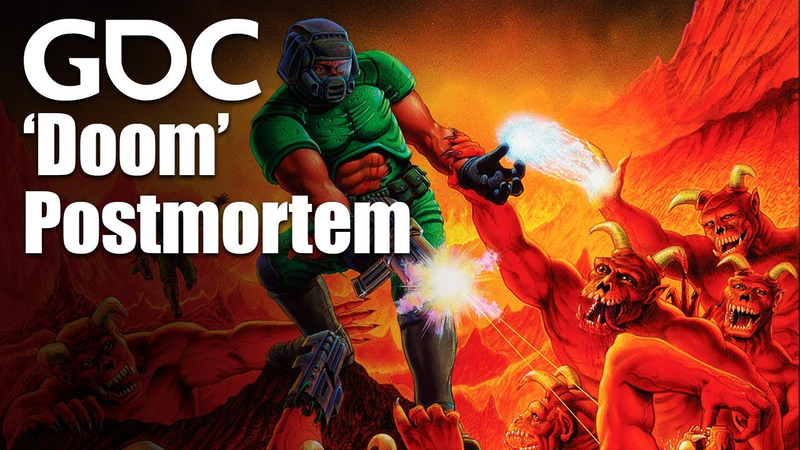
'Doom:' A Classic Game Postmortem
The development of Doom, initiated in late 1992, represents a pivotal evolution in first-person shooter design, transitioning from the rigid, military-themed architecture of its predecessor, Wolfenstein 3D, toward a more abstract and atmospheric aesthetic.
- Released on December 10, 1993, 'Doom' revolutionized the first-person shooter genre by shifting from the rigid architecture of 'Wolfenstein 3D' to complex, non-orthogonal environments enabled by Binary Space Partitioning trees.
- The development team prioritized high-speed, skill-based gameplay over complex narrative or inventory systems, utilizing NeXT workstations to achieve technical performance that exceeded contemporary hardware limitations.
- The project was defined by a lack of formal pre-production and significant internal creative friction, which led to key personnel changes and the abandonment of external collaborations like a proposed 'Aliens' project.
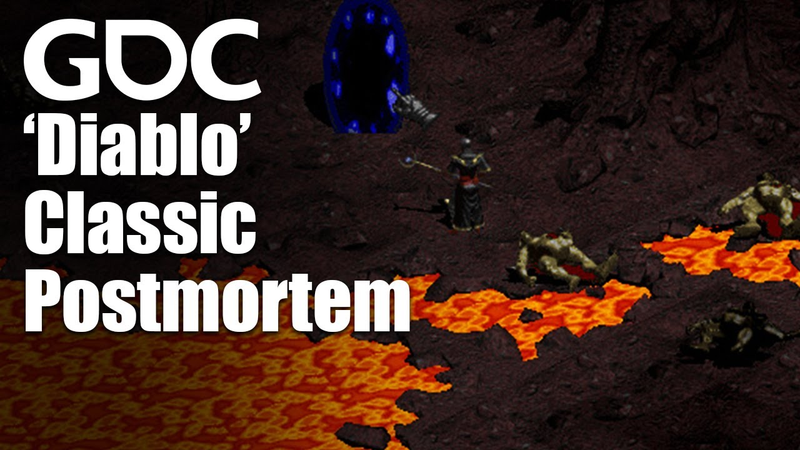
'Diablo': A Classic Game Postmortem
Diablo emerged from a vision to modernize the roguelike genre by blending atmospheric depth with accessible, action-oriented gameplay.
- Diablo's core design underwent a radical shift during development, moving from a turn-based, single-player DOS game to the real-time, multiplayer experience that defined the genre after Blizzard Entertainment insisted on the changes.
- The studio operated with severe financial constraints, signing a contract to develop the game for $300,000, which barely covered the salaries and operational costs for a 15-person team.
- Technical development was highly specialized for the era, with approximately one-eighth of the game's code written in assembly and the project serving as the lead programmer's first experience coding in C.