AMC
Company
13 documents in the library are about AMC, from writers such as PocketGamer.biz, SuperJoost and Digital Dragons. Each has a summary and key insights with the page they come from.
Connections
Each row is a game or company named alongside AMC, each column a document, oldest first. A mark means that document names it. Select a row to see those documents.
Documents about AMC
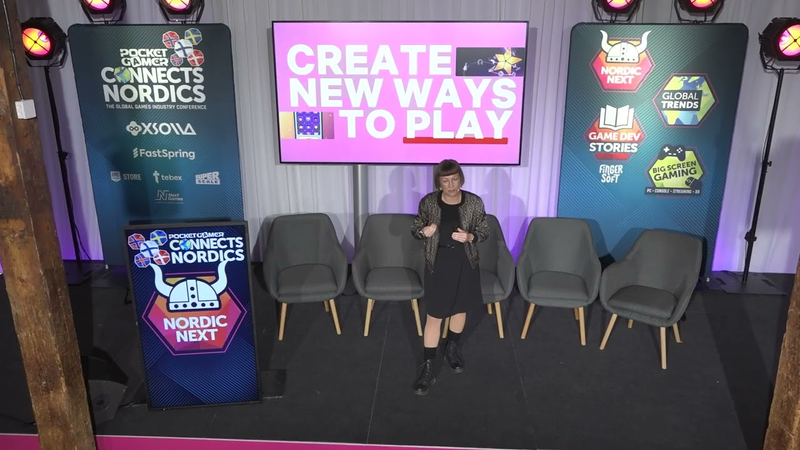
Superstar Session: Scaling Joy – Crafting Games for Everyone In The Room - Saara Bergström.
Saara Bergström, Managing Director of Next Games, presents the studio's journey from a free-to-play mobile developer into a first-party studio within Netflix.

The AI clone wars and fake mobile game ads | Week in Mobile Games podcast
The discussion centers on how AI is reshaping the games industry, with a focus on both creative risk and commercial momentum.
- AppLovin's Q3 revenue hit a record $2.18 billion, up 55%, and net income rose 72% to $1.44 billion, though the industry has a love-hate relationship with it because rising user acquisition costs and its dominant creative formats pressure studios' budgets.
- The UK Advertising Standards Authority banned mobile game ads from King, Scopely and others for misleading consumers with gameplay that doesn't match the actual game, with River Game and Vistrex also caught in rulings, though publishers often move on to new ad trends before rulings land.
- Developers are increasingly reporting that their ideas are copied by people using AI tools, even from demos or trailers, and Anthropic has reportedly stopped customers from using Claude to decompile and recreate specific games.

Mobile & F2P | Jordan Blackman | Why the Best Games Are Winning by Squeezing Less | DD 2026
The mobile gaming industry is undergoing a fundamental shift in monetization strategy, moving away from aggressive, friction-based tactics toward a model that prioritizes long-term player engagement.
- Reducing aggressive monetization 'pinches' can increase both player retention and total revenue simultaneously, contradicting the traditional industry assumption that player satisfaction and business performance are inversely related.
- Successful monetization redesign requires 'revenue migration,' where removing a friction point (such as level-gating) is balanced by alternative, less intrusive spending opportunities within the game loop.
- The cost of aggressive monetization is rising because modern players are increasingly sensitive to friction and more likely to churn when they feel over-squeezed, making the traditional 'out-squeeze the competition' strategy less effective.
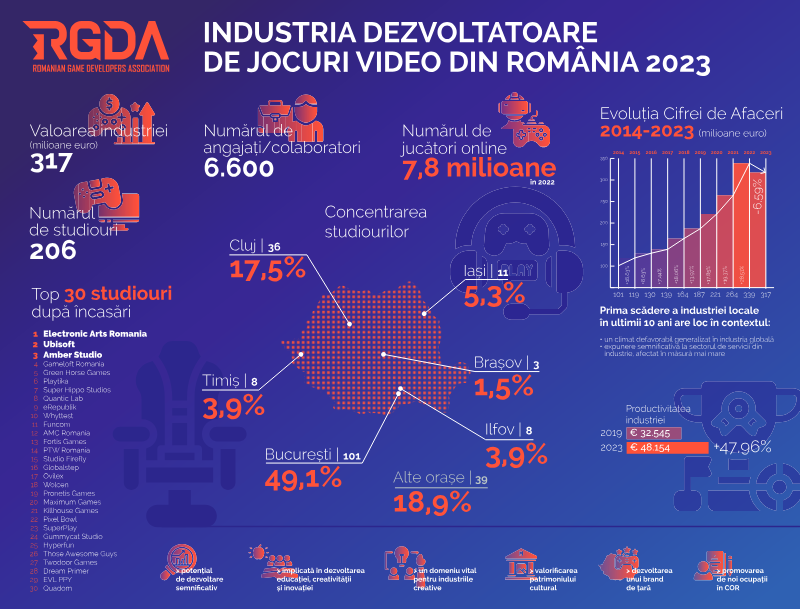
Video Games in Romania 2023
Romania's video game industry posted its first revenue decline in ten years in 2023, with turnover falling 6.59% to 317 million euro from roughly 339 million in 2022.
- The Romanian video game industry reached a turnover of approximately €6.6 billion in 2023, supported by 350 active studios and a workforce of 6,600 employees.
- The sector experienced a 6.6% contraction in 2022, marking the first decline in a decade due to an unfavorable global economic climate and service-sector volatility.
- Industry activity is highly concentrated in key urban hubs, led by Cluj with 36 studios and Iași, which accounts for 17.5% of the total studio count.
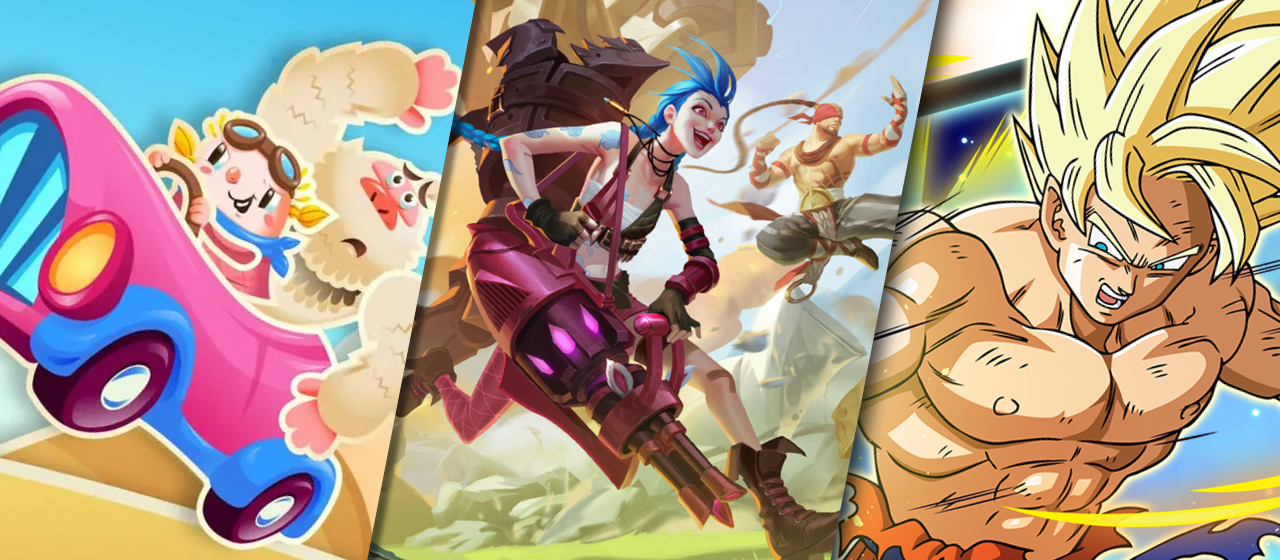
Analyst Bulletin: Mobile Game Market Review September 2022
This analyst bulletin provides a review of the mobile game market for September 2022, focusing on key updates, events, and top-grossing chart entrants across the US, China, and Japan.
- Mobile developers are increasingly adopting aggressive monetization strategies, such as adding new or additional battle passes, in anticipation of Apple's price hikes in European and select Asian markets.
- League of Legends: Wild Rift saw a nearly 10x revenue spike in China following a September update that introduced a 1v1 PvP mode and new gacha monetization mechanics.
- Dragon Ball Z Dokkan Battle achieved the top-grossing position on the iOS Store in both Japan and the USA in September, driven by the success of its 'Worldwide celebration: The Strongest in the Universe' campaign.
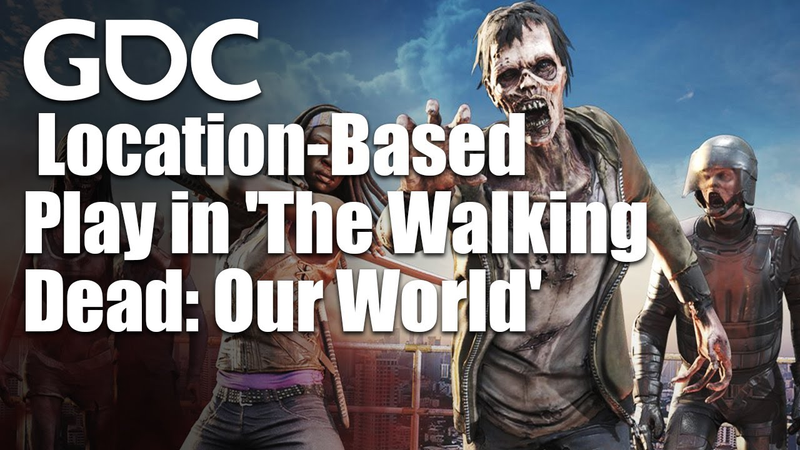
Social Depth of Location-Based Play in 'The Walking Dead: Our World'
The Walking Dead: Our World demonstrates how mobile developers can successfully integrate location-based play with social mechanics by prioritizing accessibility and collaborative engagement.
- Collaborative guild-based challenges drive engagement for 90% of daily active users, serving as the primary engine for both player retention and monetization.
- The game utilizes a 'play-everywhere' design model that ensures consistent gameplay regardless of the user's physical environment, prioritizing accessibility over complex spatial competition.
- The core gameplay loop consists of 15-second, bite-sized combat and scavenging encounters, which prototyping proved more effective than analysis-heavy mechanics for mobile contexts.

GameStop Trading & the Concept of Deep Play
This early-February 2021 games industry newsletter opens with an argument that the GameStop trading frenzy is better understood through anthropology than finance.
- The 2021 GameStop short squeeze functioned as 'deep play,' where retail investors prioritized symbolic rivalry against institutional power over traditional economic rationality.
- Big Tech firms like Google and Amazon struggled to penetrate the gaming sector, demonstrating that capital and infrastructure cannot replace a foundational understanding of community-driven ecosystems.
- Established gaming incumbents saw strong performance in 2021, with Microsoft reporting an 86% year-over-year increase in Xbox hardware sales.
Amazon's Crucible: Virtual Business, Games + Ads
Amazon's release of the free-to-play shooter Crucible is read as evidence that the company is serious about games, despite years of acquisitions, delays, and talent turnover.
- Amazon is pursuing a vertical integration strategy in gaming by leveraging its AWS infrastructure for back-end support and Twitch for marketing to bypass third-party distributors.
- Despite the release of Crucible, Amazon currently lacks a platform-exclusive franchise comparable to established titles like Microsoft's Halo.
- Amazon's significant market valuation growth relative to major publishers like Electronic Arts provides the capital necessary to pursue major acquisitions to accelerate its gaming expansion.
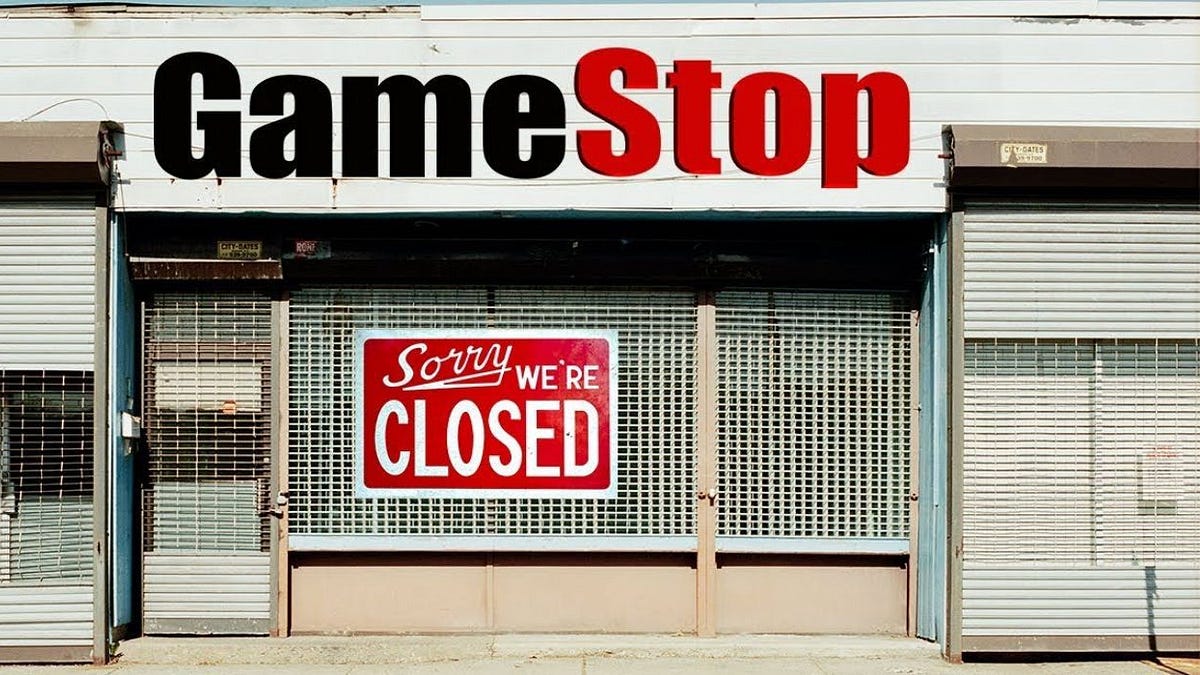
Entertainment Retail Is Up for Grabs: Who's Going to Buy GameStop?
GameStop's survival is in serious doubt, and the author argues that the COVID-19 pandemic is accelerating a structural decline in physical entertainment retail, making the company a plausible acquisition or restructuring target.
- GameStop’s long-term viability is threatened by a shift toward digital distribution and the end of the current console hardware cycle, evidenced by a share price decline from $55 in 2013 to approximately $4.
- With a market capitalization of only $258 million, GameStop is an affordable acquisition target for major tech firms, representing a minor financial maneuver for companies with trillion-dollar valuations.
- Platform holders like Microsoft, Sony, or Nintendo could acquire GameStop’s 6,600 global stores to establish a vertically integrated retail model similar to Apple’s.
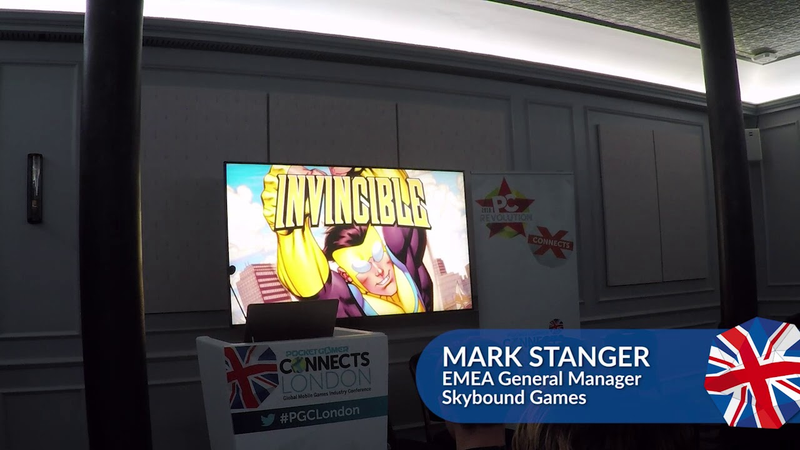
Skybound Games: From comics to games… and a wheel of awesome!
Skybound Games, a division of the entertainment company Skybound, operates with a unique transmedia philosophy that prioritizes creator rights and multi-platform storytelling.
- Skybound Games operates under a 'Wheel of Awesome' philosophy that prioritizes creator rights and cross-departmental collaboration to leverage intellectual property across comics, TV, film, and games.
- The Skybound Insiders community consists of 2.5 million opted-in subscribers, with a consistent growth rate of 15,000 to 20,000 new members per week.
- Video games serve as the company's most effective acquisition channel for growing its subscriber base, outperforming all other media platforms in driving audience engagement.
Bread and Games: Playing Is, and Has Always Been, a Political Act
Bread and Games, a September 2018 newsletter installment, argues that sports and games are a legitimate and even ideal arena for political and social discourse.
- Gaming is increasingly treated as a mainstream media category rather than a siloed vertical, evidenced by YouTube folding its dedicated gaming app back into its main platform to leverage 200 million daily unique visitors.
- European gambling authorities are moving toward stricter regulations for younger audiences due to the blurring lines between interactive gaming and gambling, specifically regarding loot boxes and skin betting.
- AT&T is pivoting its post-merger WarnerMedia strategy toward aggressive, data-driven content spending to compete directly with Netflix.
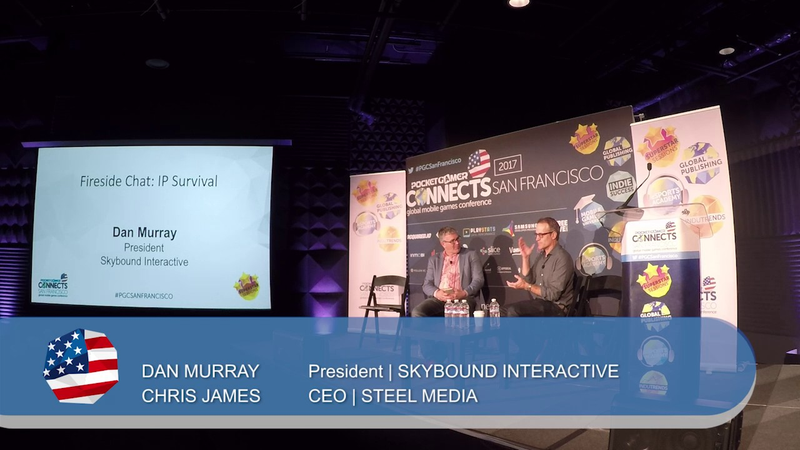
Skybound's Dan Murray on working with IP - Survival 101
Skybound President Dan Murray outlines the strategic approach to managing intellectual property (IP) within the gaming industry, emphasizing the importance of authenticity, creator-led business models, and deep collaboration between licensors and developers.
- Successful IP-based games require moving beyond superficial 'IP slaps' by ensuring mechanics and narrative spirit are deeply integrated with the source material.
- Skybound utilizes a 'wheel of awesome' business model, retaining core rights to properties like The Walking Dead to maintain control across film, television, and gaming adaptations.
- Licensing success relies on replacing siloed relationships with proactive, direct collaboration between IP holders and developers to ensure both narrative consistency and mechanical innovation.