The analysis examines Amazon’s strategic positioning in the video game industry following the release of its first-party title, Crucible. It posits that Amazon is pursuing a long-term strategy of vertical integration, mirroring its approach to film and retail by manufacturing its own content to bypass third-party distributors. By leveraging its existing infrastructure—specifically AWS for back-end support and Twitch for marketing and community engagement—Amazon is positioned to challenge incumbents like Microsoft and Sony, despite a late entry into the market.
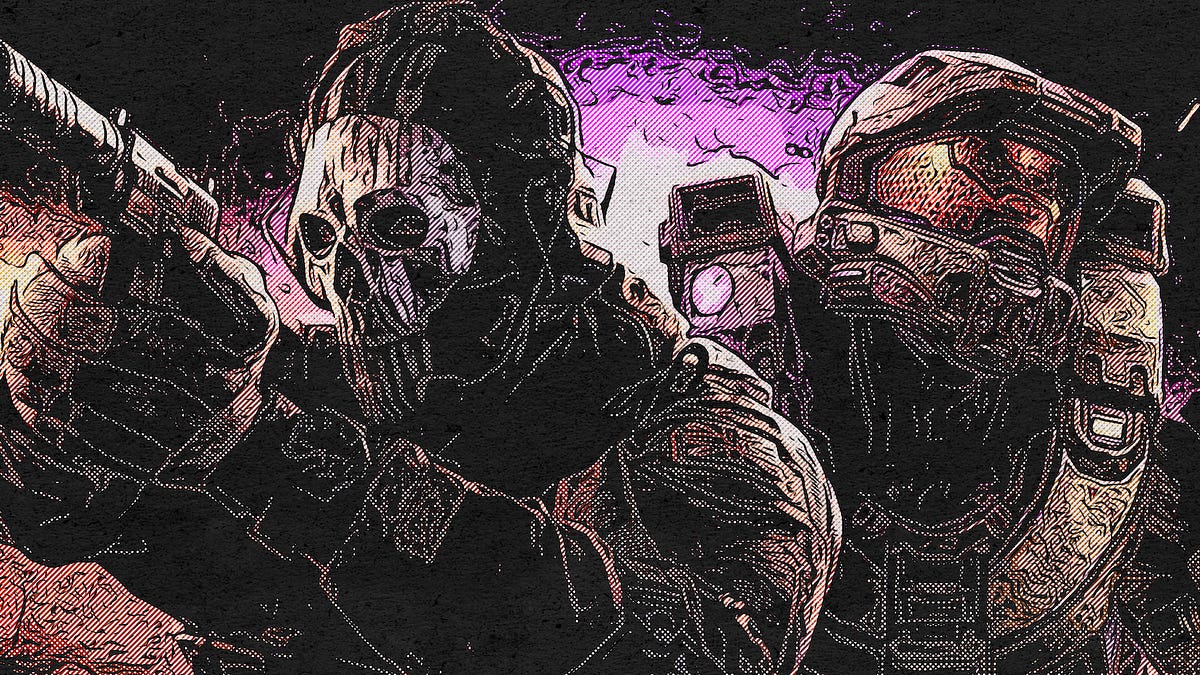
The findings suggest that while Crucible serves as a validation of Amazon’s development capabilities, the company still lacks a definitive platform-exclusive franchise to compete with established titles like Halo. To bridge this gap, the analysis suggests Amazon possesses the capital necessary for major acquisitions, noting that the company’s market value growth significantly exceeds the total valuation of major publishers like Electronic Arts. This indicates a shift toward a "slow but deliberate" expansion into cloud gaming and proprietary content.
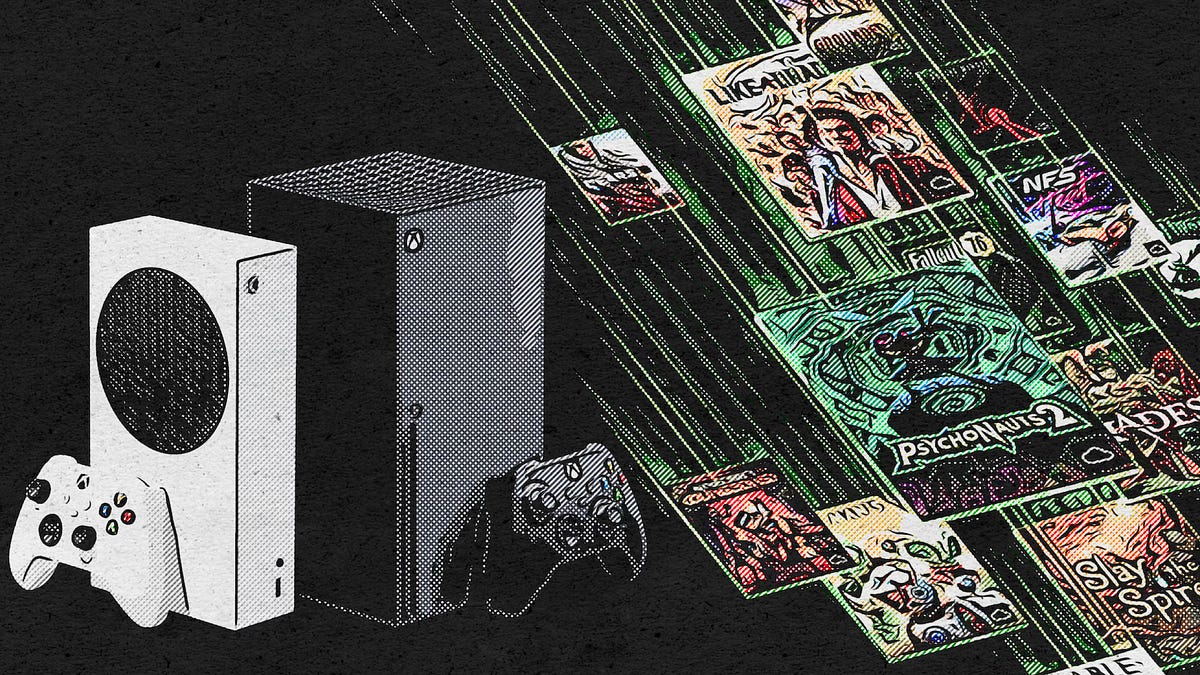
The scope of the analysis extends beyond Amazon to broader 2020 industry trends, including the rise of in-game advertising and the growth of cloud services. Key data points highlight a surge in the sector: Sony’s PlayStation Now doubled its subscribers to 2.2 million by April 2020, NetEase generated $1.9 billion in quarterly gaming revenue, and SEA reported a 30% year-over-year revenue increase driven by mobile success in Southeast Asia. The methodology relies on financial earnings reports, market valuation comparisons, and qualitative assessments of corporate strategy during the early COVID-19 period. The tone is analytical, evaluating the competitive landscape of global gaming giants and the viability of emerging technologies like VR and cloud streaming.