
This analysis examines the intersection of cultural anthropology and the 2021 retail investment surge, specifically focusing on the GameStop short squeeze. The central thesis posits that the behavior of millions of individual investors is best understood through Clifford Geertz’s concept of "deep play." This anthropological framework describes irrational, high-stakes engagement where participants risk their social and financial standing to engage in symbolic rivalry. By driving up stock prices of heavily shorted equities, retail investors transitioned from traditional economic actors to participants in a collective narrative, using financial markets as a medium to challenge institutional power.
The scope of the analysis extends beyond the stock market to broader trends in the interactive entertainment industry during early 2021. Key findings highlight the struggles of major technology firms to penetrate the gaming sector. Google’s decision to shutter its internal Stadia development studios and Amazon’s difficulties in producing hit titles suggest that technical infrastructure and capital are insufficient for success in gaming without a foundational understanding of community-driven ecosystems. In contrast, established players like Microsoft and Sony reported significant growth, with Xbox hardware sales increasing 86% year-over-year and digital bookings dominating Electronic Arts’ revenue at 81%.
Market data indicates a period of intense consolidation and high valuations across the industry. Notable transactions include Embracer Group’s $1.3 billion acquisition of Gearbox and Nexters going public via a SPAC at a $1.9 billion valuation. The methodology relies on a synthesis of financial earnings reports, acquisition filings, and ethnographic theory to provide a holistic view of the gaming and investment landscape. Ultimately, the findings suggest that while "Big Tech" often struggles with the creative demands of gaming, the industry continues to see record engagement and aggressive capital investment.
SuperJoost · 2026

SuperJoost · 2026
SuperJoost · 2026
SuperJoost · 2026
SuperJoost · 2026
SuperJoost · 2026
SuperJoost · 2026

SuperJoost · 2026
SuperJoost · 2026
SuperJoost · 2026
SuperJoost · 2026
SuperJoost · 2026
InvestGame · 2025
Game Developer Collective · 2024
Frontier Developments
InvestGame
Frontier Developments

Frontier Developments
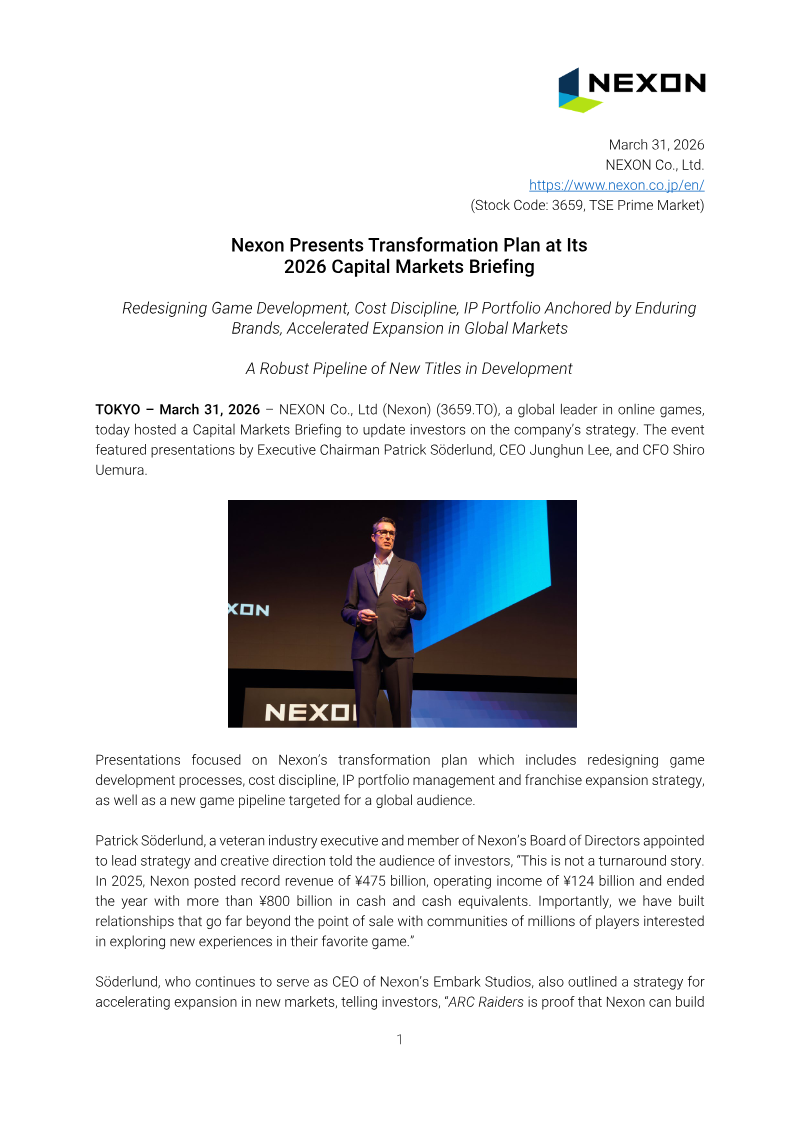
NEXON Co.
Ubisoft · 2026
Poki · 2026
Sony Group Corporation · 2026
Enthusiast Gaming Holdings · 2026
Drake Star Partners · 2026