ArticleSuperJoost
Entertainment Retail Is Up for Grabs: Who's Going to Buy GameStop?
14 May 2020~4 min full read
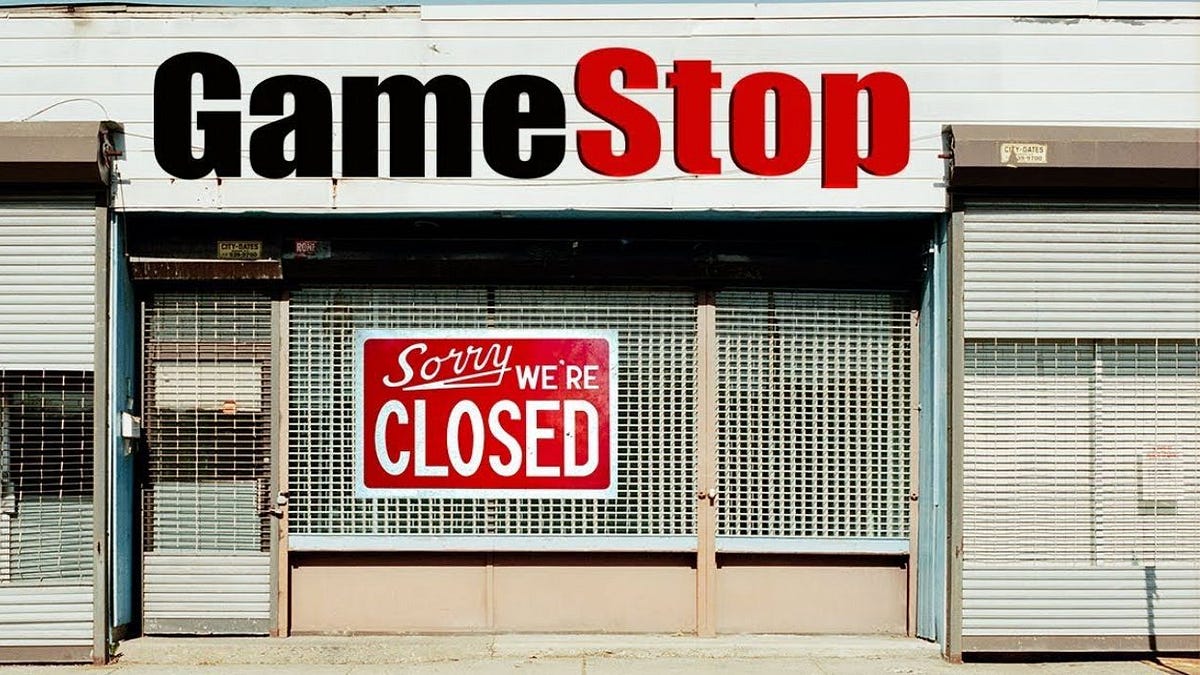
The rapid acceleration of digital distribution, compounded by the global pandemic, has placed GameStop in a precarious financial position that threatens its long-term survival as an independent entity. Since 2013, the company has experienced a precipitous decline in share price from $55 to approximately $4, leading to the elimination of dividends and a series of ineffective reorganizations. This downward trend is exacerbated by the end of the current console hardware cycle and a fundamental shift in consumer behavior that favors digital storefronts over physical browsing.
The core value proposition of the retailer—acting as a social hub and physical destination for gamers—has been severely undermined by social distancing measures and declining foot traffic. While online sales have reportedly surged by as much as 3,000% for certain retail partners, these gains are insufficient to offset the massive losses incurred by the shuttering of physical locations. The brand remains a significant asset, but the organization likely lacks the internal infrastructure to transition into a purely e-commerce entity without external intervention or acquisition.
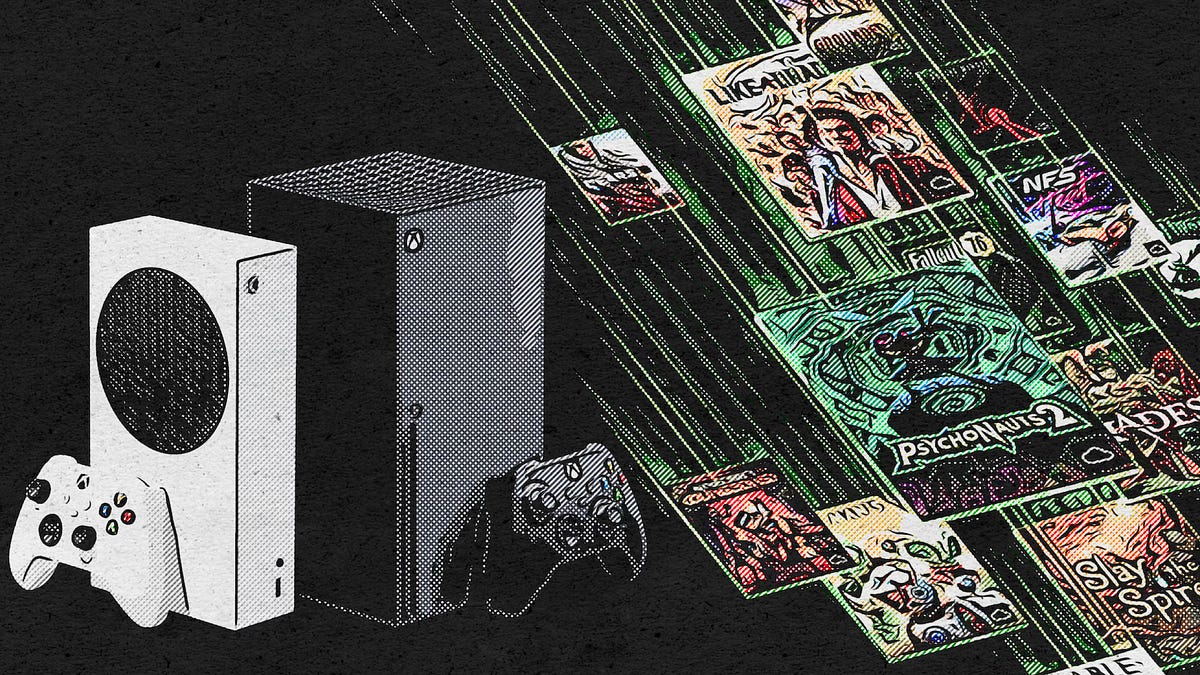
Potential outcomes for the company include a strategic buyout by major platform holders such as Microsoft, Sony, or Nintendo, who could utilize the existing network of 6,600 global stores to create a vertically integrated retail moat similar to the Apple Store model. Alternatively, cash-rich entities like Amazon could acquire the brand for its market presence, or wait for a formal bankruptcy to purchase assets at a liquidation discount. Given the company’s relatively small market capitalization of $258 million compared to the trillion-dollar valuations of potential suitors, an acquisition represents a minor financial maneuver for a major tech firm seeking to dominate the physical entertainment retail landscape.
SuperJoost · 2026

SuperJoost · 2026
SuperJoost · 2026
SuperJoost · 2026
SuperJoost · 2026
SuperJoost · 2026
SuperJoost · 2026

SuperJoost · 2026

SuperJoost · 2026
SuperJoost · 2026

SuperJoost · 2026
SuperJoost · 2026

Aream & Co · 2026

Drake Star Partners · 2026

Modern Times Group · 2026

Drake Star Partners · 2025
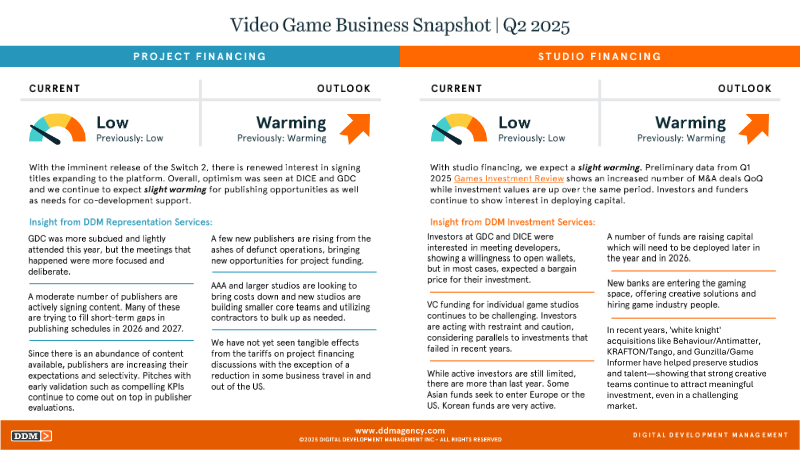
DDM · 2025

Drake Star Partners · 2025

Drake Star Partners · 2025
Digital Development Management · 2025

Thunderful · 2025
DDM · 2025
DDM · 2025
Aream & Co · 2025