2015
Company
Documents about 2015
Games Monitor: The Netherlands 2018
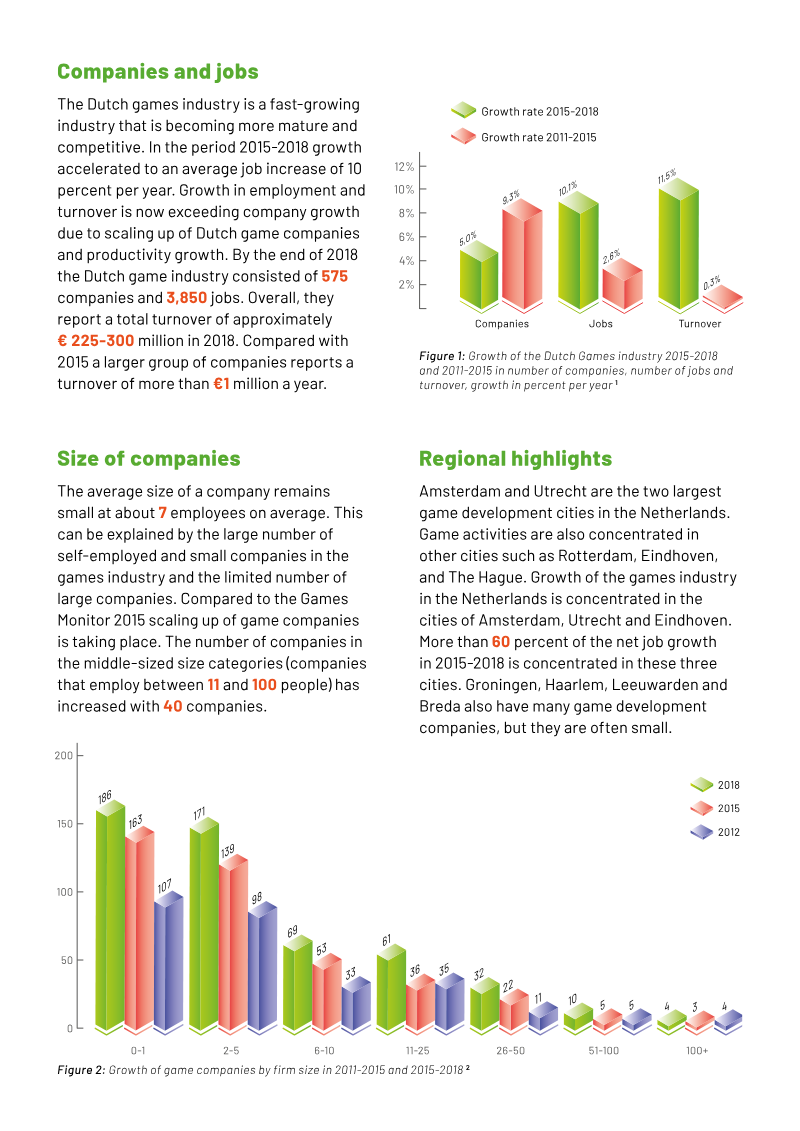
The Games Monitor 2018 provides a comprehensive analysis of the Dutch video games industry, tracking its evolution and maturation between 2015 and 2018.
- The Dutch games industry reached 575 companies and 3,850 jobs by the end of 2018, generating an estimated annual turnover of €225–300 million.
- The sector experienced accelerated growth between 2015 and 2018, maintaining an average annual job increase of 10 percent.
- Entertainment game development expanded by 33 percent, while the applied games sector, serving healthcare, education, and government, stabilized.
Llibre Blanc de la Indústria Catalana del Videojoc 2016
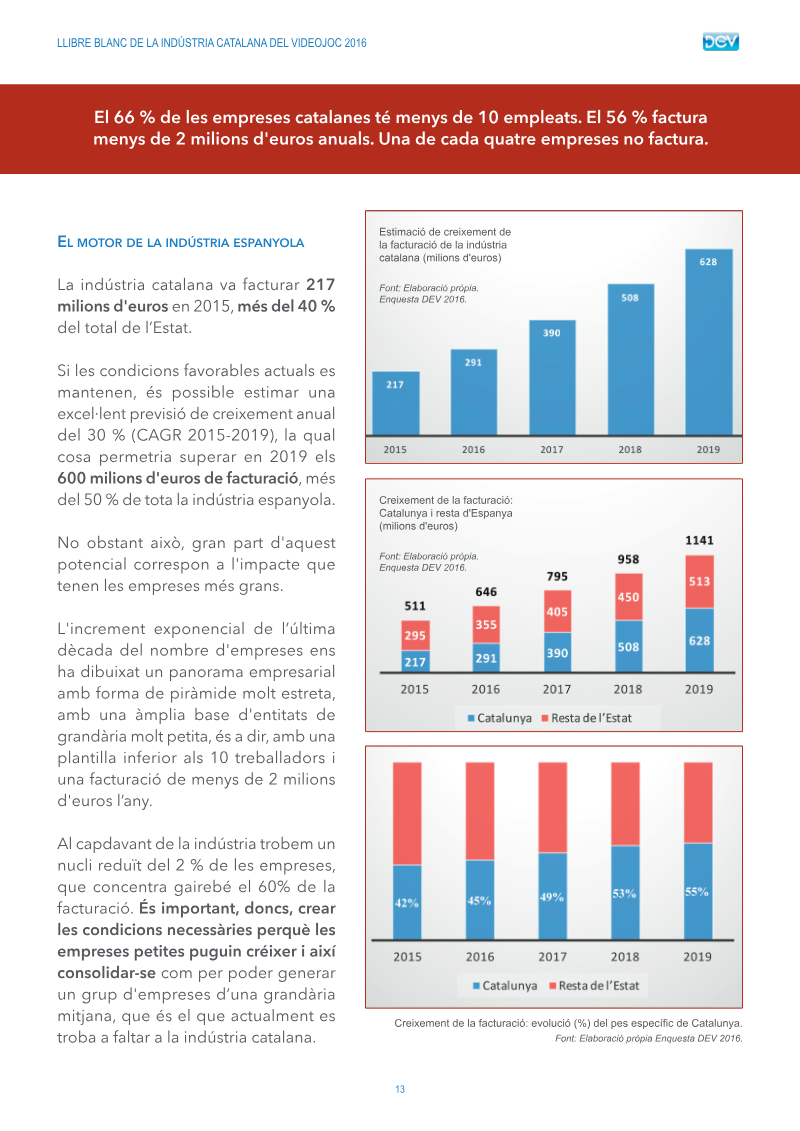
The Catalan video game industry serves as a primary economic engine within Spain, representing 25 percent of the nation’s companies and generating 42 percent of its total revenue.
- The Catalan video game industry is a dominant national force, accounting for 25 percent of Spanish companies and 42 percent of total national revenue.
- As of 2015, the sector comprised 120 firms generating €217 million in annual revenue, with 72 percent of earnings derived from international markets.
- Industry projections for 2019 target significant expansion, aiming for over €600 million in annual revenue and 4,600 direct jobs.


Diversifying Barbie and Mortal Kombat: Intersectional Perspectives and Inclusive Designs in Gaming
Diversifying Barbie and Mortal Kombat (2017) argues that gender, race, sexuality, and class continue to shape who plays, designs, and is welcomed into video games, and that these inequities are structural rather than the product of individual choice.
- The volume argues that gender, race, sexuality, and class shape who plays, designs, and is welcomed into video games, and that these inequities are structural rather than the result of individual choice.
- Its central thesis is that broadening participation requires intersectional research examining how overlapping identities affect play and career opportunities, paired with inclusive design practices introduced early in development and supported by policy.
- Women held about 22% of U.S. game industry jobs as of 2015, while Black developers made up roughly 3% of the workforce compared with 13% of the U.S. population.
Glitch Horror: BEN Drowned and the Fallibility of Technology in Game Fan Fiction
"Glitch Horror: BEN Drowned and the Fallibility of Technology in Game Fan Fiction" examines a emerging subgenre of horror rooted in anxieties about technological malfunction, using the 2010 4chan creepypasta BEN Drowned, a story about a haunted Majora's Mask cartridge, as its central case study.
- The report defines an emerging "glitch horror" subgenre whose dread comes from real, familiar technological frustrations such as corrupted saves, broken rules, and games behaving in unintended ways, rather than from supernatural invention alone.
- Its central case study, BEN Drowned (a 2010 4chan creepypasta about a haunted Majora's Mask cartridge), is analysed as a key example of how players' close identification with their avatars intensifies unease at malfunctioning technology.
- The analysis draws on Freudian and Mori-derived theories of the uncanny to argue that recognizable malfunctions provoke deep, involuntary unease in players.
Love, Lust, Courtship and Affection as Evolution in Digital Play
Affection games, the digital play centered on kissing, hugging, flirting, and romantic interaction, represent an underexplored genre that this work argues deserves scholarly attention.
- Affection games (digital play centered on kissing, hugging, flirting, and romantic interaction) are framed as an underexplored genre deserving scholarly attention, grounded in courtship research and Maslow's love-and-belonging tier.
- Kissing is the dominant in-game verb in affection games, rising from 209 titles on Google Play and Kongregate in 2015 to 264 in 2017, and it is the only verb showing consistent growth on Google Play.
- Anecdotal reports suggest some adolescents use affection games to rehearse kissing before attempting it offline, but the report notes that systematic evidence for this is absent.
From Video Games to Virtual Reality (and Back): Introducing HACS (Historical-Analytical Comparative System) for the Documentation of Experiential Configurations in Gaming History
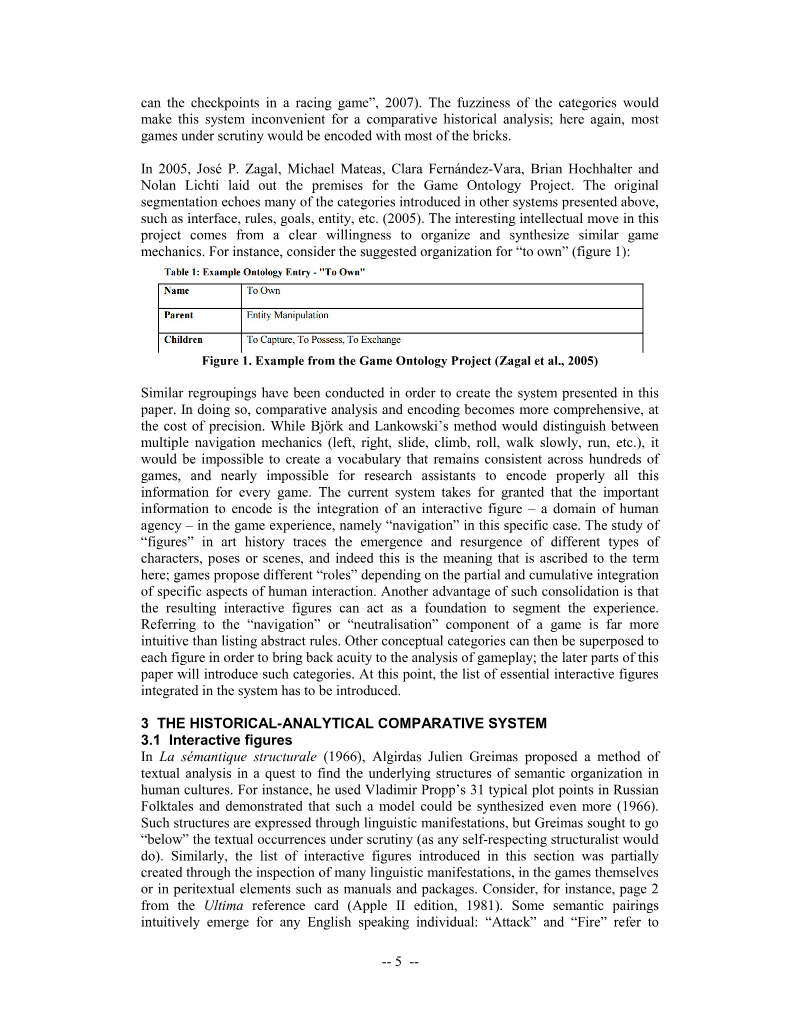
The paper introduces HACS (Historical-Analytical Comparative System), a comparative framework for documenting how video game experiences model human agency across the medium's history.
- HACS (Historical-Analytical Comparative System) is proposed as a middle path between broad conceptual frameworks, which lack comparative resolution, and granular genre ontologies or mechanic taxonomies, which become unwieldy across hundreds of titles.
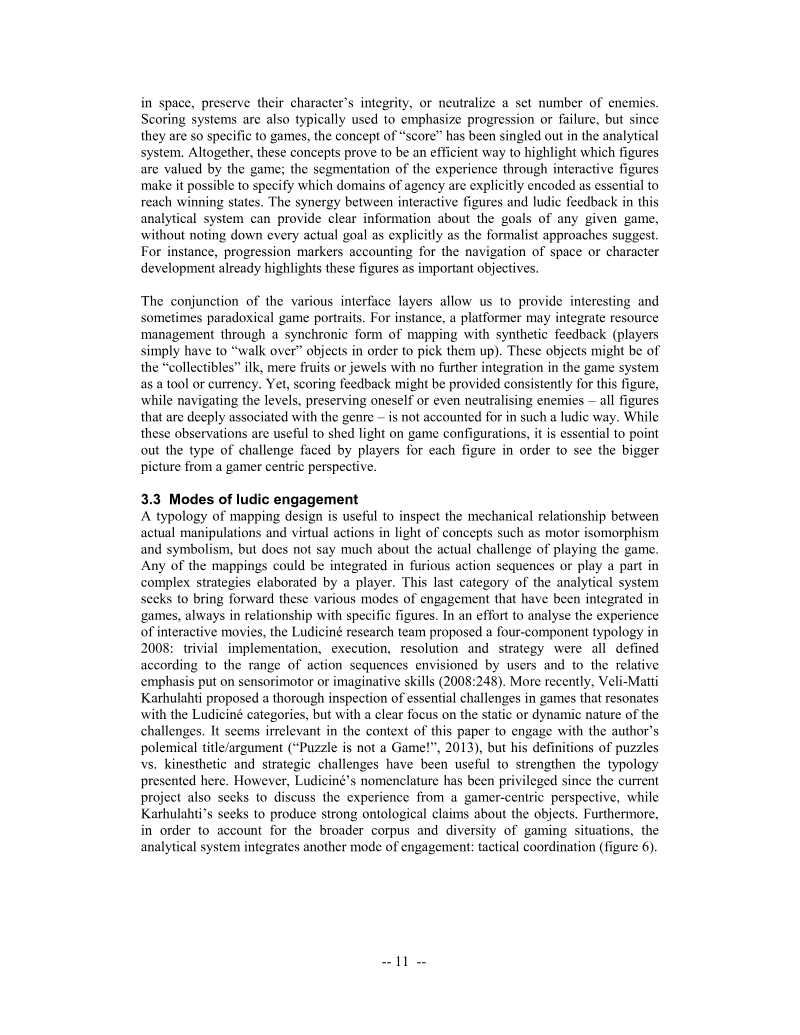
- The framework is organized around ten "interactive figures" describing recurring forms of player action, such as navigation, neutralisation, and resource management.
- A manipulation interface typology distinguishes corporeal, techno-mimetic, generic, and screen-augmented control schemes, critiquing the "transparency fallacy" that assumes interfaces disappear into the experience.

China Mobile Market Update: April 2017
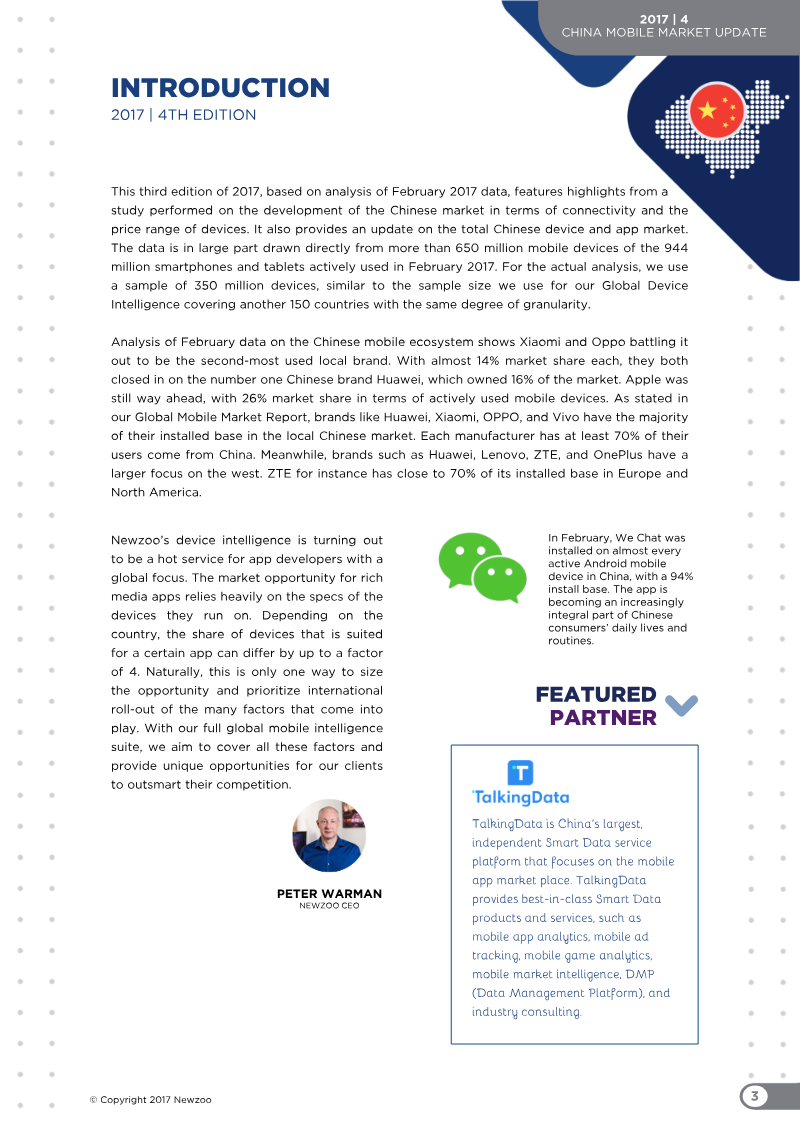
This analysis of the Chinese mobile market, based on February 2017 data, examines the landscape of device usage, app store penetration, and consumer connectivity trends.
- Apple leads the Chinese mobile market with a 26.3% share of active devices, followed by Huawei at 15.6% and Xiaomi and Oppo at 13.8% each.
- 4G connectivity has become the standard, with 57.9% of active devices using the network in February 2017 compared to 31.6% in 2015.
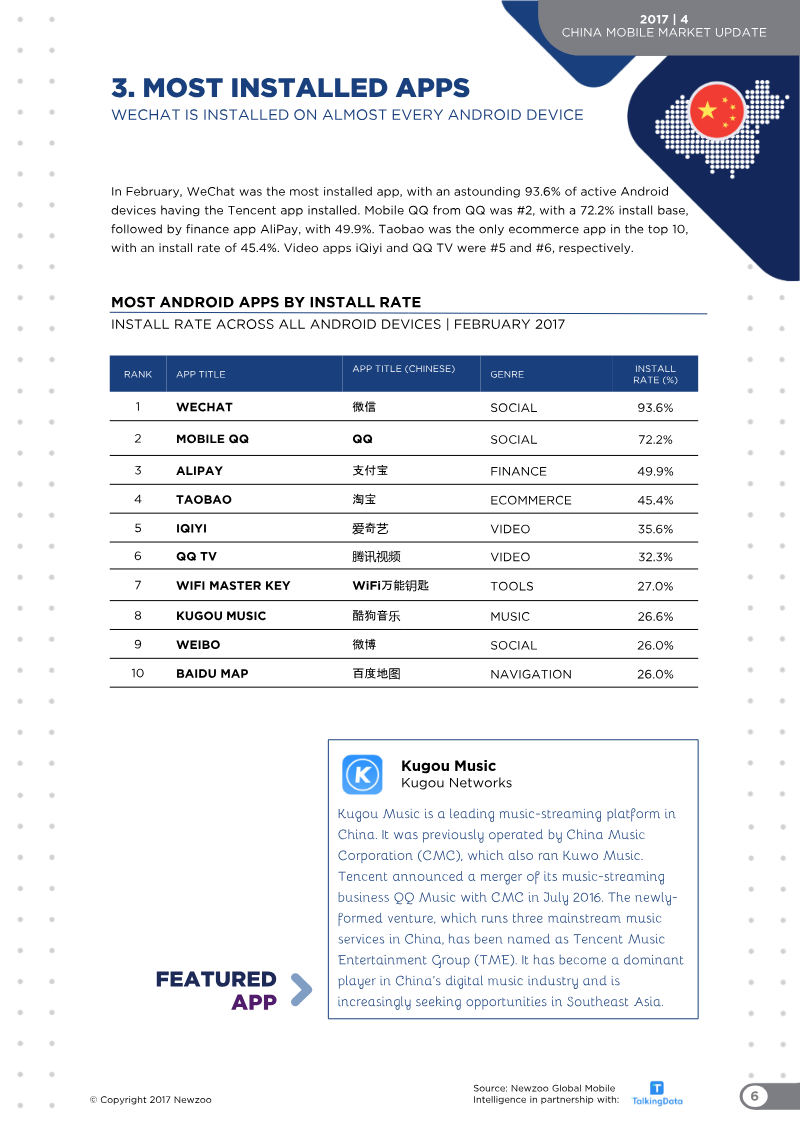
- WeChat maintains near-universal dominance in the Android ecosystem, installed on 93.6% of active devices.

Mobile Games Whitebook: Q1 2017
The mobile gaming market in Southeast Asia is experiencing rapid expansion, positioning the region as a global leader in growth.
- Southeast Asia's mobile gaming revenue is projected to grow at a 45.3% compound annual growth rate between 2015 and 2019.
- The 'Big Six' markets—Indonesia, Malaysia, the Philippines, Singapore, Thailand, and Vietnam—generate 97% of the region's total mobile gaming revenue.
- The region is the world's fastest-growing esports market, with the number of enthusiasts expected to rise from 9.5 million in 2016 to 20 million by 2019.

State of the Polish Video Game Industry 2017
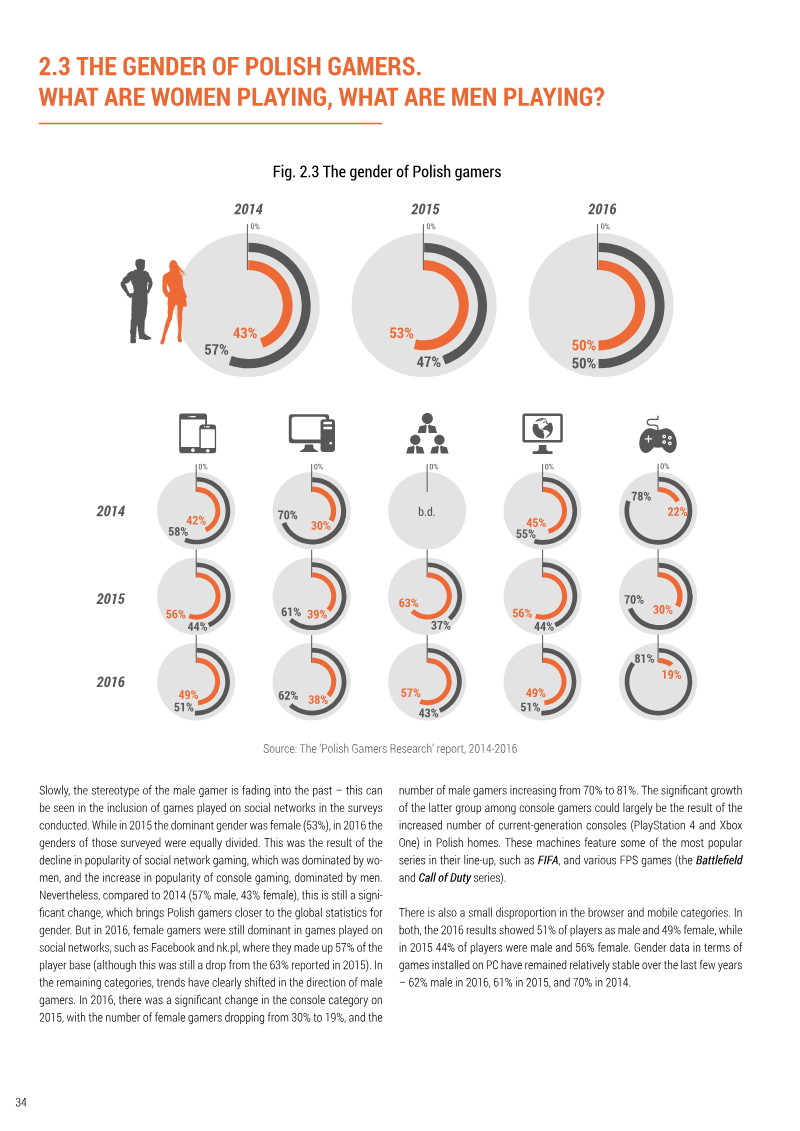
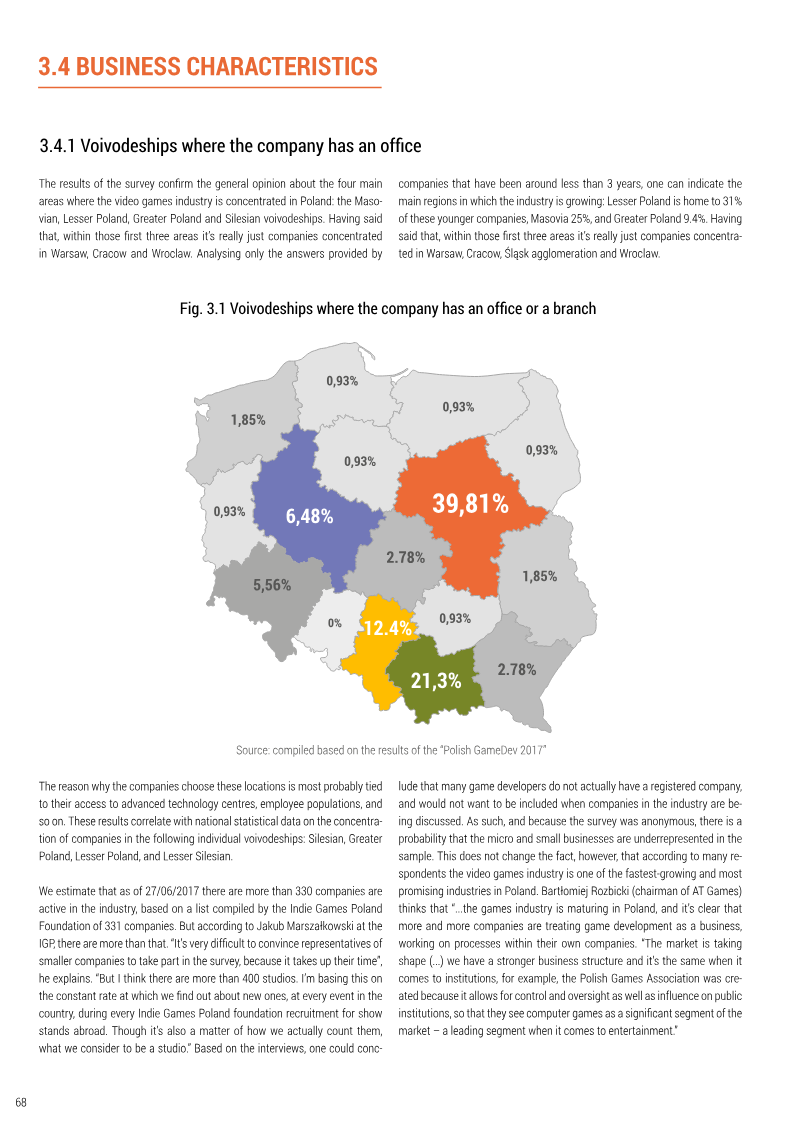
The Polish video game industry in 2017 represents a maturing, vital pillar of the national economy, characterized by a transition toward professionalized business structures and global competitiveness.
- The Polish video game industry is growing, with 13 companies listed on the Warsaw Stock Exchange (WSE) having a combined worth of nearly PLN 9.5 billion and generating PLN 270 million in earnings last year. These WSE-listed developers contributed over PLN 67 million in taxes to the Polish treasury in 2016.
- Poland is a significant test market for game soft launches, particularly for mobile games, due to its comparable market significance to the US, UK, or Germany, and lower user acquisition costs compared to Western or Asian markets. While the percentage of paying players and amounts spent are lower than in Western Europe or North America, the gap is narrowing.
- The PlayStation brand, especially the PS4, dominates the console market in Poland, significantly outselling Xbox One. This trend is partly attributed to the high system requirements of cross-platform titles like The Witcher 3: Wild Hunt, which encouraged many PC players to switch to consoles for a smaller hardware investment.


Corporate Responsibility Report 2017
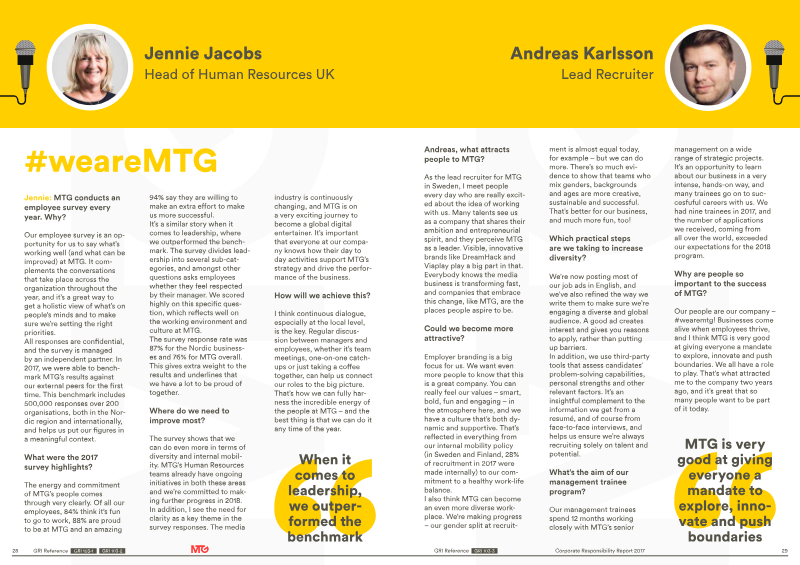
Modern Times Group (MTG) presented a comprehensive overview of its corporate responsibility performance for 2017, positioning itself as a global digital-entertainment leader with approximately 3,700 employees and net sales of €16-17 billion SEK.
- MTG reported a 49.7% increase in total greenhouse-gas emissions in 2017 compared to 2016, with air travel accounting for approximately 70% of the company's total emissions.
- While MTG achieved near-gender parity in Sweden and Finland at 48%, female representation at the senior-executive level remained low at 20%, and women earned only 66–67% of the basic salary of their male counterparts.
- The company set a formal target to achieve a 50/50 gender balance across its workforce by 2020.
Game Developer Index: Sweden 2016
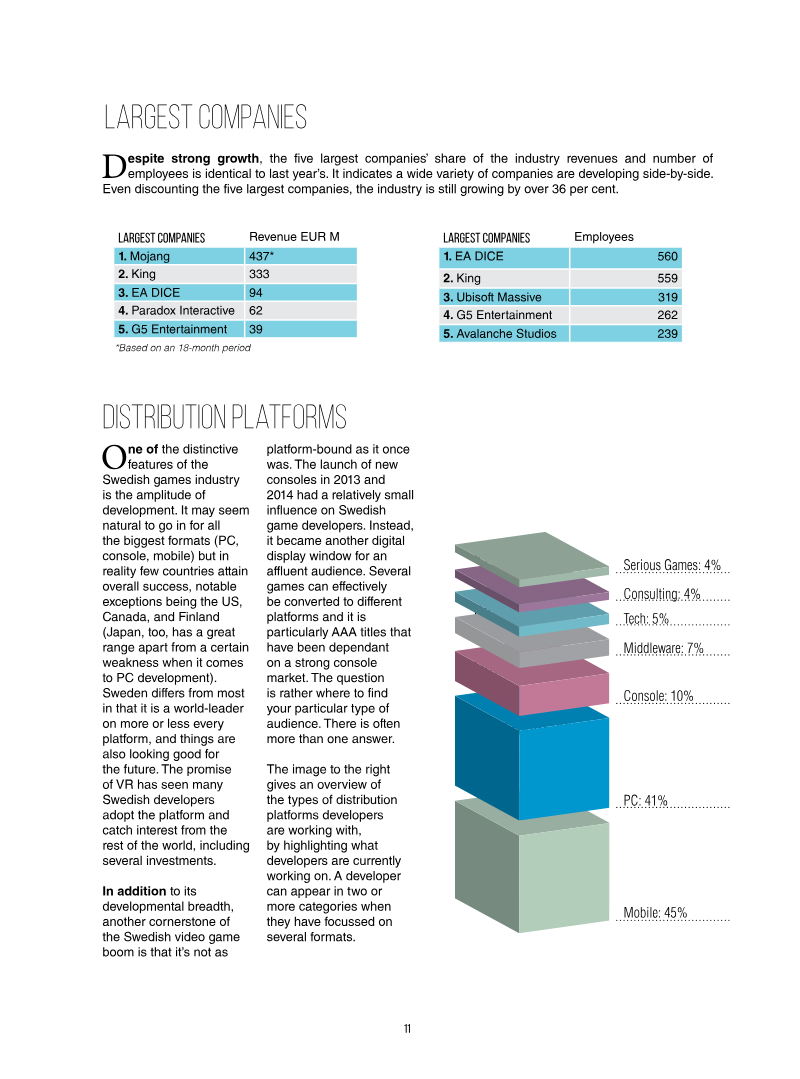
The Swedish video game industry demonstrated robust expansion throughout 2015, cementing its status as a vital pillar of the national economy.
- The Swedish video game industry generated EUR 1.3 billion in revenue in 2015, marking a 41 percent increase over the previous year.
- The sector has maintained a compound annual growth rate of 39 percent since 2006, with the workforce expanding by 19 percent to 3,709 full-time positions in 2015.
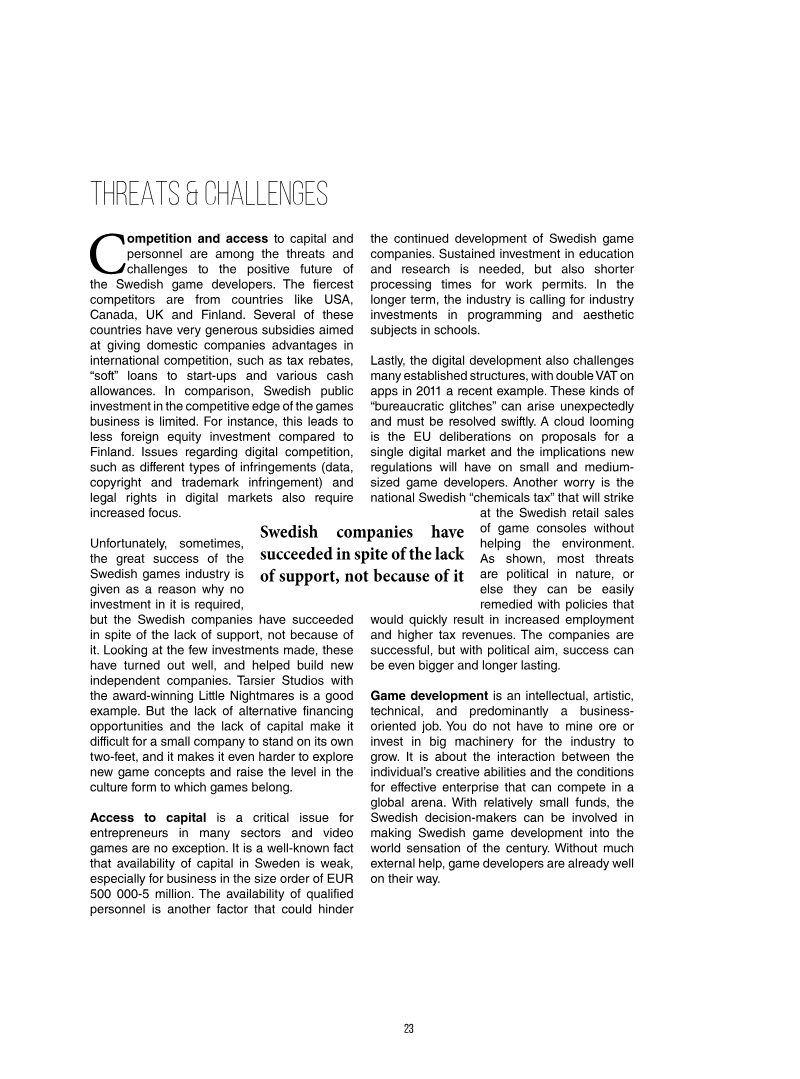
- Industry growth is hindered by a persistent shortage of qualified personnel, restricted access to capital, and a regulatory environment that lacks competitive government support.
Swedish Game Education: 2001-2016
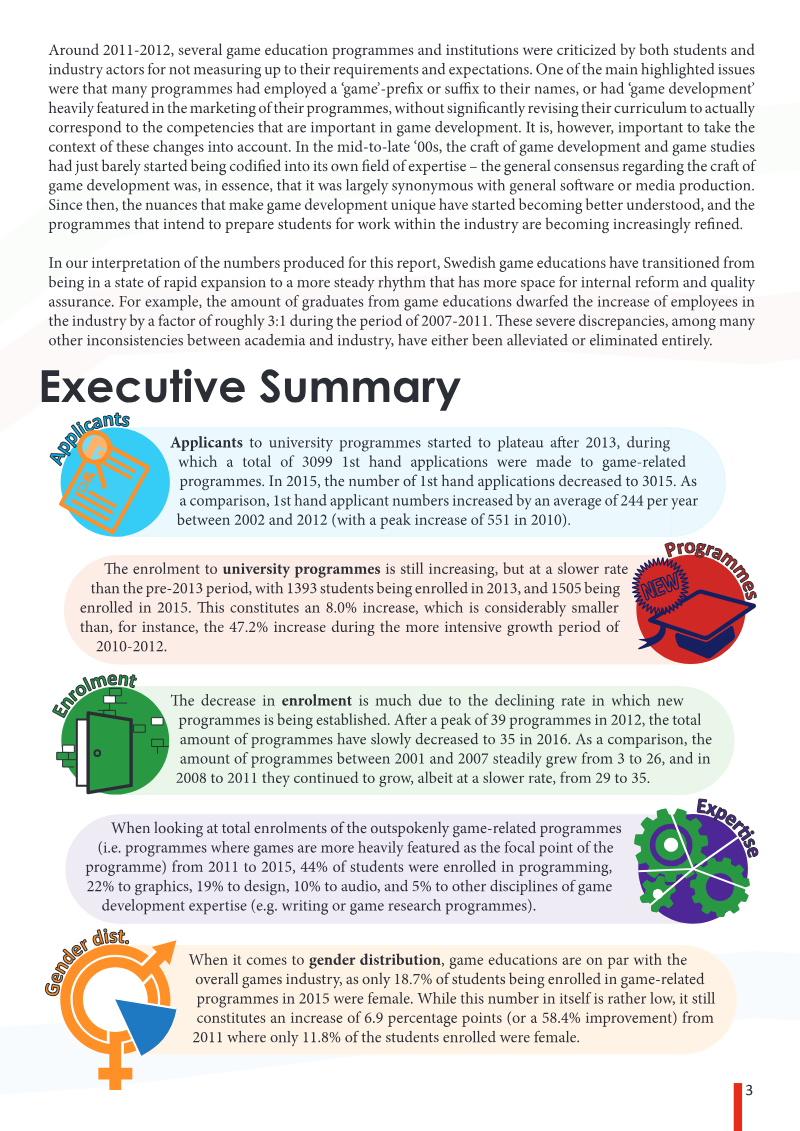
This analysis examines the evolution of Swedish tertiary game education between 2001 and 2016, documenting a transition from a period of rapid, unchecked proliferation to a more stable, mature phase.
- Swedish game education reached a peak of 41 programs in 2012 before stabilizing at 35 programs by 2016, signaling a shift from rapid proliferation to a mature phase.
- Despite the expansion of academic and vocational training, the Swedish game industry continues to face persistent labor shortages that limit its growth potential.
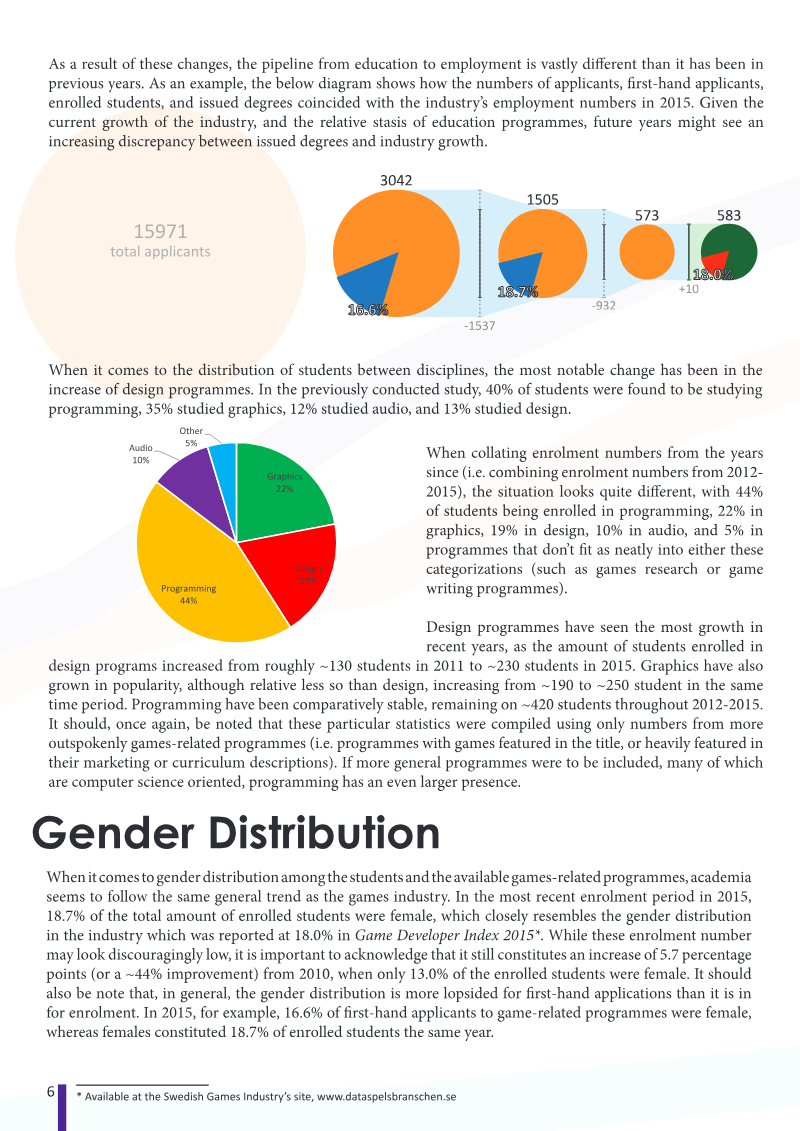
- Programming remains the dominant discipline with 44% of total enrollment, followed by graphics (22%), design (19%), audio (10%), and other fields (5%).