
DiGRA
The Digital Games Research Association: the international association of academics and professionals who study digital games. Its Digital Library holds the proceedings of the DiGRA conferences since 2002.
Documents
A Method for Discovering Values in Digital Games
"A Method for Discovering Values in Digital Games" presents the Values Cards exercise, a practical tool that helps game designers identify and discuss human values such as equality, justice, generosity, and competition that are embedded in game mechanics, representation, and players' prior experiences.
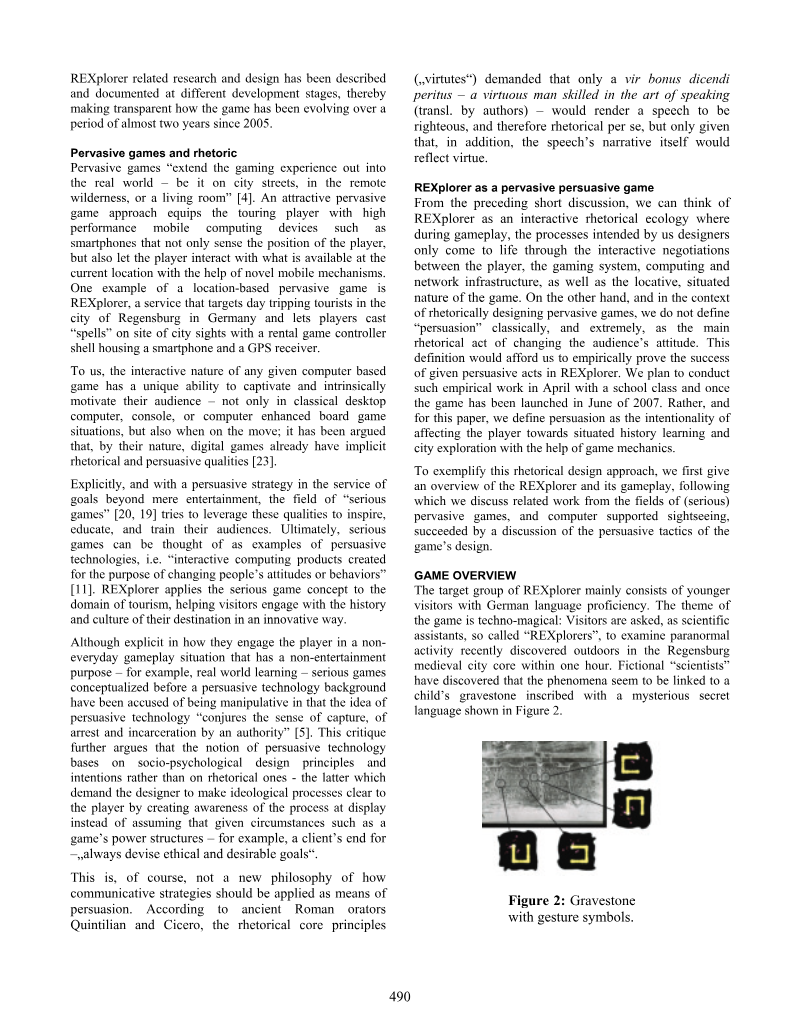
Pervasive Persuasive: A Rhetorical Design Approach to a Location-Based Spell-Casting Game for Tourists
"Pervasive Persuasive" presents REXplorer, a location-based pervasive spell-casting game launched in June 2007 in Regensburg, Germany, and argues for a rhetorical design approach to persuading tourists toward situated history learning and city exploration.
Human, All Too Non-Human: Coop AI and the Conversation of Action
Bart Simon's paper examines how cooperative artificial intelligence in contemporary digital games, particularly Activision's Call of Duty 2, reshapes the relationship between players and machines compared with the competitive human-versus-computer framing established by chess and the 1997 Deep Blue–Kasparov match.
Ghastly Multiplication: Fatal Frame II and the Videogame Uncanny
This paper offers a close-play and close-reading analysis of Fatal Frame II: Crimson Butterfly, a 2003 PlayStation 2 survival horror game developed by Tecmo, to argue that the videogame uncanny is produced not merely by borrowing literary or filmic techniques but through the interplay of operational demands and affective…
Mapping Time in Video Games
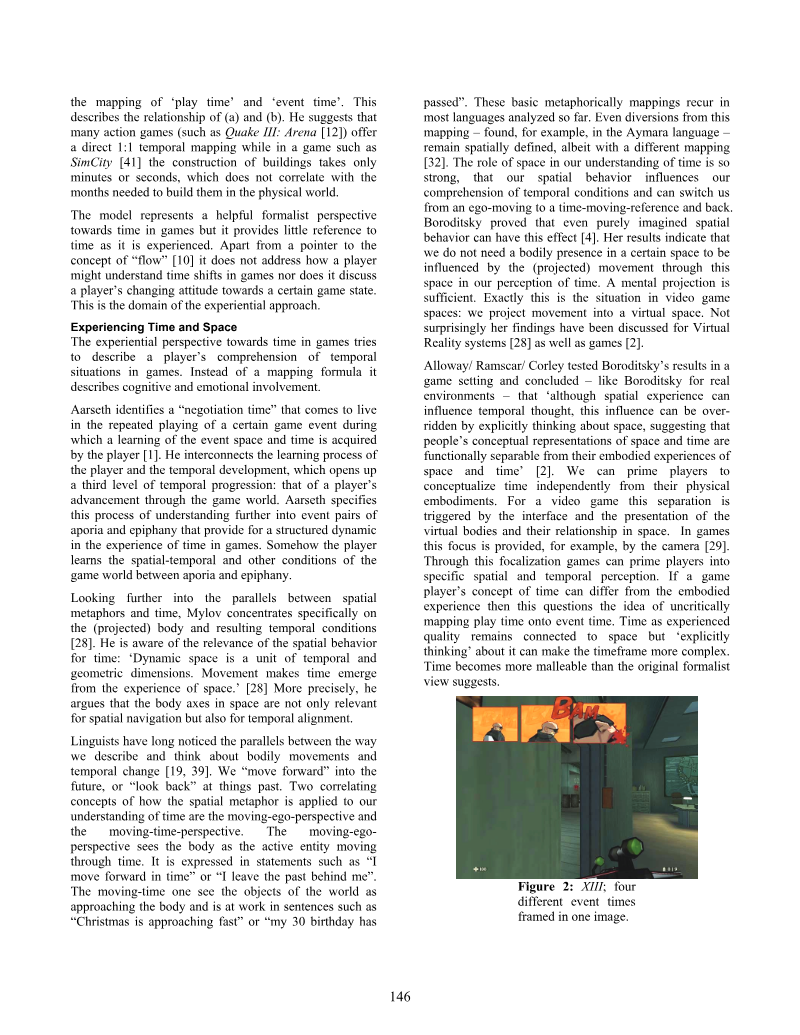
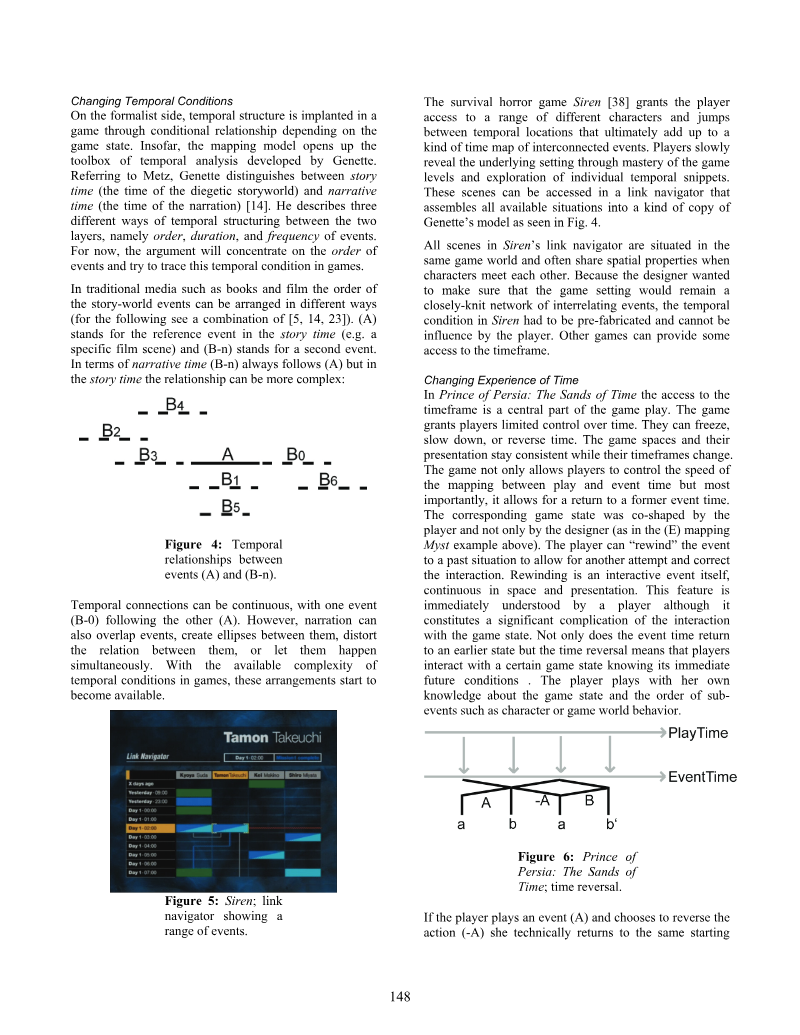
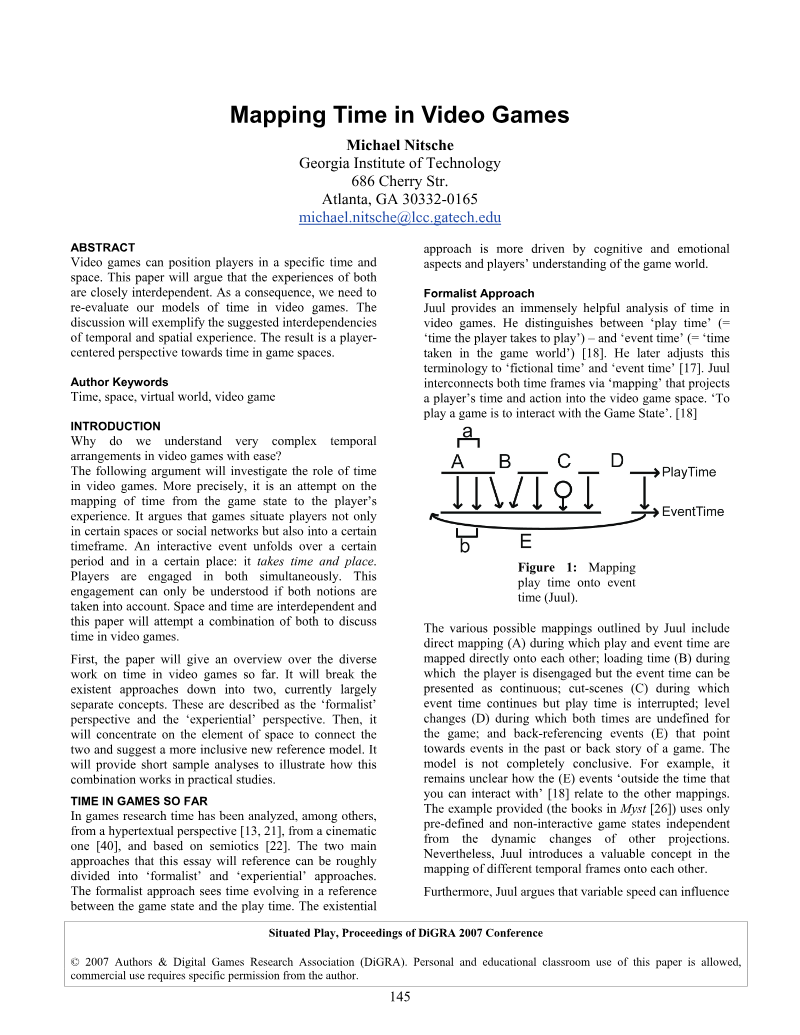
Michael Nitsche's paper "Mapping Time in Video Games" argues that players are situated in both space and time when playing, and that our understanding of temporal structures in games depends on our comprehension of their spatial relationships.
Understanding Pervasive Games through Gameplay Design Patterns
The 2007 study "Understanding Pervasive Games through Gameplay Design Patterns" examines how pervasive games, those that extend play into everyday physical and social spaces, can be characterized and organized through a shared vocabulary of design patterns.
Designing a Game to Model Consumer Misbehavior
This paper argues that computer games, grounded in game design theory, offer a controlled, ethical, and engaging means of studying consumer misbehavior, a phenomenon driven largely by emotion that is difficult to examine through self-reports, direct observation, or role-play.
Peep-Boxes to Pixels: An Alternative History of Video Game Space
Philip Sharp's "Peep-Boxes to Pixels: An Alternative History of Video Game Space" argues that video game arcades emerged from the convergence of leisure practices, technological innovation, and cultural identity rather than from a single line of technical progress.
Temporal Frames: A Unifying Framework for the Analysis of Game Temporality
"Temporal Frames" proposes a formal analytical tool for studying how time operates in games, grounded in a relationist view in which temporal properties arise from relationships among events rather than from time as an independent container.
The Lambent Reactive: Exploring the Audiovisual Kinesthetic Playform
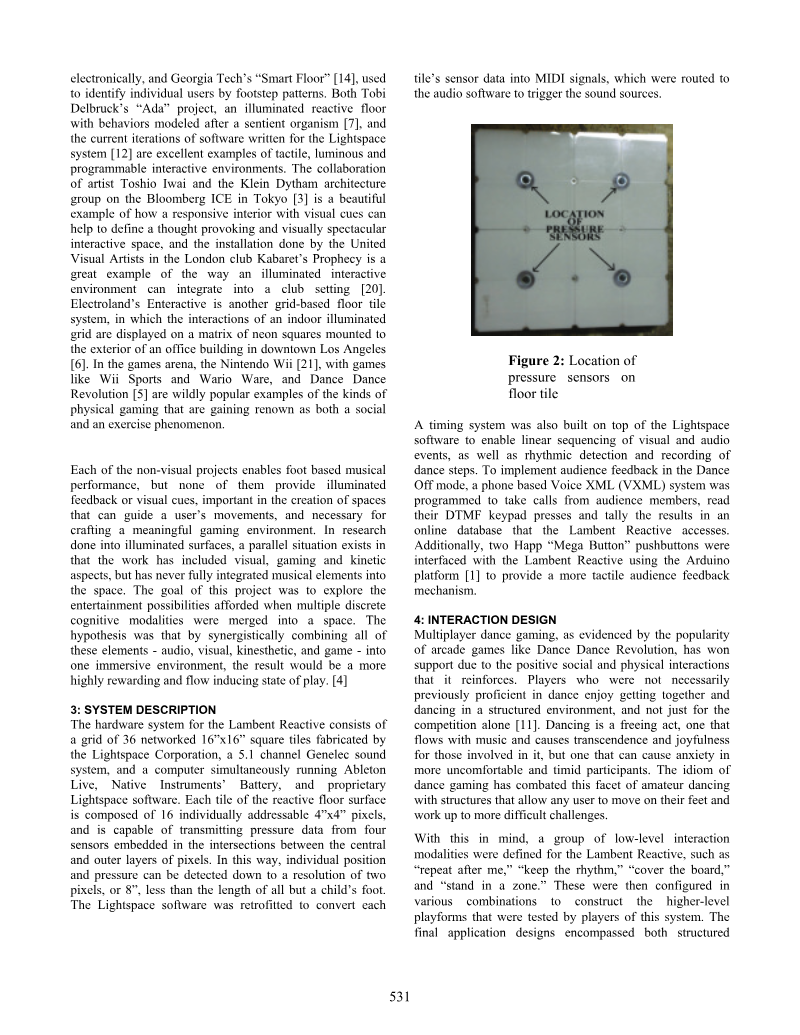
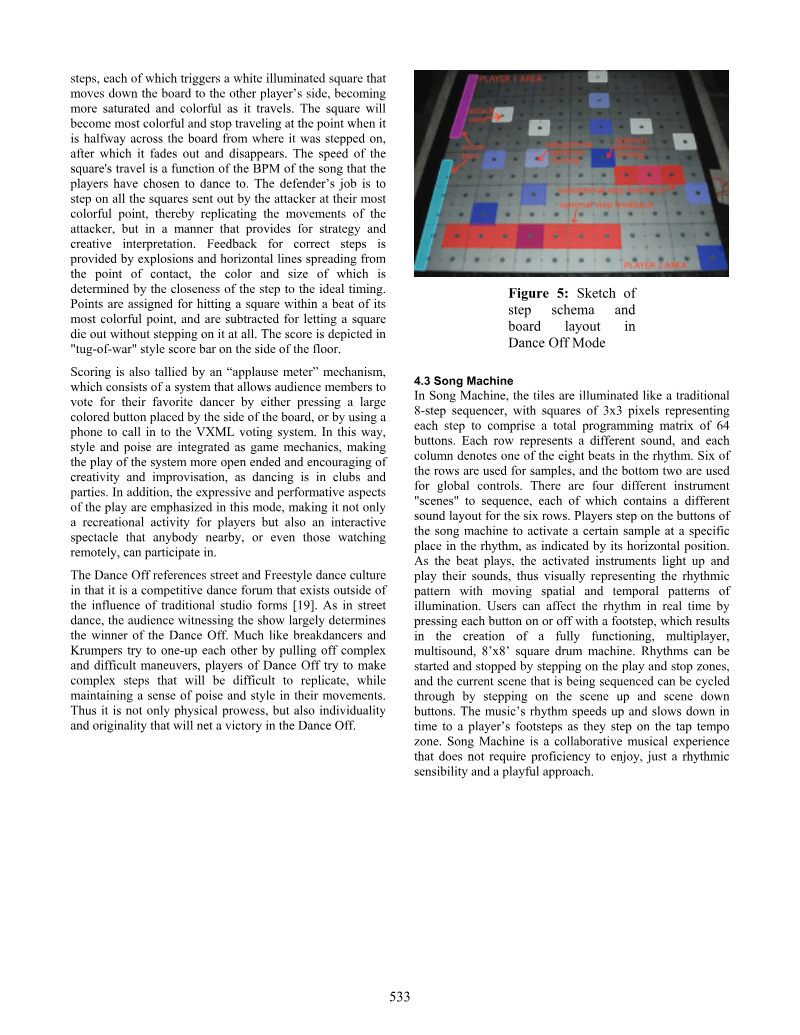
This paper presents the Lambent Reactive, an audiovisual kinesthetic gaming environment built around a 36-tile networked floor of pressure-sensitive, individually addressable light-emitting tiles, paired with a 5.1-channel speaker system and music software.
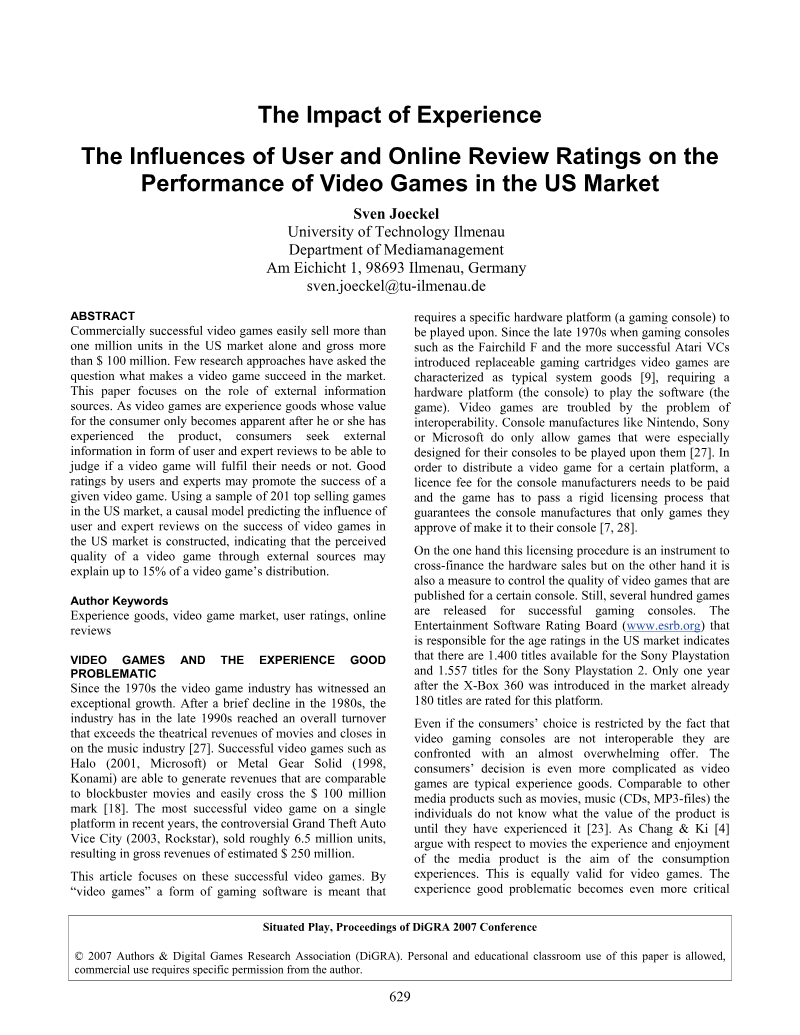
The Impact of Experience: The Influences of User and Online Review Ratings on the Performance of Video Games in the US Market
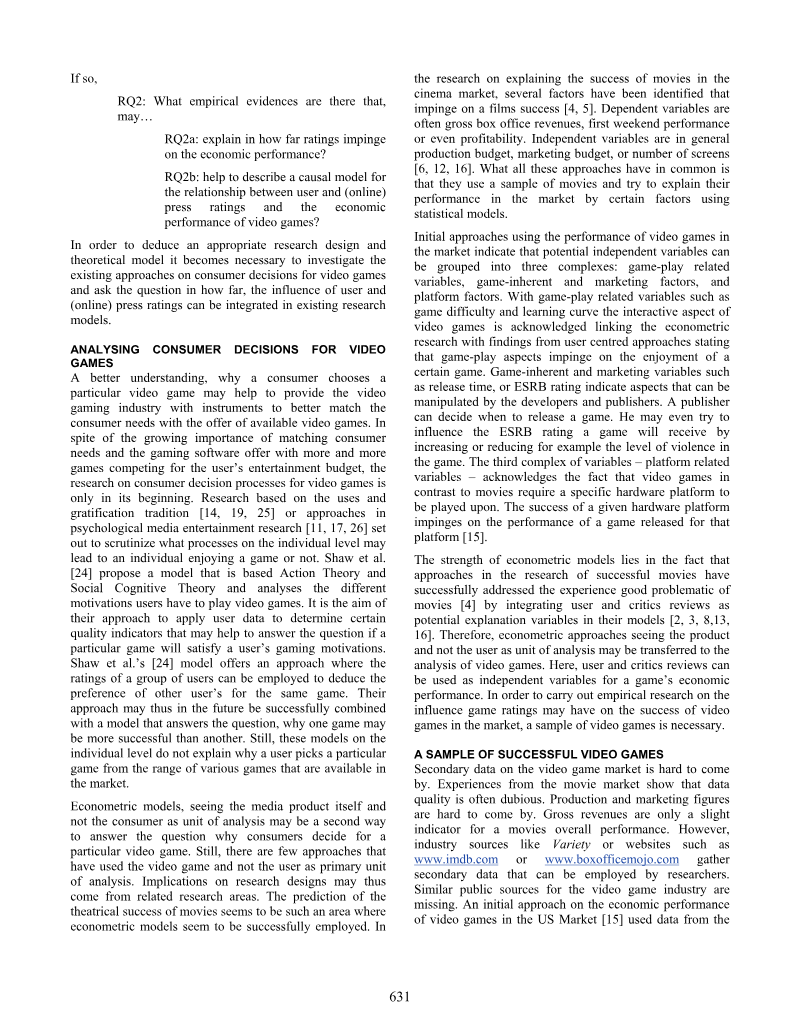
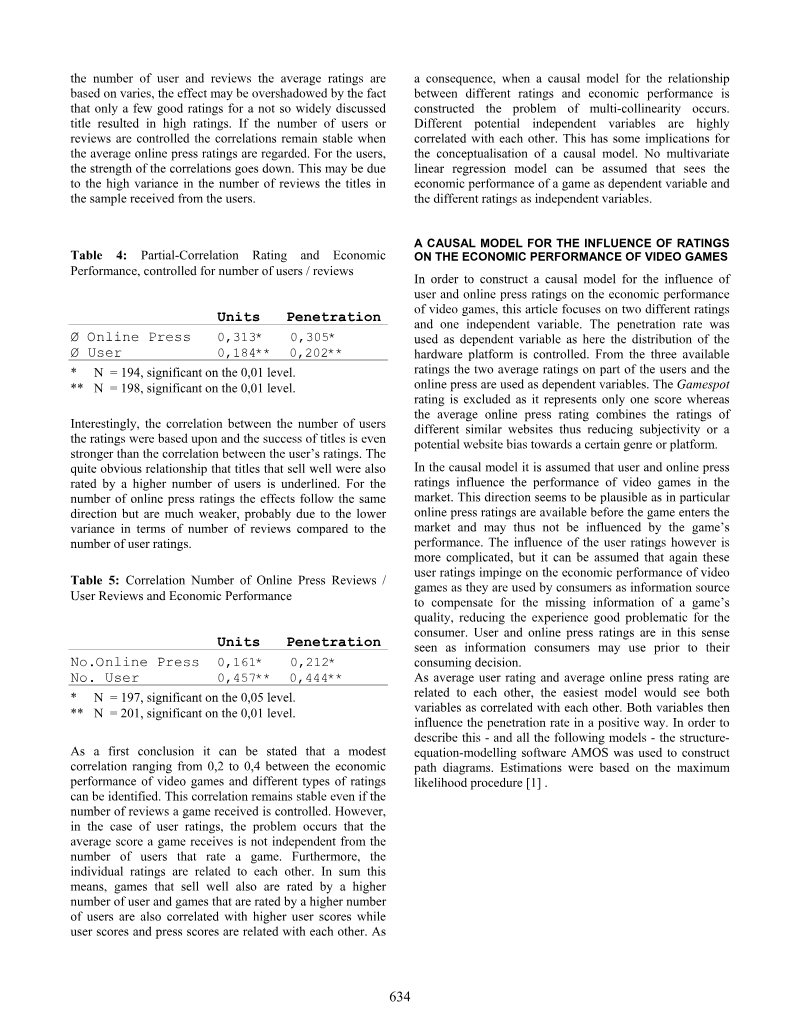
Published research on the US video game market examines whether user and online press ratings function as signals of perceived quality that shape commercial outcomes for experience goods, which buyers cannot fully evaluate before purchase.
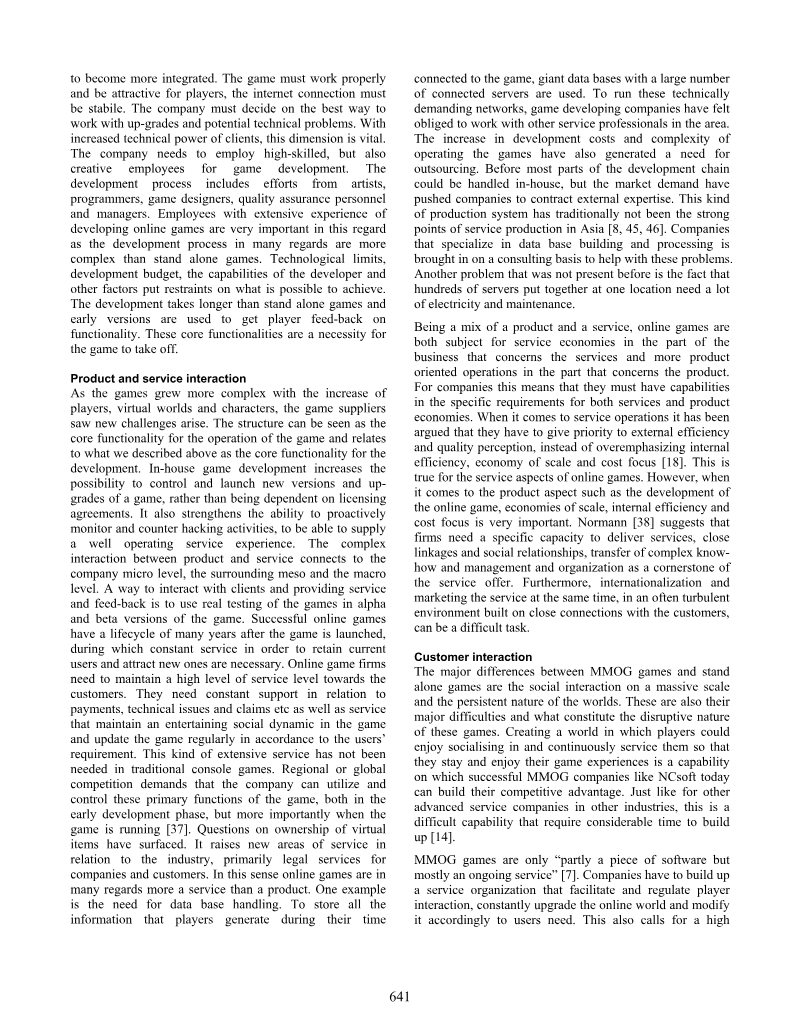
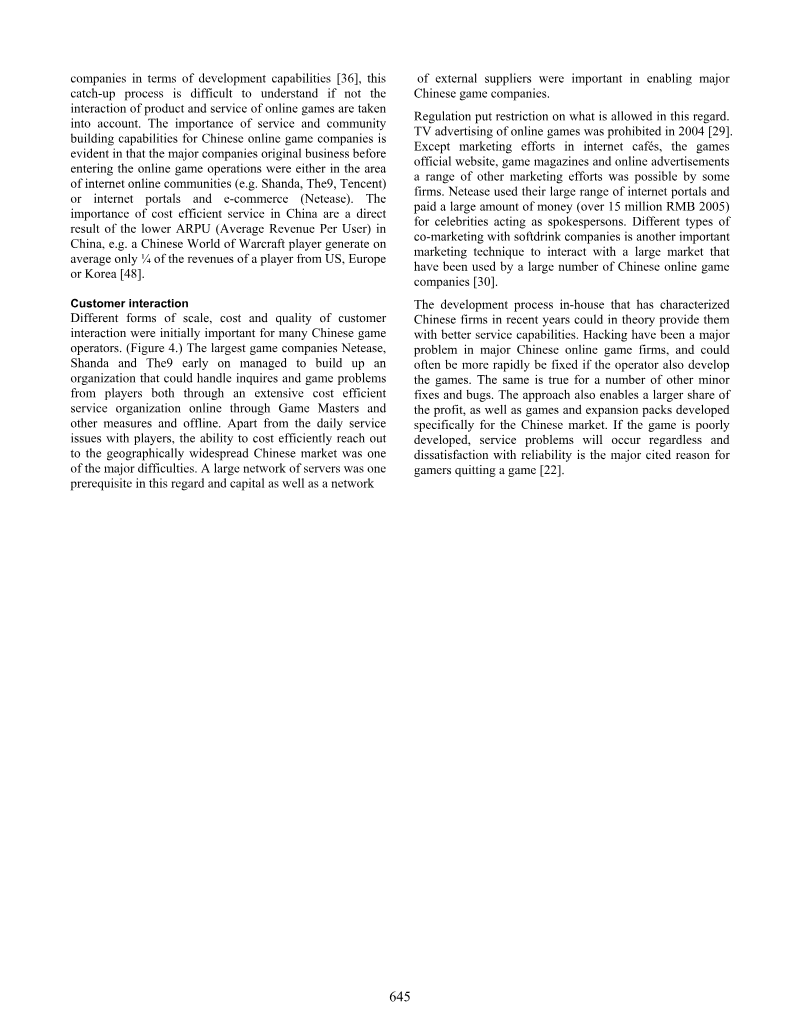
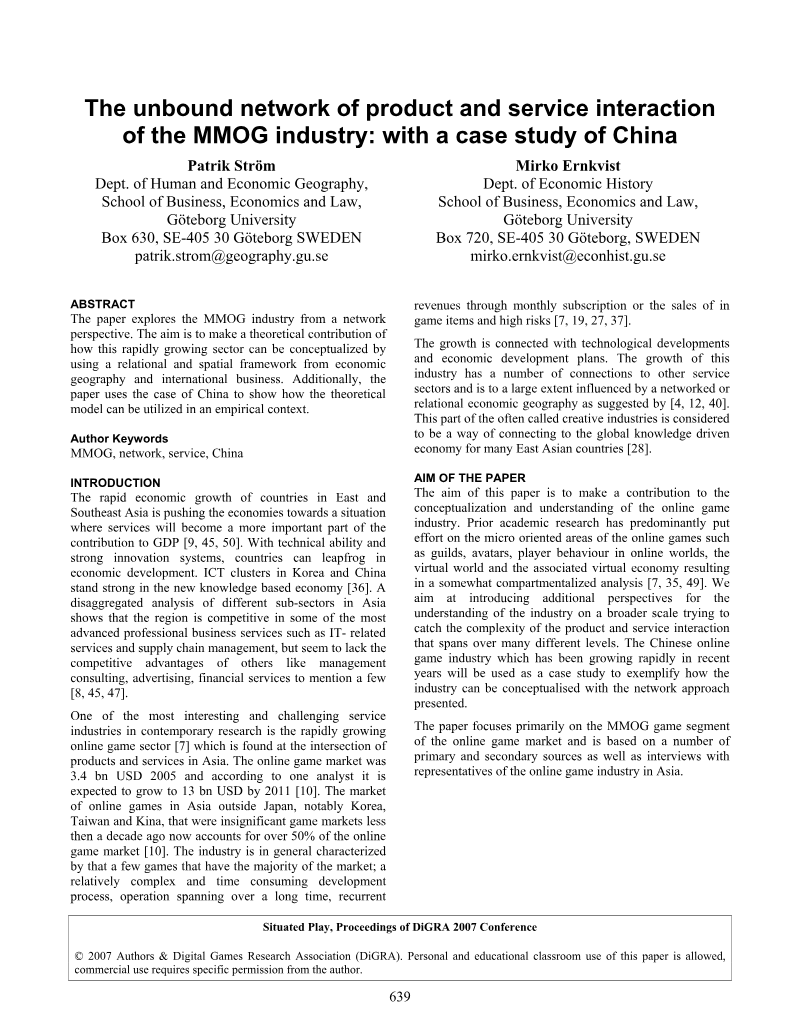
The Unbound Network of Product and Service Interaction of the MMOG Industry: With a Case Study of China
The MMOG industry is presented as a rapidly expanding, knowledge-intensive service sector whose competitive dynamics cannot be fully explained by studying individual firms in isolation.