1 free read left. Create a free account for unlimited reading + AI research.
Create free accountWhitepaper DiGRA
1 free read left. Create a free account for unlimited reading + AI research.
Create free accountWhitepaperDiGRA
Distilling the key insights…
"Pervasive Persuasive" presents REXplorer, a location-based pervasive spell-casting game launched in June 2007 in Regensburg, Germany, and argues for a rhetorical design approach to persuading tourists toward situated history learning and city exploration. The authors define persuasion as the intentional shaping of player behavior, and they build their "pervasive persuasive tactics" on formal and dramaturgical design, using the city's roughly 1,000 medieval and Gothic landmarks, many of them UNESCO-listed, as the stage. Players interact through gesture-based control with a custom detector device, a GPS-equipped smartphone in a shell, and receive a personalized geo-weblog.
The design rests on an iterative, player-centered process that included an on-site focus group with 12 new residents and earlier surveys of school classes. Spatial choices include a walkable city-core layout in which 29 paranormally charged sites serve as graph vertices, while gesture controls are paired with an on-screen fallback for older players. Reward structures, non-linear quests, and saved progress are intended to support replayability and sustained engagement.
The authors are candid that the paper's evidence is preliminary. Affective effectiveness has not been demonstrated beyond a small playtest group, and no outcome data are reported. Empirical follow-up was planned after the summer 2007 launch, including a playtest with a 20-pupil school class. The work draws on human-computer interaction, usability, and game studies scholarship, including usability foundations, educational and serious game research, and studies of location-based and mobile multiplayer gaming. Its contribution is therefore primarily conceptual and design-oriented, offering a framework for persuasive pervasive games whose empirical validation remains to be established.

DiGRA · 2012

DiGRA · 2012

DiGRA · 2012

DiGRA · 2012
DiGRA · 2012
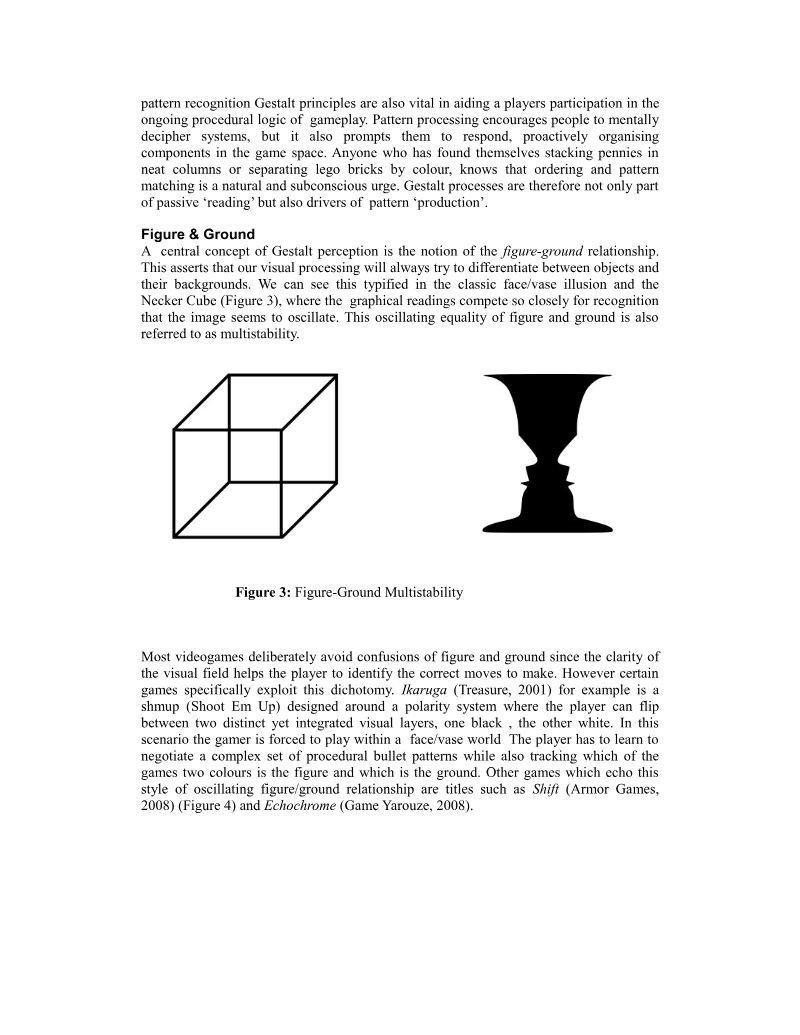
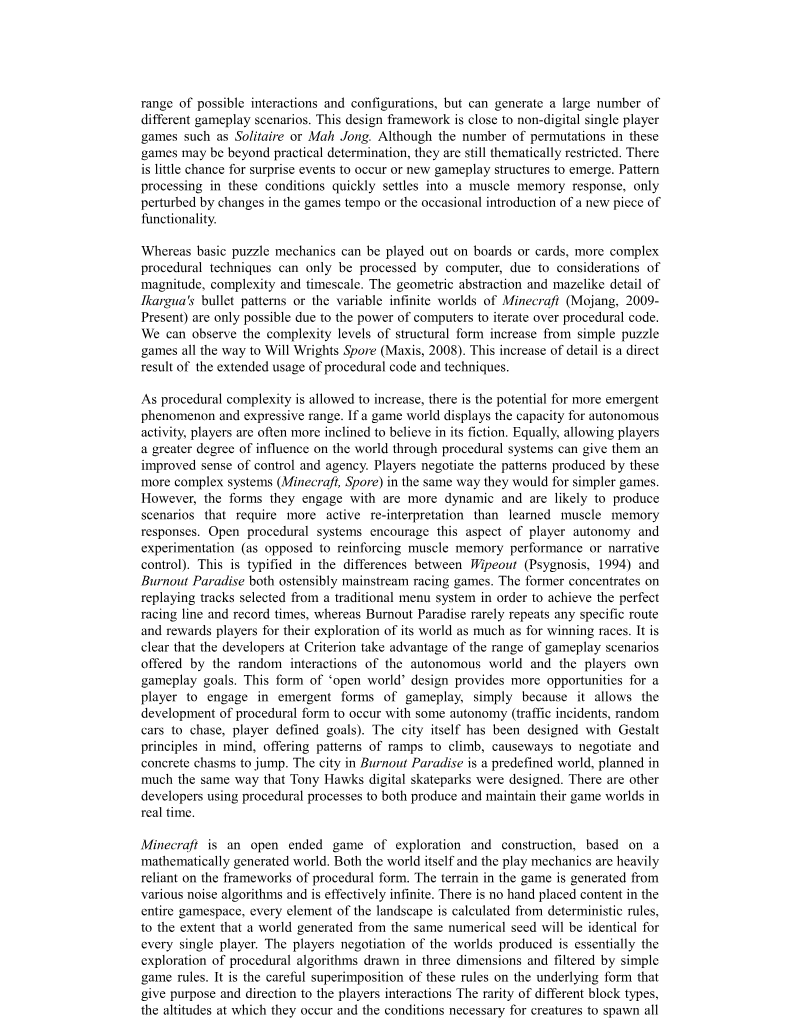
DiGRA · 2011
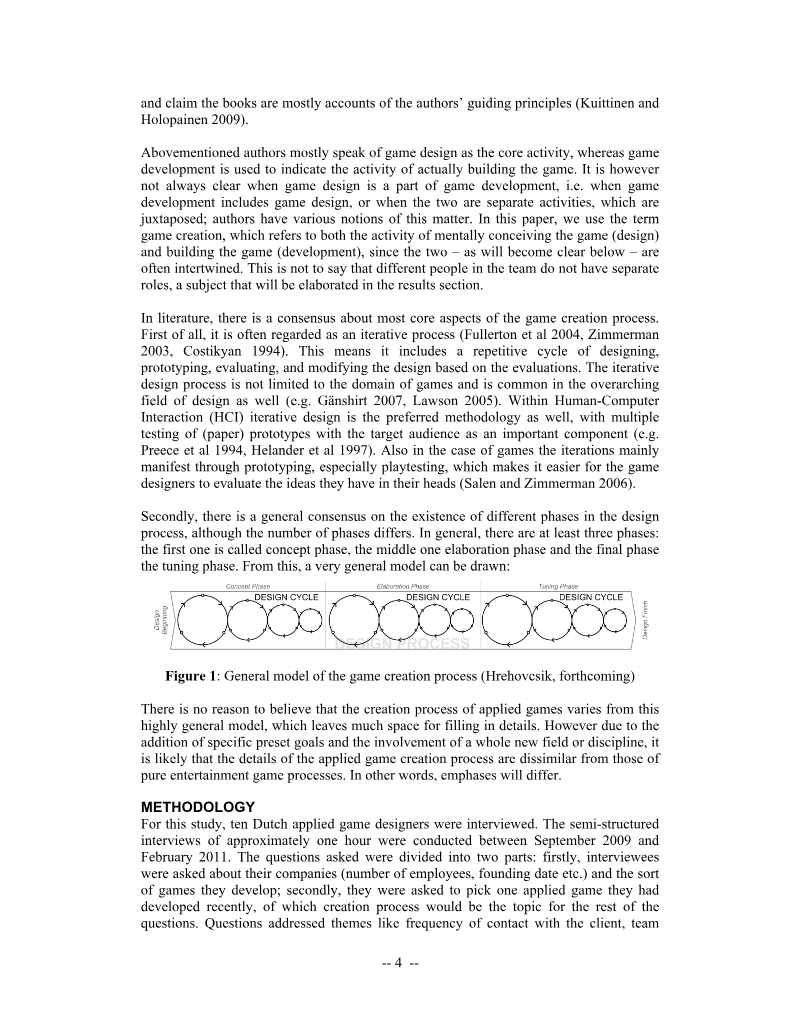
DiGRA · 2011
DiGRA · 2011
DiGRA · 2011
DiGRA · 2011
DiGRA · 2011
DiGRA · 2011
Game Developers Conference · 2020