1 free read left. Create a free account for unlimited reading + AI research.
Create free accountWhitepaper DiGRA
1 free read left. Create a free account for unlimited reading + AI research.
Create free accountWhitepaperDiGRA
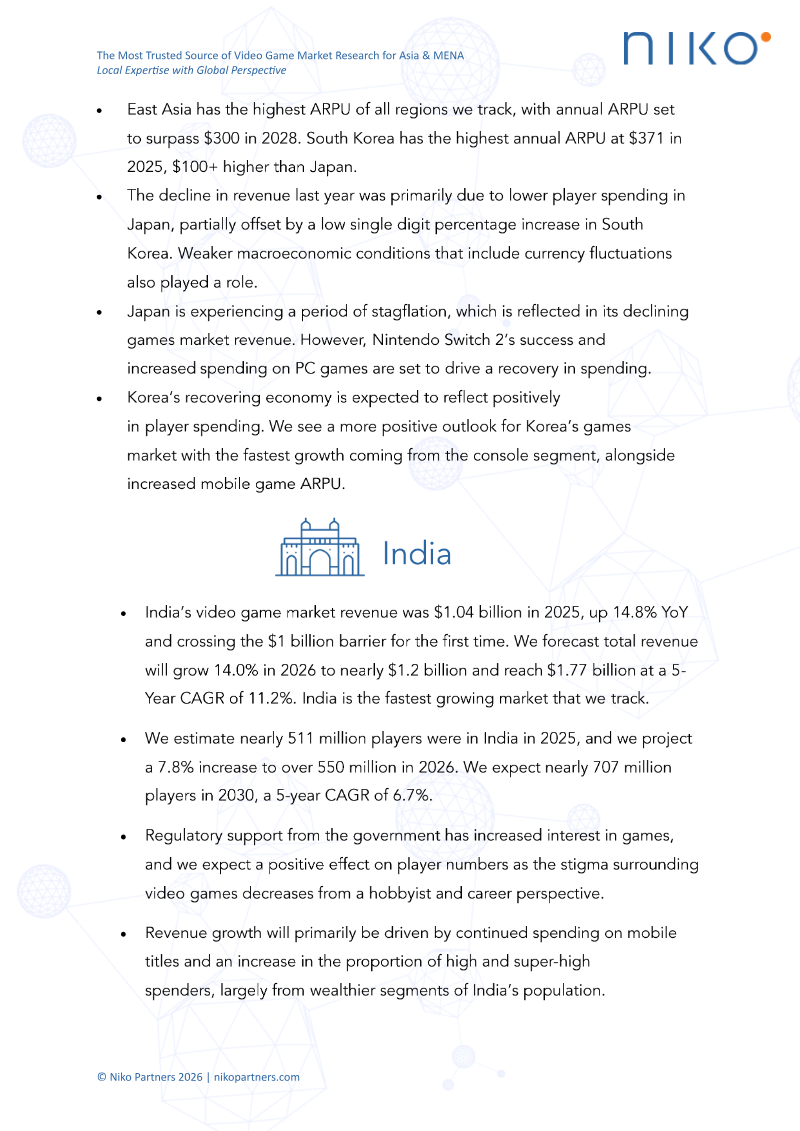
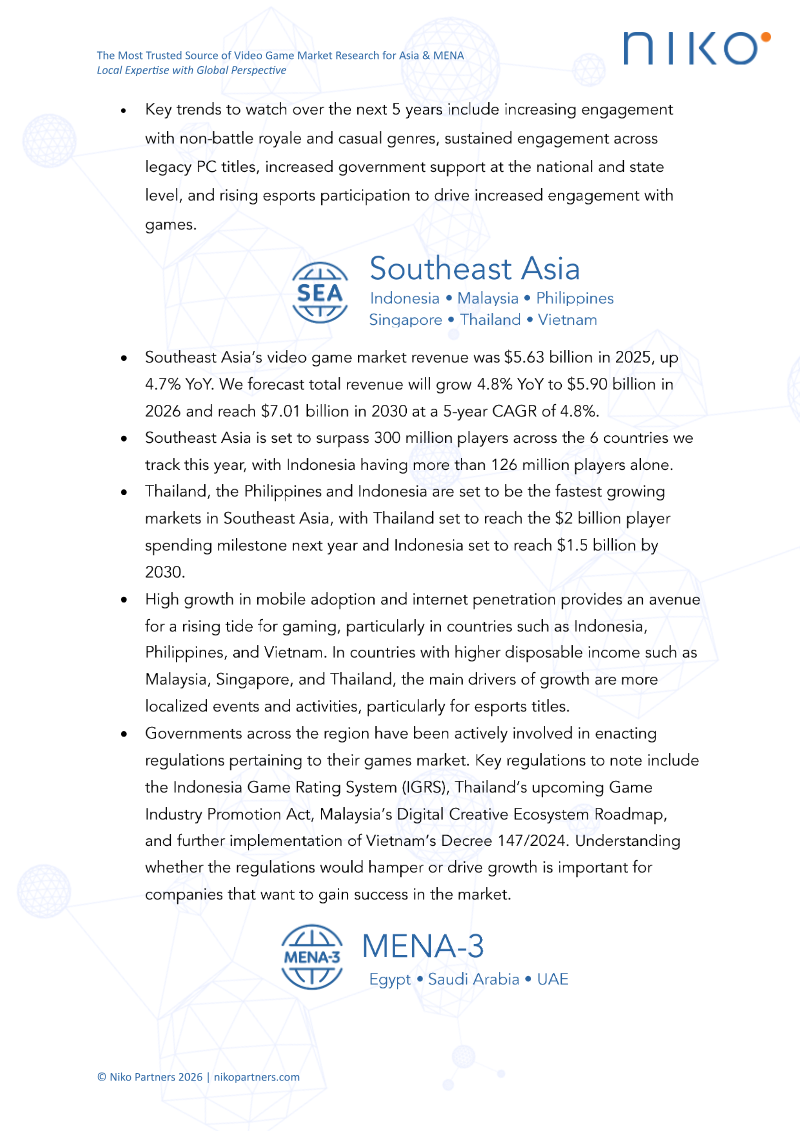
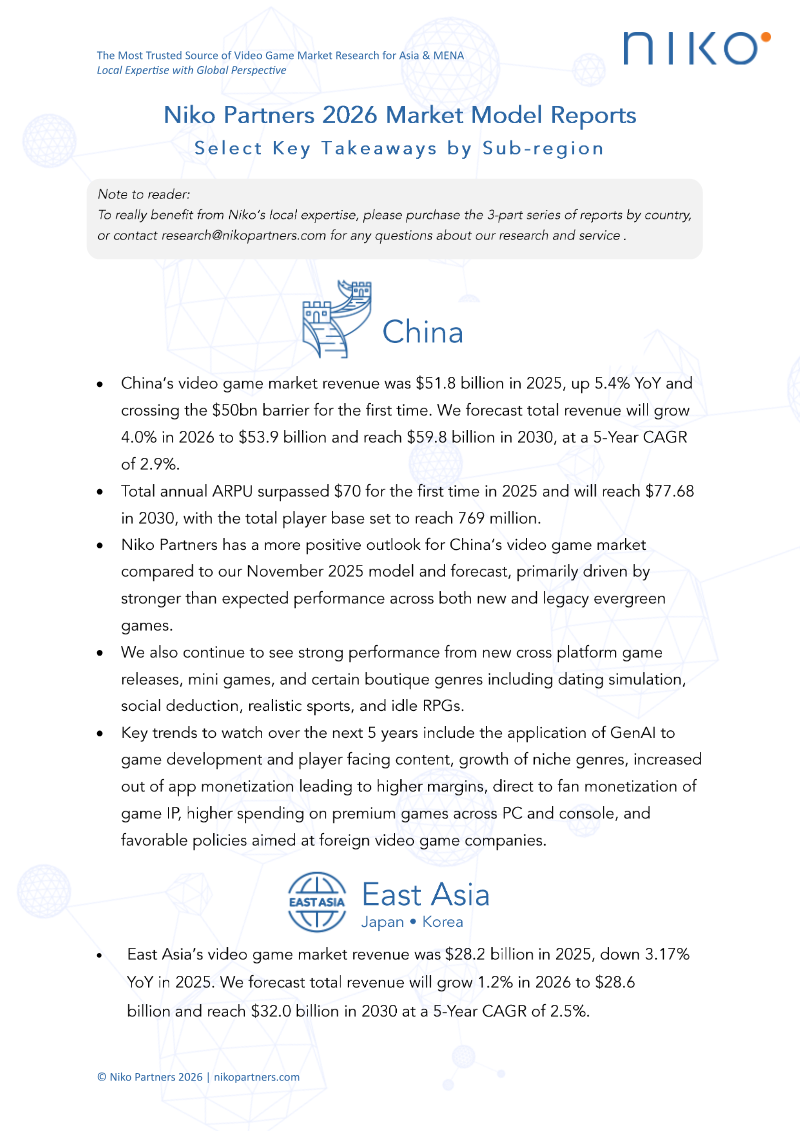
The market is projected to reach $13 billion by 2011. Asia outside Japan accounts for more than half of the market.
The MMOG industry is presented as a rapidly expanding, knowledge-intensive service sector whose competitive dynamics cannot be fully explained by studying individual firms in isolation. Drawing on international business and relational economic geography, the analysis proposes a network-based framework that examines the sector across micro, meso, macro, and meta levels. The central argument is that MMOG operators depend on tightly integrated relationships spanning technology infrastructure, outsourced development, and continuous customer service, forming what is characterized as an "unbound network" of interdependent product and service interactions. The Asian online game market, reportedly worth $3.4 billion in 2005 and projected to reach $13 billion by 2011, serves as the backdrop for this inquiry, with Asia outside Japan accounting for more than half of the market.
China serves as the primary case study. Chinese online game companies are shown to have built competitiveness through cost-efficient customer service, extensive distribution networks such as point-card sales through internet cafés, and early reliance on licensed foreign titles. Financing through venture capital and stock market listings played a central role in their growth. The analysis also documents a shift in revenue models from monthly subscriptions toward free-to-play with in-game item sales, attributed to average revenue per user in China being roughly a quarter of levels in the United States, Europe, or Korea.
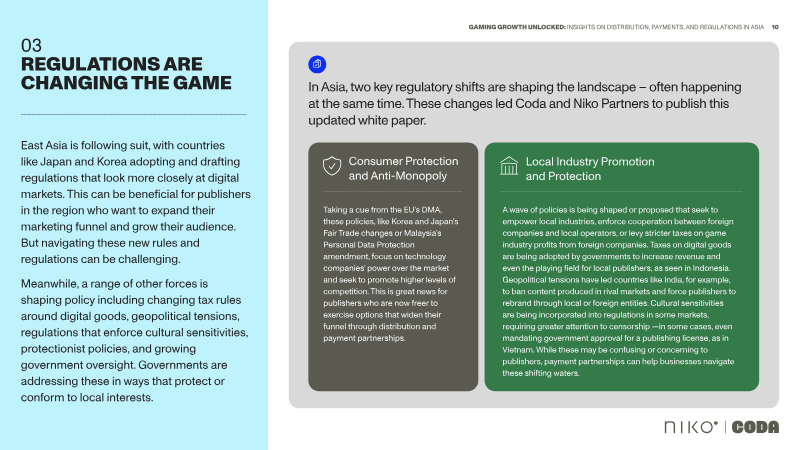
The study finds that government policy has been notably ambivalent. Authorities promote domestic development through measures such as inclusion in the 863 national high-tech program, tax incentives, and financial support, while simultaneously tightening oversight of content, capping foreign ownership at 50 percent, restricting real-money trading, and imposing censorship such as the 2004 ban on television advertising for online games. The authors conclude that as the industry expands, managing this complex value chain across development, launch, and operation will require distinct strategic capabilities, and that the relational network approach will grow increasingly important for understanding the sector.
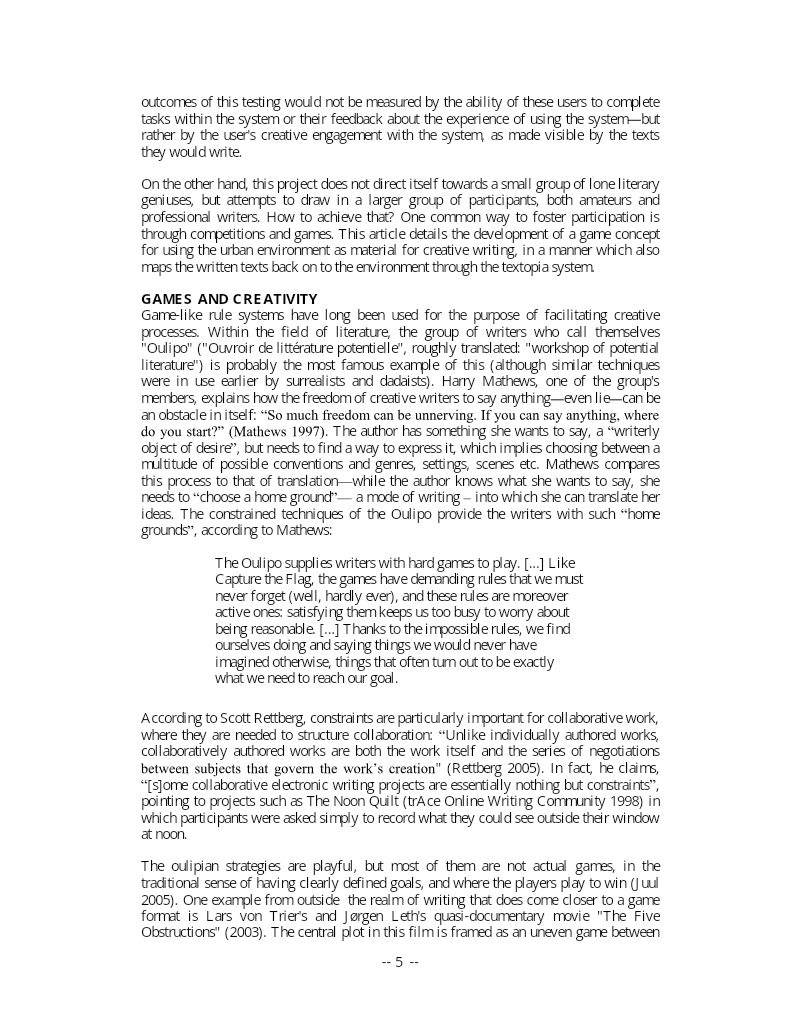
DiGRA · 2012
DiGRA · 2012
DiGRA · 2012
DiGRA · 2012
DiGRA · 2012
DiGRA · 2011
DiGRA · 2011
DiGRA · 2011
DiGRA · 2011

DiGRA · 2011
DiGRA · 2011
DiGRA · 2011
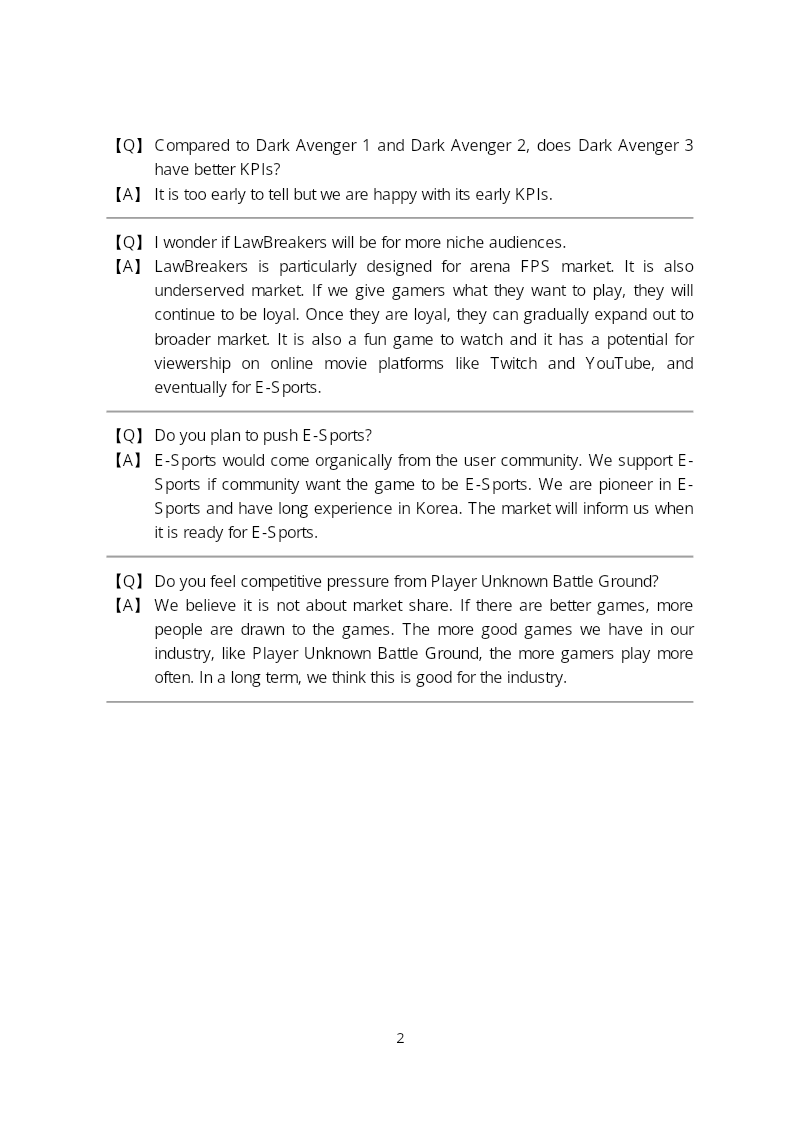
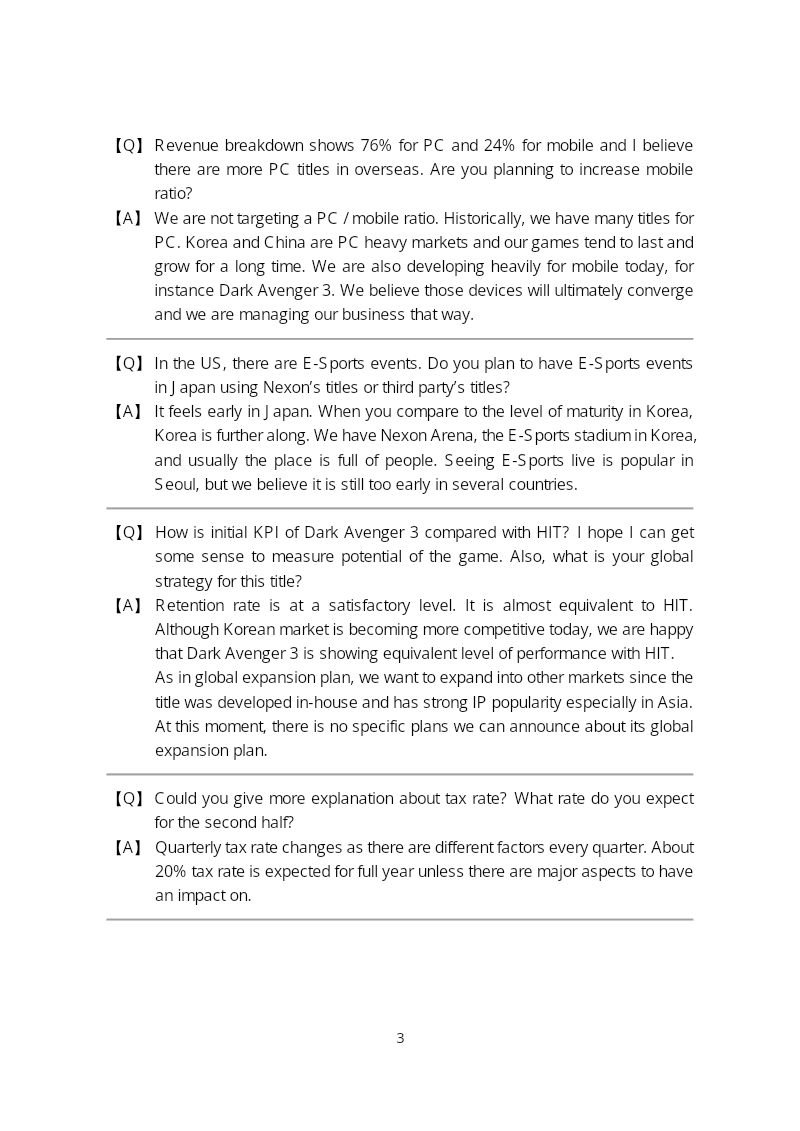
NEXON Co. · 2017