1 free read left. Create a free account for unlimited reading + AI research.
Create free accountWhitepaper DiGRA
1 free read left. Create a free account for unlimited reading + AI research.
Create free accountWhitepaperDiGRA
Ratings are treated as a way to reduce purchase uncertainty for experience goods, which buyers cannot fully evaluate before buying.
Published research on the US video game market examines whether user and online press ratings function as signals of perceived quality that shape commercial outcomes for experience goods, which buyers cannot fully evaluate before purchase. The study draws on a non-random sample of 201 top-selling titles, each exceeding one million units sold between 1995 and 2005, with data sourced from videogamecharts.com. Its analysis centers on console games from the PlayStation 2 era and other platforms, and it treats ratings as a means of reducing purchase uncertainty.
The core findings indicate a moderate positive relationship between ratings and sales performance, with Pearson correlations of roughly 0.26 to 0.36 and user ratings and online press ratings emerging as the strongest predictors. Structural modeling shows that both user and online press ratings load onto a latent perceived quality construct, which accounts for approximately 13 to 15 percent of the variance in penetration rate, with a standardized direct effect of .39. User review volume contributes a weaker additional signal. Notably, high ratings alone do not guarantee commercial success, since many critically acclaimed titles failed to reach the one-million-unit threshold.
The authors conclude that ratings operate as an informative market signal, though their influence is modest relative to other determinants such as publisher reputation, genre, marketing expenditure, and platform distribution. They suggest that publishers may benefit from assessing perceived quality before release, while acknowledging that the sample's non-representative design and the omission of variables such as game characteristics and marketing limit the generalizability of these results and point toward the need for further research.
Each row is a game or company this document names, each column a document, oldest first. A mark means that document names it. Select a row to see those documents.

DiGRA · 2012
DiGRA · 2012
DiGRA · 2012
DiGRA · 2012
DiGRA · 2012
DiGRA · 2011
DiGRA · 2011
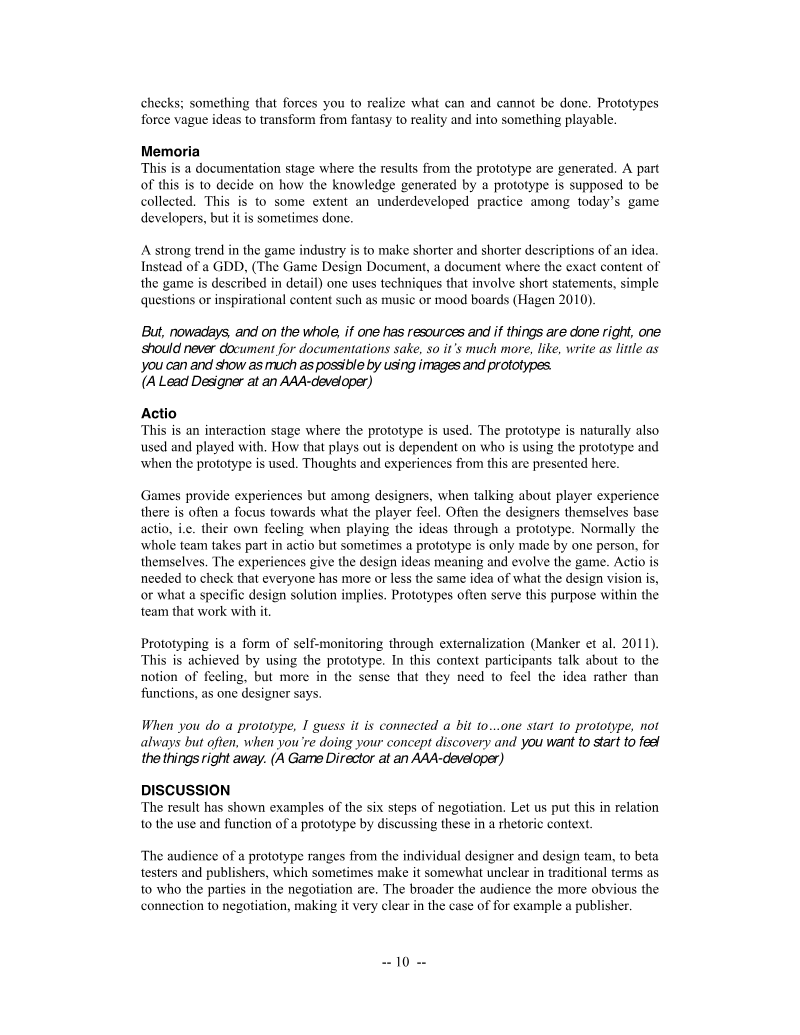
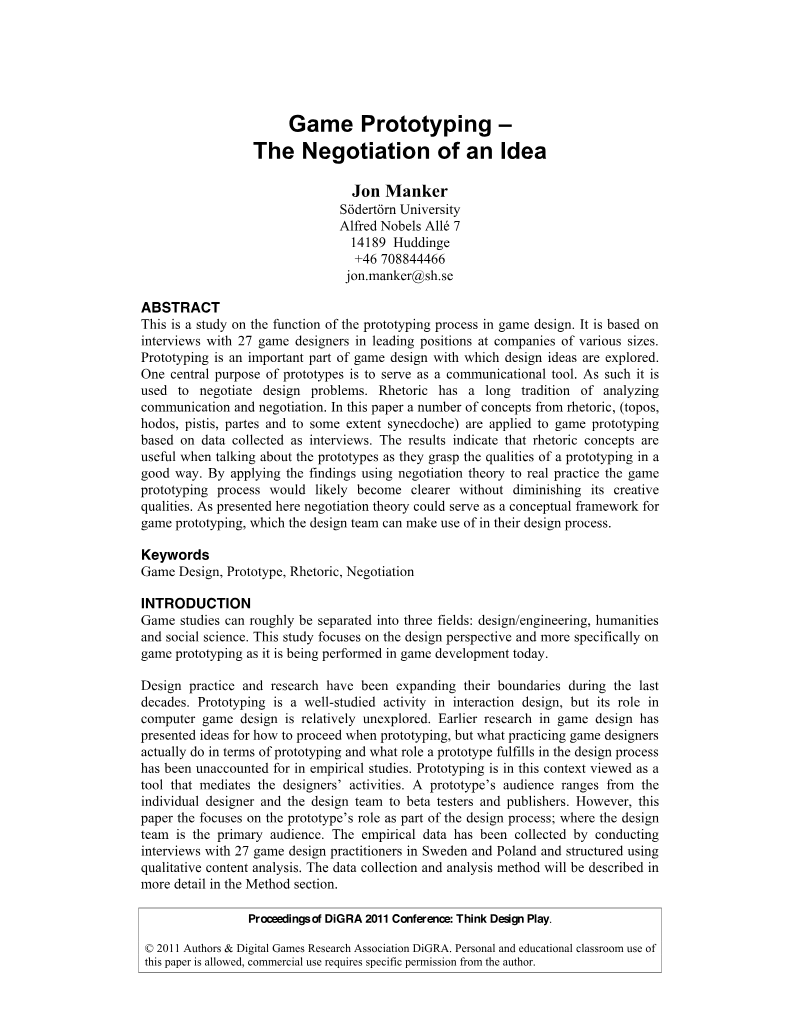
DiGRA · 2011
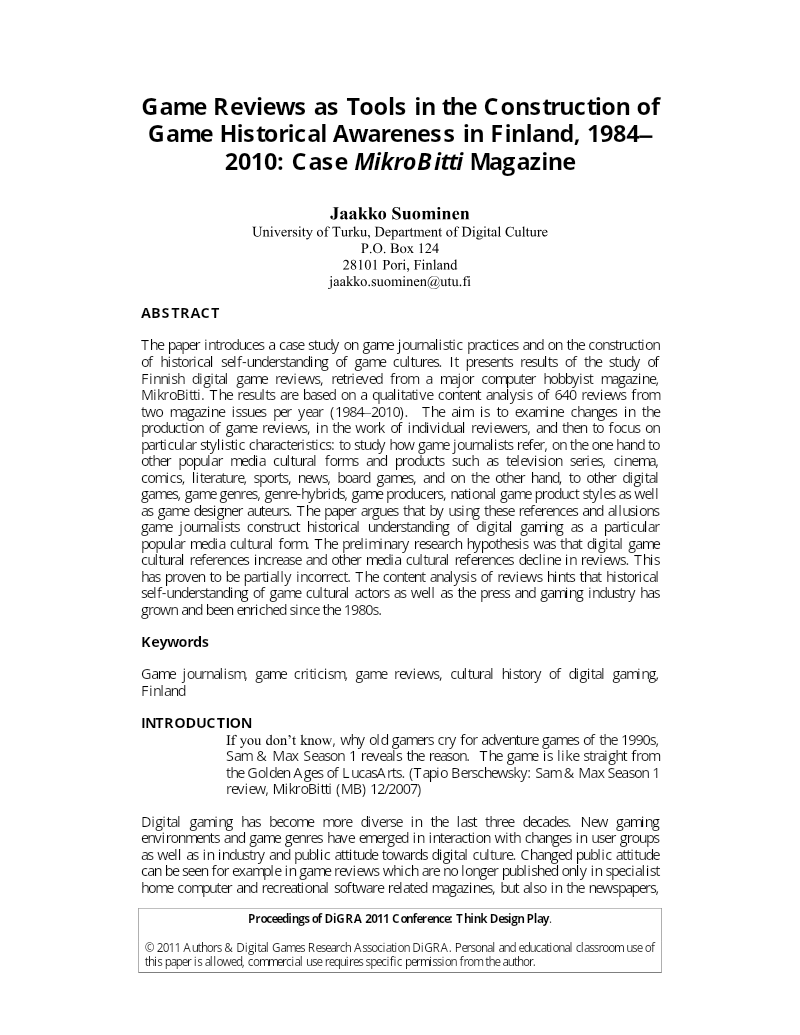
DiGRA · 2011

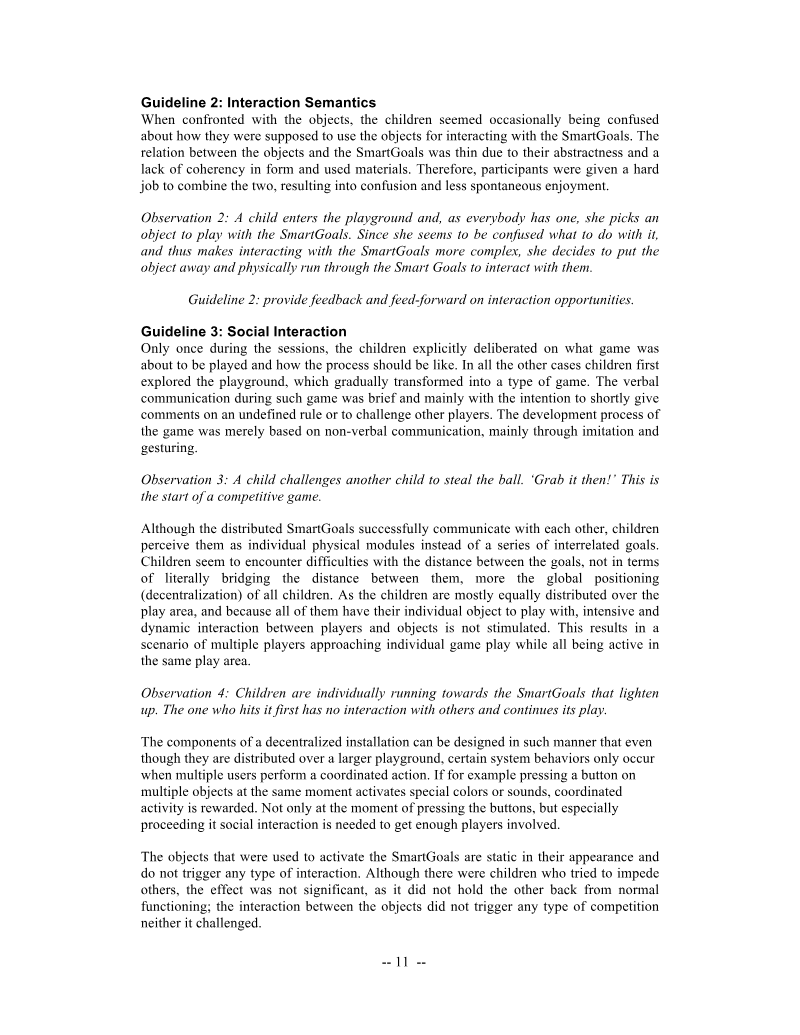
DiGRA · 2011
DiGRA · 2011
DiGRA · 2011
The Game Business · 2026