User Acquisition reports and market data
Documents
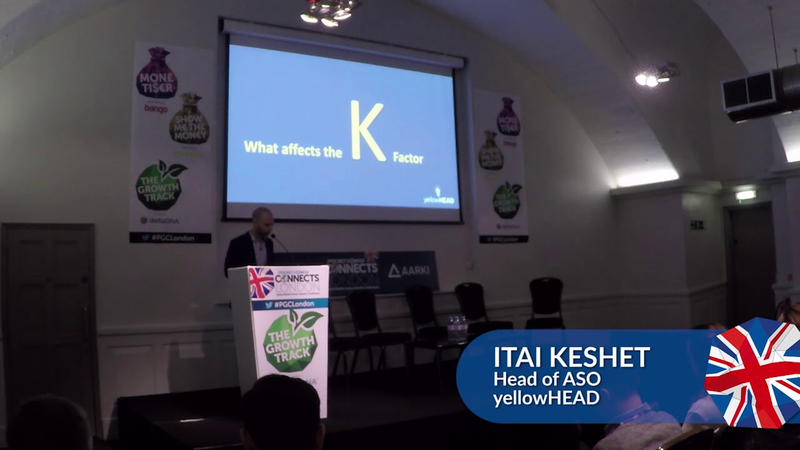
How to gain more users with complementing organic and paid strategies
The integration of organic and paid user acquisition strategies is essential for maximizing app discoverability and growth.
- Paid user acquisition (UA) drives organic growth through the 'K-factor,' which represents the number of organic installs gained for every paid install.
- The K-factor varies significantly by industry; for example, transportation apps average 17 organic installs per paid install due to their inherent viral and community-driven nature.
- A/B testing creative assets for organic App Store Optimization (ASO) can improve paid campaign performance, with winning themes applied to paid ads yielding up to a 20% increase in conversion rates.
Digital marketing in Asia (China, Japan and South Korea)
The digital marketing landscape in Asia—specifically China, Japan, and South Korea—requires a multifaceted strategy that balances paid performance-based advertising with organic engagement.
- In the Chinese market, companies should prioritize organic search and social strategies alongside paid media, specifically leveraging Baidu SEO and WeChat subscription accounts to build community engagement.
- WeChat is the dominant platform for interactive marketing in China, offering superior functionality compared to Western social media for gathering user feedback and managing direct communication through subscription accounts.
- For successful market entry in Japan, utilize pre-order platforms one month before product launch to capture feedback from the country's highly penetrated gamer demographic.
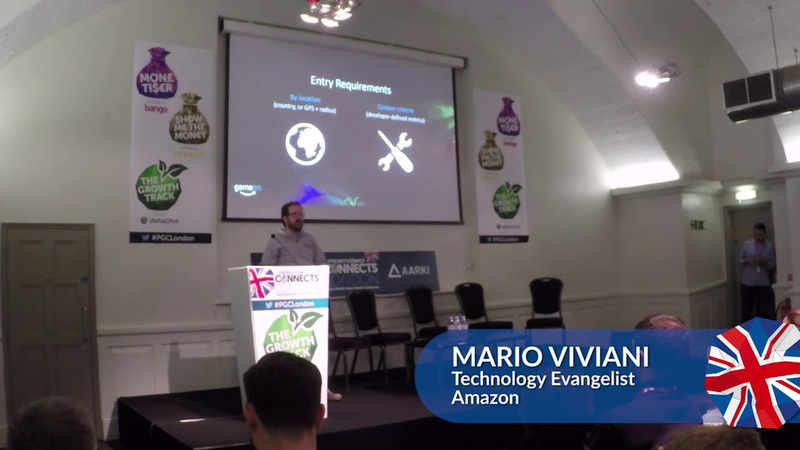
The case for adding competitive elements to your game
The integration of competitive elements into mobile and cross-platform games serves as a primary driver for player engagement, retention, and monetization.
- Integrating competitive elements like tournaments and leaderboards significantly boosts monetization, with early adopters reporting a 106% increase in free-to-play conversion rates and a 500% surge in new paying users.
- Amazon provides a suite of cross-platform, engine-agnostic APIs that enable developers to implement complex competitive features such as leagues and tournaments without requiring frequent client-side patches.
- The service supports customizable tournament entry requirements, including geographic gating via GPS and player-specific status like VIP tiers.
Identifying gold standards for mobile game acquisition and retention
The mobile gaming industry is currently undergoing a significant maturation process, characterized by a shift from a singular focus on user acquisition (UA) toward a more balanced strategy that integrates sophisticated retention and revenue optimization.
- Mobile game developers are shifting from a singular focus on user acquisition toward a balanced strategy that integrates sophisticated retention and revenue optimization to combat rising acquisition costs.
- Developers are moving away from generic industry benchmarks in favor of proprietary, data-driven predictive modeling to maximize lifetime value.
- High-performing creatives are critical to success, necessitating a strategy of rapid testing and discarding of underperforming ads to optimize the player's first brand interaction.
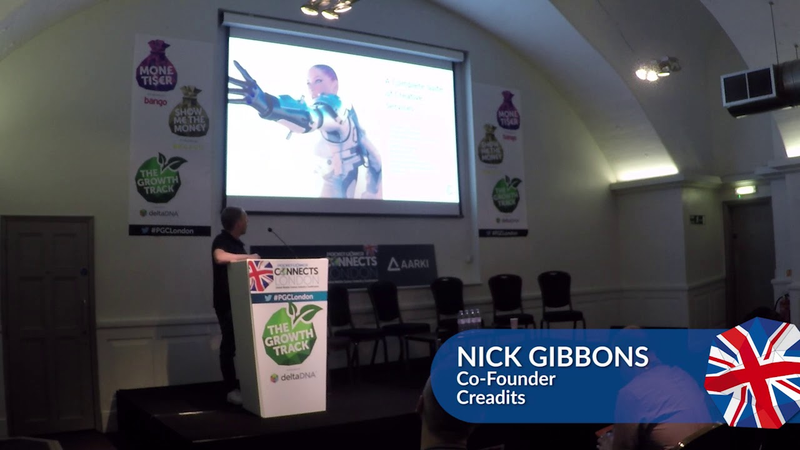
Building a creative machine for the digital marketing landscape of today
The digital marketing landscape is increasingly defined by automated, algorithmic campaign management, which has effectively commoditized media buying and reduced the level of control available to advertisers.
- Creative assets have become the primary lever for competitive differentiation and ROI as automated, black-box algorithmic management commoditizes media buying.
- Rising media costs across major platforms necessitate a shift from sporadic creative production to an always-on, performance-driven model to maintain profitability.
- Scaling creative output is the core challenge for modern marketing teams, as internal resource constraints limit the volume of concepts available for testing.
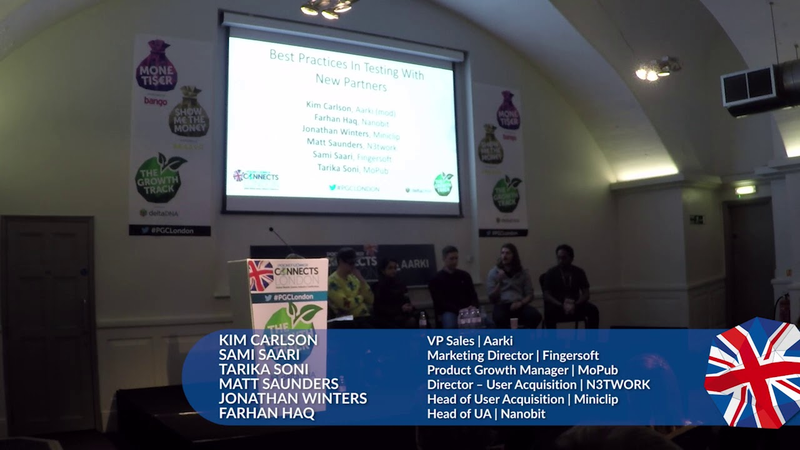
Best practices in testing with new partners
User acquisition strategies in the mobile gaming industry currently center on balancing the dominance of major platforms like Facebook and Google with the necessity of diversifying reach through alternative partners.
- Limit active ad networks to fewer than ten trusted partners to maintain operational efficiency and prevent resource fragmentation.
- Prioritize direct providers over intermediaries and conduct rigorous vetting to ensure traffic transparency and genuine incremental value.
- Mitigate financial risk by utilizing low-risk pricing models like cost-per-install or cost-per-action before transitioning to complex bidding strategies.
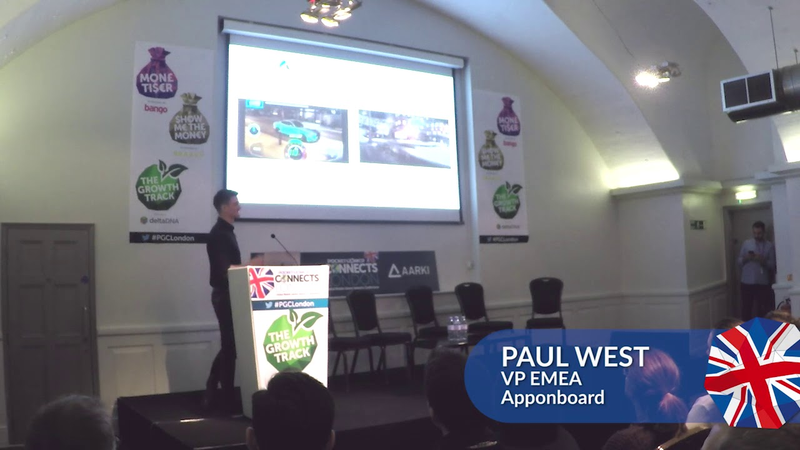
The evolution (past, present and future) of mobile apps and the App Store
The evolution of mobile application distribution centers on the critical challenge of managing consumer trust and attention in a market defined by an abundance of choice.
- Reducing application package (APK) size is a critical driver of conversion, with Google Play Store data showing that every 10-megabyte reduction leads to a 1.5% increase in conversion rates.
- Implementing 'instant' app experiences, such as Google Play Instant, allows users to access core gameplay in seconds, which can boost new user acquisitions by up to 19%.
- Instant trials significantly improve long-term engagement, with case studies demonstrating up to a 30% increase in both day-one and day-seven user retention.
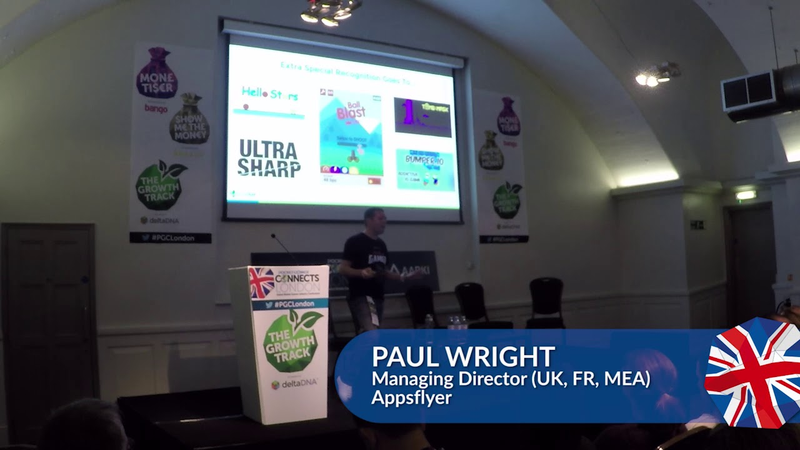
The staggering rise of mobile app gaming – 2018 insights
The mobile gaming industry has reached a pivotal milestone, with mobile platforms now commanding the majority share of the global $137 billion gaming market.
- Mobile platforms now hold the majority share of the $137 billion global gaming market, driven by the widespread availability of high-performance mobile hardware.
- Mid-core and strategy titles dominate the market, accounting for 52% of all non-organic installs, while hyper-casual games experienced a 300% growth surge in a single quarter.
- Organic growth multipliers have diminished, forcing developers to rely on paid acquisition strategies despite rising costs-per-install (CPI), which remain consistently higher on iOS than on Android.
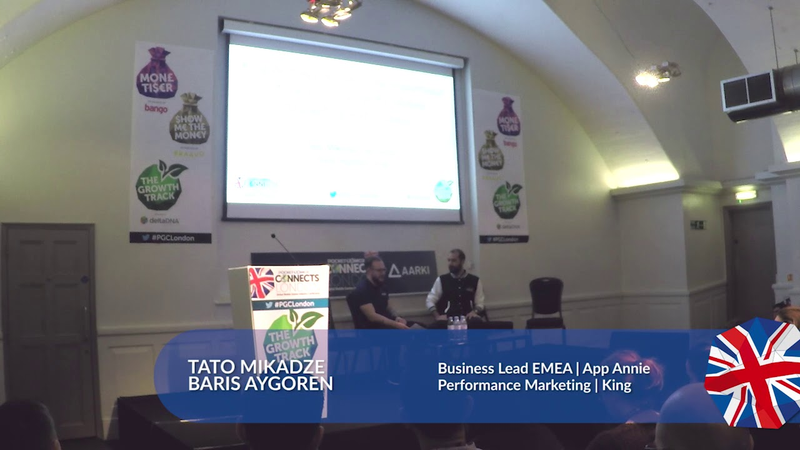
King and App Annie – The importance of data for successful mobile marketing and strategy
The mobile gaming industry has transitioned from a reliance on gut feeling and focus groups to a highly sophisticated, data-driven environment.
- Mobile gaming strategy has shifted from intuition-based decision-making to a data-centric model driven by machine learning, rigorous A/B testing, and granular performance metrics.
- Market trends, including ad network efficacy, creative formats, and genre popularity, shift rapidly, necessitating constant strategic adaptation at least every six months.
- Success in the current market requires synthesizing cross-app usage data, demographic insights, and internal KPIs like retention and monetization to maintain top-grossing positions.
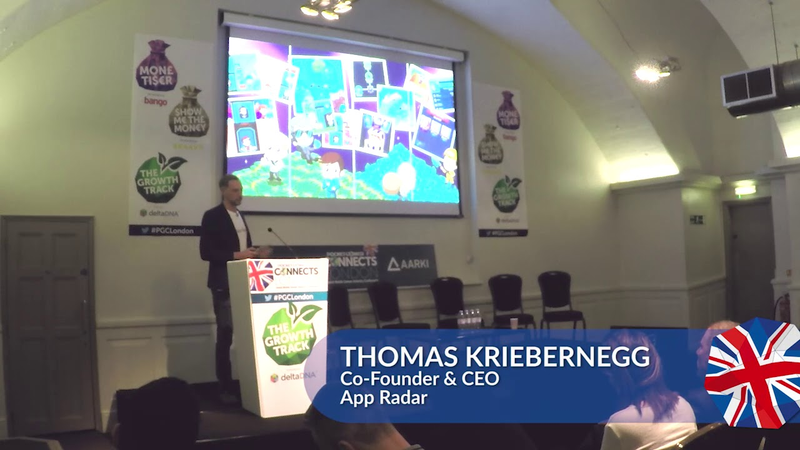
Do players find your games?
App Store Optimization (ASO) serves as a critical strategy for mobile game developers to increase organic visibility and drive sustainable downloads without relying solely on paid user acquisition.
- App Store Optimization (ASO) provides a sustainable, automated growth mechanism for organic visibility that persists independently of paid user acquisition budgets.
- Effective ASO requires prioritizing descriptive app names and subtitles containing relevant keywords over brand-only titles to capture high-intent search traffic.
- Keyword strategy should focus on terms where a game can realistically achieve a top-five ranking by balancing search popularity with achievability.
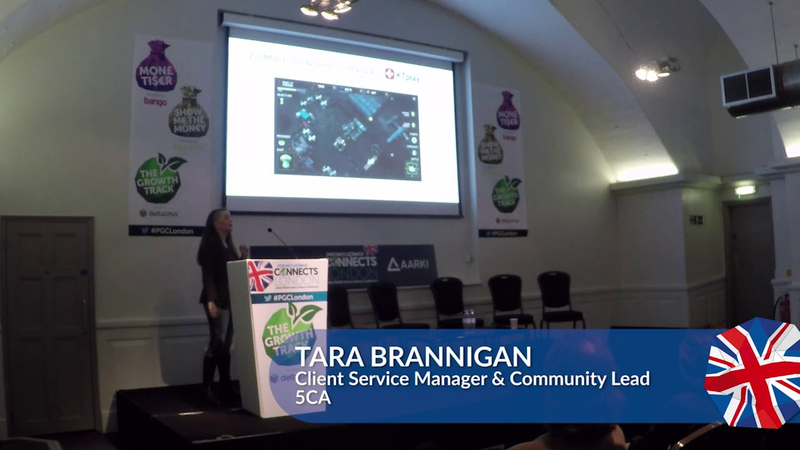
The power of integrated community engagement
Integrated community engagement serves as a critical strategy for mobile game developers to improve player retention and maximize return on investment.
- Integrated in-game community hubs drive significantly higher engagement than external platforms, achieving a 40% to 60% participation rate compared to less than 1% for traditional forums.
- There is a strong correlation between in-game hub activity and monetization, with 60% to 80% of monthly revenue often linked to players who engage with these integrated features.
- Embedding community hubs directly into the game interface increases player retention by bypassing third-party algorithms and maintaining a seamless, controlled ecosystem.
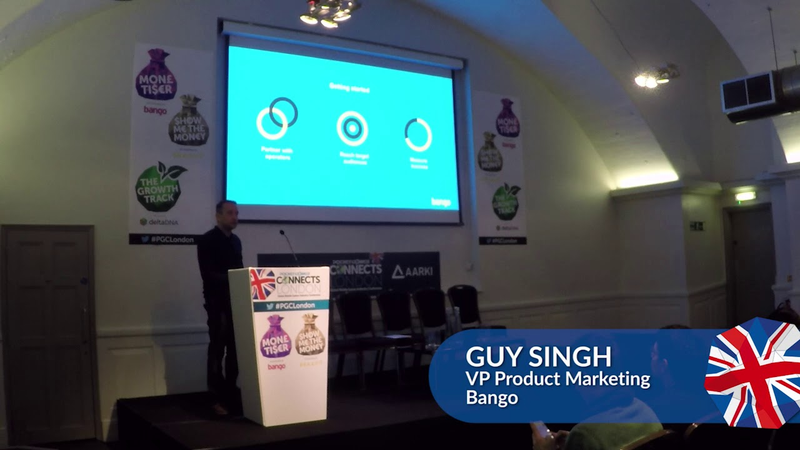
How to acquire two-times more paying users by partnering with mobile operators
Mobile network operators represent a significant, underutilized channel for game developers seeking to acquire high-value users, particularly in regions with low credit card penetration.
- Mobile network operators provide access to a global base of five billion subscribers, offering a high-value acquisition channel that bypasses traditional credit card barriers.
- In-app purchases typically generate five times more revenue than in-app advertising, making the acquisition of users with proven mobile payment histories a superior ROI strategy.
- Targeting high-spending segments through operator-verified data—such as users who have registered a payment method but have not yet transacted—significantly improves conversion rates.