1 free read left. Create a free account for unlimited reading + AI research.
Create free account
How to acquire two-times more paying users by partnering with mobile operators
Key insights
6 takeaways- 01Mobile network operators provide access to a global base of five billion subscribers, offering a high-value acquisition channel that bypasses traditional credit card barriers.
- 02In-app purchases typically generate five times more revenue than in-app advertising, making the acquisition of users with proven mobile payment histories a superior ROI strategy.
- 03A Smule campaign in Indonesia targeting top-spending non-purchasers during Ramadan achieved a 4.4 percent conversion rate, representing a nine-fold increase over the existing run rate.
- 04Direct communication channels controlled by operators, such as SMS blasts and carrier-specific applications, offer a high-trust environment that enhances the effectiveness of promotional offers.
- 05Targeting high-spending segments through operator-verified data—such as users who have registered a payment method but have not yet transacted—significantly improves conversion rates.
- 06A partnership between Rovio and Verizon in the United States using push notifications for in-game rewards resulted in a 32 percent increase in lifetime value and a 17 percent rise in new customer acquisition.
Ask AI about this video
Transcript
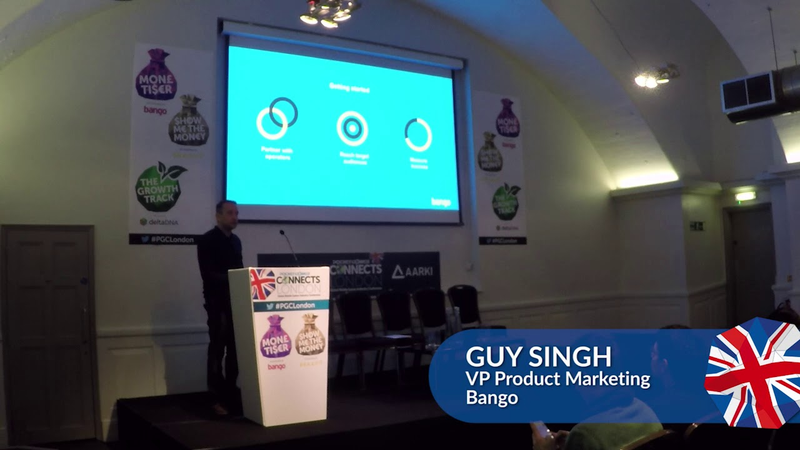
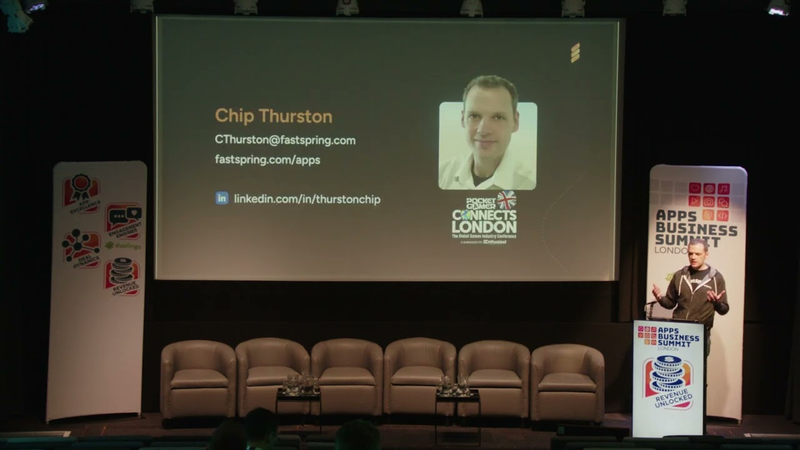
[Music] very very good morning to you all for well well done for forgetting it's Monday morning it's January it's really really cold so very warm welcome to you well you know as Oscar very kindly pointed out my name's guy Singh I worked for a company called Bango we work in the area of mobile commerce and in particular what's different about us - what else you're going to hear about today is that we work with mobile network operators so these are all the sort of big network operators across the world you know in the Americas in Latin in Asia in Europe all around and people
in the games industry you may not have thought about okay well actually how can we use these people to actually acquire users and that's what I'm here to tell you about so in particular right you know mobile network operators are sort of like very very powerful in terms of the reach there are five billion mobile subscribers in the world and there are seven billion people in the world so the majority of people have got a phone and what's interesting is that in in some areas of the world people use their phone to actually pay for things so there's only two billion credit cards in the world right it's a two billion credit card seven billion people you can do the maths right so it's a lot of people out there that basically you know can't pay by credit card and they use mobile phones to do that and we in the in this sort of like you know Western European or the US are in a way the audience is from today generally won't be used to sort of like okay we will use
credit cards and so we're used to it but essentially sort of like being able to use your mobile phones it pays is quite common in places where there's very little credit card penetration examples being Latin America and Southeast Asia and what's interesting is that the mobile network operators actually are able to collect information about payments and so what happens is that they can build up information about users on their buying behavior so typically we target users based on the demographic you know we kind of say okay this is what the gender is this is what the age group is this is what their interests are etc etc and what's different with this approach is to have a look at what are people actually buying and how much are they spending and as a result of that you can basically run user acquisition campaigns to target users who are more likely to make a purchase and that's
essentially a better ROI so what are the types of things that we we can we can sort of like you know discover from buying behavior using the the payment data or we can find out how much do our people spending you know so what are the typical amounts that they're spending what type of content do they buy so basically when they buy something we know you know what they're buying so it may be that you know you have a look at you know people who who are buying a competitive title and as a result of that you know you say okay I'll target those users or you look at you know someone who bought your title and you see what are the content they bought so there's all sorts of you know well-established methods of like you know targeting users based on their buying behavior and also you're interested in people who can regularly buy things you know have they made a purchase a month or month or in the past few months how many push that have they made so frequency of purchase is actually really really important as well
and then if you want to go for sort of like you know homing in on particular high spenders you can look at a mobile subscriber Network and say well who are the top spenders within here right and can I actually go and target those users and the answer is yes and there are people who are more likely to make a payment because they've just registered a payment method and they haven't so you register something you're downloading a load of stuff for free but you haven't actually made that first payment yet you just need that a nice juicy offer made to you and then after that you know you you're up and running and and Bango as a company is connected up to 40-plus mobile network operators and we can do comparisons between so we can actually sort of help guide people to who the best performing network operators are as well why do we want to do all this well hopefully this is all really really obvious to you but you know on the Left aisle you know there are two streams of revenue for a two main streams that
revenue front for an app developer one is from in-app purchases and one is from in-app advertising and everybody wants to download something for free and that's what the majority of users do and then you monetize based on you know the the impressions the adverts that you're showing them but that the money from that what we found is that you know based on a number of reports and also talking to app developers as well is that the money from in-app advertising is much smaller than the money from in-app purchases in-app purchases can be up to sort of 5 times more in terms of revenue stream so for every single one of those users that you are able to sort of like find who make in-app purchases they're worth five times more so getting to those users is like getting to gold so that's as a company that's what we do we help you to sort of find those users
find the users who are more likely to make an in-app purchase and and that's that's what we've been concentrating on and I'm gonna go through a case study which gives you a couple of case studies which give you an example of how we've achieved this you know and how effective this is so how do we do it in the first place well we've got this thing called the Bango market and leaflets on your sheet on your seats there to tell you about the Bango marketplace it's a place where app developers come and login we've got hundreds of app developers who registered for the Bango marketplace and they basically log in and they have a look at these offers that are available there if it is there a pointer or something I don't know okay so over on the left hand side that you can see there on the right hand side I should say you can see some some tiles and each of those tiles you know represents an offer from a
network operator so you might be able to read there that there's a Latin America bundle so if you want to go and target users in Latin America you know we've got sort of like something there where you're gonna go and select that and then you go and run an acquisition campaign within that region with the help of those operators and so the operators publish those offers and the app developers basically log in and have a look at those offers and and are able to sort of request to work with those it's quite a powerful way to kind of go forward and take your take your game to market take your app to market and basically acquire these paying users so the types of segments that we found you know and this is by no means exhaustive these are just illustrative examples the type of segments that we create the way to think of a segment is that you know if you've used Facebook advertising Facebook has this concept of an audience you create an audience of users well
these are essentially audiences of users and we can do it inside Facebook by the way we have a way of basically creating these types of segments inside there and you you know you might want to have a look at users who make regular purchases or make a frequent purchases or you might want to have a look at you know users who are high spenders spending you know the whales users who show some loyalty in terms of like you know they've made purchases over a long period so that's particularly important for subscription type services or you might want to target user buying particular type of content and and we can we can create those audiences and and then you run the campaigns to sort of go and acquire the users and to get started it's very simple you know essentially you choose which operators you're going to choose whether it's like a three-step process you choose which operators you can you then define the target audience the one
that I've just been telling you about and then you run the campaign and and track track with success and what I want to do now is kind of move away from rhetoric and sort of like you know turning your isn't this amazing and great and actually taught talk to you about you know how did this work in practice so the first one I'm going to tell you about is something really interesting one we did with smoo I'll tell you some EULA does anyone here not know does anyone know whose mule our mule anyone okay we've got two or three so I will actually tell you whose mule are Indosat smart friend and Excel all sound like complete gobbledygook which is okay what they are are network operators and their network operators in in Indonesia and Indonesia you know its collection of ireland's and comprised of two hundred million people huge market right now not particularly high spenders but like very very large market and so
the goal that we've set ourselves if you start on the left hand side is what was the target audience well the target audience that we were looking at is who are the tall one in this one who the top paying users in the last twelve months so in the last year who have not made a purchase in Smule right so basically these are these are good spenders but they've never actually made an in-app purchase in Smule they may actually have small installed and some may not have small install but the main thing they have in common is they've never made a purchase inside Smeal now small made an offer they said okay well we will basically sort of like you know just to incentivize things will be 50 that they're a subscription-based service it's free to download and then you pay a subscription is though we're going to offer 50% off the first month and and the the the method we used he was it was a text message campaign what's more common these days with with the app
developers that were working with is a Facebook campaign so in this particular case we used an SMS blast and the main goal that they set us was we want you to increase the conversion from free to download to paying users that's the main thing that they want to achieve so Smeal the biggest sort of like you know karaoke app in the world a huge 50 million monthly active users very popular all across the world and they had a sort of an ambition to grow in Southeast Asia that's where they wanted to grow their market so well up to the marketplace connected up with the network operators in Indonesia and we ran an ad campaign through mobile through SMS and the idea was that anyone who hasn't already
downloaded the app downloads the app and it's free and then they they can then make an in-app purchase to buy songs and so that is basically getting to their subscription service and what they wanted to do was increase the conversion rate of users to VIP subscriptions so that's their monthly premium subscription in in in Asia now they're the conversion rate in Asia was ten times less than their conversion rate in the US and their us in the u.s. that content about five percent in in in Asia their conversion rate from free to paying users was 0.5 percent right and the goal that they set us was that can you double the conversion rate so double it from 0.5 to 1 percent and and and that was the the task that we were set
so we ran the campaign with the 3 network operators and SMS was sent and the offer was was put out and it was run during Ramadan because that's it's a as a large population of Muslim people in Indonesia and during that time it's a good time to target them and I'm just a very simple message was sent out when you clicked on the link when you clicked on the link you if you haven't downloaded the app and it'll take you to the Google Play Store to download the app and then after that you have a few days to convert so here are the results okay so the results were that click-through rate was 1.9 2% so that's about sort of like a reasonable average 2% 1.5 to 2 percent click-through is is that I'm out so no great shakes they're decent click-through rate but the really big thing was that 4.4 percent of the
users to click through made a purchase within the attribution window and and that represents a nine times increase on their existing run rate in Indonesia so huge huge difference and that's because we were able to target users in Indonesia who were able to pay and who had shown a previous sort of like behavior of paying these were the top spenders and so you know this was kind of like you know completely blew them away I said well you know and we looked at him with our you know one of the reasons for this right you know Indonesia it's got very low credit card usage and you know not everybody has got enough credit to actually pay who's on their phone even if they wanted to so by being able to target these particular users were able to sort of ramp up the the conversion rate to paying users so
really positive and as a result you know we ran another campaign with them about three months later and the results were even better the results were even better because this time we targeted things even more we looked at the users who bought in the first campaign and had a look at what other things they bought and as a result of that we included in our cohort of users in our audience of users those those particular users who had bought that that that list of content as well one final case study want to talk to you about is Rovio I don't I think all of you know who Rovio are but essentially you know we again targeted top paying users the offer here was a free in-app purchase and then inside there we we were sent that was sent out through an operator specific message so an operator
has like my my whatever operator name app on their phone and they they're able to sort of send messages to their and what they want to do is acquire new users increases spend so don't we need to go through this you know Angry Birds is everyone knows this huge massive one of the biggest games ever and we're working with Verizon in the u.s. who've got a huge subscriber base and push notification was sent out to these these Verizon users and they were given an incentive to to to download and the the incentive was free chest of gems which normally costs sort of like you know I'm not sure whether that's ten 999 dollars or us or should be US dollars I think and then that was sent through the my verizon app so as a Micah so it's a Verizon customer you get certain messages from the operator one of these was saying you know look you've got free
chest of gems if you if you go inside Angry Birds and so that was sent out on a mass scale that message from the operator to their subscribers through the app and and again fantastic results twice as many Rovio sales you know during that period 21% more was 32% increase in the lifetime value and 17% more new customers massive success and again this was sort of like you know as a result of segmenting that so I don't know how I'm doing for time at the moment it's okay great well that's really good so essentially you know like what I've told you about is the is the Bango marketplaces for way for you to connect up to mobile network operators why do you want to do that you want to acquire more paying users I've shown you two great examples of us working with two big app developers we don't care the
size of the app developer you know if you want to work with us and come and see us I just want to point out a couple of my colleagues in here at Angelica and Josh Shaun just raise your hands so will will be around all day today I'm on the panel later with with Oscar as well and if you want to come talk to me about how you can get access in the marketplace be more than willing to talk to you about that so with that thank you very much going so uh anyone that you jump done this kind of behavior before and anyone in the room who's tried to work with operators recently it's obviously something that's very new to you as somebody who used to be an operator guy I find amazing how little that the operators are getting used I mean yes in western markets that influence is kind of mostly gone there is some of it but it's to reach and I think as you say it's that ability to access people who don't have a credit card we said we get so biased I think we could be ease of credit card use and the fact that the app stores really just haven't used that
properly in my opinion yeah so I mean it's that what's the biggest challenge you think is it this perception that people don't understand that there's this wider audience out there oh I think the biggest thing is actually well I when I go and talk to app developers they actually think why would another network operator be interested in me why would they want to actually you know you know you know surely they've got sort of like all these other things and network operators are desperate to sort of like you know try and look at additional services push through more content because voice is dead data is what they make their money from and of course apps are the key to all about you know exactly I mean I said long long time ago since I was three but you know you think about that kind of work it's still the same principle they still got to drive their ability to target and on that note thank you very much thank you
[Music]
Summary
Mobile network operators represent a significant, underutilized channel for game developers seeking to acquire high-value users, particularly in regions with low credit card penetration. By leveraging the vast reach of mobile carriers—which serve a global subscriber base of five billion—developers can bypass traditional payment barriers and target users based on verified purchasing behavior rather than just demographic data. This approach allows for the identification of high-spending segments, such as frequent purchasers or users who have recently registered a payment method but have yet to make their first transaction.
The primary thesis is that in-app purchases generate significantly higher revenue than in-app advertising, often by a factor of five. Consequently, shifting acquisition strategies toward users with a proven history of mobile payments yields a superior return on investment. Methodology involves utilizing payment data collected by network operators to create targeted audiences. These segments are then reached through direct channels, such as SMS blasts or operator-specific applications, which provide a high-trust environment for promotional offers.
Case studies demonstrate the efficacy of this model. In Indonesia, a campaign for the karaoke app Smule targeted top-spending users who had not yet made an in-app purchase. By offering a subscription incentive during Ramadan, the campaign achieved a 4.4 percent conversion rate among those who clicked, representing a nine-fold increase over the existing run rate. Similarly, a collaboration between Rovio and Verizon in the United States utilized push notifications to offer in-game rewards, resulting in a 32 percent increase in lifetime value and a 17 percent rise in new customer acquisition. These findings suggest that integrating with mobile operator ecosystems is a highly effective strategy for scaling revenue and reaching untapped, monetizable audiences globally.
















Comments