1 free read left. Create a free account for unlimited reading + AI research.
Create free account
Mobile Marketing: How to Optimize UA Creatives | UA Coffee Talk
Key insights
6 takeaways- 01Creative assets have replaced granular audience targeting as the primary driver of competitive advantage in mobile user acquisition due to the shift toward broad-targeting machine learning algorithms.
- 02Marketing and creative teams must adopt a collaborative, hypothesis-driven strategy that uses competitive intelligence to identify which specific game mechanics and themes resonate with target audiences.
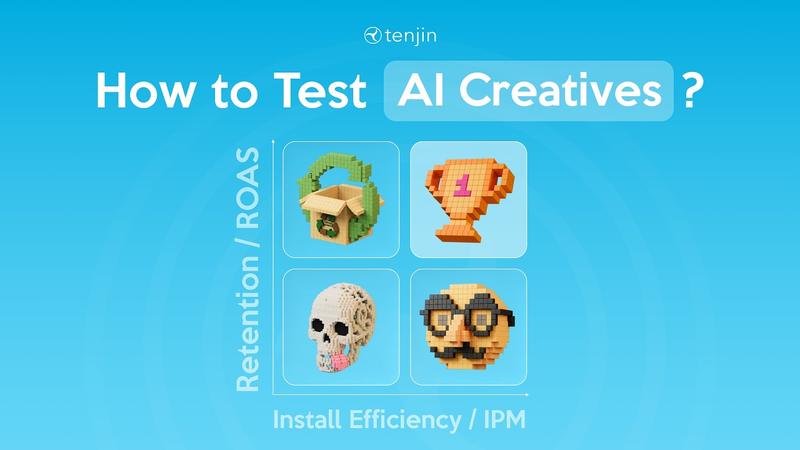
- 03Success requires balancing front-end engagement metrics, such as click-through rates and installs per mille, with back-end performance indicators like retention and return on ad spend.
- 04Operational efficiency is currently hindered by fragmented tracking systems and the ongoing tension between aggressive performance-driven creative strategies and brand or intellectual property constraints.
- 05Complex games must avoid misleading advertisements to prevent the acquisition of low-quality users, whereas hyper-casual titles may prioritize high-volume clicks for lower acquisition costs.
- 06Teams are increasingly adopting automated creative identification solutions to streamline data integration, manage high-volume iterations, and mitigate the risk of creative fatigue.
Ask AI about this video
Transcript
hi everybody welcome to a new series which we call you a coffee talk and so I've got two industry luminaries with me niebo and John but we're going to talk about specific user acquisition topics in this segment so I thought we could first start with introduction so Nebo just really briefly a little bit about you and can your background cool yeah Libra from Network that's my artist name I'm currently part of the you a platform team which basically builds tools and provide services for first and third party games a network I was running the marketing team for two and a half years and we're known for the game legendary game of Heroes for that I used to work with machines owned an arduous wholesome mobile marketing acquisition time John mile um I don't think I have an understand but every company I've worked for I've always been company name and then John so yeah when I was at supersonic I used to be supersonic John's and place you there's John just knew John never picked up no I'm just
like supersonic John yeah I love that but I used to run you a at place to use and johor did this short statements new now I do boom Eric growth at draftkings great so the first topic I thought we could talk about is creatives and so there's been this kind of popular theme that creatives in terms of user acquisition is becoming more and more important but I thought we could probably first start by talking about why is this trend happening why why is creatives becoming more important it may be telling the audience a little bit more about the impact for example Facebook and Google UAC in terms of making creatives more important so I either you guys want to first talk about that background um I could talk a little bit about my philosophy around you know um kind of how creative come fits in like I've always looked at paid marketing there's only three levers we have there's there's the biddin budget so essentially
the dollar that we could put to bear then there's the targeting or segmentation and the third piece is to creative and I think they're all equally important the thing that we can always control is the bidding budget how much money we want to commit how much more bid you know that we can always control targeting you know with the ability today to do all types of look like targeting or bullying first party second party third party data like that is readily available I think the third piece the creative piece is the piece that a lot of companies I wouldn't say struggle but there's seems to be a disconnect I've met you a peers in industry events as I can touch creators it's not my thing I'm not creative person and I think fundamentally like we should be right if you're a marketer in the space and those are the three levers you have you should be very well-versed or at least very invested in figuring
out what creatives work and for what reasons and I we don't have to go like super meta and go into like oh it worked because this button is green versus you know a blue button you know but more so like what are the concepts and I think a you a individual should be even if you're not the artist work very closely with the artist or the creative team to understand like okay where are you showing this ad what is the user flow so this is about educating the creative team so that they can produce placements or assets that will likely have a better shot than just saying I'm just gonna take my facebook creative and run it everywhere yeah I'm just gonna move like few steps back to explain water to change it to happen industry to let to this and and John is absolutely right but you pretty much have you have two and a half leavers lovers right now it's misty bidden budget creative and targeting and targeting is becoming less and less
important Google you can barely target people except for like you know geo and and platform so so we ended up here by by coming from one very complex place which was the UA in in like 2012-2013 so buying them Facebook for example was all about you know finding the right audience finding the right keywords finding the right interests and then combining them with different musician models figuring out what are you shooting through manual bits or other bids it was look slightly more complicated but it was actually quite more complicated to do you weight in terms of the operational part of work you just had to try a lot of different things and try to figure out what's gonna what's working what's not working in that sense it was a little harder to do you way but it was it was at the same time come to companies they were really good to you and they really knew how to leverage that particular right skill so with with machine learning becoming like a thing and you know the entire Silicon
Valley talks about machine weighing both time you know my dishwasher is has like an AI module now you know it's it's a thing everybody talks about you know you weigh picked up as well and and basically what's happening is you is getting simpler and as a result of that there's a fewer levers that we can work with so basically that's how you got here and and if you have only three things that you can change or don't have things you can change you really need to know to understand each one of these in order to do you a well so would you guys in terms of those two-and-a-half or three things do you guys think that the biggest opportunity to make it a difference isn't creative or would you say it's equal it is today that's changed the importance I mean they're all equally important but the focus of it on creatives today is is much more I guess pronounced more so too you know Mabel's point where back in the day the targeting pieces was very very important
because you had to do so much opera operational Lake work right this is the days before you know vo Monroe ass or you didn't like hey yo right yeah I don't have to come on alright they're like every line I don't so like that you don't have you didn't have the bandwidth to really focus on creative because the targeting piece was so important right but now that you have either the the Google version where you can't even target or you will have the Facebook version where they just upload a device IDs and boom you're done right it's also a video you have to target super broad audiences like three to five million people that's way Venantius which means that you're pretty much starting everyone or like those the payers out there or old whales so that's why it's not as it's not as important I mean it's obviously important but it's not as big of a factor in the world right now this is more so like the the first two levers the target piece in the
budget piece yeah has been so I took point where it's so easy to actually manage from a technological standpoint yeah that the creative piece has now become much more pronounced in the spotlight because that's still the piece that people haven't really figured out now let's talk about how then if creatives is this important so how do different companies come up with these creatives in you know arguably is the you a manager the best person to come up with the ideas or can you guys talk about how do you add different companies where's the source for the ideas to come up with creatives what is that process kind of look like yeah I think it's important to mention that there are no right or wrong ideas that's another kinetic map from from the past it's that you know brand marketers need to come up with with different creative ideas and then develop them and then what happens is companies would spend tens of thousands of dollars or like hundreds of thousands of dollars and super expensive creatives
yeah did them perform so currently a network you know everybody's really helping out we have a marketing art inspiration slack channel huh and anyone the company can can contribute right you have some ideas you see some cool cool ads out there and you want to try something similar for legendary right that's definitely an option the other thing that we're doing were lucky competitors obviously there is Facebook ad library which is available to everyone it's free sans earth or a penny provides really great tools for sourcing cook that are creative so you know there's a quite a few places out there we can look at what the competitive competition is doing and and try to replicate some bad yeah John did you have a similar coach or anything I yes I think it really depends on the you a person I think it's a collaboration between like the the marketer and the creative team to figure it out so for example I like to be a little bit more
involved in the creative process because I love coming up with new ideas to test different things right I have peers that don't but I think their minimum is our job to do the education piece right so in my past job like please shoot his for example I used to say you know hey it's not my job to come up with the concepts like creative thinker figure it out and they'll create something that is completely unfitted for where I'm running it and then I point a finger and chastise them and I don't think that's fair and I feel like at the minimum I need to walk through the creative teams like hey this is where the act will go this is what the mindset of the user right if you're on Facebook you're more discovering content melech versus like I am going to this specific website to look for something very very specific so you need a different kind of like gimmick to get them to pay attention so right now draftkings is really working very closely with our creative team and helping them understand like hey look programmatic this is and I give them give you an idea of where this will actually run so that you can come up with an idea that you're actually good
at this flow and that's where the conversation needs to happen you can't silo these things I think you and I have talked about how product and you a cannot be siloed all right same thing with creating the sounds like if I were to summarize from a creative sourcing perspective there's like the brainstorming approach where people just throw in ideas there secondly using a tool like a sensor tower to look at competitive you know sort of competitive ads and things like that and then maybe the one of their quotes that I've seen that I thought was interesting is more of a hypothesis driven approach and if you guys have seen that as well but like let's say there's like an A RPG then you would try to hypothesize why is a player coming into this game you know is it for RPG upgrading so you think you have things it's it's for RPG upgrading or it's for like let's say for a game like our chariots because they like that roguelike aspect or it's because you know they want to destroy a lot of monsters you have a specific theme and then you create a bunch of the creatives around each of the sneeze and try it out so that's like the one other approach I've seen how would
you how would you prove out your hypothesis you test spend money yeah spend money it's sitting in a check check whether it's you know I think it was just feeling like how do you how do you isolate that variable in the test environment like let's say if someone want to come because they wanted to they care more about upgrade yeah I think that's I don't think you can it's more than it's like so so if like liquid says a Diablo like game so you just create a bunch of creatives around the RPG aspect like emphasizing that aspect and just try it out and it's more of an idea you but you can't really say yeah that's the reason right yeah we have to do that we because legendary is a match-three puzzle RPG game and sing sigh at the same time it's like a you know a card collector and so basically there's a lot of different aspects of the game and we test those whole time just lump chip cards or just show Mitch 3 or just show the monsters or the heroes what does the whole time and it's it's an interesting hypothesis
hypothesis it's you know just like there's definitely they're definitely different types of users out there but what it's significantly harder to find them because you're targeting these like super broad audiences so you cannot really do proper creative segmentation we had a lot of conversations about this at network basically just trying to figure out hey can we find people who love tattoos and comic books and build a creative heart is just those yeah so it was possible in the old you a days you know you just find an audience create a creative an ad that appeals to the particular audience and try to increase the conversion rate that way but that's not really the case anymore or not in my experience just because you have to target broader audience dislike interesting keyword type are getting doesn't necessarily work that well right aiming ecommerce might be different on and deiicate driving things for us like it's weird right because you have so many different sports with so many different events and sometimes then
any happen for specific time and then you have to pair on like a when do our contests start or when cater gosh you start betting for a sports book at vertical and sometimes you are fold into wanting to get super granular whether you're creative and and sometimes that might not work well it's too small for noggins not going to work and you're not going to get any significance out of it but you also don't go way too broad and just launch evergreen everywhere so that's a very interesting balance I would say when I first came to draftkings and I was like well like it's also different for you guys because your your content is coming from like real real world events so you have players and teams and people following those and then you can actually do interesting keyword targeting because it's a very precise Nerra targeting by the same time that's big enough look at this area how many people follow so I wouldn't know about the same aspect players yeah I wouldn't have to agree with you but with regard as you said on the problematic aspect of
it you're right you know we have the luxury of being the leverage with this like real world content but like what works within that realm like yeah we also are competing we have competitors in this area who have certain partnerships right so for example draftkings we have a exclusive partnership with the NFL so that's I think we use well we're gonna test that might be against our other creatives um how do we value that you know partnership okay these are the questions that were internally asking ourselves and we're trying to figure that mean so maybe we could shift over to that aspect so now we kind of understand you know the importance of creatives how do we source ideas but then how do we measure those ideas like can you guys talk about what are some of the key metrics that you guys focus on to measure the performance or the effectiveness of of creatives and how do you get general think about that we bring you down into two different kind of segments like front end and back end front end is basically how well the creative converts on the network side of
things yeah where we look at IBM installs per thousand impressions yeah some people call it ITIL compression to still ratio and then after after the user installs the the game then we're looking like whereas basically an engagement the reason why you have to look at both is because you have a lot of recently we sell like a lot of example Lily's garden I don't mention mashing adds a lot of misleading ads and they don't simply work for hardcore games right because their retention is just terrible and the users don't stick around but they potentially work for more casual games that have managed casual importing there for everyone and you have to look at both like retention and Ross and just just for our audience just explain that a bit more wincing when you're talking about front-end that's a teeny like the top of the funnel metrics the metrics that measure how well you know someone that views an ad will install the game but then the backend you're talking about well you may see and misleading app and when it because it's misleading you may just churn out your back in
there like the monetization of them actual performance in terms of the player is it could be that right so you're mirroring both yeah if you think about like those restaurants that have like free beer signs and you like company you know getting the restaurant and you realize there's no free beer you leave right you want what's but now I know this is this is a little bit of a debate that so people initiated having but I kind of feel that a lot of people were only focusing on the front end top of funnel metrics because kind of what we've seen is that there were a lot of misleading ads but then some of those guys have stopped doing that so I kind of feel like maybe we're first focused on the front end and then they realized performance wasn't quite there and then when they started measuring the backend metrics and they realize it didn't perform yeah so there's a little bit less of that I heard what you guys think I think it's probably a result of creative fatigue actually it's like whenever you find something that's working it's working for a month and then pretty much better words and that's what we tried to like do so with some
technological solutions yeah but creative fatigue is a big problem so you come up with this cool concept we're gonna mislead people and then pretty much everyone sees one of those that tell the people who play games and after that they don't work anymore so you have to come up with a new misleading concept or you know some gruesome ads or you know lilies garden type of ads where you know do make it sound like we're yeah we're so at like had but I think for for us or at least for my team oftentimes we can you know you mentioned her they're like IPM is like the metric that the industry measure created performance but also don't get blank or don't get too narrow cited with this IPM right so for example when we look our creatives who could have one dynamic creative that's like much higher like double the IPM and something else by the end of day it doesn't produce the result that in the back end it doesn't really really matter so we have to balance okay this one something is causing and I play the IPM
to be so high but how can we make sure that those people that come in are actually driving the performance that we want is that the targeting isn't the maybe you're showing the right ad to the to the right audience but for the wrong reasons I don't know but just making sure that like those things Mary is very important because IPM doesn't account for cost if your eye games are high but your seat hems are in saying like yeah doesn't make sense yeah that happens one more thing that kind of speaks about the same thing is the use sometimes certain created creatives unlock certain inventory like if you have like a really good video creative and you start seeing more YouTube impressions yeah then the quality of traffic might be significantly different right and at the same time the CPM might be low significant lower and then just you know the CPI would go down so you also need to understand where the ad is being served to do placement level optimizations I have to figure out you know whether it's being served on rewarded video if it's if it's served on
Facebook just a big part of their in the program has a audience network okay so it sounds like a front end we're kind of green idea seems to be like the the most popular metric yeah and then we had a conversation before talking that but some companies like hyper casual game companies will only look at CTR and the difference between CTR IPM is that CTR is the click through on the ad whereas IPM will actually measure through to the install right yeah so why do you guys think that hyper casual guys not only care about ctor relative to IPM or IRS operate it's a good friend that's a different type of games for like again for hardcore Mussolini has done it still work for hyper casual they probably do and the reason why it's a my theories and hyper casual games are commodities yeah so they're just finding ways to convert to convert users in the cheapest possible way so and it's likely that for
the types of campaigns they're doing clicked rate is the most important factor so the higher the click trade the more each you get and Delory of the cost ends up being so that's why they're like over in this single clip trade I don't necessarily worry about clicked in stole because the games are super casual they're probably not the clients are probably not that that big it's probably fifty two hundred megabytes right so there's very little friction after the click ok I haven't done any anyway forehead pickers and games so it's like really hard for me to say what is it's really the case but the way I see it's all about the content and if they find the right content the click rate is a great indicator and then they'll be able to kind of scale them successful I mean I personally am not familiar with the marketing of hyper casual and that's why like before we even started this session I asked is like wait why would they only look at click because I didn't I was like I didn't understand it but I think Joey a good answer you said that they most a lot from your conversations with hyper
casual companies they believe that they can manage the AppStore aspect of it so they're completely separating the ad and the app store as in two different experiences yeah I thought that's kind of interesting because like I I'm in an industry where I can't think of it like that I have to think about all the way through so it's very interesting where I'm like okay if there's something drives a very very high click-through rate that using that as a metric except I didn't mean that's beautiful it's almost like the guys who are like we're only gonna look at retention because if the retention of the game is good we can figure out monetization the hyper casual doesn't like if we can figure out a good click-through rate we could figure out how that managed app store yeah yeah because their role is just to drive the cost down to like five ten cents the the lowest possible amount and then I think we click-through rate is a good indicator which makes sense because like you know they're very ad Tai's driven apps so you really there art that was probably what anywhere
between like five cents to like no more than fifty cents so like it makes sense for them to have to try out the lower awesome there's one more example that I'll mention I think we talked about in the past as well and I'll stop here it's a it's you probably saw a bunch of wish ads which is a shopping gap with like cheap stuff and really weird stuff they sell no plastic warms and and I I get those ads all the time and I think so reason why I'm seeing those really awkward ads is because they have a really high cliff great and they make you still you know pause and like no look at the ad click on DM so Facebook is trying to optimize using the earliest signal possible in this case and I think that's why could great is is very important for this type of products but again they're selling commodities so it's no different with games right it's my high level theory and then back in metrics I think the problem with back and metrics is like so sure we can we can easily find the front-end metrics
for creatives because we get that feedback instantly but like let's say we're trying to find LTE against a creative yeah you know and that could take you know some some game step through your payback period yeah like how can we do you how do you what kind of back end metrics are you guys looking at is it like a DX our COO or DX rascal or like what would you guys or creatives yeah I mean we do we were we have a creative level spend as well so we can look at our I and we're always trying to understand when these the money coming back so the payback is the ultimate KPI and then all the rkp are there just to like support the payback are to tell us from the money's coming back so we look at for casual creatives that are not necessarily they have a high I p.m. but like Piatt p.m. low cost low quality we look at things like cost retained user like date they ex retained user or more they SSRI or cost per they expire
just trying to understand what are the fact we were lowering the cost and like making the funnel brother actually has impact on user quality and the cost of payers so basically look up you know a retention cost per per user per payer but if you are looking at DXR right you're kind of assuming that the monetization profile of the players coming in are gonna be roughly similar right no not really actually I mean that's that's that's if you have a more casual creative and the cost is significantly lower you kind of expecting that the quality of those players is going to be worse because they're not it's you know if if you people who know games like legendary and they come to play the game they're you internally routine user that user you keep you're seeing that users gonna be of the same quality right but not necessarily okay because if you you know if the older the game gets the more casual your creative becomes and then
the quality of those users is not necessarily as good as the quality of your golden cohorts and then you can I have to understand what's how does to perform together I kind of think that's very gaming industry specific - right yeah when when we're doing slots like a place to do is we try to find out like Oh which which ad drove the most row as by a certain date and like after a while we're like there's no consistency right there have to be right so we would show something we're like going in thinking oh this is going to be bomb and I'm like it's like it drives the best bro ass for some reason we don't know why but then again like we have I kind of feel like it's it doesn't there's a night neither a rhyme or no reason behind it yeah so that's why earlier I'm a distinct I'm like you really have to balance the IPM in the back but the front end and back end because like if you're very driven
is like okay I only want to create creatives that can drive hi bro ass like you might never find a winning ad and to your point about like oh do you want to go the opposite direction where you want to have a ton of click three surely like weird stuff to get people to linger that might work for certain industries but it might not work for like yeah a main was J of that so it's very civic to what you're trying to market where you trying to market and and it's dope that the the very like I guess appreciate thing the thing say is like there's no right or wrong yeah and anything everything can be possible and you have to just you as a marketer of whatever property or just have to understand that flow into product and yeah come up with something that works yeah so I thought we could wrap up the conversation by just talking about tools so like you know we talked about sensor tower in terms of seeing competitive you know competitive ads but are there other tools that you guys would recommend to like help you in this process of
optimizing creatives we have an internal build tool called Draper which helps us create multiple variations of existing creatives yeah and extend the kind of lifetime off of a creative concept that way I'm not really there's a lot of the kinetic creative intelligence tools such as sensor tower and an F penny especially on desktop there's mote there's a what friends we're looking more I forgot their names um yeah that's pretty much it there's a lot of creative templates like work for companies they're looking to kind of part of that things that make a lot of ads you can just use one of those at Nevada websites where you can download concepts and just like you know change the gameplay and game play and character art and churn out a lot of creatives easily yeah maybe we should bring some of them are because I know there's also Fidalgo right now you mean they've got that tool where we can kind of track specific metrics
against their creatives and then they've got some machine learning that tries to isolate create it on these within yeah within the ads but we're trying it as well it's it's so manual with machine learning you can figure out which colors they're more dominant but it doesn't really tell you where what are this particular segment of the video has cards or you know monsters or I know so I'm always like maybe a skeptic and and the thing is I love with algo I love their team and mind my skepticism who comes from like you know if it's on Facebook you know what that background color is you know the contrast that they make sense right but what if you're running in the negative or app environment where is like oh is red really a dominant color if the background of the app is red you know I think it's interesting for us for marketers to understand what our competitors are doing but don't don't feel like you shouldn't go out and take
risks and envy trying things that you know that hasn't but like managing all the creatives tracking performance like everything I do has been in hacked up spreadsheets there's gotta be a better way yeah in like the you know and then like with these hacked up spreadsheets and these other you know like you drop stuff into like these you know big file file storage systems and you have to have like specific naming structures and things like that wouldn't machine someone create some type of creating tagging that was like yeah in the house you know I mean a lot of company said we talked about it last week actually about how every single company tries to figure out I could create to solve the creative ID to because the problem with when you even if you have like a creative naming convention then you have to pass the super long names in the in click URLs yeah and that breaks all the time so you need to and it's also easier to join
data using creative IDs or since creative names and then every single company is trying to solve this problem and build like a creative ID solution so I think yeah machines don't did that I talked to someone from LA either recently maybe like maybe James TV was called play by the same thing so like a lot of a lot of people and the same issue and that yeah it's very messy and we're working on building something that might be like a SAS tool in the future that that it's gonna solve that problem that seems like a pretty common problem so that like right right now I work with a lot of like former MC people i Janey you know who leads our group in and Colt Ennis who are creative strategist Cole specifically wasn't even part a team that built a creative tracking tool there so he's trying to do something similar at Rock Kings and you're right it's so hard like yeah like you have to create it then you have to like create a creative ID to it to tag
it and then before you before you run it then when you run and you have to make sure that that I get gets passed back to a system and it's such manual working like for us like our formatting we're not three people in a thousand person company we're a team of three and you're like and then you have 20 we have enough time to in the day to check all the different creatives that were running and and realistically like when then that's that the struggle because not only are is it so manual but it's the volume of work right because everyone you talk about creative fatigue like our alright the pressure to create iterations new variations is so so high that you're like okay I can do all this tag and do this all this man you work for a creative that might run for a day yeah or or for like you know for light don't do it out hard or the marketing creative people it's really hard to kind of emotionally detach from creators because you have to Crane like 2030 concepts a month and it's likely that
most of them want to work so let me ask you this like and then obviously Joe you've worked at like bigger like NBC you know where it's very IP driven have you guys had that like issue where you're sitting there and your creative is getting like torn apart because it's not on brand or it's not like like matching input then like you're trying to sit there from the performance market point feels like dude like you I need to really educate you on like what you way is it's not about on brand sometimes but like how do you reconcile that right well I mean I've kind of seen the issue where a creative that's not on brand actually performs really well but then the IP older would like freak out and then we have the yeah that so yeah like it's I don't care if it works and care about the data it's not I mean because generally speaking because IP holders have the rights we just have to kill the creative or you know we have to get
their approval first even for something so you know every once in a while something will go out in the wild that hasn't been approved and then it gets even the hood performs well but then a lot of times we're just trying to get stuff up really babies but if you don't show the ad in LA area we're like you don't want to do right because like for example I draftkings like there's a lot of legality around oh you can't show and what we can't show it and like if we potentially show an ad or creative that might be perceived as deceiving we can get suit right it has a so that's where like it's a very fine line that we have to draw about like we want to be aggressive and we want be innovative we want a Chris you know we also have to make sure that whatever we show it's it's representative of our product and I think like Iraq I like that you know I I and and I don't like when you know you know when people show a tower defense playable and get a bunch of clicks and then it turns out the game is nothing like the playable it's a lot
yeah Seth large eggs a marshmallow 4x game basically yeah or a bunch of Chinese developers going to use that for something to to grow their games that are nothing like that yeah yeah all right well I mean I think we could talk a lot more about Chris but I think yeah for the first you a coffee talk topic this this is great thanks thanks a lot guys your Commodore yeah so I'm thinking fills filtered soul I like it cuz this hazelnut sleeve you guys are going black to I can't I don't understand that you guys are crazy I like the demo Cerritos it's funny because like my my evolution of drinking coffee I used to do like douse my coffee with sugar and milk yeah and then over time like was was that really famous coffee as a Green Mountain Coffee that you make in Norman or Blue Mountain I can remember but when that's like a hundred dollars for like a house or something we're talking about that that the
monkeys no no that'sthat's new black that's the it level but like I remember someone was hadded and I was drinking it and I was asking for creamy sugar my friend was like dude cha yeah yeah you should sell a $17 cup of coffee like drink the coffee so that you could taste the flavor of the coffee right now it's the same idea of like he was trying to equate to like like when you eat a very nice cut of steak you don't need it but no I'm going no I put ketchup on my steak you know yeah you're like you need put ketchup on the steak like Oh or even like when you drink red wine like so you're trying to click that so from that when I drink coffee now hey I don't want the sugar and the fat from the milk but also there certain I just slowly understand and like I do taste like okay I like this specific one I don't like to drink all coffee black
but certain conference I was injured well we got two coffee connoisseurs here and you still got not sugar coffee you see this is property of them Europe coffees a big part of my culture so I love coffee and then I guess you got a shout-out to our source for yeah our filming here and I was riding this with this space yeah cool welcome to JK for providing us coffee yeah next time we'll find us coffee sponsor [Applause] [Music] [Music]
Summary
Mobile user acquisition has undergone a fundamental transformation, shifting away from granular audience targeting toward a reliance on creative assets as the primary driver of competitive advantage. Modern machine learning algorithms now favor broad targeting, necessitating a collaborative approach where marketing and creative teams work in tandem to develop diverse concepts. By utilizing a hypothesis-driven strategy informed by competitive intelligence tools, teams can identify which specific game mechanics or thematic elements resonate most effectively with target audiences.
Success in this environment requires a rigorous balance between front-end engagement metrics, such as click-through rates and installs per mille, and back-end performance indicators like retention and return on ad spend. While hyper-casual titles may prioritize low acquisition costs through high-volume clicks, more complex games must guard against creative fatigue and the risk of misleading advertisements that attract low-quality users. Maintaining a holistic view of how individual assets influence downstream profitability is essential to ensuring that high-volume traffic translates into sustainable long-term value.
Operational efficiency remains a significant hurdle, as many teams struggle with fragmented tracking systems and manual data management. The industry is currently navigating the tension between aggressive performance-driven creative strategies and the constraints imposed by brand guidelines and intellectual property requirements. To address these challenges, the sector is moving toward the adoption of automated creative identification solutions. These technologies aim to streamline data integration, mitigate the risks of creative burnout, and provide a more standardized framework for managing the high volume of iterations required in today’s mobile landscape.