1 free read left. Create a free account for unlimited reading + AI research.
Create free account
Growth in Hypercasual and Ad Monetisation
Key insights
6 takeaways- 01Developers should employ rapid, weekly prototyping cycles and continuous feedback loops to effectively iterate on user acquisition and lifetime value.
- 02Hypercasual growth is driven by balancing CPI and LTV, where CPI is optimized by improving CTR through creative testing and CVR through storefront asset refinement.
- 03A/B testing on platforms like Google Play is a critical, cost-effective method for refining icons, screenshots, and call-to-action descriptions to improve conversion rates.
- 04Successful monetization requires a careful balance between ad frequency and user retention, as aggressive ad placement can degrade long-term engagement.
- 05Manual waterfall setups for ad mediation consistently outperform automated or header-bidding configurations by fostering greater competition among ad networks.
- 06Maximizing ARPDAU requires setting specific price floors for ad impressions, as header bidding often results in lower CPMs when left to automated algorithms.
Ask AI about this video
Transcript
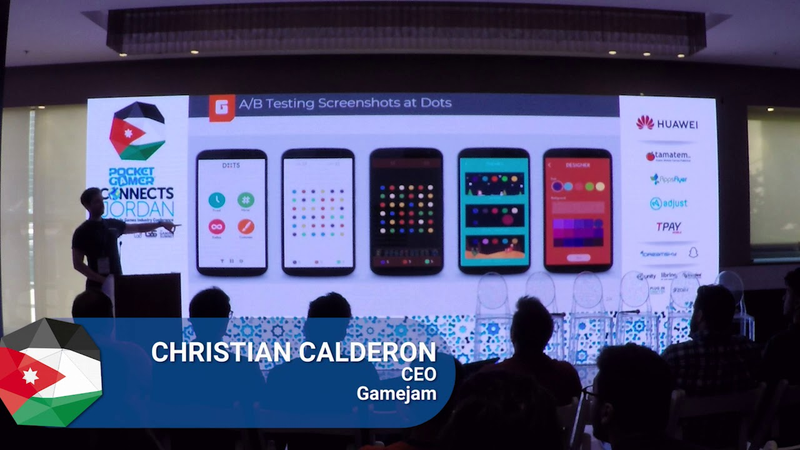
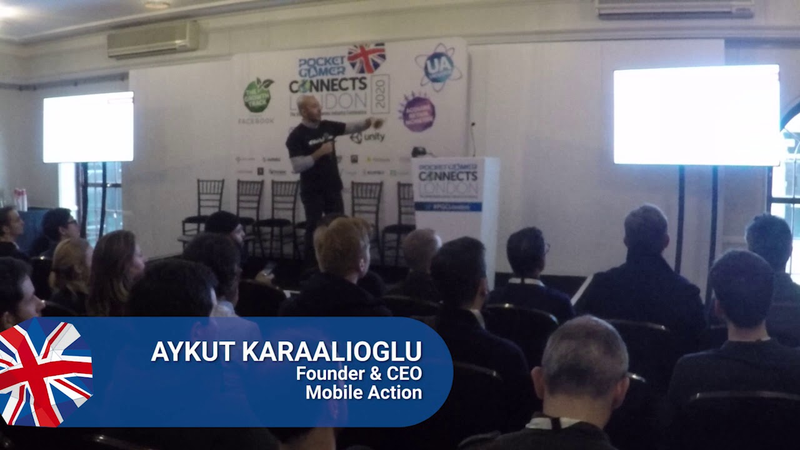
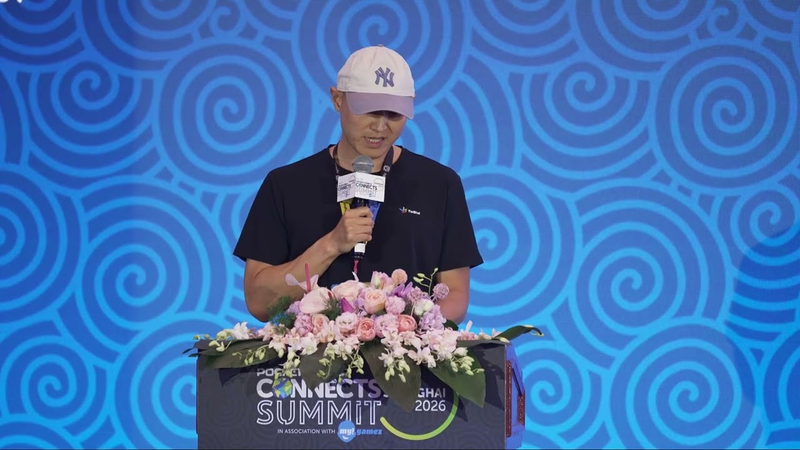
you hey good morning everyone yeah my name is Christian Calderon the CEO Game Jam just a little bit about me I was held executive roles that ketchapp which was acquired by Ubisoft kick side and also Doc's the makers of to dos today I'm going to talk about growth and modernization and hyper casual and I'm gonna have a lot of slides so I'll talk fast and go through them quickly if you have any questions just let me know at the end so I've worked on a lot of games I think at at ketchapp we published while I was there at least a hundred games and we looked at thousands of games we were only three people so it's
a lot of games to look at so I guess to talk about hyper casual like how it kind of came about hyper casual games have been around for a long time we just didn't call them hyper casual games before in the when the from 2007-2010 the main pricing model and apps was the premium pricing model so you would pay money to download an app but the problem with this business model was that it was hard to scale because players would you would lose out on players I would want to spend more money and then also you would lose on players I didn't want to spend money that could also contribute to your game in some way and so in 2000 from 2012 to 2017 the free freemium model really started to take off and this was developers really exercising their ability to allow players to spend more money in the game and increase our
LTV per user through in-app purchases but then around 2017 another big shift happened 2018 other huge shift happen and this is like hyper casual or ads driven primarily by ads monetization and this is where developers can really exercise the bottom of this curve and monetize players who just want to play the game but don't want to spend money on in-app purchases and you can see in from 2014 to 2017 ketchup was a top ten publisher worldwide up there with like Facebook Apple Google and in 2017 both ketchup and Vudu held the fourth the fifth and sixth positions worldwide in the App Store making up I think almost half of
downloads in casual which was for that year to developers publishers alone which was pretty exciting especially because ketchup was very small team and Vudu was growing and up and coming so to talk about I'll talk about like ways to increase monetization and also just basics of how to scale with user acquisition lowering CPI's and but to do this it's important to note that you need some kind of process most developers I talk to a lot of developers all over the world and they're always missing this key component where they're iterating or building a game but they don't allow for some kind of feedback loop sometimes developers would work on games for a year and not even test it and find out when they launched that game a year later that you know the CPI is way too high and they have to redo
all the art assets then the artist quits because you know he does she's spent a year working on this game anyway so having this kind of feedback loop is very very helpful in your sprint process so for us what we do is we develop a game or a prototype in a week and then we test it in a market like most like in the United States on iOS and then we allow for feedback and then we'll make it eration zhan that game sometimes the when we're launching games will when we're testing games this feedback might not include the in the second or third time around might just be changes to marketing so maybe it will make a game for a week but we're trying to market it and then we're trying to market in different ways to see if we can reduce the acquisition cost but anyways having this process is really really important if you want to and learn from your development and improve your LTV or lower your cost per
install so cost per install pretty basic KPI like it's you look at your cost divided by the amount of installs you have as you increase the amount of installs you have for the same amount of cost obviously your CPI goes down right easy concept to understand the formula for looking at installs is essentially looking at the amount of impressions you have multiplied by the click-through rate and then again multiply by the conversion rate so let's say you have a you see an impression on your phone you click that that's a click that's a click-through rate and then your you go to the App Store you you download the game and then you open it that's considered a conversion so I usually split these two metrics apart because improving them you're doing different things and I'll give you some examples right now so click-through rate conversion rate so just to talk about how how we improve or test a click-through rate I'm seeing this a lot in the stores
right now so I don't know if anyone's seen these ads were like you see something like sawing a phone or some guys about to hit someone and then all of a sudden it just changes to the gameplay these are gimmicks to improve click-through rates when we're testing games actually we'll test even characters to see which one has a higher click-through it so in these ads we have one character two characters everything else is exactly the same the copy the background colors everything is exactly the same we just changed the character and then we test it to see which one has a higher click-through rate and this can really help also determine in our game development process which what the main character should be and helps us yeah just improve our acquisition costs this is a so a quick question anyone know which which one based on these metrics the CTR and CVR so this ad has 1% CTR 50% CBR this had I had 50% CTR and 1% CBR
because which one will have more installs do you think the first one or the second one first okay so there's a trick question so they both have the same amount of installs so this this is actually something a test that I give like of my mark markers when I'm interviewing ok and it's important to understand the differences because based on the ad format you're looking at totally different numbers so for example like if you have a playable ad you'll see much higher click-through rate but maybe lower conversion or a rewarded video you can't compare that to an interstitial so understanding these metrics by ad format are pretty important so for example if and then understanding how they change the your CPI and your download rate is important too so if for example I increase my click-through rate in this in this ad
format by 0.2 percent or 20 percent I'm gonna get an extra insult which lowers my CPI from four dollars to three dollars and 33 cents and this is just an example of how we are trying to improve our CPI over time and hit the target that way you want to hit so conversion rate so after you click the after you click this button you're sent to the App Store right and so how do you improve so improving click-through rate is one thing but improving proving the conversion rate is usually a different could be a different process you can improve it here like for example let's say you have like a an ad and you're demonstrating the gameplay and you go to the App Store it's the same gameplay ads like that usually have pretty good conversion ABS that conversion is for example like maybe in the ad you see a I don't know something like a totally different game and then you go to the
App Store you know some some games will advertise something that looks totally different and you're going the App Store and looks like a totally different game games like that usually have slightly less conversion but high click-through rate because they're trying to optimize for that so optimizing for conversion rates so one we use this as free so the in Google Play you can do a/b tests for free and the storefront listening I highly recommend if you if you're not using this to use it because it's totally free and it's extremely helpful so I'll just go through some examples I launched this product at Google i/o in 2016 and so this is these are slides from Google i/o from from that presentation but it gives you kind of an example of how we improve the click-through rate and then the amount of conversion increases that you can have so here are two different tests so in this test we have a control on the left hand side and a variant on the
right hand side basically in these tests so what's happening is you're sending your the in the test you're splitting your impressions so half of the people for example if you have one control and one variant and you're splitting it 50/50 half of the people are seeing one icon and the other half of the people are seeing the other icon and you're looking at the difference of of conversion so who installs more versus one of the other so for example in this case the control did better by 7% and 4% so in this situation at docs we didn't use a branded icon and we kept the the this is still the same icon today for the original das classic this is a game called two dots that I launched and I'm testing here the short description short description is interesting because it also contains key words so not only are you testing the short description but you're also putting key words into the short description what I noticed in the
short description was that actually putting description is not good you want to put a call to action in the short description so telling people to just download the game usually is more effective so in this case play the best social puzzle game on Android it's easy fun free to install kind of long has keywords but it's a call to action telling the user to play the game as opposed to this one is true dots is a new fun and free social puzzle game so it's like more like a description the call to action that performs better so this one's fun so these are screenshots from das classic and in this screenshots I have just the game board and this screenshots Australian gameplay which one do you guys think performs better this one or this one this one absolutely so six percent increase and it's just like a small change right like all I'm
doing is like showing illustrating the gameplay but this concept you can apply to all your games illustrating gameplay of what's happening in the game is really really important especially for conversion so I've done a bunch of tests and dots this was kind of like the variance I would see in conversion today I've done tests I've seen like huge increases even bigger on icons but this kind of gives you a proxy for like what you should work on first so if you're if you're doing a/b test and your storefront I would definitely start with the icon and then move on to screenshots short description in a future graphic I think the video is more important on iOS but in Google Play this was the data that I received but definitely at ICON is something you should start on first for increasing your conversion okay so that's costs so now I'm going to talk a little bit about lifetime value and how
we improve lifetime value so this is the equation for one of the equations for how I look at lifetime value and the reason why I break it up into retention and art out is because from a product perspective I'm a pro these things very differently so if I want to increase our Tao it's very different for it for my approach to how I increase retention and all this formula is saying is LTV for this and number of days is the summation of revenue for some period defined period of time multiplied by your R tau so for example when I'm forecasting retention we use a very simple decay curve we're plotting out points and then we're using nonlinear regression or example they cater to predict the future value of the of the retention and then taking the summation under the curve gives us the life time so for example this is life
time is two point twenty five point five days then you multiply it by your R tau let's say it's ten cents and then you get an LTV for that period of time so we're defining it over a certain amount of days so I yes so I'm gonna focus mainly on ads because we don't have a lot of time so I'm gonna focus mainly on a dark tau and talk about how you can increase your ads or tau from a technical perspective I won't talk too much from a product perspective so how many people have ads in their games everyone that's awesome okay so I hope you guys like this so imagine like the way illustrate the best way I think to improve as monetization is just by an increasing the amount of competition that's happening in your application so we have ones of advertisers advertising in your game and to increase the price to essentially imagine like this green supply line is your app at a certain
period of time like a defined amount of impressions and this demand curve is let's just say the demand for serving ads for with those for those set amount of impressions that you have if you were somehow to shift this this curve up increasing the shifting out the demand curve you in theory would increase the price so imagine like this P line is reciept p.m. the Green Line is your impression people that you have the impressions you can serve and the demand for those impressions so this basic supply and demand concept works for increasing CPM in in the games this is an important curve to look at so I was at ketchup I looked at a lot of what worked with a lot of ad networks and at the network level to understand how CPM decay looked like and this is I found this to be true
for almost all networks where and you the first this is a frequency so for example how many ads you serve and in a given session and this is the CPM so for example your first impression that you serve usually has a higher CPM and let's say that same user keeps watching ads the CPM starts to decay and this is a something that happens in a phenomena that happens at the network level for for all games it's important to understand this because I want to say hey give me the first impression right they want to don't because it's the most valuable so it's under important to understand this this how this works also from a product perspective maybe you don't want to serve that many ads so for example at dots we wanted to show just one ad 1 rewarded video ad and because it had the highest CPM and we wouldn't let the user see another ad again for
that day so understanding this is kind of important the adoption rate is also very important and we'll kind of go over that in a second but like people engaging with your ads the percentage of people engaging with your ass has a big effect on your ads arced out and in this illustration we show as your CPM increases and the adoption rate increases the the revenue that you get from that first impression will go up proportionally so I've used a lot of mediation providers I'm not gonna plug any particular one a lot of people ask me like oh hey what mediation provider is the best it's not so much who the mediation provider is it's just kind of how you use it really so for the same mediation provider you can get very low add ducked out and then very very high adds up now if you just changed how you set it up technically and we'll go over examples here so this
is a game that was a top ten puzzle game 113 countries I think it had a million installs in the US and it was doing about 2.5 million impressions for this data set and it has a 96% full rate 4.6 star rating in the App Store and here's some data behind the game so it has an average CPM of about $8 engagement rate at 46% impressions per doubt so how many impressions I'm seeing per daily active user it was 2.1 and the arc now is 1.7 cents and this is just for one ad format so this is an interstitial ad I'm not looking at art out for all the ads including yeah this is iOS us iOS us so only iOS us and only the interstitial ad and this is my this was the arc tout this is very bad art out for an interstitial format in iOS us this is it
also very bad CPM and I'm gonna explain why this is really bad and engagement rate is also not too good and this all the metrics are not not that good one of the biggest issues with this with how this particular developer set this up was he has only three networks and and so they're not a lot of demand right and all competition and he has it set to auto optimize so based on whatever mediation you're using they have some algorithm or some way of optimizing or optimizing or CPMs and you don't really have a window how they an idea of how they do that each of the methodologies are very diff and usually what ends up happening is you get a low seat cam like this which
results in a low adds arced out he had some other issues where this developer was serving a the first time you would see an ad was in two minutes and the logic to see the ad was kind of strange so like every other level you had a 50% chance to see an ad so that's partly why this impressions per Dow so low and the mediation just like totally needs an overhaul and I'll show you how to fix this in a second but this is a don't the lesson learned from this is don't set up your mediation like this like three networks Auto optimize is not good here's another game so this was a top one puzzle game in 60 countries top 10 so sorry top one game in 60 countries top 10 puzzle game in 140 countries and four million installs in the US 1.8 I
think this should be should this number is wrong sorry and ninety ninety-one percent full rate so I'll just kind of go over the data here so this was the CPM twelve point seven so a little bit higher engagement rate a lot lower twenty three percent and impressions per day very low point for X and the absorbed I was just miserable I mean point five cents is this really really bad and I'll and this is mainly the reason the mainly the reason is because this impressions per Dow it's very low and the engagement rate is really very little that's really bringing down the ads or cow a lot CPM is a little bit better but from a product perspective the this isn't performing that well this also isn't the best setup so this he has three two
networks in manual and then he has four networks Auto optimized the problem with this is when you setup a network in a manual position with no defined price and no defined cap the network can serve that impression at any price so the you know I'm not saying that iron sources doing this but technically they could serve this impression for a penny which could be bad so you if you're doing a manual setup like this you always want to define the price at which you serve the app and then obviously we talked about Auto optimized and why that's not I think not the best setup from a product perspective if he's serving the the first ad after level five which takes three minutes adds logic is 33% to chance to see the ad after every other level and then the mediation as I said before just means
that change obviously when you're effecting when you're changing the ads logic you have to understand how it affects the retention if you serve an ad every like 10 seconds it's gonna have an impact on your retention right so you have to understand that that trade-off this was a top-1 puzzle game in 60 countries 3.7 million installs in the US and eleven point three million impressions in the US with the 48 percent flow rate lower star rating this spill rate is a lower flow rate which i think is pretty good I don't like to have high flow rates in the game and this game has much like just way better metric so twenty eight point seven seven cents CPM eight point four cents arced out and this is just on the interstitial unit so if like the game has probably the odds are Tao is
more than double for all the ad formats two point nine impressions per doubt and the engagement rate is about sixty one percent the reason why this CPM is so strong is because I've set up a fully manual waterfall so I'm using seven networks forty instances and in the price range from fifty dollars to six dollars so for example iron source here is this impression is it fifty dollars and then up lovin I think is maybe like I don't know forty nine dollars then unity forty dollars so I only serve the impression if they hit that price and this allows me to control the the value I get from each impression this can actually be even further optimized in other games I've set the price range from ninety five dollars to like four dollars and I've seen a bigger impact to
see Kim depending on the network like for example Facebook you can have a pretty high CPM on your first call so this ways to optimize it is you can maybe add more networks expand the price range and I'll obviously you need to test the effect on retention if you change the ads logic so we kind of talked about three different or two different setups the one we didn't mention was headed so automatic you can set your setup your waterfall automatically you can use like a fully manual setup which i think is the best and then you can do header bidding which is kind of a new people have been talking about it for a long time the the methodology the idea behind a header bidding is really really good so the idea is that these networks that are bidding can bid in milliseconds so
ideally they can bid all along in between all of these instances and theory it should increase the competition because you're the ad network is sending responding to more requests to serve an ad so in theory it should increase your CPMs but what I found is actually and I've talked to other developers and they've experienced the same issue with header bidding they're the bidders were really really good at buying very low CPMs which isn't at a high full rate which is not something I'm a huge fan of and this results in the lower CPM it also results in a lower abs arc depth so if you do use header bidding my recommendation is to always set a price floor on the CPM so don't let the bidders acquire serve ads for verlos yeah because it's gonna result in the low ads or gap and kind of like their price ranges that I've seen in the tests that I've done was from an
automatic setup I've seen usually like 1 to 8 cents a drugged-out and a manual setup between like 18 to 19 cents I've just seen some games that have like 25 cent ads arc tau and then header bidding it kid it's slightly lower mainly because of this issue here with the bidders filling at low CPMs so just the takeaway on the header bidding is it could work well but I think it's just the technology just needs more time because it's pretty it's pretty new so if you do use header bidding I would just be aware of that that issue so we talked really fast and I'm basically out of time but a lot of the concepts if they're unfamiliar to you I highly recommend to read this book it's called freemium economics by Eric super and this book kind of talks about the basics of user acquisition modeling and
kind of like the supply and demand of rules of supply and demand that can apply to your your games yeah and that's all thanks do we have time for your questions anyone have a question yeah yeah I can I can give you access to the slides just send me an email and Oh yep the eCPM or like CPM sometimes drops like randomly yeah so is it something that we are doing at the you can say the website your is it something from from the ad network itself no you have control of that so if your CPM is dropping and and it could be for a few
different reasons but the the most common situation is you have an automatic set up so you're not controlling the price points at which you sir you're serving impressions in your in your game and because of that you could have very big fluctuations in CPM also with the bidders if you're not sending floors you could see big fluctuations and CPM but if you have a fully manual setup you're controlling the price points you basically don't you can have a more control over your secure message thank you any other questions all right thanks very much [Applause]
Summary
The hypercasual gaming sector has undergone a significant evolution, transitioning from premium pricing models (2007–2010) and freemium in-app purchase strategies (2012–2017) to an ad-driven monetization model. This shift allows developers to monetize a broader user base, including players who prefer not to make in-app purchases. Success in this space requires a rigorous development process characterized by rapid prototyping—often on a weekly basis—and continuous feedback loops to optimize both user acquisition and lifetime value (LTV).
Key performance indicators for growth center on balancing cost per install (CPI) and LTV. CPI is managed by optimizing click-through rates (CTR) and conversion rates (CVR). CTR can be improved through creative testing, such as varying ad characters or formats, while CVR is enhanced by refining storefront assets like icons, screenshots, and call-to-action descriptions. A/B testing on platforms like Google Play is identified as a critical, cost-effective method for improving these metrics.
Monetization strategy relies heavily on maximizing ad revenue through effective mediation. The analysis suggests that manual waterfall setups—using multiple networks and defined price floors—consistently outperform automated or header-bidding configurations. By setting specific price points for ad impressions, developers can foster greater competition among ad networks, thereby increasing the average revenue per daily active user (ARPDAU). While header bidding is an emerging technology, it often results in lower CPMs if not managed with strict price floors. Ultimately, developers must carefully balance ad frequency and logic against user retention, as aggressive ad placement can negatively impact long-term engagement. The findings emphasize that technical control over mediation, rather than reliance on automated algorithms, is the most effective path to scaling revenue in the hypercasual market.



















Comments