User Acquisition reports and market data
Documents

Still Flying High: Sunset Games 101
The concept of sunset games represents a specific sub-genre within the hypercasual market, characterized by a core loop focused on continuous progression, exploration, and incremental improvement.
- Sunset games are a hypercasual sub-genre defined by a single, expansive world and continuous meta-progression rather than discrete, level-based stages.
- The core loop centers on using earned currency to purchase character and equipment upgrades that enable further exploration and progress without punitive failure states.
- Design principles prioritize accessibility through one-handed controls, light decision-making, and high visual polish to ensure consistent player satisfaction.
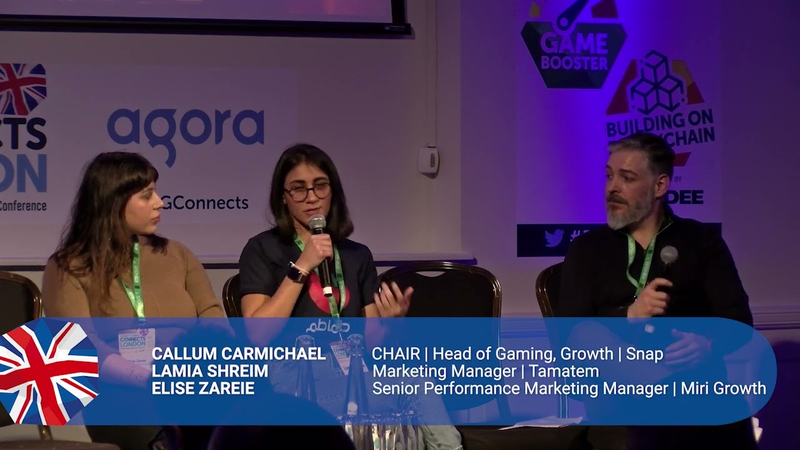
Superstar Panel: The Art of Making Data Driven Creative Decisions in Gaming
The current landscape of mobile game user acquisition has undergone a fundamental shift, moving away from granular, cohort-level tracking toward a creative-first strategy.
- The mobile gaming industry has shifted from granular, cohort-level tracking to a creative-first acquisition strategy following the implementation of App Tracking Transparency.
- Growth now relies on internal predictive modeling and structured testing cycles to compensate for the loss of traditional user targeting capabilities.
- Effective acquisition requires platform-specific content, such as human-centric aesthetics for TikTok, rather than one-size-fits-all messaging.
Building a Winning Creative Strategy for Games in 2022
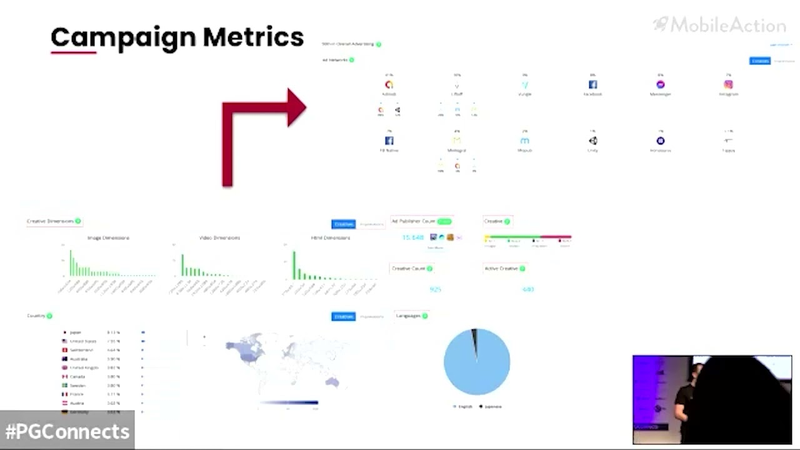
Building a winning creative strategy in the mobile gaming industry requires a data-driven approach to competitor analysis, specifically focusing on user acquisition (UA) and creative performance.
- Competitive intelligence platforms now track over 44 million mobile gaming creatives, with approximately 2 million new assets added to the database each month.
- Developers can optimize ad spend and reduce waste by benchmarking their creative performance and messaging strategies against top-performing industry competitors.
- Effective creative strategy requires tracking specific metrics including impression share, creative longevity, and the distribution of ad formats across various networks.

Keynote: Thriving in the App-ocalypse
The mobile app marketing landscape has undergone a significant transformation due to privacy-centric changes, most notably the deprecation of the Identifier for Advertisers (IDFA) and the implementation of Apple’s App Tracking Transparency (ATT) framework.
- Approximately 80% of mobile users now opt out of tracking following the implementation of Apple’s App Tracking Transparency (ATT) framework and the deprecation of the Identifier for Advertisers (IDFA).
- Developers can maintain profitable growth by shifting from deterministic, IDFA-reliant tracking to probabilistic modeling and alternative data signals.
- Purchase behavior targeting, which identifies high-value users based on transaction history rather than device identifiers, is a highly effective method for improving return on ad spend (ROAS) and reducing acquisition costs.
Scaling Blockchain Games: The Fundamentals
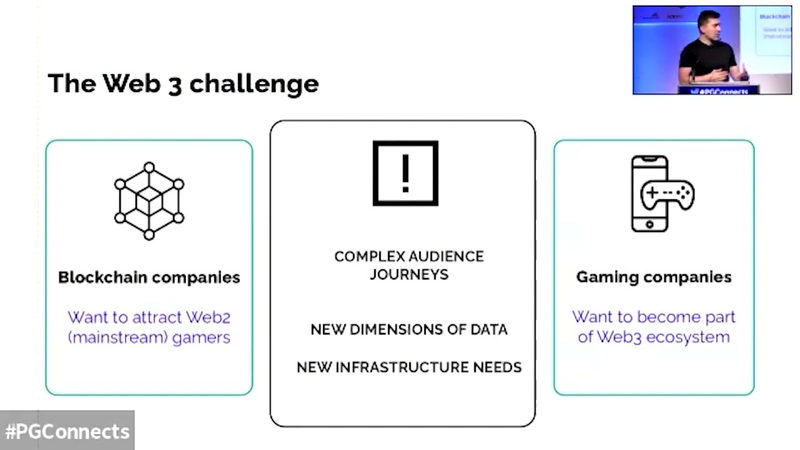
Scaling blockchain games requires a shift from relying on organic hype to implementing performance-driven growth strategies similar to those used in the mobile free-to-play market.
- Sustainable growth in blockchain gaming requires shifting from speculative hype to performance-driven strategies modeled after the mobile free-to-play market.
- The sector has demonstrated significant momentum, evidenced by a 100x year-over-year increase in active wallets and a high concentration of total blockchain transactions originating from gaming.
- Developers must integrate traditional gaming audiences with crypto-native users by creating high-quality, accessible products that prioritize genuine utility over speculative asset models.

Keynote: Building a Scale-up Financial Model
Building a scale-up financial model for gaming studios requires a sophisticated approach that integrates user acquisition (UA) metrics, cash flow management, and strategic capital allocation.
- Studios must transition from simple profit-and-loss accounting to granular, cohort-based financial models that map the specific time-lag between user acquisition (UA) spend and revenue realization.
- To maintain operational clarity, studios should isolate UA and monetization cash flows from general operating costs, treating UA as a repeatable investment formula rather than a generic expense.
- Financial models must account for industry-standard payment delays of 15 to 90 days, which create significant liquidity gaps that can be mitigated by leveraging credit facilities from ad networks.

Panel: Independent vs Traditional Publishing on App Stores: What Can we Learn from Each Other?
The mobile gaming industry currently faces a strategic crossroads where the choice between independent and traditional publishing models hinges on a studio’s development stage, financial capacity, and desire for creative autonomy.
- Mobile studios must integrate user acquisition, organic marketing, and product development into a single cross-functional workflow to effectively navigate privacy-centric frameworks like SKAdNetwork.
- Traditional publishers offer essential infrastructure and brand equity for scaling, while independent studios prioritize operational agility and the retention of long-term intellectual property rights.
- Sustained growth in the current mobile landscape requires balancing a long-term product roadmap with the flexibility to pivot based on real-time market feedback.
Superstar Session: What to Expect in ASO in 2022
The mobile app industry is undergoing a significant transformation as App Store Optimization (ASO) evolves from a siloed marketing function into a cross-departmental strategy.
- App Store Optimization (ASO) is increasingly resilient to privacy-driven tracking limitations because it does not rely on user behavior tracking, unlike other paid user acquisition channels affected by iOS 14.5 and App Tracking Transparency.
- Apple's iOS 15 introduced critical ASO features including In-App Events, Product Page Optimization (PPO), and Custom Product Pages (CPP), though current A/B testing on iOS remains limited because tests are automatically interrupted whenever a new app version is released.
- Custom Product Pages on iOS currently face integration challenges, as only two networks—IronSource and Apple Search Ads—are fully compatible with tracking performance post-install.
In Conversation: Growth Hacking 2022
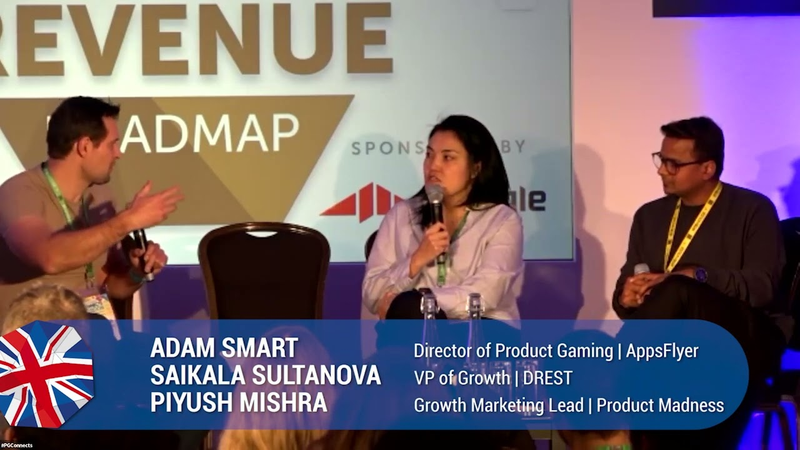
This discussion explores the evolving landscape of user acquisition (UA) and growth marketing within the mobile gaming industry as of early 2022.
- The mobile gaming industry is shifting from granular, user-level data tracking to contextual targeting and creative-led strategies due to privacy-centric changes on iOS and Android.
- Traditional metrics like cost-per-install (CPI) have become unreliable, forcing a transition toward 'cost-per-player' as a more accurate indicator of campaign performance.
- Marketers must move away from platform-provided targeting and instead utilize internal audience insights and impression-level data to execute smart, contextual campaigns.

How to Break Through the Noise: Reasons You Really Need to Start Automating Today!
The mobile gaming industry has experienced significant growth over the last 15 years, reaching a valuation of approximately $165 billion by 2020.
- The mobile gaming market is projected to grow from a $165 billion valuation in 2020 to $220 billion by 2023.
- Marketing professionals currently spend 80% of their time on manual data management, which prevents strategic optimization and leads to paralyzed decision-making.
- Automation platforms address data fragmentation by centralizing metrics across advertising partners, enabling real-time optimization of creative testing, budget allocation, bidding, and audience targeting.
Scale for Success: A Developer's Guide on UA Strategy & DSP Partnerships
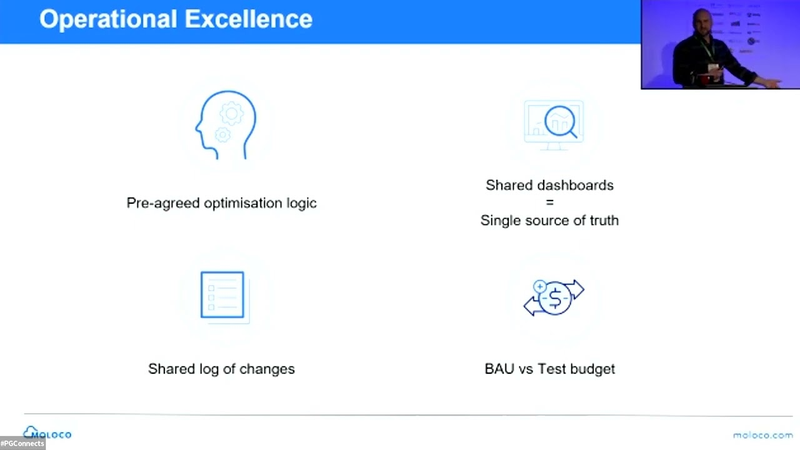
Effective user acquisition (UA) at scale requires a strategic, collaborative partnership between mobile developers and demand-side platforms (DSPs).
- Successful UA scaling requires a unified 'source of truth' for data, as discrepancies between internal business intelligence and mobile measurement partners (MMPs) prevent effective ML optimization.
- DSP machine learning models require a four-to-six-week stabilization period to learn effectively, necessitating the separation of 'business as usual' budgets from experimental test budgets.
- DSPs are essential for capturing the 63% of ad impressions that exist outside of major 'walled garden' ecosystems.

Structured Mobile Marketing | The Ad Concept Model (Zynga + Consumer Acquisition)
The mobile user acquisition landscape has undergone a fundamental transformation following the deprecation of IDFA and the subsequent decline of lookalike audience efficacy.
- The deprecation of IDFA and the decline of lookalike audiences have caused a 30 percent margin compression across the mobile gaming industry.
- Success now requires a high-volume testing model where 20 to 50 new creative concepts must be evaluated to identify a single winning asset.
- Studios should transition from generic advertising to a granular strategy that maps a game’s core value propositions to specific player archetypes.