1 free read left. Create a free account for unlimited reading + AI research.
Create free account
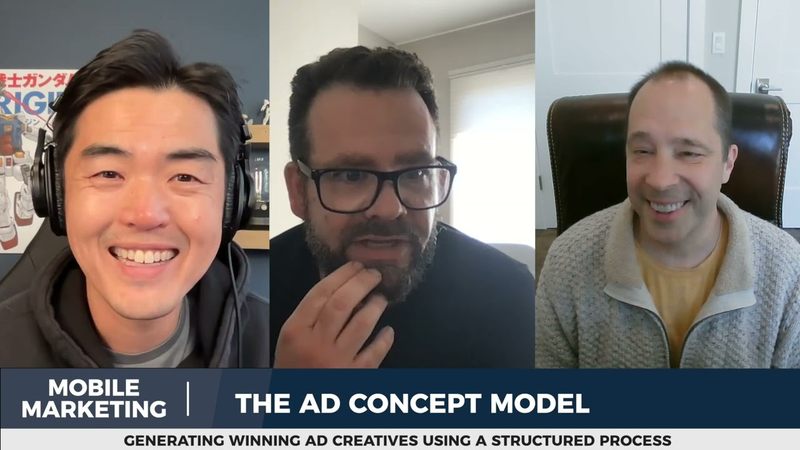
Structured Mobile Marketing | The Ad Concept Model (Zynga + Consumer Acquisition)
Key insights
7 takeaways- 01The deprecation of IDFA and the decline of lookalike audiences have caused a 30 percent margin compression across the mobile gaming industry.
- 02Success now requires a high-volume testing model where 20 to 50 new creative concepts must be evaluated to identify a single winning asset.
- 03Studios should maintain a broad perspective by benchmarking performance against competitors both within and outside the gaming sector to avoid strategic tunnel vision.
- 04Studios should transition from generic advertising to a granular strategy that maps a game’s core value propositions to specific player archetypes.
- 05Marketers should leverage public resources like the Facebook and TikTok Ad Libraries to deconstruct competitive trends and identify impulse-driven messaging strategies.
- 06Android platforms should be used for structured A/B testing to bypass iOS data limitations and provide a controlled environment for nurturing new creative concepts.
- 07Resources must be strictly allocated toward scaling proven winners rather than attempting to optimize underperforming creative assets.
Ask AI about this video
Transcript
hello everyone and welcome today we will be talking about a specific approach to generating winning creative ad concepts for mobile user acquisition this is a methodology that has been developed by consumer acquisition and highlighted in a white paper that they publish and i'll put a link in that to that in the show notes but just a quick set up for our audience as detailed in that consumer acquisition white paper first idfa deprecation has created a negative 30 margin compression for many game studios against the game revenue second with the deterioration of lookalike audiences a consumer acquisition submits that contextual and interest-based targeting will be more performant and finally consumer acquisition have performed over 25 000 multivariate tests on facebook google tech talk and snap and have learned that 85 to 95 of new
creative concepts fail to outperform the best ad in an existing portfolio hence you may need 20 to 50 new concepts to find your next winning creative therefore what is a good system to generate new and winning ad creatives well consumer acquisition have developed a methodology called the ad concept model which we will discuss in depth today and with us to talk about the ad concept model we have first bradley befoco creative director at zynga and the man himself the is it c of consumer acquisition brian but or is it uh what's the current it's okay okay ceo consumer acquisition brian bowman welcome guys welcome welcome thank you thank you john nice to be here thanks for having me all right well maybe we just dive right in and so just kind of getting to the first question and i guess before we talk about the ad concept model i thought we could start
by talking about you know how do most companies come up with creative concepts more generally for their ads in mobile ua and so what would the typical process look like and what may be potential pitfalls or issues when we think about the typical model i'd love to hear bradley's thoughts on it yeah um sure yeah i mean it's as far as uh concept development i mean you know at zynga uh at a high level we we kind of try to leave no stone unturned right um so our concept development process kind of um there isn't kind of like one way that we do it in terms of where it comes from and and the process by which we used to get there um i will however say that um you know we are using some sort of flavor of kind of ad concept modeling um to kind of you know kind of keep our ideas together as it were um but uh but you know i think that like anybody else in this industry you've got to kind of have your eyes and ears everywhere at once and so kind of
always being mindful of what your competitors are doing and not just your kind of uh not just your kind of nearest neighbor competitors but what is your audience also looking at right and so there's a it's not just the kind of like the the products that are similar to yours right but there's a whole kind of ua industry landscape out there right that um users are seeing you know creative executions you know directed towards them from all ilk of products and services and so really just kind of being really mindful always of kind of keeping your eyes open to what everybody's doing in this space and really getting a sense for how users are feeling and what they're liking in the moment is kind of uh something that is probably deserves to a place in everybody's um concept development cycle for sure um and uh and yeah you know as far as like the practical kind of uh pen to paper uh actual like issuing and developing of concepts you know i think that that happens at all levels at
zynga you know i kind of i i look to everybody on the team you know from kind of like myself to art leads down to kind of like you know graphic designers working on projects you know in a hands-on capacity um to be able to kind of like generate and submit ideas based on like their analysis of what's going on right now both in the industry and then also work with what's what seems to be working for us yeah so bradley would it be fair to say that maybe the typical process i mean there's probably some level of structure behind how you do things but it can generally for most companies potentially be like more of an organic process where you're brainstorming a lot of different ideas and just trying to think what would that concept be that would try and capture the attention of someone to to tap or click on an ad is that fair to say yeah that i mean that's exactly right right and it's kind of and it's also about really trying our best to understand trends not just say like oh this is a trend we have to do it but it's like you know really kind of trying to understand what is going on with that trend like what is it doing what is it
making consumers feel and think right and kind of really trying to make that relevant to what you're trying to say about your product you know right and brian i know you've worked with a ton of different customers throughout the industry is that the a typical process that you're seeing when you when you work with uh different customers as well no i think bradley's he's a rare bird in more in more ways than one there's really only been a couple of companies that i think have structured the creative ideation process as well as what bradley's alluding to i mean if if you don't do this you end up with the creative team kind of running wild right the analogy i like to use is you turn off the lights in a room and they fumble around in the dark uh just coming up with ideas but i mean it could be totally random and worthless the the generic thing and if you don't mind uh joel i'm gonna share screen if that's okay it's really a couple of things here i like to call that concept model really
just a way to communicate with people and whether that's just an agency to a client in the more ideal world it's an agency to apply it to the client's internal creative team and it's really to try and eliminate the redundancy of multiple creative people working in one bucket at the same time and the idea is to align these creative explorations with your target audience specifically if you've done marketing segmentation analysis into the personas and what motivations do people have for playing the app or the or the game to make sure that as you know idfa deprecation takes hold and the efficiencies of look-alike models disappear on ios and obviously google announced the removal of gaid a couple years down the road it's going to be contextually based um so that's what this is trying to do and as as joe mentioned earlier it's damn hard to find a winning ad it's
about 1 out of 20 to 1 out of 30 ads uh so vast majority of the time you're gonna fail you us any agency um and so here's in essence what it is um if we just focus on the color section that is motivations for why a user is playing an app or you know or a product or a service normally taken from a persona and the vertical is competitive creative trends so that's what uh bradley was alluding to think of it like fashion your genes change your shoes change right what's what's in and out of fashion the intersection of a trend and a motivation is an idea and what you can do is take lanes like excitement or success and say we're going to focus on those you guys focus on the others or i'm going to work with several firms we're going to divide them all up so that there is no redundancy and that's a
pretty efficient way to work um does that does that make sense yeah and brian before we go further maybe just for our audience could you further kind of underscore that point about why because of idfa deprecation the ability to come up with with higher with better performance creative is so much more important today relative to the past yes oh sorry yeah absolutely i can underscore that joe um what's more important now than ever right which maybe wasn't as important before right when we still had when we still had lookalike audience we still had some of those kind of like deeper down funnel metrics right it's now more than ever so important to be developing creative where like you are being mindful and uh of your of your intention right like what are you trying to do in the ad like this is so important to be aware of these things like it's not just like oh i got a new idea or here's a new idea that's on trend let's try it right it's like really breaking that down right it's
kind of like you know make sure that um you know that you're saying one thing right you're delivering one thing and that you're addressing specifically addressing a youtube user motivation it can't be you know kind of like it can't just be this vague thing that you're trying to kind of understand right you want to really be specific about what you're trying to say and what you're trying to do and every bit of creative that you have and be kind of mindful of that catalog on your end you know because those are the things that are going to kind of be these levers that you end up being able to push and pull later on down the road right in terms of kind of like finding more performance for your advertising got it and one of the things you mentioned bradley about being mindful of intention and brian you mentioned personas and is that kind of like the rationale behind going with a persona-based kind of approach because you're trying to determine what intention is and um and then bradley maybe a follow-up question for you would be were you guys using a persona-based approach before or was this something
new based upon consumer acquisition's ad concept model um let's start with the first part first i guess um so uh yeah in terms of the intention right that's really like kind of on our side right in terms of being mindful what we're trying to say and what we're trying to do right and so that when something works right that's a signal right that like okay what we've tried to do here you know what i mean is it is effective communication at the end of the day right um and then as far as uh the second part of the question goes sorry can you repeat yeah so um i was wondering if you guys already had a notion of personas or was was this kind of a new concept based upon the consumer acquisition ad concept model i'm going to say like we have we have definitely incorporated it from time to time in the past and across other titles but i i i have to be honest here and saying that like i actually think that um the way brian's doing it now um is pretty advanced uh as far as like the
building the personas and like um yeah i i i am uh i'm envious and maybe and maybe just to follow up i think i think that first question that i was asking about um the importance of intent i'm trying to understand like uh when you do come up with the motivation or that sorry the personas is the personas and the reason why you guys focus on personas because you are trying to tie an intent to the persona or am i overthinking that no yeah we're trying to imagine an intent to to yes absolutely but it's less about a persona but like maybe some of the aspects of the persona right like what are their motivations what are their interests right and how are we aligning with those things specifically right and brian please like feel free to kind of like the cool correct it has nothing to do with mobile apps right uh personas is a traditional marketing technique to bucket your users into very large clusters and those
clusters are usually represented by you know a man or a woman of a particular age and here's what they do watch and listen to so you kind of get a flavor for who they are the cool thing is they have emotions they have reactions they have components that they want to see and experience some of them may lead to monetization some of them may lead to using the title more so you you play with those and you kind of tease them out to amplify that and what you'll find and i'll go back to the idfa thing in a second what you'll find is the algorithms are really good at clustering those kind of users and so you asked a question around idfa deprecation and why it matters forget idfa for a moment this is facebook aaa and google uac and what they were trying to do is they started peeling off levers for the ua manager and by eliminating the levers it meant advertisers very big and very small can get as efficient as each
other the the challenge is it one size kind of had to fit all so there's all these pockets of efficiency when you really dug in because of the loss of idfa um the weird byproduct is that applovin unity fungal ironsource are really close in performance now to facebook because the efficiency that facebook has has been neutered to a large extent and so at the end of the day if it's contextual meaning you're speaking to a persona if you know how to segment your persona into these attributes the odds of success in the ads are much higher so that that's great to kind of dig a little bit deeper into your sort of matrix of personas relative to trends but before that maybe brian and bradley when you come up with the personas is this like a set template of personas that you guys have or for a specific game do you guys come up with different personas or how do these persona types
get initially defined yeah so there's a lot of frameworks that you can find out in the open web about personas um there are attributes if you're in finance if you're in games if you're in health if you're in e-commerce there's a kind of traditional top-level persona that you can start with normally what you would do then is survey your users and tease out the most important motivations from that you can establish really two things one the product development cycle that you're going on in the app are you hitting that persona is that what you want right what users are saying um and maybe it's not right so then you have to adjust you have to adjust the title or adjust the expectations that this is who we're getting um so there's i'd say five to six kind of well-researched foundations that you then take and repurpose and the and part
of what we're sharing in the white paper is we've broken it down i think it is six or seven uh genres that are not necessarily just gaming right i know it's subscription services and dating and finance and you can look at him and just when you go to use fidelity or you're using a credit app is that why you use it it's a sniff test um what you may or may not understand is again when you lose look-alike audiences you've got to cluster people somehow so what the algorithms can simply do is cluster you based on the type of ads you respond to am i responding to negative ads am i responding to positive ads am i responding to informational ads or you know or discounts so all of those things fit into these attributes and then you just start playing with what other companies because bradley made this great point there are my direct competitors they have a similar title but then there's the aspirational competitors i just like their ads they have nothing to do
with the category i'm in but they're badass so i want to take that concept decompose it and put it into this persona structure and that's what's powerful about this there's no limit to the trends or concepts you know you can keep expanding both horizontally and vertically it's just a structure to make sure you don't you don't just wander off into the dark room okay and then let's say a new studio is interested or kind of has a notion of wanting to try out this ad concept model could you guys step me through what would be like the step one two three four five in terms of how uh you know a uh a ua marketer or creative person within a mobile gaming studio would kind of go through your process would it be to you know set up the personas first discover competitive creative trends create the matrix or could you just like step me through that whole process brother i'd love to hear your answer but by the way to be clear he was already doing this right we just happened to be
working yeah it was really kind of coincidental like it was like it was all of a sudden like we looked at each other across the table even though there was no table you know during covington together but like you know we had these very similar ideologies right for kind of like how how we kind of think about making creatives right um and i'll also mention that like i my work at zynga's is is pretty much at this point um focused on the games that we're about to launch right and so um my acumen is applied to kind of like figure out that framework for development right kind of define our our our matrices for our matrix for a given product um and then make sure that we kind of like develop enough of different types of stuff so that we and and all of that stuff is you know there's like i was saying before there's intention behind it so that we know you know and that cattle that intention is catalog so that we can understand if something works why it's working already because we've kind of like figured out the taxonomy right for that given piece of creative you know or had already and that's the hope at least um but yeah in terms of like
you know i it for for me it always has to start with the game right okay um and it's always about like you know breaking down the game into kind of like what are what are all the selling points like what can what is what can that player expect to do in the game and what can what can uh what can that player also expect the game to do for them right like you know and so we all we our matrix our major ad matrices always start with kind of like really breaking down the game into um as large of buckets as possible that are kind of like informed by the things that um you know buckets of things that users might like to do right um but the you know the idea for our matrix is matrices are not to kind of like have buckets of like where all ads are the same you know what i mean like the word again oh we only have this type of ad in this bucket or this type of ad that is not the objective of our matrix right it's actually so that we can kind of have buckets that we know what you know that kind of are generally these ads are about the same thing right they are addressing the same kind of motor user motivations they are surfacing the same
type of kind of like uh you know hopefully appealing features and mechanics right that um that a giving kind of like genre fan might be interested in right so we really that's where we start uh in terms of our development is like taking the game apart and like how is how is this how from a selling point perspective right what can the user expect to do and what can what can the user expect the game to do for them right and so we start there um and then um from there we kind of we and we look at to see what you know what are our kind of most uh most relevant um sentiment um bits that we could be conveying in our ads and that's that's that's the that's that's the foundation for us are those two things so joe i was poking around while he was talking but i was listening um i wanted to i found the thing here with the frameworks so i wanted to share it for a couple of reasons here um so you'll see um and forgive me i can't pronounce this person's name but um it shows a couple of the frameworks yogian archetypes bartles player types
facebook has come out with their own i think uh there are several other firms that have so it's a it's a relatively well-known way of thinking about it okay often i love simple quotes that communicate the challenge the the one from mark twain is a great one just someone with a hammer everything looks like a nail and i think what happens in the industry today is we take one concept and hammer everybody independent of what motivates them to play the game so it's not as refined as it could be in the concept right and if you look at i believe this is the facebook model for gaming um some people kill each other some people complete levels some people just like to relax and you can have all three of those in a game and you may want to highlight those individual components in the ads that you're going after partially because it may drive more level completion
partially because it may drive better monetization so as you figure those out and it could be the intersection of the creative itself and the motivations but it really does work it works quite well okay and brian just so i understand and i'm trying to understand so you um and bradley you first start by understanding the game trying to understand potentially uh the value proposition as you said and then brian you're understanding the use potential user motivations to play the game and then is the next step to then build out the personas and the in like the the creative trends to build that matrix or um one copy somebody because you may not have the marketing resources to do it game refinery publishes a lot of really good help so i would point you to those guys they're smart you could start with those personas um and the motivations of them it's usually hand grenade pretty close from there you then look at ad
intelligence products we happen to use mobile action but sensor tower app annie and social peta are other examples um and i think there's in our current world about three and a half or four million videos in our ellen ad intelligence product broken down by genre in some genre it would much to my chagrin i thought i can get a creative person to think like a ua manager and a ua manager to think creatively and it literally was like oil and water we couldn't do it so we ended up designing a product by artists for artists that just made it easier to get into and figure out what competitors are doing and then they could for themselves do what bradley's talking about which is man that's a cool ass trend how do i put it into my world got it okay and then maybe just just for some of that because you know in terms of the audience there are a number of folks at smaller studios but
is this kind of an expensive process is this something that if you were thinking about or advising a smaller game studio about using an ad concept type approach like how would you advise them and then you know would they maybe if they don't have the resources to pay for like a sensor tower or data.ai which is app annie or or one of those services what would you recommend that they do very good joe they just renamed today right timeline i'm current so we give it away for free okay so if if they're accessing our platform they can get it for there it's it's not inexpensive so um i do think that's part of the challenge there are free tools so the best one is facebook ads library and then there's a tick tock ads library the challenge is it's really fleeting so it shows you what's going on at this moment not necessarily the last 24 hours or the
last three weeks and really what i think you're missing from that is intensity so how many impressions are you getting per ad as a proxy for quality um so you you're missing some of that but it is free and i think it's like if the entire page has a particular trend you know that that's working for them right um yeah i would also i would also mention like for for you know i guess any smaller outfits out there that are interested in kind of like don't have resources you know to kind of access any of these intelligence tools right like um i mean i'm only going to speak from personal experience here but it's you know i i don't necessarily use facebook as a user right like i don't post anything about my life or anything like that but to facebook i look like someone who loves clicking on ads and downloading games right for instance and so and i'm starting to notice similar like if i kind of direct my own behavior to look like a user that likes to see ads i'm going to get served more ads and so i spend a lot of time on my own
device looking at ads capturing ads saving those ads for my own reference um and i just think that that's a really good habit for anybody who wants to kind of like you know kind of participate and you know this this discourse right of the mobile ua um which is like definitely kind of like inextricably linked to the pop culture kind of like the larger pop culture broad audience mass market stuff right um i just think developing some habits around kind of like gaming those uh gaming these kind of like networks and platforms to kind of see you as a user that likes to see ads and they'll gladly serve you ads you know um and so i just think that that's a that's just a good kind of habit that anybody can any anybody can do for themselves right um and more you know the more the more active you are in terms of click you know tapping on ads and downloading those products the more you're going to get served right right i do want to highlight how dismal this process is just to be to be fair it if anyone tells you they know what ad is going to work they're wrong right nobody
knows and so the idea is you got to have something that puts it in buckets so that you have i had like there are countless times on my output 20 bucks this ad is gonna work and it bombs miserably so i mean after hundreds of thousands of these things i don't know and there's a japanese philosophy for testing called kaizen which is just infinitely test infinitely try and that's really the approach here which is just because something works doesn't mean something similar will and something totally wacky or even a mistake can often be the best winning ad now if you're working with a licensed ip you can't get away with this but move as quickly as you can you don't need to refine the ads you know get them out and test them and see if it holds the click-through rate or ipm impressions per install if so then you got a winner and you can play with it um but it's hard to do john and i i feel like i understand
how you've kind of structured this process and and kind of made it you know a structured process around let's say the personas and trends and then also the user motivations but when you like let's say you are using one of these data services and you're looking at you i assume you're using that primarily to look at competitive benchmarks in terms of advertising what are you specifically looking for when you're for example using a data.ai sensor tower social peta what are the specific things that you look for and how would you take that information and then apply it to a campaign for your own game um the way we do it is there are as bradley mentioned usually about 10 competitors that are direct for your title right you tease those out in a call of one form or another we end up putting them into a dashboard the creative team zooms in we look at them over the course of the last
90 to 180 days we can see the trends that they were working with we could see when things failed and when they started so and we've been doing this a while so we kind of get right what what the ebbs and flows are so we normally know this thing's out it's out of fashion or we're going to try this so you put it into the bucket of things i want to test the more interesting uh kind of exploration is what are the top ads overall what are the top ads getting the most imp it doesn't matter what they are what are they doing that's cool and driving a lot of impressions now that could be because somebody's bursting and spending a you know crap ton of money or it could be just that it's a really funny ad and and you could take those ideas and then put them into your asset constraints and your universe constraints and try them and those things often work quite well do you also believe it i'm curious because it sounds like you're not using an ad intelligence tool um i mean we we have an enterprise
license for for sensor tower right so we rely on sensor tower for sure and i think again i'm going to mention the idea of kind of like habits right um and kind of like constantly you know being like you know conducting your own research right for your own for your own reference but also to make sure that your team's kind of like have some visibility into that research research and kind of like you know making some conclusions and some analysis around that right um it's you know for for me personally what i like to what i like to know is like okay what are people seeing right so it's like share voice and like the number of impressions served is is is good good kind of information right it's like what are people being exposed to right and how and and does that give us any kind of clues as to how they're kind of feeling right and to brian's point about kind of like all right well what else is going on in the industry not just games right and it's like if you actually kind of look in that like you look at the top creatives it's you know there's there's some interesting stuff in there right like personal finance right people are really responding to that so it's like what can that tell you right like how can you kind of like dig into what that communication is doing and what that
what is motivating that user to want to seek help right there in terms of like you know personal finance like maybe there's something to learn there right and so um so yeah i we definitely use the those tools i also really like ad action i think that's cool i poke around in there for sure sometime but you know um we do we have an enterprise license for for sensor tower so that's kind of the language everybody speaks you know um and uh and you know it it gives a decent enough kind of like purview and overview of the landscape uh in any time right so it sounds like the advice is not just to focus on your specific genre but to look more broadly maybe even outside of games to your point bradley yeah and if there are lessons there from these competitive ad intelligence tools maybe you could take those and at least try to apply them yeah absolutely i mean look like you know and maybe this is controversial to save and it's like you know i don't think that like mobile ad installs or like um or installs from mobile ads are like super calculated contemplated decisions
i think it's buying gum you know what i mean like and that's not a that is not a like uh that is not a commentary on these on on the products right like i love mobile games i am a mobile gamer through and through right not very into the console thing i've been i love i love mobile games right they are perfect for my for me and my use cases right um and so uh these are not again these are not contemplated kind of like purchase thoughts right these are like i said it's a pack of gum at the checkout line right it's like ah it's more of an impulse buy right okay joe you're asking questions around how you do it so i'm going to try and this is like just core dr 101 right what's the value prop what's the call to action if you just look up direct response advertising best practices a lot of this is in there i would highly recommend to your viewers to watch the talk from malcolm gladwell on spaghetti and i i call it spaghetti manifesto
um it's a it's 11 minutes so it's well worth your time it's about how pepsi got it wrong and how spaghetti sauce got it right and answering a very simple question which is what do people want next and the answer is people don't know so you you can't give them what they want next you have to just show them what it is but if you don't know it's hard it's really hard to do it's a great it's a great watch and relevant to what we're talking about here i'll i'll find it and put a link in the show notes but yeah i definitely appreciate that reference same here i need to watch this i'm a malcolm gladwell fan for sure all right and maybe the last question i can ask you is more now about so you've kind of gone through this process the ad concept model or some other structured process of some kind and you've come up with a bunch of ad concept ideas or you have now like a you know a set of creatives and so in terms of like how you execute and
test these in terms of uh could you talk about how to actually do that how would you approach it in terms of channels the number of creatives um and you know which creatives to use and and that sort of thing uh it would be great to hear a little bit more about the implementation execution of the creatives once once they've actually been ideated um this is obviously contingent on a bunch of stuff is it an in-app purchase is it an in-app ad etc this is our general number of videos just the the little spreadsheet thingy here in the middle um that we recommend people do based on their velocity of spend per month if you go higher you end up crushing roads or you know your financial model if you go lower you end up fatiguing and running out always test on excuse me one platform you can't do ios anymore because it's a creative blob so they've jacked it all
up but you can use android on facebook it's the most efficient testing uac doesn't offer it tick tock is getting there so for the time being a b testing on android is the way to go um we recommend a three-step process we have a white paper for free um this has been vetted with you know a billion dollars in spend the purpose here is actually quite simple in facebook you cannot remove history of the ad spend from the winning ad um therefore if you try to combine a challenger into the campaign with the champion the challenger almost always loses because facebook knows what the champion is however if you carefully nurture that video or image to get out of the learning phase and into the optimized phase you'll find a much higher success rate so there's a very structured process that we go through
um one of the frustrations i think we have on our side is we provide a whole bunch of creatives and some of the clients just jack up creative testing and you're like it's not going to work and so of course you know all the ads fail so it it really is a one-two punch don't get married to anything i like bradley's analogy of bubble gum when it runs out of flavor switch um because you can't get wed to creative ideas that just they're really difficult to find okay no and i don't know maybe maybe one last bit of advice um and this is something i feel like um i've heard from you know multiple sources kind of corroborate this like don't fixate on what isn't working for you or understanding to fix something that isn't working for you it's not not worth your time right right um you know uh focus on what's working and kind of you know the digger the deeper you can dig in there um is gonna you know could be much more worth your while right with respect to kind of like metric improvement or whatever you're looking at as far as kpis
and i think that's why a lot of companies turn to us the internal team ends up getting tunnel vision specifically through this lens they know what works they know what fails and they st they keep safe where we're kind of like wild cowboys right we'll try and do anything because we know the odds of success are so low and we don't have the internal politics to worry about so whether it's us or another creative firm i do recommend much like on the ua side benchmarking the team because all it is is more ideas to feed if we find a winner then that provides a new direction for the internal team to take and riff on all right great well gentlemen thank you so much for your time i certainly learned uh quite a bit today and maybe as uh as a last message could you tell the audience if they wanted to get in touch with you guys how would they do that and if you have any you know final final words of advice for folks out there uh maybe starting with you brian
sure brian at consumeracquisition.com and by the way we were recently acquired by brain labs out of the uk so we went from being 55 people to over 700 we now offer paid search programmatic and seo we don't they do i guess we do i got to get used to that so please reach out if you have questions to my email address and we would love to help you on the creative or the ua side and badly um yeah so if you want to find me maybe maybe uh maybe the best place to reach out to me in this capacity would be on linkedin um i think linkedin bradley rb is my handle there um but yeah you know i'd be happy to talk to anybody who you know really wants to kind of uh wants to shoot the breeze about it i mean uh you know i'm a lifelong uh advertising junkie this has been my career you know i started in very conventional advertising agencies on the east coast you know found my way into this industry and uh i'm not gonna leave that's for sure um but yeah i you know i i'm really
kind of i'm always up for a discussion around creative development right um especially pertaining to in the ua landscape so um yeah feel free to hit me up all right awesome thanks so much gentlemen and for our audience we will catch you next time thanks everybody bye [Music] you
Summary
The mobile user acquisition landscape has undergone a fundamental transformation following the deprecation of IDFA and the subsequent decline of lookalike audience efficacy. This shift has triggered a 30 percent margin compression across the gaming industry, necessitating a departure from traditional targeting methods toward a more rigorous, creative-first strategy. Success in this environment depends on a structured ad concept model that systematically aligns creative development with specific user motivations and competitive market trends. Because the vast majority of new creative concepts fail to outperform established assets, maintaining performance requires a high-volume testing approach, typically involving the evaluation of 20 to 50 new concepts to identify a single winner.
Navigating this post-IDFA reality requires moving away from generic, one-size-fits-all advertising in favor of a granular approach that maps a game’s core value propositions to distinct player archetypes. This process relies on a continuous, iterative cycle of testing and data analysis, often referred to as a Kaizen approach. While premium ad intelligence tools offer valuable competitive benchmarks, studios of all sizes can leverage public resources like the Facebook and TikTok Ad Libraries to curate and analyze successful creative trends. By deconstructing these trends, marketers can better understand the impulse-driven nature of mobile installs and tailor their messaging to resonate with specific user segments.
To ensure long-term viability, teams should prioritize structured A/B testing on Android platforms to bypass iOS limitations and provide a controlled environment for nurturing new creative challengers. It is critical to avoid the trap of attempting to optimize underperforming assets; instead, resources should be strictly allocated toward scaling proven winners. By benchmarking performance against external competitors and maintaining a broad perspective that extends beyond the gaming sector, studios can mitigate the risks of tunnel vision and sustain growth in an increasingly complex and competitive digital marketplace.