1 free read left. Create a free account for unlimited reading + AI research.
Create free account
In Conversation: Growth Hacking 2022
Key insights
6 takeaways- 01Growth strategies must integrate product marketing, brand storytelling, and landing page optimization into a holistic, full-funnel approach to offset the loss of deterministic data.
- 02The mobile gaming industry is shifting from granular, user-level data tracking to contextual targeting and creative-led strategies due to privacy-centric changes on iOS and Android.
- 03The industry is maturing toward a sustainable model that prioritizes long-term audience engagement over short-term, data-dependent acquisition tactics.
- 04Traditional metrics like cost-per-install (CPI) have become unreliable, forcing a transition toward 'cost-per-player' as a more accurate indicator of campaign performance.
- 05Marketers must move away from platform-provided targeting and instead utilize internal audience insights and impression-level data to execute smart, contextual campaigns.
- 06Effective user acquisition now requires segmenting audiences based on behavioral motivations and risk profiles rather than relying on device-level identifiers.
Ask AI about this video
Transcript
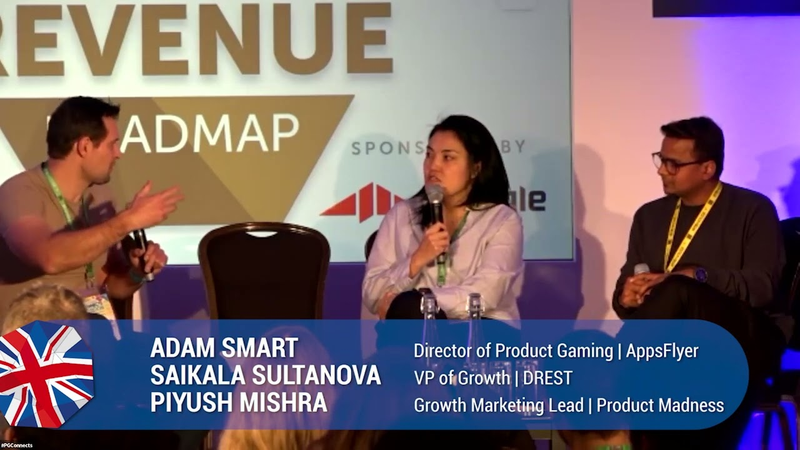
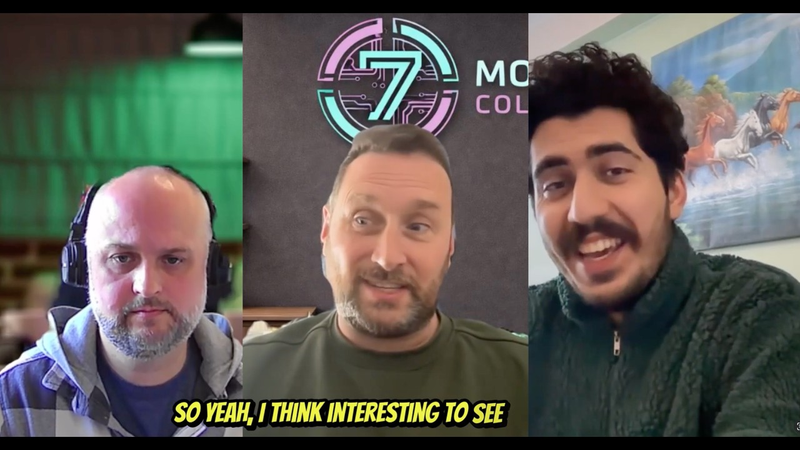
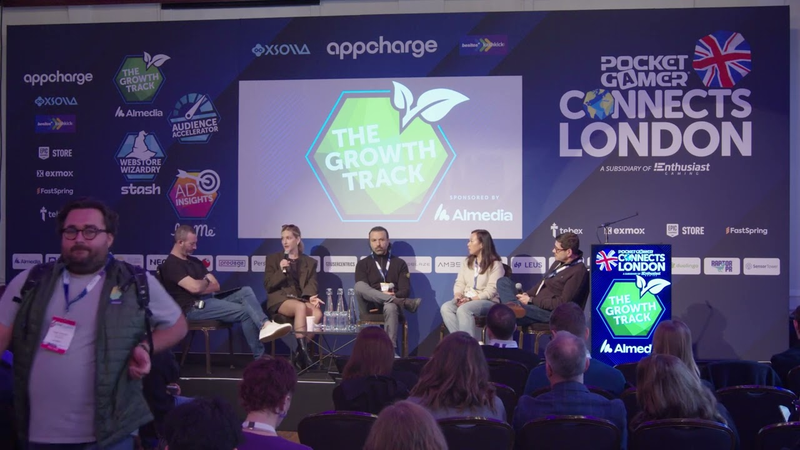
[Music] [Music] next up uh uh please join me in introducing uh uh welcoming adam smart from appsfly please mishra from product madness and psychala sultanova from dressed in their conversation discussing growth hacking 2022. hi everyone it's uh great be back in person it's absolutely fantastic to be able to do this live normally we're recording the podcast and it's uh it's all pre-recorded so it's uh not much not much sitting in front of everybody talking um very quick introductions so i'm adam i'm a product director at appslier um also
co-host of level up ua podcast um with my good friend pierce be huge to introduce yourself thank you thanks thanks adam and really really loved to see some faces for a change uh it's been a long time looking at the zoom so uh you know i'm pierce uh i've been in the performance marketing space for the past seven years makes me a bit old but you know but i've been i've been working the space i started in moby then went to uber and now i'm i'm a lead of growth marketing at product madness uh which is part of the aristocrat group so welcome everyone hope this conversation is going to be fun [Music] and cycada hi everyone it's uh great to see everyone in person finally i was uh really anxious to go like ah let's go and see people in person finally so i'm really pleased to be here thank you for inviting um i actually worked with these folks before the previous company um been i'm actually i think i feel older than you now because i've been in gaming for like 11 years um and touched on various game genres
throughout the companies like ubisoft space 8 games product madness previously but now just two weeks ago i joined dressed uh dressed is the company that takes luxury fashion to the next level and bringing it to mobile uh with gamified approach of uh styling dressing interactions and tapping into metaverse a little bit going forward we work with over 250 luxury brands globally among those cartier gucci i'm not gonna brag about a lot about it but i think we have a lot of interesting topics to talk about right now i think you've used the magic word metaverse this is like was she learning last year right she managed to drop it yeah all right well let's get on with the content shall we so yeah um all right it's it's it's been a really nutty couple of years since the last time we all managed to meet in person you know we've had covid big one to deal with we've had apple
changes which has obviously been a big thing in the industry i'm really interested to know what you guys are currently facing what your challenges are at the moment should i go yes you go first challenges i mean uh so many you know where you started with i'll tell you what the fundamental problem uh from a growth marketing perspective is i think it's the data inconsistency in certain sense uh and when i say data inconsistency i'll give you a very small example and a very very small example uh in the apple world in the in the ios world right right now where we are receiving scan data uh what is a cost per install like you know there is no cost there is no cost per install right so because what happens is like in terms of cost there are two metrics cost uninstall cost because you're doing no suppression you're actually targeting users and your cost is actually very high while in scan you get reinstall and install they call it re-download so what is a definition like is it called cost per install is it called cost per player now like you know the metrics keep on
shifting and the second big worry that i have right now and like you know on the growth marketing side is also on the fact that the shift that we saw with facebook for example uh you know the amm changes that happen the tick tock view through changes that happen right these kind of smaller changes i think what is happening is after apple did whatever they did and you know sort of change the industry in the process everybody is getting prepared every platform is now getting prepared and trying to create their own data source and limit their data source and and you know and obviously the reason is privacy but i'm just saying that instead of apple and google sort of solving it in between now there's a shift that facebook tick talk snapchat all the assignments are taking the way and saying that you know i'm going to limit the data associated to my in itself so that you know i'm not going to give it to you guys at any cost and you know it's all going to be aggregated and going forward so those two are my major concerns cycle over to you um concerns are the same actually across the board and it's although let's say we're shifting into gamified fashion but the problems are
the same but obviously thinking about 2020 and 2023 jumping into the future my mindset is more about uh let's create new kpis forget about cost per install let's call it cost per player that's the basic that's the music do you think that's the way it's going now with all of the the aggregated data it's turning more into marketers need to think about different ways of actually measuring stuff now exactly and although we all know in this world that uh the biggest weight in on the performance or let's say brand form is whatever you call it marketing now is going to be on creative and automation the creative also needs to few be fueled with some information about the profile about the audiences so instead of focusing on the device on the idfa and go and inject that data into targeting we actually need to learn about our players we need to learn what they do what their life is about where the base what are their habits what else can we attract them with and then emphasize
that in our creatives and this means kind of that sorry for interruption this means that kind of you know almost like our hiring strategy also should be shifted where ua managers are not going to be doing only campaign management but we also need to tap into product marketing is so the full funnel to understand how to better customize and build our go-to-market plans so going back to the the new kpis that you mentioned can you give some examples of what you might actually start to look at as new kpis um okay so cost per player not the install but actually i'm working currently on segmenting some of the data pieces now some of the data that we have right now and what i've been looking at and i'm actually talking to some of you guys at apps fire because actually legal team so it's more interesting i'd like to
segment the data points into low risk medium risk high risk in the future becoming sensitive when it comes to privacy and this way us as marketeers may be taking low risk and medius a little bit of medium risk can create new kpis that we could supercharge our campaigns with whether it's putting into naming conventions or whatever that we do with the creator name connections campaign and just whatever you want but somehow put almost like meaning behind who are the people behind their audience or device specs because that's not sensitive and more likely never going to be i'll just i'll add one more small thing which is i mean going back to the kpis right so at the end of the day it's also very very like important to understand the world that we're going to live in like it's there is not going to be user level data in the next two or three years right now the problem is if you look at the history of performance marketing the way we have sort of
gone back like 2012 2013 when i you know 2014 is when i started but yeah it's still old uh still showing your age i'm just saying like i'm counting the years but you know like when i started like the contextual targeting which is not a magic word uh it used to be the main thing like we did not have any user level data at that point in time and we were all thinking that you know like okay a user living in vegas yeah i mean that's going to work out well for a social casino right so that's that's for marketers now who are addicted especially game marketers who are addicted to user level data yeah what does contextual marketing actually mean like we you know they they don't have the experience of the brand side so what does that actually mean in reality look uh in reality it means just going back to the basics uh in the sense and i'll try and expand upon that because you know like what happened when facebook and google came into the picture like we started using user level data now all the ad networks and dsps also sort of shifted into that space but you know we're going to target users what happened in the process was we
became sort of lazy we were like yeah i mean we're getting user level data this user potentially had a credit card they did a purchase historically blah blah well you rely on facebook to know your audience better exactly right yeah and you know at the end of the day the point is that we should not do that because we know our audience better than facebook like we know where we can target but we know our audience better than facebook so that's the shift that is going to happen i call it smart contextual targeting in the sense that you know it's not the same level of targeting that we used to do but now we are like two things are pretty much sorted let's just accept it you know you're not going to change anything on the reporting side on the attribution side scan probabilistic they're going to survive together but for me as a marketer if somebody says right shift to consecution i'll give you a textual marker what does that actually mean like what do i need to do what do we need to do we need to start understanding the data on the impression log level on the click log level on the install log level and you need to start understanding the kind of views that are coming up i'll give you a very small example so looking at where your traffic is coming from your users are coming from not not the
traffic whether your users are coming from so like for example if you just get a list of vip users on like you historically who have had been there before like you know and just do a sampling and say that you know these are the users who are coming from another social casino app or another space then you know which public search you're going to target right so that's the smart sort of segment that you want to tap into and also we are in a world where we are paying for every single impression the there used to be a world where you're paying for cost per install cost per click but we're paying for impression at the end of the day when you're paying for impression you need to be smarter about the targeting so that you can actually save cost on the impression side and and another example just to tell you what contextual targeting is a user in las vegas at two o'clock in the night is playing the game you know on another social casino app and i know that giving my installed history that you know a user converts very well at two o'clock i'm just giving an example it's not two o'clock but you know it it converts very well in that city at that particular time and that's when you're going to set up a campaign targeting those particular data points your cpanel might be higher the target geo on top of the the or absolutely
i think also affinities in this case because then you start looking at the motivations and behaviors and building it that in not into creative narrative only but also in how you select the options that you have presumably you have to if you want to scale those campaigns because there's only so much that you have knowledge of up front and also like i mean the fundamental shift that that is also happening is from user to buying audience and i i've mentioned this before as well and we have this conversation before we have had this conversation before but you know that that's the shift also happening because now you're buying an audience you're buying an inventory you're not buying a user initially you were buying a user so that is also sort of a big shift that is happening and google probably going a similar route i don't know because facebook has started making changes already in anticipation of the changes that is expected so you know like we are going into that world where we're going to buy an audience we're going to buy a section of audience we say that you know and this particular app this time disabilities it's going to convert better so basically in practice what it means like for example in the past we
were going to go and say we want exactly x y and z and everything super laser targeted and we would not need to even going into the audience we could still go and laser target even further now taking that data drug away from us like oh wow this is a bigger audience so how are we going to do it and how we're going to figure out what's worth it so we're now going to learn more about our audiences up front before we do the targeting and we go into the audience and we will serve and test several creatives with different narratives and potentially maybe some of the creators we get some of the creative sets we're going to have several winners i was going to ask about creatives if you're going after specific audiences now does that mean you need to tailor the creative way way more than you would be before way way more and bring longevity and branding into place because to be some kind of connection to the audience with the creative right yes so this is when obviously you're going
to go back to naming conventions and using all of the tagging to make sure that you nourish your data and at the same time you will look at themes branding more larger scopes and test things not like we used to do and turn through hundreds of creatives and be focused on direct response and now it's it's worth it to look into like unified approach almost where some of it is brand spent some of it is going to be direct response and building a story around it i think some of the folks out there from gaming i did really well for example um merged games some of the love and pies from trail mix they do really well they build some of the stories and also but is that where it's going more in terms of building community like i've seen a lot recently with discord and that kind of that's the meta wars and then ft world building community you know name drop you're doing name dropping again uh no items i'll just sorry i'll just expand a little bit more on that because i think what she's pointing out is the perfect
way to go forward in the sense that look in the whole discussion around privacy and aggregated data we forget that the users have not changed their behavior has not changed they're still the same same set of users who were converting before so what what you can do is you have three separate flows like you can probably be very very better at doing targeting that's the first thing like you're targeting the correct set of audience what's the second stage the second stage is showing the creative because users are going to interact with the creative you're creative speaking the section of audience that you're targeting then half the job is done and then from creative the third is the landing page your creative and landing page need to be in sync so all these three are the things that we can control are the things that we can sort of expand into reporting attribution we can't do anything about it so let's just let's just accept whatever yeah but presumably buying it isn't easy if you can't get the visibility of what it is that you're buying and that's what i'm saying like for example and i'll give you an example i'm not saying that everybody should build a sells of dsp or anything like that but having a bidder in-house understanding the response rate and the loss notification of a dsp understanding
why you're losing out on the bid is a very very good way to understanding your how your dsps are eventually converting what bit are you converting at what kind of users you're trying to buy like you have to control you have to control the targeting so that you control the spend and when you get your cost under the you know under the under under the not on the table but after this like you know you can reduce the cost at the end of the day then you can obviously reduce uh you know the overall cost per install i wouldn't recommend building a bidder from scratch by the way no don't do that don't do that then you're putting people unless you're like a massive and big but then going back to the targeting the audience i think what's going to happen we're going to discover different profiles and we're going to spend a lot more time on studying our profile audiences and understanding more about motivations as i mentioned before and what do people do affinities other habits what do they you know what brings people to be attracted by a particular game particular app so it does potentially
turn a lot more to brand advertising like the the almost like brand performance i would say because i think let's be honest nowadays we all like one of those what was that i think it was from previous podcast you asked me what you wish you've learned you've known like five years or ten years something like that before like i wish i paid attention and took it more seriously when it comes to brand marketing because now i need to know it more yeah see it's a circle of life like when we started we didn't used to talk about brand marketing you used to say the performance market is the king now brand performance or performance brand whatever that term is but yeah that's where we're heading into that's interesting all right well let's let's finish up with another question so what is it that you're looking forward to in 2023 uh living my life no because i mean scan has actually actually ruined it because i was working on scan for the past one or two years like you know the whole ios changes so i'm just trying to sort of get to a place where we know
what sort of data we're gonna get like this is a transition period which is why it's a bit of a struggle even on the conversion value schema the kind of schema that you're creating having probabilistic data which is really helpful you know because you're getting beyond 24 hours sort of uh you know information so having those data points but we are in transition period we'll reach a position i don't know one two years down the line when you'll know that you know this this is the data that you're gonna get till then it's it's hard to keep everything together because you know you for example you can't even compare between two platforms i can't compare the probabilistic data on moloka for example versus a scan data on a facebook right those two are different sort of uh so what happens at the end of the day you're getting two different sort of data points and you don't know which one to pick and you don't know which which cpi is better which rs is better because d24 hours hours that's where you need apps like single sources that's a good pitch as you must no but uh so that's where the struggle is but the most thing that i'm looking forward to is actually in terms of for example the google changes
that are happening i was going to ask is that something that concerns you i mean like it's on the verge it doesn't concern me as much as it concerned us when apple did it because i think we have seen the worse it's not going to get worse than that i could be wrong google can prove me wrong you know it's there but you know like i'm hoping that google is not going to do such a rustic change but the fact is we need to be prepared and the way facebook and tech talk are sort of leading the change on that front on android i'm saying like you know the changes that they're doing they're already getting prepared and as advertisers we also need to be prepared for the changes that are happening better than the way we're prepared because back then when it happened we were there we were running we were running for the hill at that point in time so yeah that's that's one thing from my side what i'm looking forward to in 2022 actually learning lots of new things i'm super excited and happy to have joined dress a couple of weeks ago actually um it's full of creative minds and working with luxury brands it's completely new world for me so obviously it's still connected to gamification
part of it which is great because then i can use some of my skills i've learned in the past 10 years um but what i'm looking forward to more creativity joining the forces making sure that we are an app that we're building that is coming next apart from what we have live now we are bringing social element to it as well and yeah the rest is uh very exciting and yeah i'm pretty excited about that learning new sub how do you say i've worked worked with so many genres and subgenres in past 11 years and i think i thought i thought i ran out of you know gaming games that i could work with and then i found dress i was like oh wow fashion i've never actually patched that let's do it so i'm quite excited about that what would you say this is my own personal interest really sorry guys but what would you say is the biggest difference between the two stages of businesses that you're at in terms of user acquisition i mean like you're
at a relatively new stage you're going for app launch that kind of thing obviously product madness is a big social casino that's been sort of running for quite a while now yeah what's the what's the difference in terms of user acquisition i mean no money yeah no yeah money is there no but uh i think once you have established uh you know ua team let's put it like that like you you know what you're doing you still need to innovate in the new world i think the the struggle not the struggle i think what we are doing very well right now is expanding beyond our uh you know proper sort of ua that we have been running on the growth market running for example we're moving into influencers we're moving into tv we're trying out different things on the brand side so you know all of these things also and we're trying on different channels i'm telling you two years ago tiktok was not doing that great that he's doing right now right so the challenges keep on changing because the industry is so fast moving that you know even if you have enough money you need to still innovate every single time and that's what we're doing uh i'll say at this stage cool
i think that's that's us thank you thank you thank you thanks adam for the invitation [Music] [Music] you
Summary
This discussion explores the evolving landscape of user acquisition (UA) and growth marketing within the mobile gaming industry as of early 2022. The primary thesis is that the industry is undergoing a fundamental shift away from reliance on granular, user-level data—driven by privacy-centric changes on iOS and anticipated shifts on Android—toward a model defined by contextual targeting, creative-led strategies, and a convergence of brand and performance marketing.
Key findings highlight that the loss of deterministic data has rendered traditional metrics like cost-per-install (CPI) less reliable. Practitioners are increasingly adopting "cost-per-player" as a more meaningful metric and are focusing on segmenting audiences by risk profile and behavioral motivations rather than device-level identifiers. The conversation emphasizes that marketers must move beyond "lazy" reliance on platform-provided targeting and instead leverage impression-level data and internal audience insights to execute "smart" contextual campaigns.
The scope of the discussion covers the global mobile gaming sector, with specific focus on the challenges faced by established social casino titles and emerging gamified fashion applications. The participants, representing industry leaders in product and growth marketing, argue that the future of UA lies in a holistic approach where creative narratives, landing page optimization, and deep audience research work in tandem. By treating UA as a full-funnel activity that integrates product marketing and brand storytelling, companies can maintain growth despite the limitations of aggregated data. The speakers conclude that while the transition period remains challenging, the industry is maturing toward a more sustainable model that prioritizes long-term audience engagement over short-term, data-dependent acquisition tactics.
















Comments