1 free read left. Create a free account for unlimited reading + AI research.
Create free account
Panel: Independent vs Traditional Publishing on App Stores: What Can we Learn from Each Other?

Key insights
6 takeaways- 01Traditional publishers offer essential infrastructure and brand equity for scaling, while independent studios prioritize operational agility and the retention of long-term intellectual property rights.
- 02The industry is shifting toward a collaborative ecosystem where independent and traditional models are increasingly viewed as complementary rather than mutually exclusive.
- 03Technical volatility, such as evolving store requirements and features like App Clips, necessitates either dedicated technical teams in large publishing houses or hands-on iterative learning in smaller studios.
- 04Sustained growth in the current mobile landscape requires balancing a long-term product roadmap with the flexibility to pivot based on real-time market feedback.
- 05Mitigating technical risks introduced by iOS 15 and similar privacy updates relies on adopting lean, data-driven structures that prioritize continuous experimentation.
- 06Mobile studios must integrate user acquisition, organic marketing, and product development into a single cross-functional workflow to effectively navigate privacy-centric frameworks like SKAdNetwork.
Ask AI about this video
Transcript
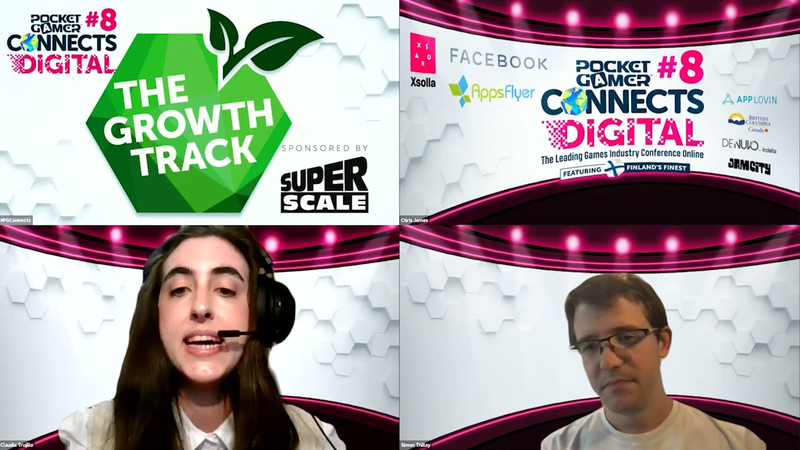
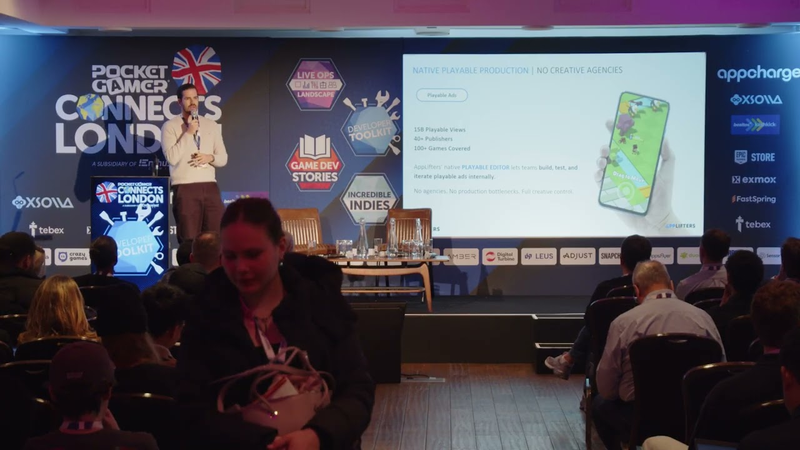
[Music] [Music] um i'd now like to invite a panel back up onto stage um and this is going to be discussing the differences between traditional versus independent publishing on the app store and so they're going to have a little look at how you can make sure you optimize your game best so i'd like to invite simon ta who will be our moderator back on stage um we are also going to be joined by riley anderson from umami games and we are digitally going to be joined by claire rosan from rovio and annette stolle from dirty bit okay yeah please it of course and do do we have claire and annette uh online
already i think we might need a few minutes hi so can you see us because right now we can't see you so you're going to be the voice speaking class yeah wonderful yeah i can see you and hear you we have you as well now so um thanks for everyone joining whether online or in the room and we'll just start with a quick round of introductions so um riley since you're just next to me i'm still going to have a favorite for today and ask you to introduce yourself first sounds good all right um yes i'm riley i'm the ceo for miami games and we make hyper casual moba games yeah so we scaled abc runner around a year ago and we entertained more than 11 million people in 2021 and then we raised around half a million us dollars now we are expanding and want to go into self-publishing yeah cool thanks so uh i think we're going to
stay with denmark for a second ask annette to introduce herself and then we'll move to finland with claire everyone hey it was my turn i'm in in norway um oh my gosh yes no no so hi everyone i'm annette i'm cmo at dirty bit we are a game studio focusing on real time multiplayer and 10 years old we are yeah our biggest successes are the games in the fan run series about 140 million downloads and yeah in my role i do marketing business development um asl adopts a big variety and i joined the industry six six and a half years ago when our team was eight people so the role varies as we have been growing and today i'm currently in the north of norway because i'm taking an mba part-time so i'm
calling from the university i've been very much snow and cold here in the in the north glad to be here thanks for joining and then i guess claire probably also deep in snow in helsinki yes definitely i'm sorry i got confused when you say finland as well because i know and that is from norway but uh yeah hello everyone nice to see you i hope i was with you in london actually i had a lot of messages around it but i'm not so i'm you a team leader of you and i'm just so happy to know that you set up this amazing stage like i have a deep respect for the other panelists that are here so really exciting excited to speak about um about uh who's challenged but uh self self publishing can can get this traditional you know so really exciting to be thanks us to having here well you actually bring also a lot to to the panel and i'm the one being most
intimidated here so if anyone is wondering who i am because i'm actually the odd duck in this room uh i'm the head of uh asu at aptweek so uh my role here is going to ask questions as to how you differ because you're you're all having amazing stories uh and yeah app tweak is an uh aso tool we also offer some services to some of our uh gaming apps clients uh i've been fortunate enough to to work along uh zynga or warner bros for for a little while for instance so happy to also bring my view of the how those operations go but uh today's the topic is really about independent verses is that already a good idea to say it's versus uh but independent and uh traditional publishers what what can we learn from each other what are the strengths so if we if we just take this question first at face value um i don't know who wants to go first but how how do you see
the split already how do you define yourself as an indie versus traditional publisher in the end and what's what's going to be the thing that comes to mind as to why you you can make the choice to be indie or to go to a more traditional publisher to a larger group for instance what should i start sure yeah i guess we'll have that a lot uh so i think for me um i would think a little bit about where you are on your development journey so for miami games for example we started out in 2019 we have worked with traditional publishers ever since back then one because we didn't know that much about hyper casual games when we began so we learned a lot about that from the publishers too because we didn't have enough money to sustain our own business so we get got the money for prototypes and also they pay for the testing now we're at a place where we
want to self-publish because we learned a lot of stuff and we want to build our own data tools we want to build our own structure and set up so i would say for me the difference between traditional publishing and self-publishing is like if you're interested in publishing and you're interested in that side of it um i would go indie but if i have zero knowledge zero money zero interest in it i would probably go with a more traditional publisher so you as a developer could focus on just developing amazing games so if we can get a counter point maybe from claire since you're sort of our traditional representative for today what do you see in the games you you get to work on like what's the strongest powers that you can bring at yes rovio uh i mean i'm not going to disagree this is definitely not i agree with what was was sharing you know like um sr review we have a lot of uh a lot of games and i think like we already had
this conversation we when we prepared this panel i think like really like the team structure is one of the things that is going to be the most different uh one by another um i mean i think it was highlighted there like basically you learned a lot so now you want to go your own way right like uh i feel it's it's something that that happens a lot i thought for you i feel like we we had amazing talent that are learning a lot on a daily basis and to build a great game but great game on the on the long term you know like it's uh really this view uh with all the all the resources that we have but not only in terms of data and money and so on but also in terms of talents we have amazing people there but you know like the mastermind i think of the market that are really unlocking some some crazy stuff on the daily basis so i think that's kind of where it is different but on another side like it's a totally different process it's a totally different structure
and it's a totally different pace as well like you know last time i was seeing a online someone saying like when you go alone you go fast and when you go together and go far i think it's it's a bit where i think like um you may be less you know like go to the market right now because you are big because you get processed and because you get a lot of people that's a bit what i would say thank you and i guess annette if you can also explain a bit uh what the star game uh of 30 bit is and especially how you got there because i think the biggest difference we have between you and claire and riley is also that um with mummy games and row view a paid ua is a big part of the process and with dirty bit you have a bit of a different story yeah we do so when our founders
[Music] decided to start making games this was back in 2011 and they wanted to recreate the feeling of competing with your friend um growing up playing mario kart and other games and they wanted to recreate that for mobile because on mobile back then there were mostly turn-based games so the second game they made was fun run and it went viral so they reached the top app list in appstore in the us so it uh yeah it really trended on on twitter worldwide and it had had this massive organic uh boost from the beginning and it was something also with the name fun run the people were tweeting about hashtag fun run and recruited the players and that's been the story up until now like 10 years later we're still we have now 103 live in the stores and we have 104 in soft launch and we still
get most of the most of the installs from organic growth and word of mouth have been has been very powerful for us and we can see that from the traffic that we get as well is that people search for something that sounds like fun run or um is actually just fun run so for us it's been mostly organic and then we started doing paid user acquisition a couple of years ago and then i think that's where we often meet the differences as well because in in my role uh i have lots of tasks and and uh i would imagine that for example it at claire's uh where claire work um there is usually a full team covering maybe just a very small percentage of my role so we always have to prioritize and then we have for many years we always have this this uh asking the question for whatever we prioritize and whatever we do will it increase the user base and then at some point we shifted to to make more money because we saw that we were
comparing when comparing ourselves to the bigger publishers bigger studios we were had very impressive numbers when it comes to reaching players but we need to make more money so that we are able to do user acquisition uh and and scale that as well and of course it's i would what we see is that building a big ua team might be more difficult uh on the west coast of bergen than in for example in helsinki where there is a much larger industry and a lot more um uh people who have that kind of no knowledge so uh that's often where we meet big differences on the other hand we are very used to working with organic growth since we have now close to 140 million and it's i think it's like more than 95 organic so it also tells us that there is a massive opportunity probably in the paid ua so that we are diving more into that now
but we are also used to prioritizing very strictly and always trying to come up with creative ways of reaching the players and the great thing is that even though even as claire uh mentioned in their preparations for this we already learned so much from each other because the industry were you know interested in everybody to grow so we had a session like the other day with riley as well and we sat there and took notes and we learned so much from uh from riley only in one meeting so yeah there is no limitations i guess to to uh what we can achieve but sometimes we need to help each other so yeah i definitely agree like uh this channel is a bit turn like one or another but i don't feel like this you know like uh i knew all of the penalties because we share you know on the monthly basis uh some stuff so i think at the end of the day we all feed each other because we we get different tech like for instance i mean know something about facebook but for instance some other
didn't get information yet so i'm going just you know like to have a song and share about it oh did you see this and so and like at the end of the day you know like it's not like um i feel like the industry is not like i'm going to to keep it for me and not share with everyone and so on i think especially on the gaming community like we are really keen to share so i think like we grow each other more at the end of the day but then we would be one against each other because like at the end of the day you know like uh you have big companies that acquire a lot of little companies right now like we are seeing it with the consolidation so we both need and have to work together and also to grow each other uh so i think like right now uh it's not the question of doing it traditional or not it's all to grow on the long term and what is the plan of each because we all want to grow like the big company as as the one that just began and we all set our own expectation at the end of the day absolutely um and
one thing that's um i'm really interested in because here you said the magic word you did say growth and the challenge i see is that when speaking to each of you and when we had our driver and what was super interesting to me was how you got each to sort of both different position but also a different mix in your marketing strategy so do you think that is actually because of a choice of going to self-publishing or going to someone to help you with it is it because of the money as we mentioned or is it also because of the product itself i can for us we just started that's where we started we um made a game and it went viral and then we started building building the company and making more games and just learning um learning from every single project and uh we've seen that since i think since
we've had this massive organic success with with our game it's kind of that's where we got our strength and uh yes we have been looking into other uh and continuously look into the other options as well but we see that yeah this is what we've been learning about and we've been handling um the the social media community management focusing on that working with app store optimization figuring out what is good enough uh and where can we leverage the the word of mouth for example for for fun run i i think it's also a little bit about in this business which i think is so cool about the game industry it's a lot of small startups in a way right and so so for miami games the first place we had an office was in a open startup office in copenhagen so sitting together with 50 dollar startups that were doing all kinds of things and i think it's also a
startup trade like the the personality of being extremely curious right so each time you learn something you want to learn more and once you get a cool network i've had meetings with both claire and annette and learned a lot from it so so once i think it's about the personality as well right and why not use your network um yeah i think it's a cool thing in the business and especially finland is uh very good at that something we already looked up to sharing i guess and uh organize your messages see you in helsinki because i'm sure we will be there as well um but yeah so one thing with this question uh that is always something i find challenging is finding the truth to be between uh the preconceptions we have because if you ask me what's going to be the biggest selling point of a traditional publisher or going and independent i'm going to think
one is really strong at structuring problems and and the other is going to be a lot more innovative is that something you agree with is this something where you think um it has to be more nuanced or are people thinking that just in the wrong i think that's somehow true right probably not just in the game industry but for companies in general once you reach a certain sites just there's a lot of structures you need to go through to change something right um i think in general in the game industry people are very good at like being flexible and making uh things work right but yeah i do think as a startup you need to be innovative in some way right if i just do exactly the same as rovio does i mean they will always have more money than most right they will always have more people so you need something that makes you unique right that makes you uh stained out is that claire does that mean rovio is
unique with the amount of money you have or like what you what's your strengths here so actually i think it's not a fair reputation because we have a lot of game without ua um because it's profitable by design on organic because rit is so he is working so well to be honest like i mean i think we are one of the gaming companies like the most lucky because we are not making ua on all the game and we have game by design people they install them actually new and so on because of the brand awareness but i totally agree on the fact that you need to be flexible and you know like not only because you need to find the new trends of games people they want to play and so on but also because the story is changing on a daily basis so you know like that's why like we have experts in store at home and you know like when you are in the startup you are way more hands-on on everything and i mean i feel the struggle you know to be updated uh every time apple is changing something so
you know like at some point like i think you are learning so so much i think like we spoke about it with rylai like we said like on startup what you learn in one year you would maybe learn it like in 10 years in the company or something like this because you are everywhere but i feel like apple google and so on the store is making it really challenging to be honest to small studio because this is changing every day and i think this can be an opportunity for some business but definitely a threat as well like if you take a google store for instance a new feature like um a priori install you can you can play on the game so it's something additional again but maybe like if you are a small studio like you can do it but fast and if you are a big it will take more time and maybe you will have a moment comment so i'm sorry i can't because my dad is really noisy but you guys different right we do but i i do have to elf like if if
it's doable please bring this dog to the stage because we need we need more dogs at uh at pgc who has the dog right we can not see we we just know there's a dog but we don't know where it is in the meantime annette can you also tell us a bit about how you deal with this because i agree that one of the biggest challenges we have in mobile games is stores keep changing so is this something where you see it as an opportunity more of a threat and and what's been like your uh lucky event last year because i i know we talked about how sometimes you just hit a peak in installs you're not even sure why so is that store related and how do you deal with with all of that yeah absolutely i i don't know like a challenge or opportunity we we we take everything on uh just as as another challenge so
uh i think there are opportunities in in all of the changes that are going on both for smaller and larger publishers uh of course if you have a bigger team um sometimes perhaps there might be more hands to to to try and look into the new opportunities but there might also be limitations because there is also already a road map uh so i think there are opportunities for for both uh i think we've had several times where we've uh experienced trends or things that happened that we never planned for it can be um someone uh finding the game and making a youtube video and then suddenly we have we had an instance uh where we thought there was some problems on the server but it was a youtube channel who found fun and streamed our game and other times we saw for example when among us that was not last year but the
year before uh when among us really grew on the in the fall we started seeing that uh it seemed like people who were looking for among us also found fun run and i think it's because it's at that time when with the lockdowns and everything people were looking for that experience so maybe some some of them remembered uh playing fun run with their friends a while back so that was an unexpected wave that we kind of suddenly found ours ourselves in so yeah absolutely things happen and now with all the changes in the stores as well and i've seen more and more that um for for uh all the stores that uh you know it's more and more difficult to get connections there and it seems like the bigger um publishers are being prioritized so you have to really just try and test it out it might work it might not work but now with all these
changes uh with the for example app store event cards that's something that we are looking into uh and i you know i can see already that there are some some of the games have have tried so uh yeah we'll see uh maybe someone wants to share experiences as well what worked and what didn't work but we all have to try because it's what worked what might work for uh for our game might not work for uh riley's game but at least then we know that we've we've tried so yeah and i'll think that um for me when i got to work with the different teams what i saw is that um with with larger teams it's easier to um to get resources to to invest in those new new things and to have the connections with the store for instance to to find a better and an easier way to get featuring for instance but at the same time
um you may still hit uh issues during that time because it's sometimes so siloed in the end that it's harder to convince people from a different team to to buy into what you're trying to deliver and this is where one thing that i really uh really feel is underestimated today uh with the apple app store is app clips because it requires um a lot of early investment in a way for for some project that's acquisition related and you don't know if it's going to work or not if you're not familiar app clips are basically just creating a smaller version of your app uh to give to the user to test um and the user doesn't need to download it it just sees a card on their iphone there's different ways of regarding it triggering them and then you can just start going to the game experience it for yourself and if you like it you get exposed to a prompt
asking if you want to download it and this is a topic i'm really having a difficulty identifying is it harder to find resources with an indie developer or with a large publisher to get because the indie developer is going to tell you we already have many things to do and the larger developer is going to tell you it's going to be months until i can get a developer to look at this so and that you were writing your head i don't know if you have experience with app clips but i'm really curious to what you think not not in general about the app clips but just that's just one example so uh because if i if i you know have bring this opportunity to the table i will need a good business case because yeah we are we are a small team we might have things lined up so for me to get uh some resources that might you know impact the development uh on one of the uh other games the new game for example so i would need a good
case and if i haven't if we haven't tried it before it's more difficult for me to bring numbers to my business case so i could perhaps talk with claire or riley or someone else and say uh what's your experience maybe i can use that but it's still sort of an unsafe bet compared to uh for example reaching um releasing a new update or something that we know will have an impact financially for example so it's always very difficult to uh to figure out as well where would i put my you know where um what is the strongest bet and should i really push for this do i believe in it so much that it might be worth um making a you know uh release delayed or something like that so that's a that's a challenge yeah i would say that as full right so in a big company and a small company you
will kind of have the same structure you have some sort of road map some goals you want to achieve right and when something new happens like both a small and a big company we have to figure out is this uh important enough to me to prioritize to do it right depending on probably profit or my goals or whatever right and i think in a smaller company getting the road map changed for an outside uh for a new thing happening now is probably a little easier because there's not so many lines of who decides the roadmap maybe it's actually the same person who makes the roadmap with the style drive um but but i think for every team it's like they will have to decide right if with the idfa like rovio couldn't just say uh unfortunately we have a roadmap mapped out for the next 12 months so we cannot touch idfa until quarter 2 in 2023 right or something so yeah yeah i think totally like rojo is a good example because we really have a structure where we wanted to keep things
lean and i mean if i compare for instance from my past experience uh short past experience i can tell you it's not the same thing as at all like it's totally more lean we have we have lean team with cross skills as well so it's helping a lot to be up to date on what it works like for instance you have a game manager that gets a squad and then you look like you have several skills under them and i think it helped us to have kind of this uh startup setup but in some other companies yeah i definitely saw it like you have hundreds of people in one department and then like you don't even know who gets the ownership on what and it's getting really confusing as well to innovate and i think that's the main thing like when you continue wait at the end especially on gaming like it's really complicated uh because you need to for your testing and i think for you like on the adfa it's a really good example because we are leading the way on the conversion value and on auto to map things um
by being uh skype compliant and so on so i think this is going to be really important moving forward the structure of your company and it really is going to show like those that is are going to stay on the landscape or not because right now like uh we see how things are changing if you're not lean basically it's impossible to to to get opportunities in gaming unfortunately so we are going to have to to turn to questions to uh from the audience in in a second just uh well people maybe still prepare their questions one one last from me is regarding ios 15 because this is one of the most sizable change uh that just happened and we're actually not sure in the end how big of a change it is but so how do you how do you see the structure you're going to to put around it uh whether it's doing the in-app events and
promoting them on the store or building custom product pages or simply even a b testing um how how are you fire attributing those to a specific owner in in your respective companies because one thing that i find really challenging with these new things that apple is basically telling us it's all blurry now like if you're doing user acquisition it doesn't matter that much whether it's organic or paid and it's not just you're acquiring new users and expecting them to live their life happily in your games but instead you're also going to have to know what's happening inside the game so how how are you putting those different uh tools uh inside your team who do you give the task to um absolutely yeah i mean for us we don't do that much organic yet right but but at least on the ua data side what we did is that we
had different chats with people that work in in could be clarity or some just to say it wasn't right but someone who has a lot of experience in industry maybe working for a free to play company um and then chatting about what is like the data structures of it we looked a lot at the apple scat network they sent out like so how does that 24-hour window really work like data event-wise what is happening and how can we kind of make that fit in our system so it's just going to talk about the usage that's what i know most about but it's all about conversion values right if you really read up on it it kind of sets what's possible or not and then figuring out like a funnel where you get some knowledge you can use for something within the scat network is the approach we would go for um yeah so in the end kind of adapt i i don't know claire and annette because you well
claire you're focusing on on page so probably if the att changes your your biggest one and that may be also a bit of organic but when you see changes like that happen who do you talk to in the team do you also just start by just looking around the industry to know what's happened what someone else is doing is it uh is it like trying to match whoever uh whoever already said was they were taking an approach or are you trying to customize to your own company yes so as i shared so we are already in teams so i'm working with people also working on organic that's i think one of the strength uh strength of previous so we will have like a task force for instance with several craft and see like uh what we could test with it and how we can make it scale for for us as a wall as a team and so on like um you know like on marketing on our side we have a ua organic we have project marketing we have ux research as well so we kind of
have several craft to be honest and we all work together for instance if i take the example of influencer marketing i'm i'm for instance in this project with some people from products that are involving these uh from uh from project marketing of course and also like from other crafts so i think like more you are you are craft on the table at the end of the day when you are on a big company and you have people that are keen to collaborate and to exchange things together and not you know like being too territorial better it is and i think it's where we are succeeding that we do like we really have a work group like this and we we tackle project together with several different craft and we just at the end of the day like um adapt to those issues so for instance if we speak about ios 15 like we have several people we have several views and we all test it together as we we agree to be the most beneficial for the business the way we are structured is that we
have one team working on r d new new projects and then we have two game teams uh fun round three and fun run four and then we have uh bishops so business operations which i'm part of so we would typically uh bring uh to the game teams and the product owner uh suggestions of what we can do uh opportunities for example with uh the app store event cards when it comes to a b testing in the store that's typically something that i would just do and then keep the product owner in the loop i think for example with the a b testing on the app store right now it has some like first version issues with for example being it's cancelled if you have a new up your new release which we might have right so um we'll just have to see how how it develops if there are any changes but uh in our team whatever i can do and
experiment with uh without having an artist or without having developer resources that's pretty simple i just do it and report if it's a success or not and as soon as i would need a developer or an artist i would bring it as a more like a bet or a suggestion that i would need to back up with some numbers or a potential you know it could be an opportunity that we would check out all right we we have about uh four minutes left so it's more than time we turned it to question from the audience so i don't know if here in london we have a first question to to get us started with q a uh while we also have a look in the chat to see if people online want to ask questions but uh we'll need someone to to go first so don't be shy please if not i will just i'll ask you all a question then from my side while everyone thinks up any questions they might have i was just wondering um
obviously um and that you mentioned there was a bit of a transition towards kind of doing more self-publishing and stuff like that i wondered do you think there's been a trend for instance since lockdown that with a lot more indie devs that they've been doing more self-publishing or do you think they're still kind of a lean towards traditional so my ex i think in general there's a lean towards the more traditional i think it's all about that before corona right i could say for mommy we just started out we just made our some of our first games now we're two years in so we're way more experienced so i think it's like the natural uh development of the ecosystem uh of people having made have been in the industry for way longer so now some are very comfortable being in traditional publishing they can just focus on making games that's also amazing right but some others like umami they want more right so i think it's also the development of studios have you found that at all with any what you've been doing simon as well that your clients are kind of a lot more
indeed i think with our clients the question is always what's happening around the store in the end we get a good split between rather indies who also look to us because of the experience we can accumulate with a lot of different clients and at the same time traditional publishers who just uh come to us and seek to have uh people to help uh teach to more more teams that they're still building i think the also is a big trend we're seeing in the beginning of this year with a lot of mergers and acquisitions that are happening we still see the market is always in this phase of some parts consolidating others just trying to push for new things and uh it's a cycle that never really ends yeah brilliant and just uh because we've got a couple of minutes left if there's no questions from the audience i'd love to just kind of have a round up of if each of you had one piece of advice for a developer looking to go into the app
store if you had one thing you wanted to say to them what would it be and that's a big question get started maybe like if they all knew my thing would always get started because i remember before me starting being in the startup scene and making games that can sometimes if you're very newbies i think what if i fail what if i'm not good enough right and you will most definitely not be good enough the first time and you will definitely fail the first time so start doing i'm doing it with my nephew we make these green screen videos he's only eight trying to explain you need to do at least 10 youtube videos before getting just a little good right so yeah start get started i i would say i go to events uh i i would yeah i'm sad i couldn't go uh to london uh now but go to events and hang out in the find your slack communities uh ask people people are very willing to to help and also with simon and uh and his
team as well like we've i've asked so many so many questions that i felt like this is a probably a stupid question i should probably know the answer but the fact is that many people don't know even if they're bigger companies than than we have so yeah just make yourself a network and ask people i find that people are very willing to to to share advice and help out yeah and i would say like on my side like i'm mentoring several people so don't hesitate to reach me i'm always happy to help and definitely like think also about like well there are not there is no only two stores and you know there is a lot of things that are building up right now um i'm thinking also about uh web3 and blockchain like you know facebook they have their own store now and no one is there and you have this casual category puzzle and so on so think like about where people are not and and you know find your opportunity and
you know you test your tests you you lose you lose and then one time you you find something that is going to to perform so definitely keep it up and you know like just like find your people as well to to give you some tricks and yeah good luck i guess if i get to wrap up i'll say just just never forget to piece it all back together um all three had perfect answers and even when we're thinking just in what i'm most familiar with which is going to be organic and some paid five things it's just remember at the end you're here to share games that excite you and that you're very proud of so bring that back to the user and always try to make sure everyone goes in the same direction brilliant thank you very much to our panel [Music]
[Music] you
Summary
The mobile gaming industry currently faces a strategic crossroads where the choice between independent and traditional publishing models hinges on a studio’s development stage, financial capacity, and desire for creative autonomy. Traditional publishers provide essential infrastructure, specialized data tools, and established brand equity, which are critical for scaling titles in a crowded marketplace. Conversely, independent studios thrive on operational agility, allowing for rapid experimentation and the retention of long-term intellectual property rights. Rather than viewing these models as mutually exclusive, the industry increasingly relies on a collaborative ecosystem where both approaches offer distinct advantages for navigating market consolidation.
Operational success in the current mobile landscape requires constant adaptation to volatile platform updates, such as evolving store requirements and the integration of features like App Clips. Large publishers leverage structured resources and dedicated teams to manage these technical shifts, while smaller studios rely on hands-on learning and iterative development. Regardless of company size, the most effective strategy involves balancing a long-term product roadmap with the flexibility to pivot in response to real-time market feedback.
Navigating technical hurdles, particularly those introduced by iOS 15 and privacy-centric frameworks like SKAdNetwork, necessitates a shift toward cross-functional collaboration. Successful teams now integrate user acquisition, organic marketing, and product development into a unified workflow to test and scale new features efficiently. By adopting lean, data-driven structures and prioritizing continuous experimentation, developers can mitigate technical risks. Ultimately, sustained growth in the mobile sector depends on a commitment to iterative testing, active networking, and a fundamental focus on creating games that align with a studio’s core creative vision.













Comments