Sweden reports and market data
Documents
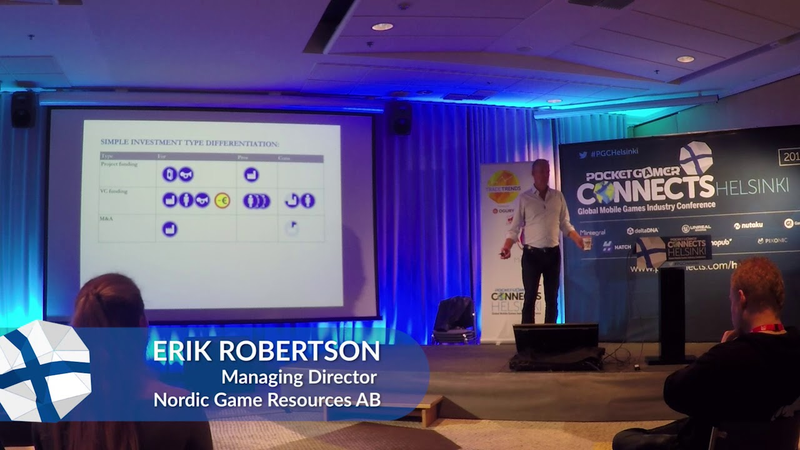
Venture capital and other investments for Nordic games developers
The investment landscape for Nordic game developers is characterized by a strategic distinction between project-based funding and equity-based venture capital.
- Venture capital is a long-term partnership focused on building studio sustainability and operational stability, rather than simple project-based funding for individual titles.
- Investors typically target approximately 25 percent equity stakes in early rounds, intentionally avoiding majority control to ensure founders remain incentivized.
- The Nordic region maintains a consistent deal flow, with Sweden and Finland serving as primary hubs and the industry recording roughly 10 to 12 major exit or acquisition deals annually.

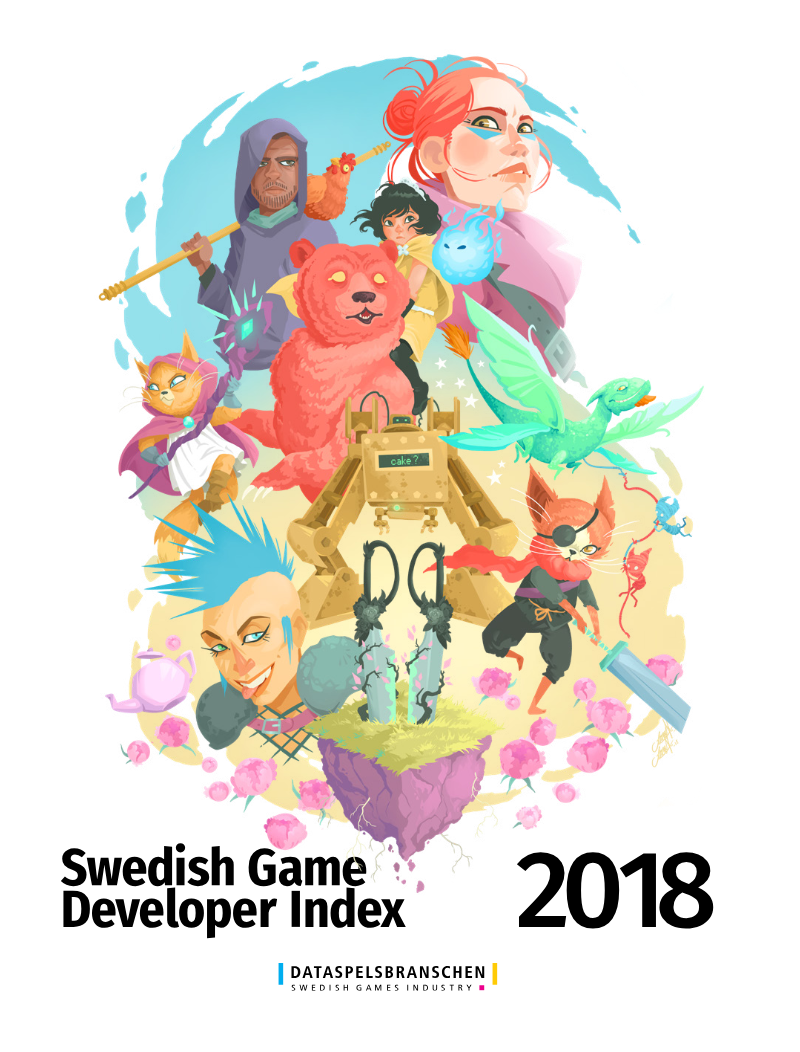
Game Developer Index: Sweden 2018
The Swedish games industry experienced a period of unprecedented expansion throughout 2017 and 2018, solidifying its status as a high-growth, globally competitive sector.
- The Swedish games industry reached €1.53 billion in revenue in 2017, marking a 15% year-over-year increase driven by the professionalization of Games as a Service models.
- Investment and acquisition activity in the sector surged from €200 million to over €340 million during the 2017–2018 period.
- Total industry employment grew by 24% to 5,338 individuals, with the number of women in the workforce increasing five-fold over six years to reach 20% of total staff.

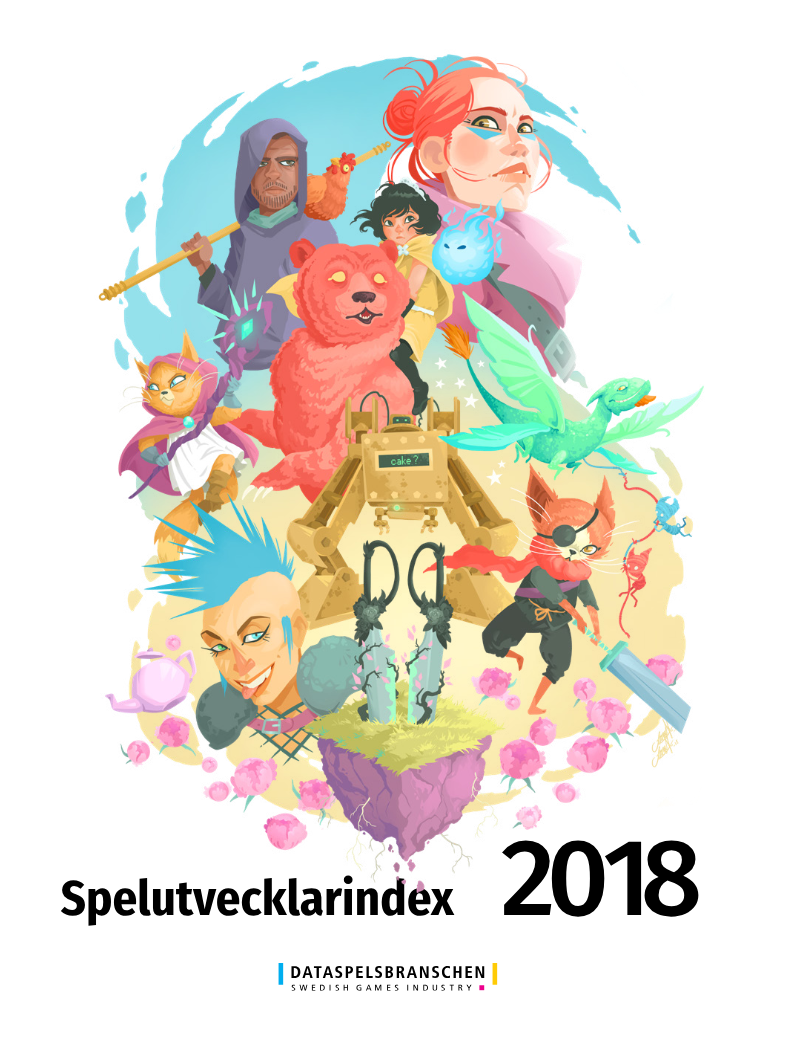
Spelutvecklarindex 2018
The Swedish game industry experienced a period of robust expansion throughout 2017 and 2018, solidifying its position as a globally competitive force.
- The Swedish game industry's revenue reached 14,695 MSEK in 2017, continuing a strong growth trend from 3,715 MSEK in 2012.
- Employment in the Swedish game industry increased by 24% (1,047 full-time positions) in 2017, nearly doubling the 558 new positions from 2016, but companies still face recruitment challenges and a shortage of skilled developers.
- The number of women in the Swedish game industry has quintupled in six years, with women now making up 20% of all employees, and more women are taking leadership roles, such as Ebba Ljungerud becoming CEO of Paradox in August 2018.
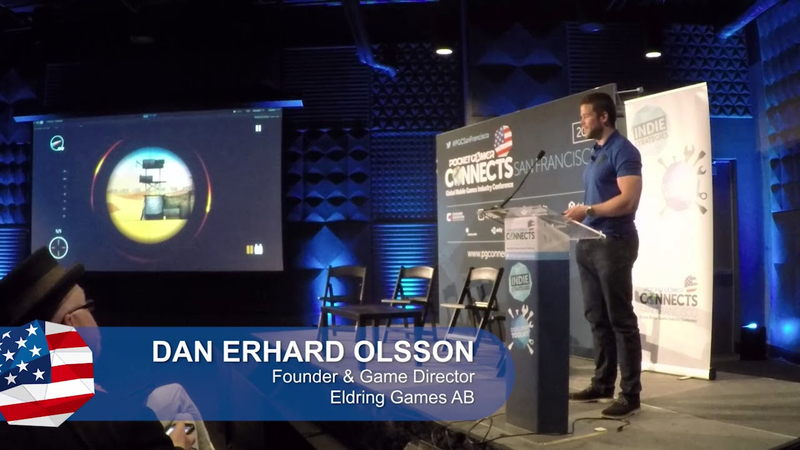
Clear Vision: From hospital bed to hit game
The development of the Clear Vision sniper game series serves as a case study in transitioning from personal adversity to professional success within the independent game industry.
- The Clear Vision sniper series, created by Dan Erhard Olsson of Eldring Games, has achieved over 35 million mobile downloads and millions of plays since its 2007 debut.
- Eldring Games successfully differentiated its product by pairing a minimalist stick-figure aesthetic with dark, mature, story-driven narratives.
- The studio is currently evolving the franchise with Clear Vision Online, a synchronous multiplayer title that integrates base-building and weapon customization mechanics.
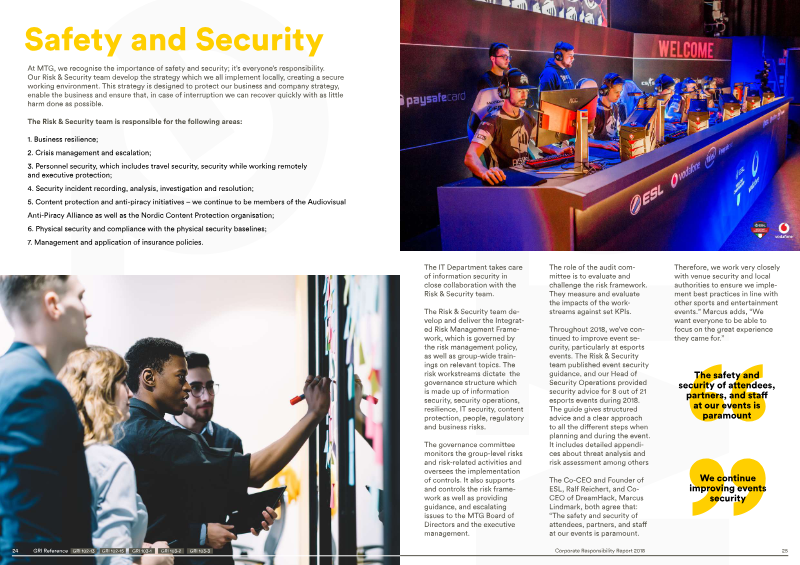
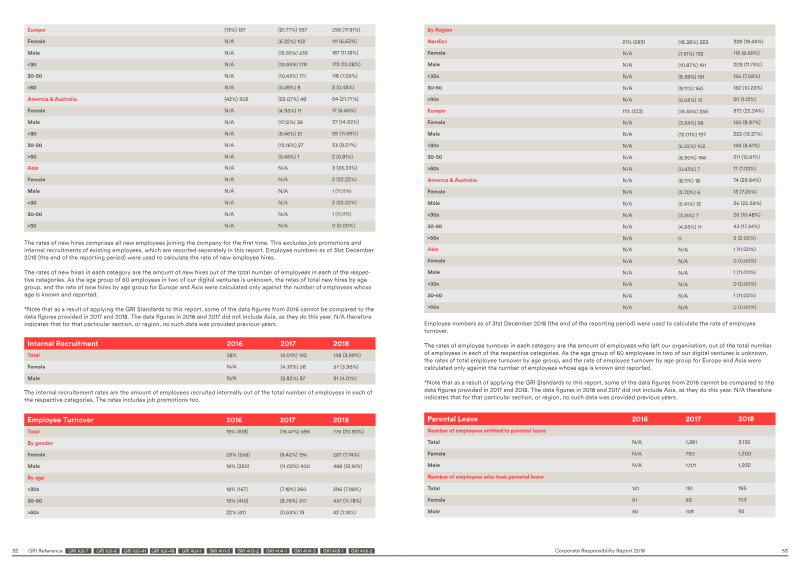
Corporate Responsibility Report 2018
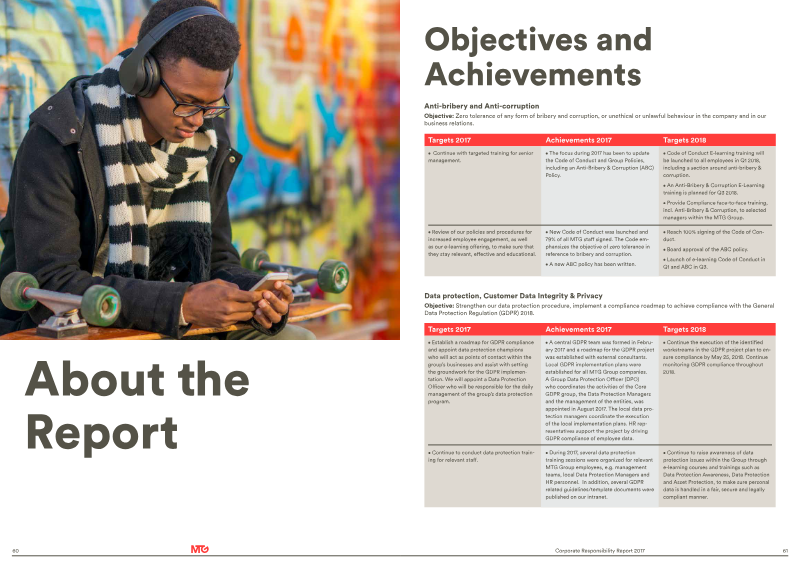
The 2018 corporate-responsibility overview for Modern Times Group (MTG) reflects a year of strategic realignment following the spin-off of its Nordic Entertainment and Studios businesses into the newly listed Nordic Entertainment Group.
- Following the spin-off of Nordic Entertainment Group, MTG realigned its corporate responsibility strategy to focus on esports, gaming, and digital ventures.
- MTG reported net sales between 15 and 20 billion SEK for the 2018 fiscal year.
- The company’s total carbon footprint reached 25,215 t CO₂e, representing a 7% year-on-year increase, despite a reduction in energy intensity to 40 GJ per employee from 66 GJ in 2016.
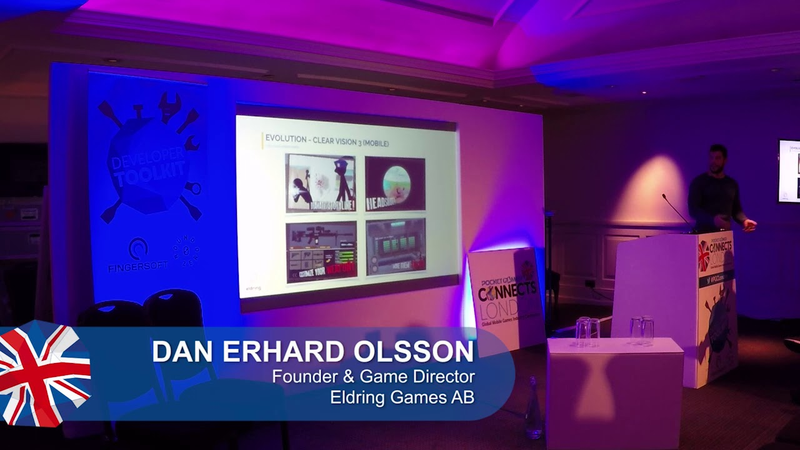
Indie journey – From intensive care to hit game (clear vision)
The journey of Eldring Games, a self-funded independent studio based in Stockholm, illustrates the transition from solo flash-game development to a professional mobile gaming operation.
- Eldring Games, founded by Dan Olsson in 2007, transitioned from a solo flash-game operation to a five-person studio by maintaining creative independence and self-funding.
- The Clear Vision franchise achieved significant scale with over 100 million plays on flash platforms and approximately 35 million mobile installs across iOS and Android.
- The studio sustained long-term player engagement for the Clear Vision series, accumulating 1.6 million user reviews across app stores.
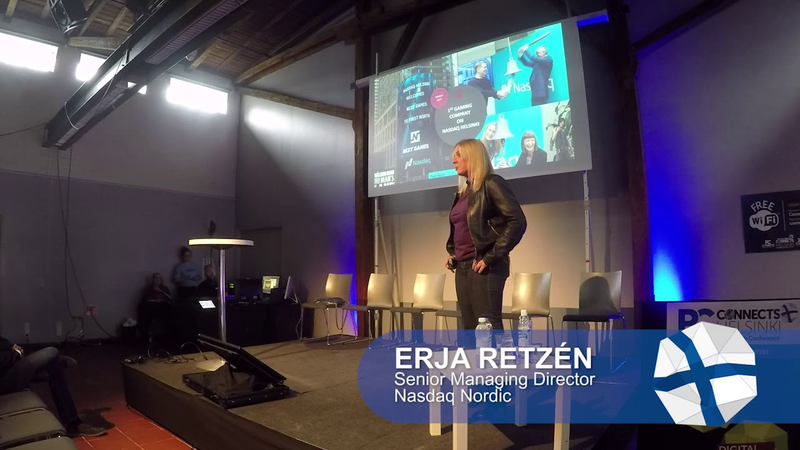
Nasdaq Nordic on access to capital and visibility for games companies
Nasdaq Nordic serves as a primary hub for gaming companies seeking capital, visibility, and international growth through public listings.
- Nasdaq Nordic has surpassed London as the leading European venue for IPOs, with companies raising nearly 8 billion euros through the exchange in the previous year.
- Gaming companies like Paradox Interactive, Remedy, and Nitro Games have successfully utilized the exchange to secure capital, with Remedy’s offering notably oversubscribed by a factor of 8.5.
- Public listing on Nasdaq Nordic provides gaming firms with a 'quality stamp' that enhances international negotiation leverage and facilitates future acquisitions.
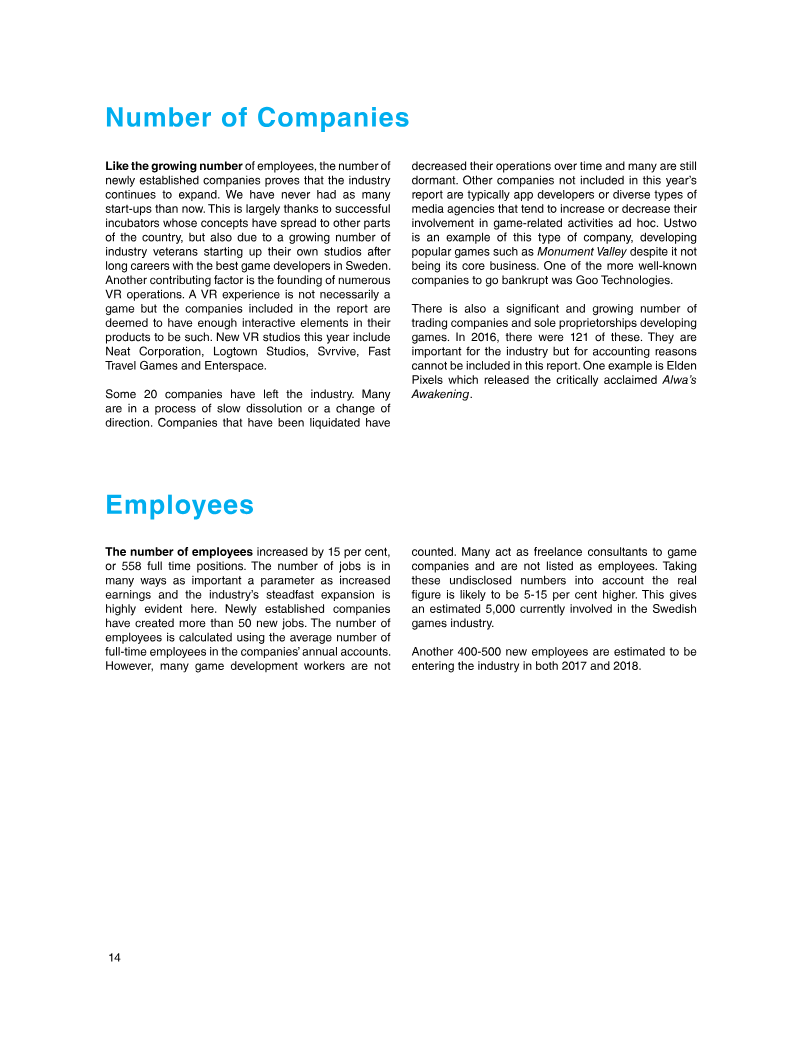
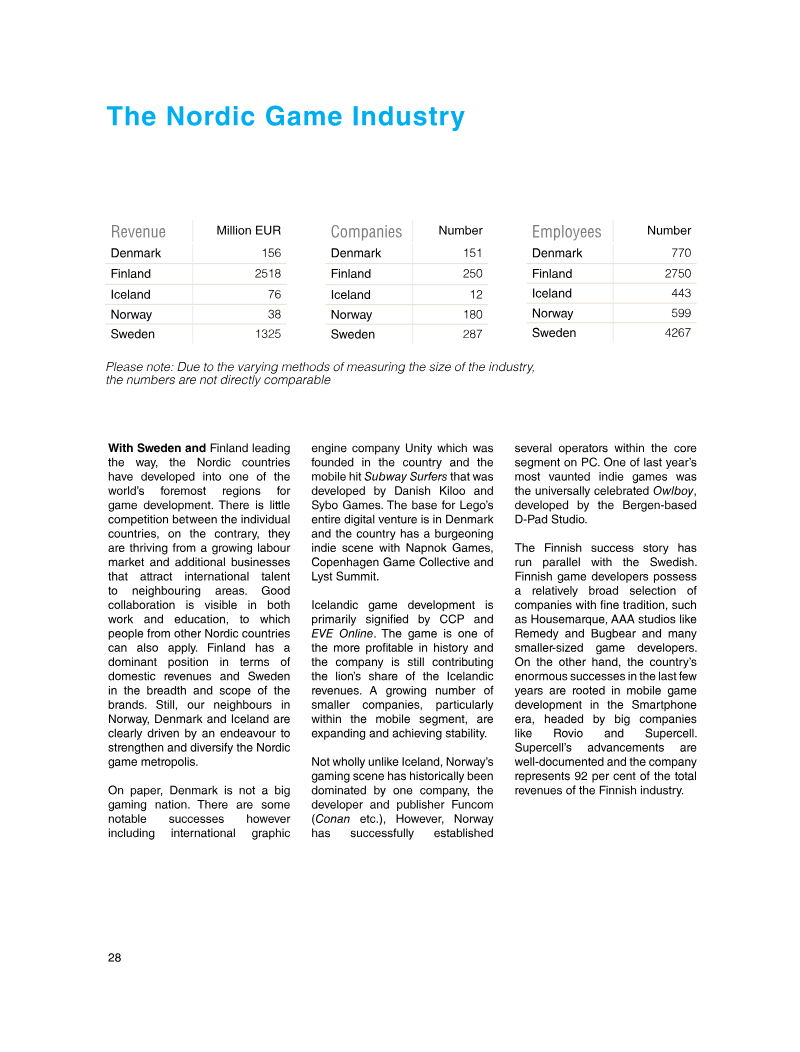
Swedish Game Developer Index: 2017-2018
The Swedish game development industry serves as a premier global hub for digital entertainment, characterized by sustained profitability and consistent expansion.
- The Swedish game development industry reached a record annual revenue of EUR 1.33 billion by the end of 2016.
- The sector maintains a 30 percent compound annual growth rate, supported by 282 active companies and 4,291 full-time employees as of 2016.
- Between 2012 and 2016, the industry experienced a 19 percent increase in the number of firms and a 16 percent rise in full-time employment.

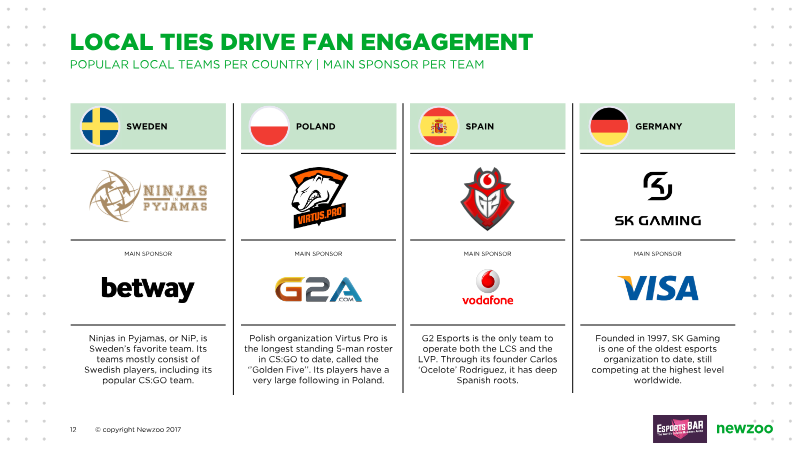
An Overview of Esports in Europe: December 2017
The European esports market is currently transitioning from an adolescent phase toward a mature, multi-billion-dollar industry.
- Europe is a major global esports hub, accounting for 32% of total global esports revenues and hosting over 70 million viewers in 2017.
- The European esports economy is growing rapidly, with total revenues projected to reach $403 million in 2017 and a CAGR of 32.3% expected between 2015 and 2020.
- Media rights revenue in Europe is a primary growth driver, forecasted to increase by more than 500% between 2016 and 2020.

Corporate Responsibility Report 2017
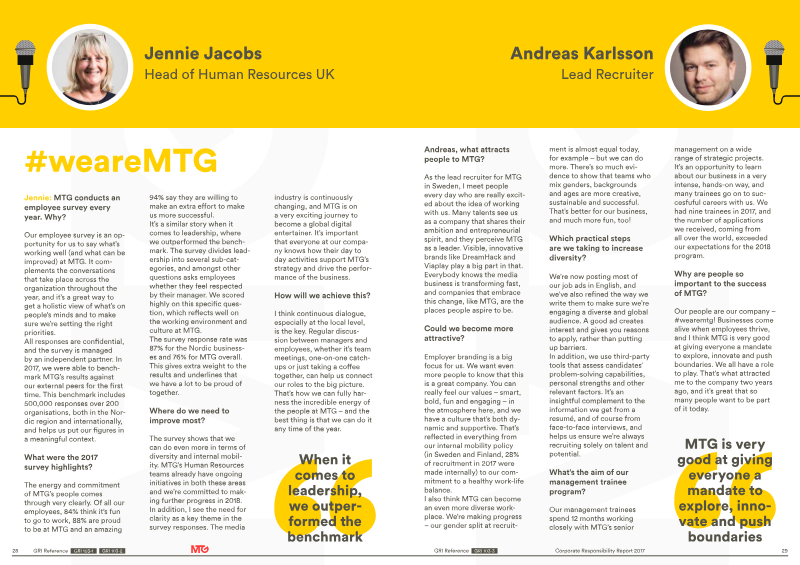
Modern Times Group (MTG) presented a comprehensive overview of its corporate responsibility performance for 2017, positioning itself as a global digital-entertainment leader with approximately 3,700 employees and net sales of €16-17 billion SEK.
- MTG reported a 49.7% increase in total greenhouse-gas emissions in 2017 compared to 2016, with air travel accounting for approximately 70% of the company's total emissions.
- While MTG achieved near-gender parity in Sweden and Finland at 48%, female representation at the senior-executive level remained low at 20%, and women earned only 66–67% of the basic salary of their male counterparts.
- The company set a formal target to achieve a 50/50 gender balance across its workforce by 2020.
Game Developer Index: Sweden 2016
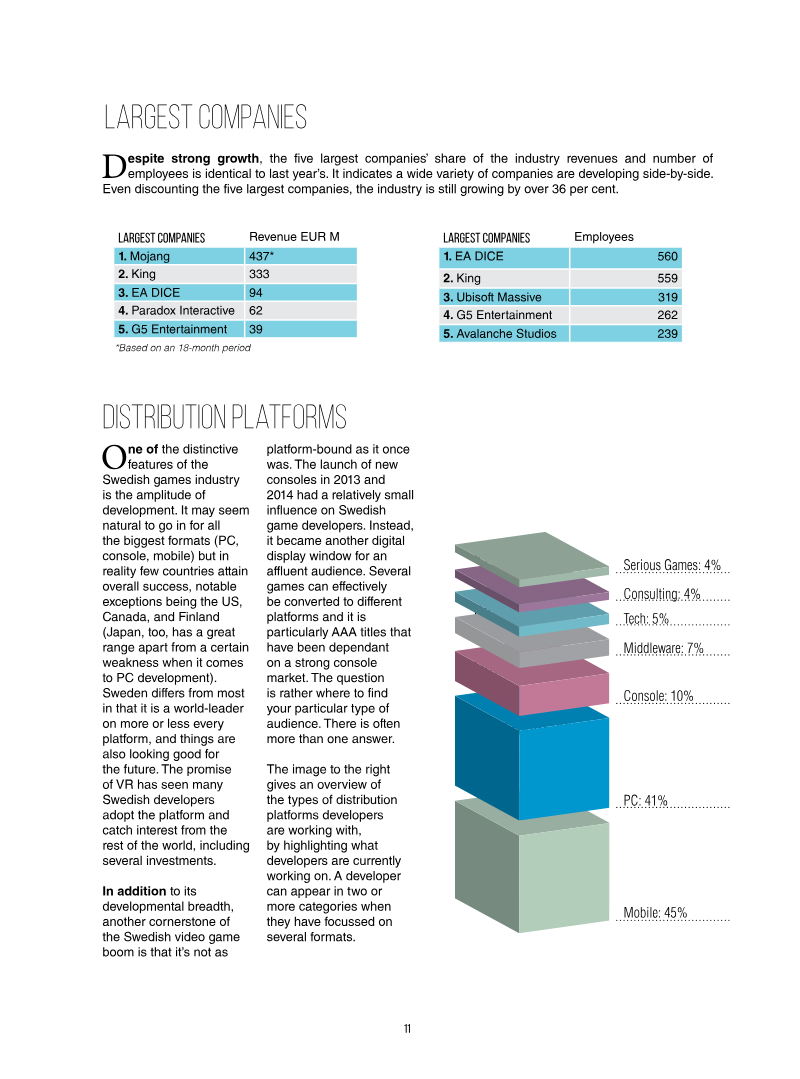
The Swedish video game industry demonstrated robust expansion throughout 2015, cementing its status as a vital pillar of the national economy.
- The Swedish video game industry generated EUR 1.3 billion in revenue in 2015, marking a 41 percent increase over the previous year.
- The sector has maintained a compound annual growth rate of 39 percent since 2006, with the workforce expanding by 19 percent to 3,709 full-time positions in 2015.
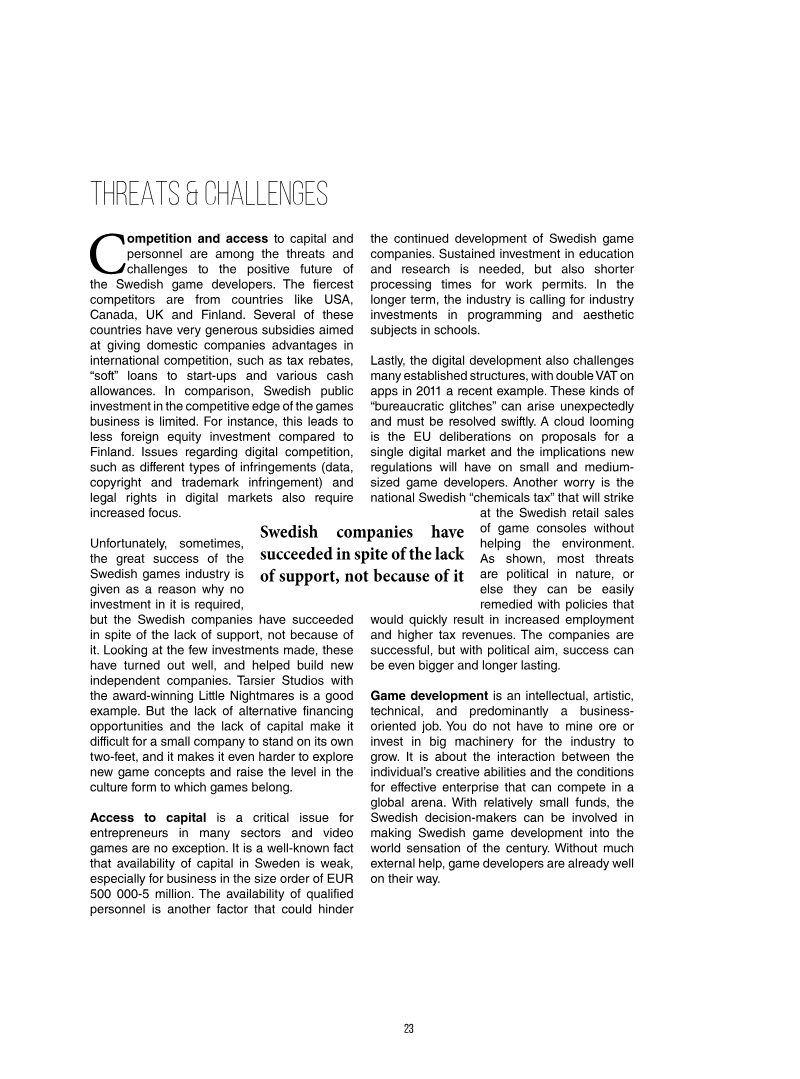
- Industry growth is hindered by a persistent shortage of qualified personnel, restricted access to capital, and a regulatory environment that lacks competitive government support.
Swedish Game Education: 2001-2016
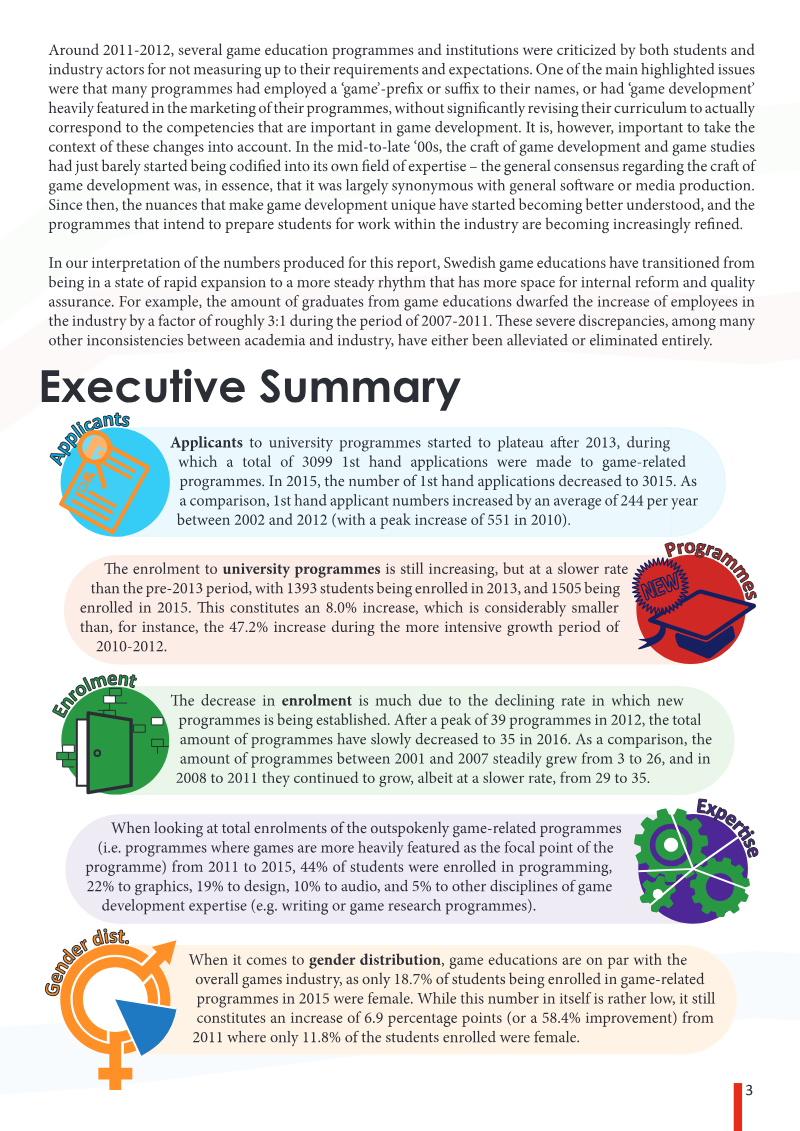
This analysis examines the evolution of Swedish tertiary game education between 2001 and 2016, documenting a transition from a period of rapid, unchecked proliferation to a more stable, mature phase.
- Swedish game education reached a peak of 41 programs in 2012 before stabilizing at 35 programs by 2016, signaling a shift from rapid proliferation to a mature phase.
- Despite the expansion of academic and vocational training, the Swedish game industry continues to face persistent labor shortages that limit its growth potential.
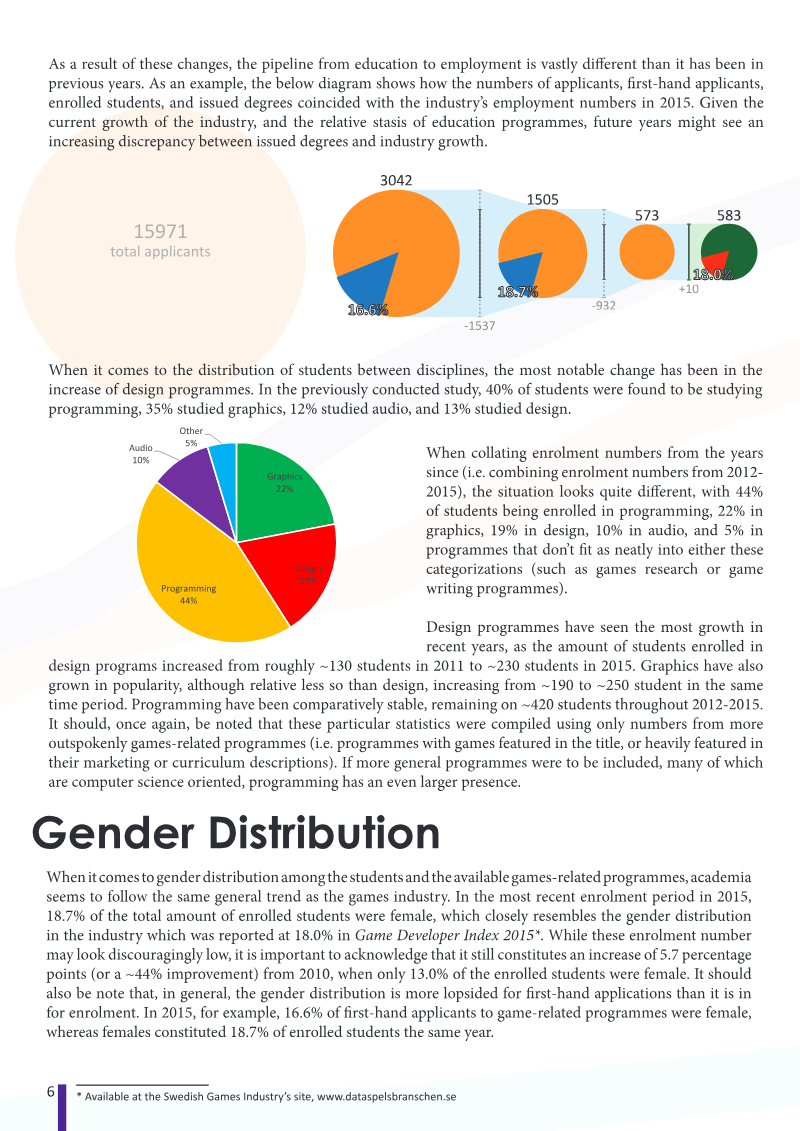
- Programming remains the dominant discipline with 44% of total enrollment, followed by graphics (22%), design (19%), audio (10%), and other fields (5%).