The 2018 corporate‑responsibility overview for Modern Times Group (MTG) reflects a year of strategic realignment following the spin‑off of its Nordic Entertainment and Studios businesses into the newly listed Nordic Entertainment Group. The core thesis is that MTG’s renewed focus on esports, gaming and broader digital ventures can be pursued responsibly through four pillars—media responsibility, social impact, business ethics and environmental care—underpinned by materiality analyses for both entities and a suite of stakeholder‑driven priorities such as gender diversity, inclusion, GDPR compliance and the protection of minors.
Financially, MTG reported net sales in the range of 15‑20 billion SEK and achieved an 89 % completion rate for mandatory ethics e‑learning. Risk management was strengthened by publishing event‑security guidance adopted by eight of twenty‑one partners, and by prioritising attendee safety at esports tournaments. Social contributions included a $18 k donation to UCSF, multi‑million‑dollar fundraising for Save the Children and the Diabetes Foundation, and the launch of education programmes targeting young gamers. Governance was reinforced through board oversight, external audits and memberships in more than a dozen industry bodies—including the IGDA, Esports Integrity Coalition and MESA—facilitating continuous stakeholder engagement via surveys, focus groups and board‑level dialogues.
Environmental reporting showed a total carbon footprint of 25,215 t CO₂e, a 7 % year‑on‑year increase, while energy intensity fell sharply from 66 GJ per employee in 2016 to 40 GJ in 2018. Scope 3 emissions from events are now being captured, and no fines were recorded for direct energy use,
Modern Times Group · 2026
Modern Times Group · 2026
Modern Times Group · 2025
Modern Times Group · 2025
Modern Times Group · 2025
Modern Times Group · 2023
Modern Times Group · 2019
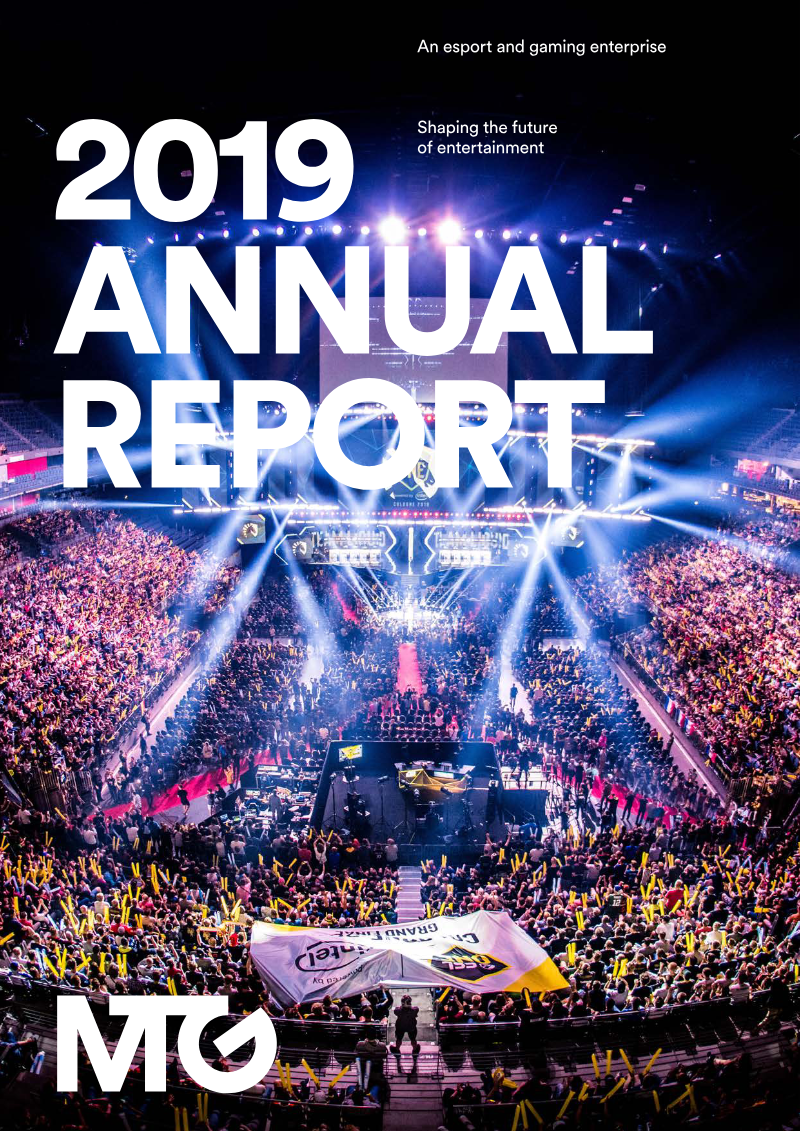
Modern Times Group · 2019
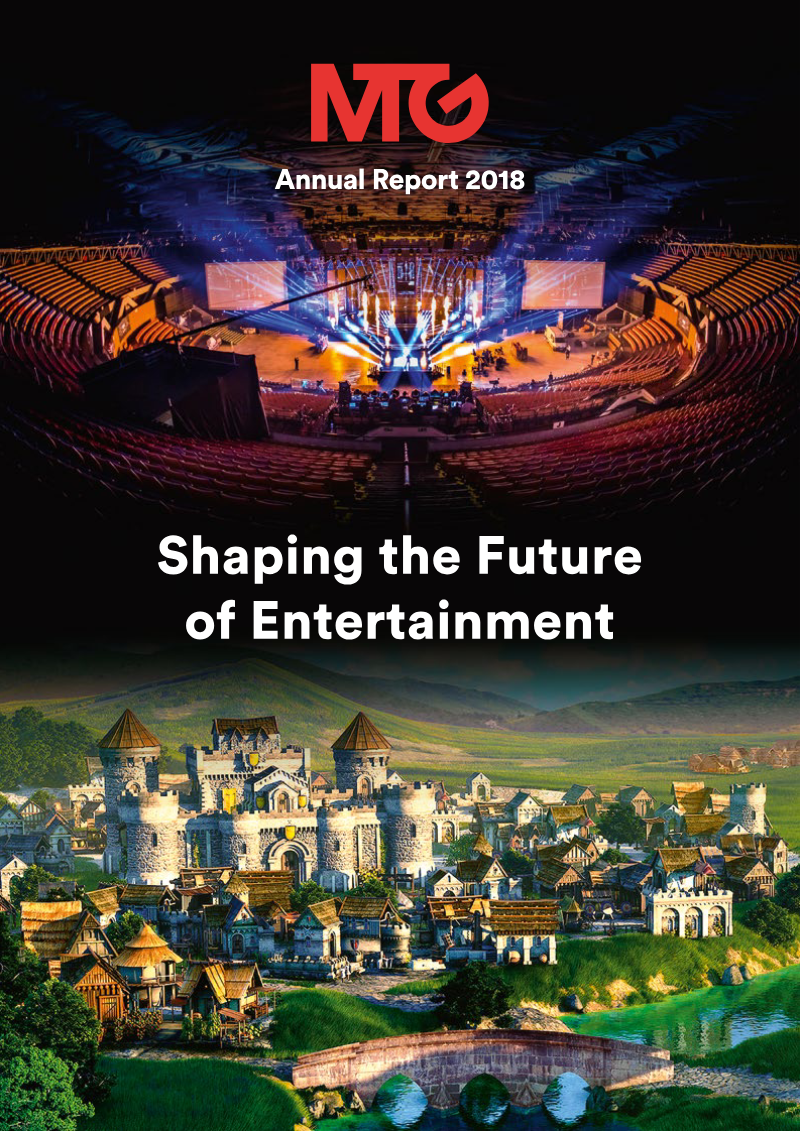
Modern Times Group · 2018

Modern Times Group · 2017
Modern Times Group · 2017
Modern Times Group · 2016
Electronic Arts · 2025
Modern Times Group · 2015

Modern Times Group · 2013
Modern Times Group · 2012
Modern Times Group · 2011
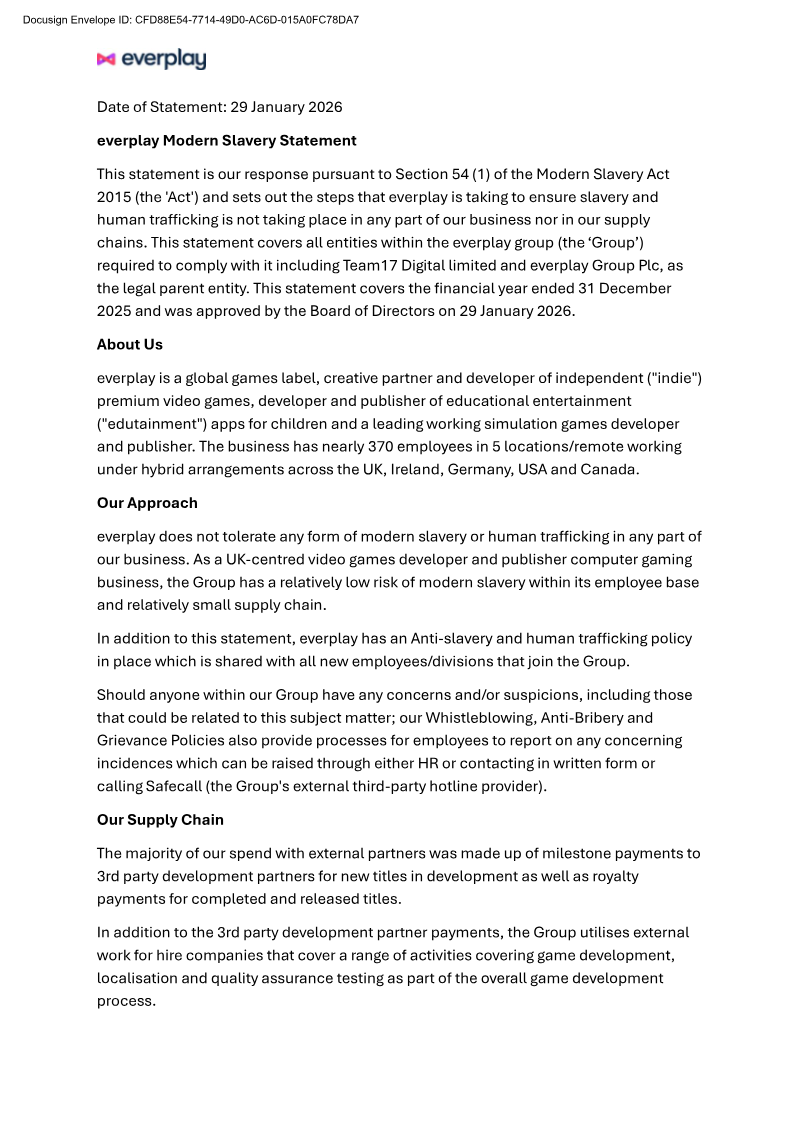
Everplay · 2026

Take-Two Interactive · 2025

Thunderful · 2025
AEVI · 2025
Paradox Interactive · 2025
Duamentes Gaming · 2025
Paradox Interactive · 2024