Streaming reports and market data
Documents
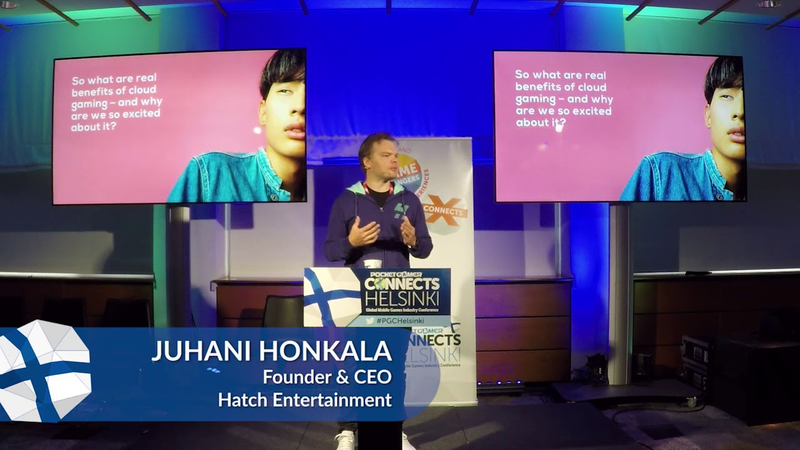
The new reality of cloud gaming
Cloud gaming represents a fundamental paradigm shift that transcends the limitations of traditional download-and-install models and the restrictive nature of free-to-play monetization.
- Cloud gaming shifts the industry toward a subscription-based economy, removing traditional download-and-install friction to prioritize user engagement and creative design.
- 5G infrastructure is the critical technical enabler, reducing network latency to sub-10 milliseconds to support high-fidelity, 60 FPS gaming experiences.
- Centralizing game states on servers simplifies development by treating multiplayer titles as local, multi-controller experiences, which reduces overhead and eliminates complex network synchronization.
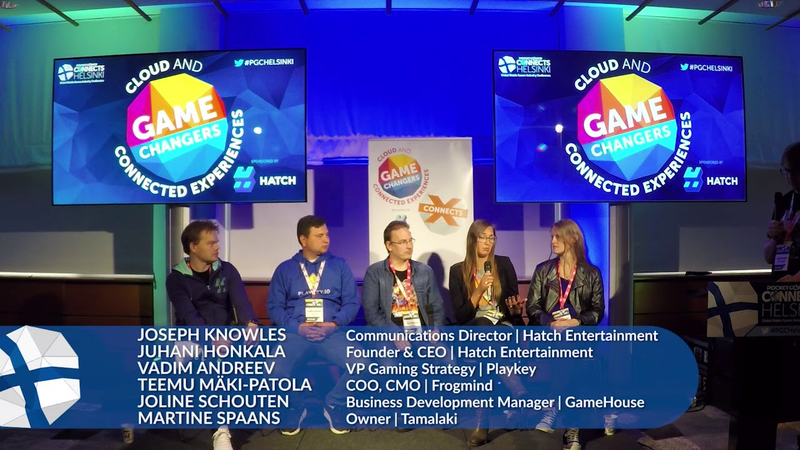
Cloud gaming adoption
Cloud gaming represents a transformative shift in the industry, functioning as a primary vehicle for mass-market adoption by decoupling high-fidelity experiences from local hardware constraints.
- Cloud gaming removes hardware constraints by decoupling high-fidelity experiences from local storage and processing, allowing developers to focus on narrative depth and complex multiplayer architectures.
- The shift to subscription-based models is driving longer, binge-style engagement patterns, requiring developers to optimize game design for diverse interfaces across PC and mobile platforms.
- Cloud streaming platforms are moving away from traditional ranking-based storefronts toward social discovery and deep-linking to improve user retention and cross-platform accessibility.
Game Dev Daily #001 - New Schedule & AI Voice.
This daily development series documents the journey of an independent game developer transitioning to a new content schedule.
- The developer transitioned to a new content schedule featuring a Friday release for long-form content and daily Monday-through-Thursday live streams to balance production with community engagement.
- Development of the game's AI antagonist involved testing seven distinct archetypes, including toxic gamer, bored entity, insecure system, and existential crisis personas.
- The developer identified that moving away from the stereotypical GLaDOS-inspired AI trope toward evolving, emotionally complex character arcs offers higher potential for unique gameplay.
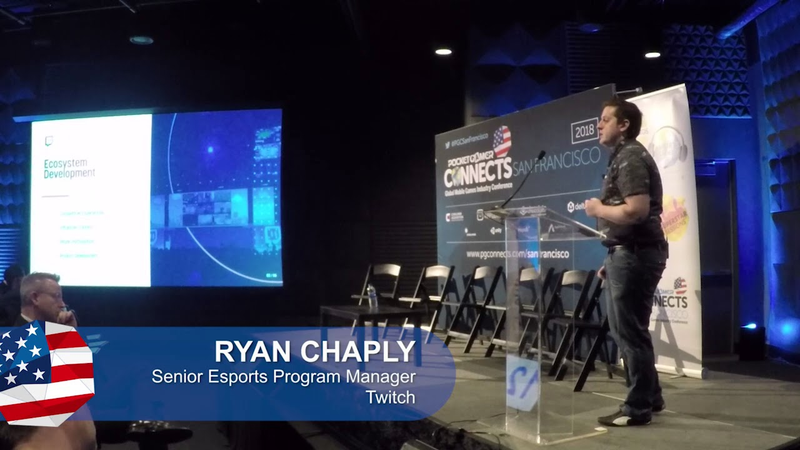
Building esports and viewership as a product
The integration of esports into the broader product development lifecycle serves as a critical strategy for maintaining long-term player engagement and viewership.
- Shift esports from a marketing expense to a core game design component to create a sustainable 'watch, play, and engage' feedback loop that converts viewers into active players.
- Integrate interactive broadcast tools like Twitch Drops and real-time data visualization extensions to deepen the connection between tournament viewership and in-game rewards.
- Utilize account linking and API-driven leaderboards to capture behavioral data, enabling developers to iterate on product design and maintain long-term player interest beyond the launch window.
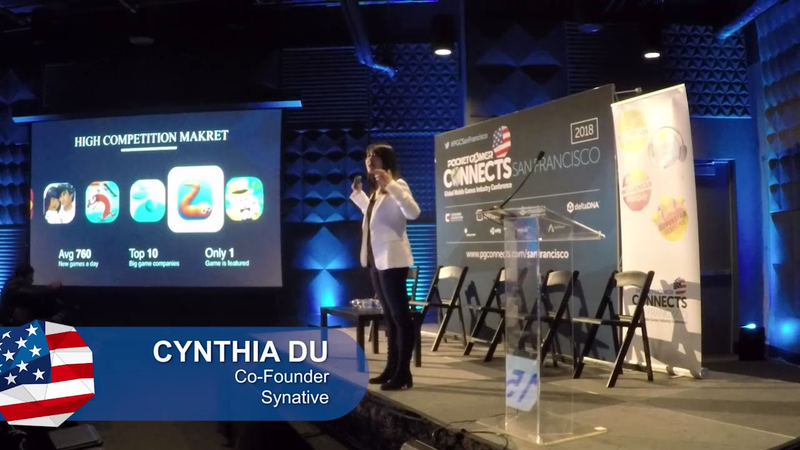
Cloud gaming – How new technology can revive game sharing
The primary objective of this presentation is to address the challenges indie game developers face regarding user acquisition and discoverability in an increasingly saturated mobile market.
- Cloud gaming technology enables instant-play web experiences by converting standard APK files, reducing the user acquisition journey from a ten-minute multi-step download to a fifteen-second single-click process.
- The current mobile gaming market is highly saturated, with over 760 new games released daily, making traditional user acquisition costs prohibitive for indie developers.
- By bypassing traditional app store installation friction, developers can leverage social media integration and influencer-led engagement to drive viral growth.
How to Make a Viral Game! - Game Development: VLOG
The primary objective of this analysis is to define the strategic design principles required to achieve viral success in the video game industry.
- Virality is defined by the breadth of public awareness, distinct from popularity, which is measured by the number of active players.
- Design for virality by prioritizing four pillars: memorability, watchability, attention-grabbing aesthetics, and shareability.
- To maximize watchability for streamers and influencers, incorporate unpredictable gameplay elements and pattern breaks that keep audiences engaged.
Let's Play UNSAFE - Is This How You Do Storytelling in Horror Games?
The indie horror game Unsafe (Chapter 2) serves as a case study in atmospheric environmental storytelling and puzzle-based narrative progression.
- Unsafe (Chapter 2), developed by Sylvester Hansen, utilizes a 2.5D perspective to explore complex themes of identity, religious intolerance, and conversion therapy within a psychological horror framework.
- The game employs environmental storytelling through scattered notes, locker interactions, and symbolic imagery to reconstruct a fragmented narrative centered on the protagonist’s trauma.
- Gameplay mechanics, specifically inventory management and code-based puzzles, are directly integrated into the narrative to reveal critical plot points regarding the protagonist's past.
Making a Snail Compilation! - Live Stream!
The development of the 2D platformer Will You Snail? centers on the creation of a high-difficulty, rage-inducing experience specifically engineered for viral potential and streaming appeal.
- The game utilizes a specific difficulty curve where the first 80 percent of a level is accessible to ensure retention, while the final 20 percent introduces intense hazards to maximize tension.
- The shadow snail AI system predicts player movement to dynamically spawn obstacles like spikes and flying cats, creating a high-difficulty experience tailored for streaming appeal.
- Dynamic difficulty scaling is implemented through an invisible trigger system that increases enemy density based on the player's progress through the level.
Streaming: Concept Art Fails!
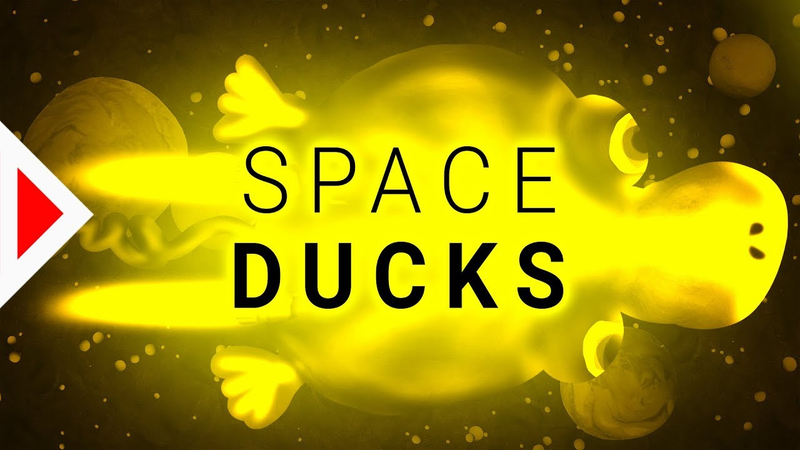
The development of Ovus Nova centers on the critical intersection of character design and gameplay readability.
- The development of Ovus Nova prioritizes functional gameplay readability over high-fidelity detail to ensure players can immediately distinguish between friendly and hostile units.
- Designers utilize distinct, recognizable silhouettes and clear elemental mechanics to resolve player confusion caused by overly complex or ambiguous assets.
- The creative workflow relies on rapid sketching and layout management to define the evolutionary lifecycle and behavioral traits of space-themed creatures.

Games in 2020 – The future of entertainment, esports and beyond
The presentation explores the evolution of gaming toward a future defined by cloud-based infrastructure, interactive spectating, and the convergence of players and viewers.
- The gaming industry is transitioning from local, hardware-dependent play to a cloud-native ecosystem that utilizes server-side rendering to bypass local processing limitations.
- The 'Experience 3.0' model dissolves the traditional barrier between passive viewers and active players, allowing audiences to influence live game events through real-time inputs.
- 5G technology is a critical infrastructure requirement for this shift, providing the low-latency connectivity necessary to offload complex compute tasks from consoles to the cloud.
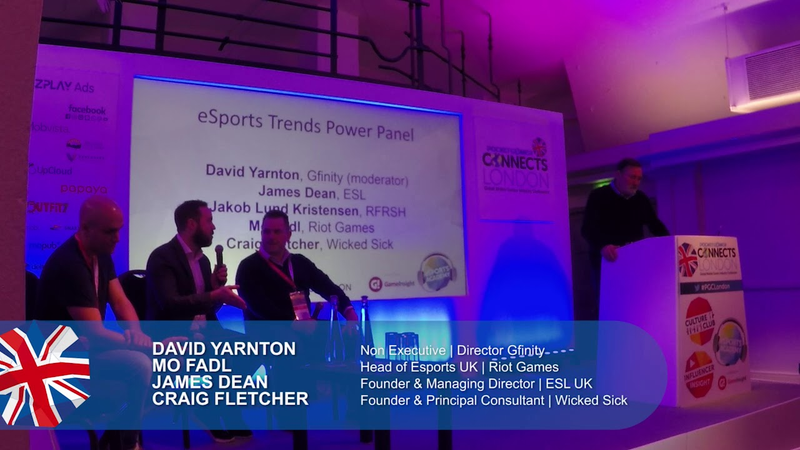
The esports trends power panel
The esports sector is undergoing a significant transformation, shifting from a niche PC-centric hobby to a mainstream entertainment powerhouse projected to reach 286 million interested individuals.
- The esports sector is expanding toward a reach of 286 million interested individuals, driven primarily by the accessibility of mobile gaming platforms.
- Long-term industry success depends on platform-agnostic content that prioritizes the quality of the entertainment experience over specific hardware requirements.
- Aggressive franchising models that mimic traditional sports structures risk creating market bubbles and alienating stakeholders; developers should instead focus on sustainable, community-first growth.
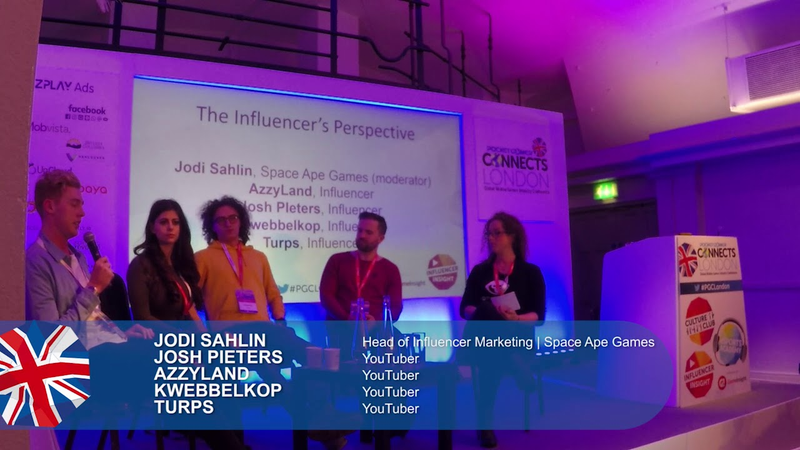
Panel: The influencer’s perspective
The influencer industry has matured from a landscape of hobbyist content creation into a complex professional ecosystem requiring sophisticated business management and team oversight.
- The influencer industry has evolved from a hobbyist landscape into a professional ecosystem that requires sophisticated business management and team oversight to mitigate market volatility and digital footprint risks.
- Creators are prioritizing platform diversification, specifically shifting from static video uploads to real-time engagement models like Twitch streaming to ensure long-term sustainability.
- Brand partnerships are most effective when companies grant influencers creative autonomy, as rigid, traditional advertising formats often alienate established audiences.