Streaming reports and market data
Documents
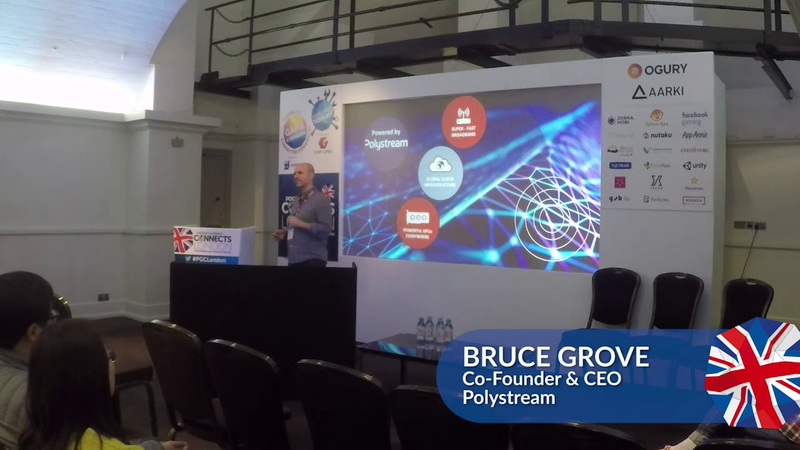
Rethinking the internet
The internet was originally engineered as a decentralized messaging system rather than a platform for high-end interactive entertainment.
- Current cloud gaming models are economically unsustainable because they rely on expensive, centralized hardware that requires dedicated, high-powered servers for every concurrent user.
- The industry's reliance on streaming compressed video creates unnecessary latency, high bandwidth consumption, and prohibitive operational costs that prevent mass-market scalability.
- To achieve sustainability, the industry must transition from streaming video to transmitting raw data and draw commands that utilize the end-user's local GPU for final rendering.

Next generation cloud gaming
The next generation of cloud gaming represents a significant shift in the industry, driven by advancements in networking, streaming technology, and evolving business models.
- Cloud gaming is a medium-to-long-term opportunity, with significant market impact delayed until 5G infrastructure reaches maturity between 2022 and 2023.
- Microsoft holds a competitive advantage due to its vertical integration across cloud infrastructure, gaming platforms, and proprietary streaming technology.
- Industry monetization is shifting toward hybrid models that combine subscription fees with in-game microtransactions to ensure long-term sustainability.
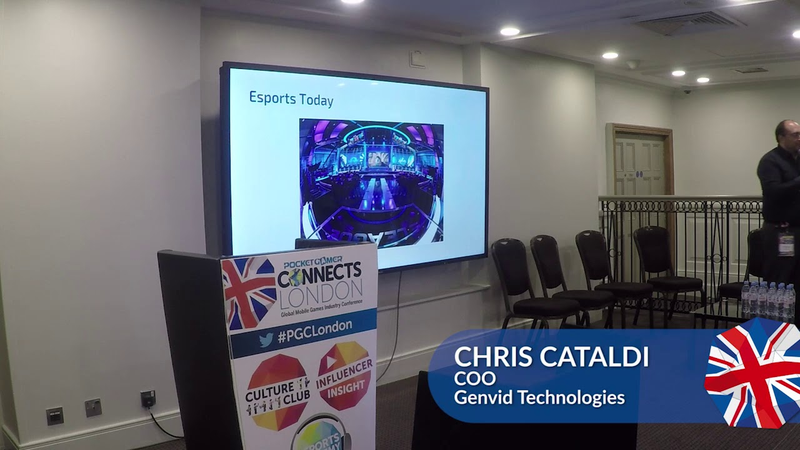
Interactive livestreaming and the future of esports
Interactive livestreaming represents a fundamental shift in the gaming industry, moving beyond traditional esports to create a new category of spectator-driven experiences.
- Game developers are shifting from viewing streaming as a marketing cost to treating it as a primary revenue-generating opportunity through interactive broadcast rights and monetization.
- Interactive streaming tools, such as those provided by Genvid Technologies, allow viewers to influence gameplay in real-time, effectively blurring the line between passive spectators and active participants.
- Current esports spectator modes are often underdeveloped because they are designed from a player-centric perspective rather than a viewer-centric one, failing to provide the third-person data and UI needed for a high-quality broadcast experience.
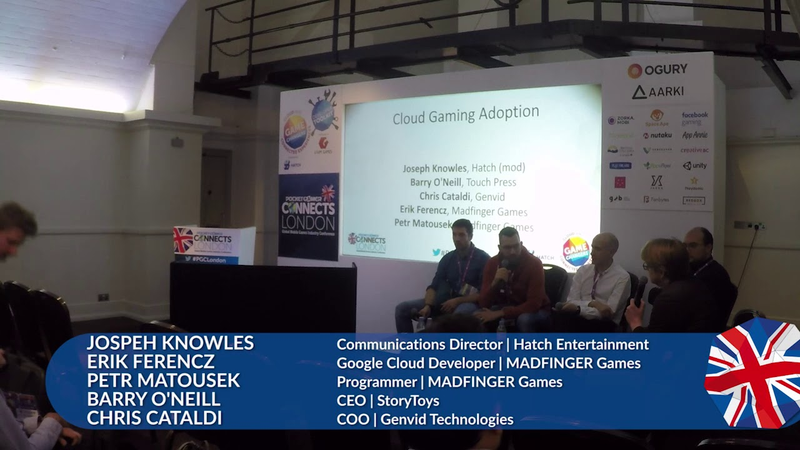
Cloud gaming adoption – The new norm?
Cloud gaming is emerging as a transformative force in the mobile sector, positioning itself as a viable delivery mechanism for high-fidelity experiences that bypass traditional hardware limitations.
- Cloud gaming removes hardware barriers and storage requirements for high-fidelity mobile experiences, while simultaneously protecting intellectual property by keeping binaries centralized on remote servers to prevent hacking and decompilation.
- The industry is moving toward a standard revenue model where developers retain 70 percent of revenue, with cloud hosting expenses capped at approximately five percent of net revenue.
- Centralized backend infrastructure allows smaller studios to deploy complex multiplayer titles without the high costs of building independent server architectures.
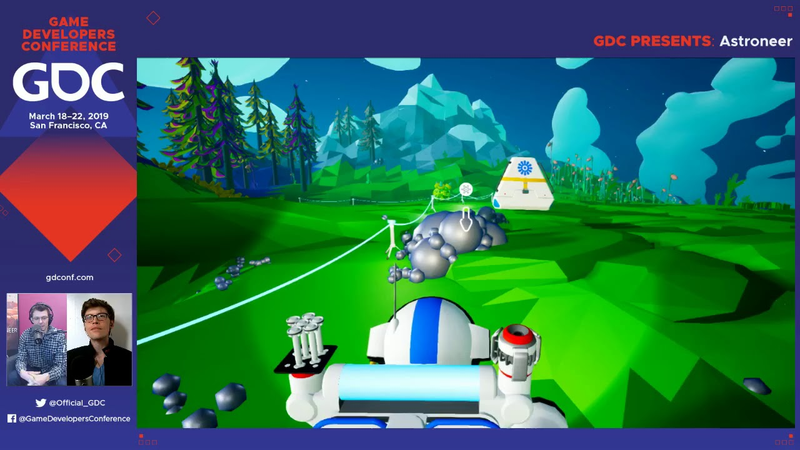
GDC plays Astroneer with System Era's Brendan Wilson
The development of Astroneer serves as a case study in the complexities of managing a long-term Early Access project.
- System Era scaled its development team from an initial cap of 10 people to 21 employees to meet the technical and support demands of the game's 1.0 release.
- The game utilizes a voxel-based terrain system powered by the marching cubes algorithm, which allows for real-time deformation by modifying density data within specific chunks rather than rebuilding the entire planet's mesh.
- Managing an Early Access title requires the same rigorous certification, store presence, and publishing infrastructure as a fully released game, while simultaneously balancing community expectations for features.

I'M. FREAKING. OUT.
The primary objective of this initiative is to maximize the visibility of the indie game Pinstripe by leveraging Steam’s internal broadcasting platform to secure a featured position on the storefront.
- Indie developers can leverage Steam’s internal broadcasting platform to trigger engagement algorithms and secure a featured position on the storefront's daily deal section.
- Concentrating high concurrent viewership directly on a Steam store page serves as a strategic lever to manipulate platform discoverability and extend the lifecycle of promotional events.
- The campaign strategy relies on migrating an existing audience away from external platforms like Twitch and YouTube to consolidate all engagement metrics within the Steam ecosystem.
Trends to Watch in 2019: Five Developments Transforming the Esports Market
The esports market is undergoing a significant maturation process, transitioning from a digital-first niche into a multifaceted entertainment industry.
- The global esports market reached a valuation of $1.1 billion in 2019, supported by a total audience of 453.8 million people.
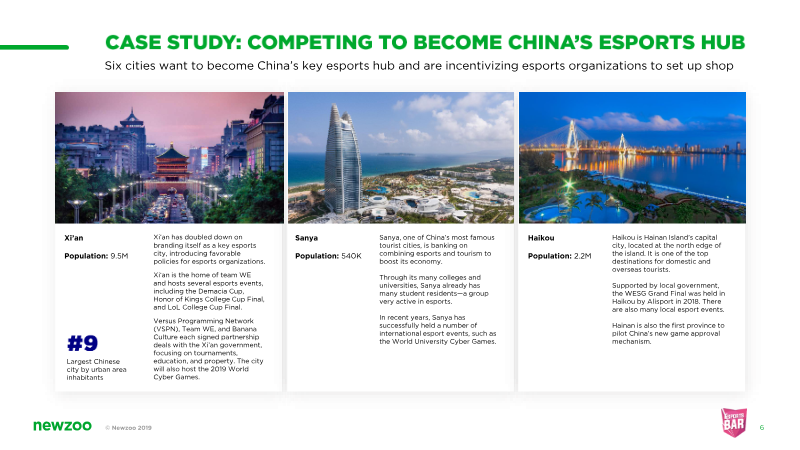
- Esports is shifting from a digital-only model toward physical, location-based infrastructure, with significant government-backed investment in esports hubs and PC cafes occurring in China.
- Organizations are diversifying revenue by balancing traditional sponsorships and media rights with direct-to-consumer models like micro-transactions and premium content subscriptions.

Episode 400! - Celebration - Extra Credits
The core philosophy behind the sustained production of game-centric educational content is the recognition that passion for the medium is essential to professional and personal well-being.
- Prioritizing the active consumption of games is a vital form of self-care that prevents professional burnout for industry creators and analysts.
- Neglecting to play games causes individuals to lose essential mechanisms for stress management and emotional regulation, leading to a disconnect from the industry's core purpose.
- Intentionally setting aside time to engage with games serves as a necessary reset that balances the labor of production with the appreciation of the final product.
GDC Plays Mutant Year Zero: Road to Eden with The Bearded Ladies
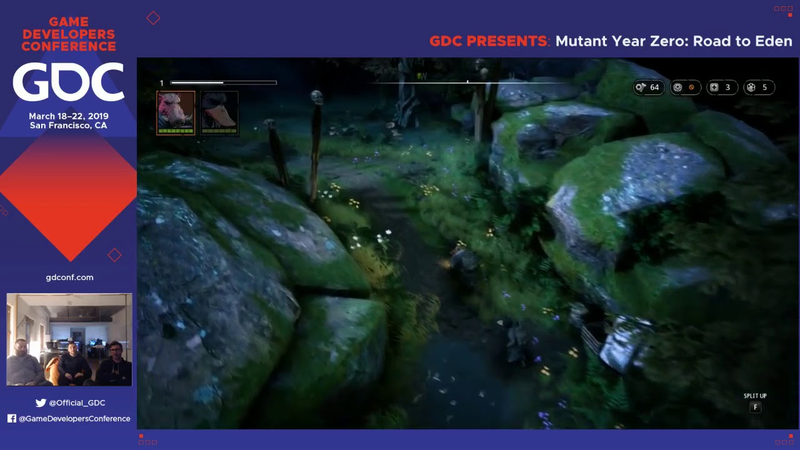
Mutant Year Zero: Road to Eden represents a strategic effort to adapt a classic Swedish tabletop role-playing game into a narrative-driven, turn-based tactical experience.
- The developers of Mutant Year Zero: Road to Eden utilized a modular asset workflow in Unreal Engine 4 that allowed them to bring a new map from prototype to a functional state within approximately one week.
- To manage the development of handcrafted levels with a small team, the studio relied heavily on outsourcing, hiring an outsourcing manager as one of their first key recruits.
- The game design prioritizes rewarding tactical positioning over RNG-heavy combat, specifically by ensuring that flanking maneuvers provide high hit probabilities to avoid the frustration of missing shots in advantageous positions.
Attracting more than gamers - Esports as a social event
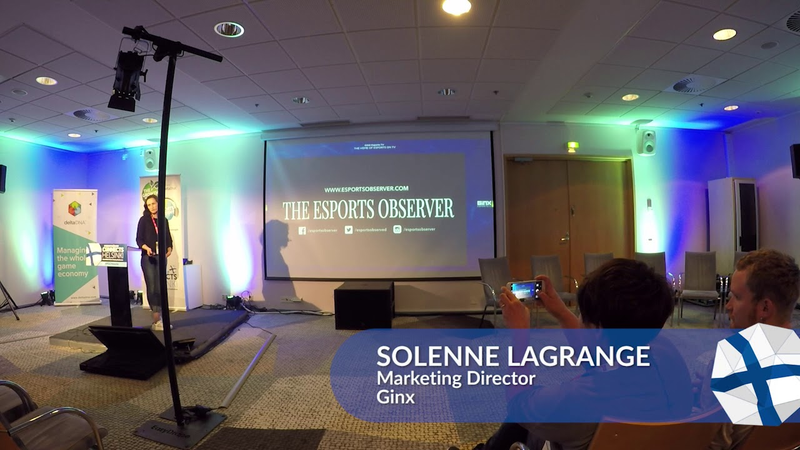
Esports has evolved beyond competitive gaming to function as a significant social phenomenon, attracting a diverse audience that extends well past the core demographic of active players.
- Approximately 32 percent of the 380 million global esports viewers do not play the games they watch, indicating that the industry's primary appeal is shifting toward community and culture rather than game mechanics.
- The social nature of esports is driving massive real-time engagement, with live chats at events like Intel Extreme Masters Katowice recording nearly 1,000 messages per minute.
- Physical attendance at tournaments is surging as fans increasingly treat esports events like music festivals to participate in cosplay and communal experiences.
What makes a game YouTubable?
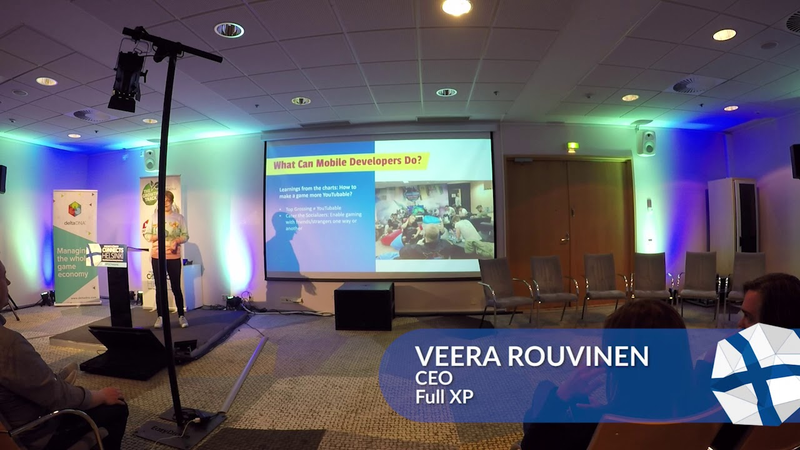
The primary objective of creating a "YouTubable" game is to design experiences that prioritize high watchability and social engagement, which often diverge from the mechanics that drive top-grossing mobile titles.
- Real-time, online multiplayer PvP titles currently command the highest viewership on video platforms because human interaction ensures unique, non-repetitive gameplay sessions.
- Games achieve high watchability by incorporating randomized elements, such as procedural item placement or difficulty scaling, to prevent content stagnation.
- Single-player or physics-based titles like Granny and Kick the Body can achieve viral status by offering infinite combinations, modding potential, or high-impact visual appeal.
Leaving the lag behind
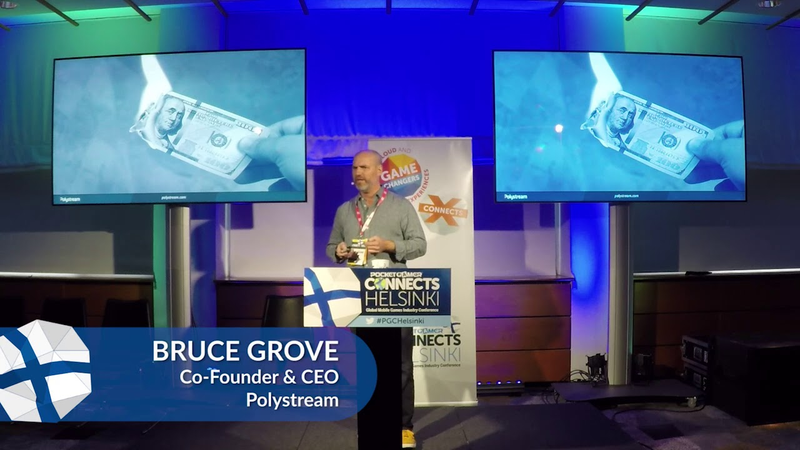
The evolution of cloud gaming has shifted from a focus on brute-force hardware emulation to a more efficient, distributed model that leverages the processing power of end-user devices.
- Modern cloud gaming has shifted from centralized, brute-force GPU rendering to a hybrid model that offloads final rendering to the user's local device, significantly reducing bandwidth and server costs.
- Early cloud gaming attempts like OnLive and Gaikai failed due to non-elastic infrastructure, high operational expenses, and the inability to scale server-side GPU farms for every concurrent user.
- The current hybrid architecture enables 4K resolution and lower latency by utilizing the high-performance GPUs already present in modern smartphones, smart TVs, and PCs.