Serious Games reports and market data
Documents

Does Feedback Design Matter? A Neurofeedback Study Comparing Immersive Virtual Reality and Traditional Training Screens in Elderly
Immersive virtual reality environments offer a transformative approach to neurofeedback training by providing intuitive, high-fidelity feedback designed to enhance user engagement and performance.
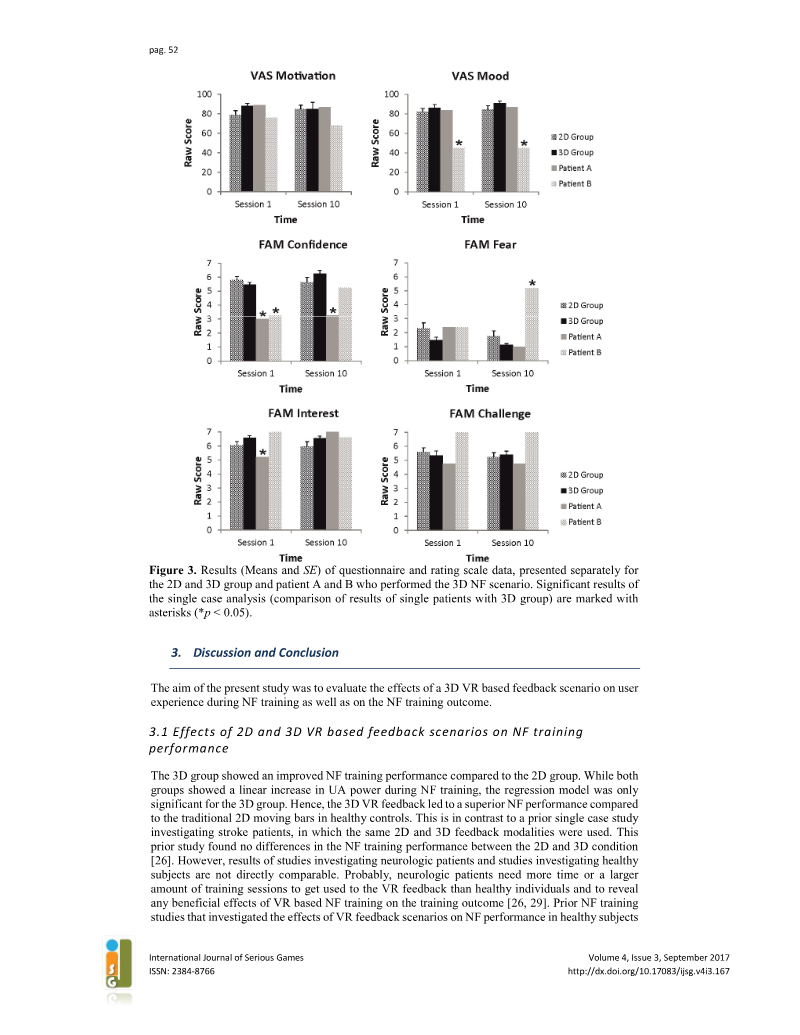
- In healthy older individuals, 3D virtual reality (VR) neurofeedback significantly outperformed traditional 2D bar-based feedback in training performance, showing a statistically significant linear increase in Upper Alpha (UA) power.
- 3D VR feedback improved user experience for healthy seniors by increasing mastery confidence and reducing feelings of incompetence, whereas stroke patients in previous studies reported higher anxiety and lower confidence with the same 3D interface.
- The 3D VR feedback design, which utilized a semi-transparent stereoscopic human body, did not induce cyber sickness symptoms and maintained EEG data quality comparable to traditional 2D methods.

A Proposed Framework for the Collection of Health-Related Data from Serious Games and Apps
Serious games for health represent a significant opportunity to improve patient outcomes, yet the lack of standardized data collection remains a primary barrier to their clinical adoption.
- Serious Games for Health (SGFH) currently produce proprietary, non-standardized data that cannot be integrated into clinical workflows or Electronic Health Records (EHRs), creating significant barriers for physician adoption and patient treatment monitoring.
- The proposed framework aims to bridge the gap between game data and clinical systems by utilizing standardized interfaces such as HL7 FHIR to ensure health data is semantically rich and interoperable with Hospital Information Systems (HIS).
- A central component of the framework is a Decision Support System (DSS) that processes both game-proprietary metrics and medical data to generate actionable health recommendations for patients and clinicians.
Prime Example Ingress: Reframing the Pervasive Game Design Framework (PGDF)
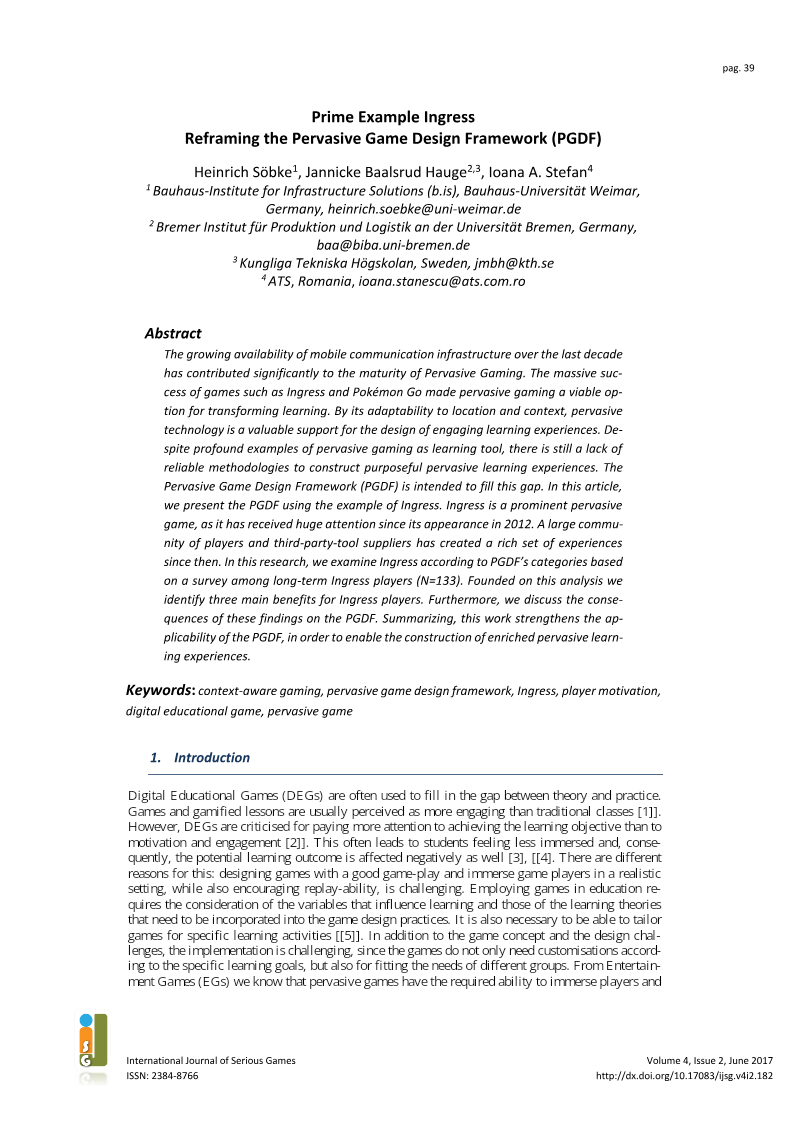
The Pervasive Game Design Framework (PGDF) serves as a critical mechanism for enhancing the efficacy of immersive educational games by leveraging design principles derived from real-world, location-based gaming.
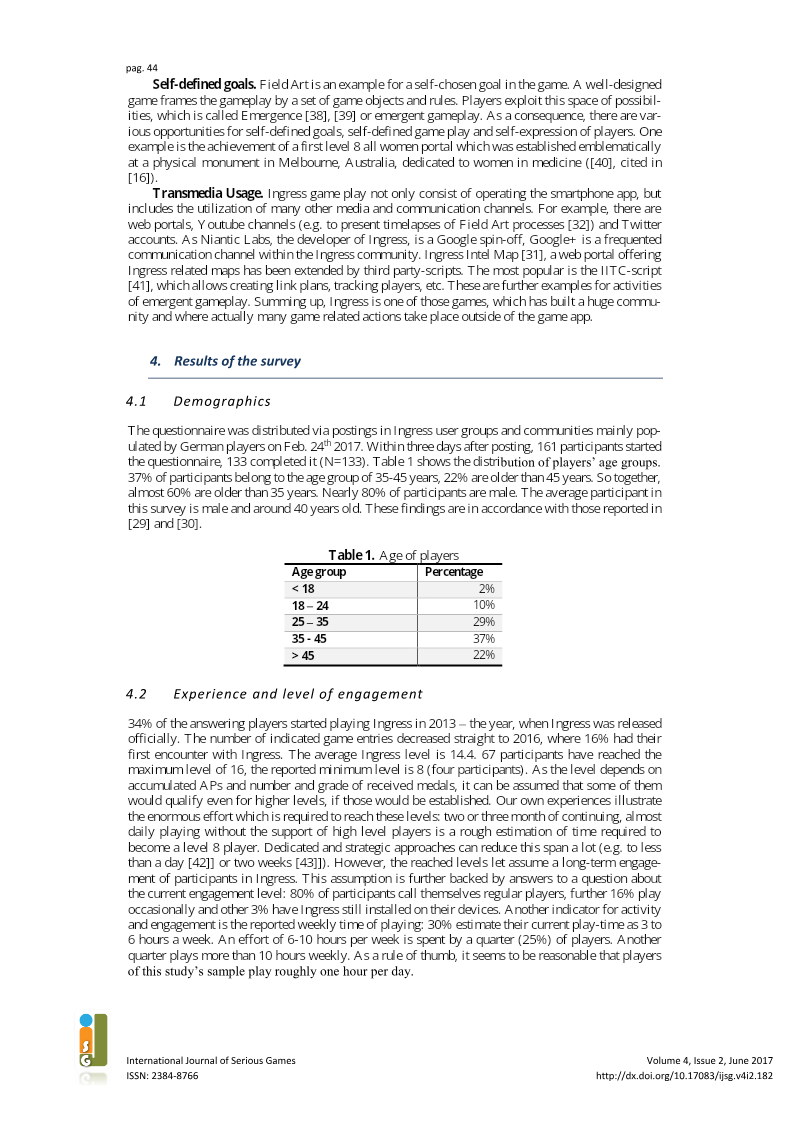
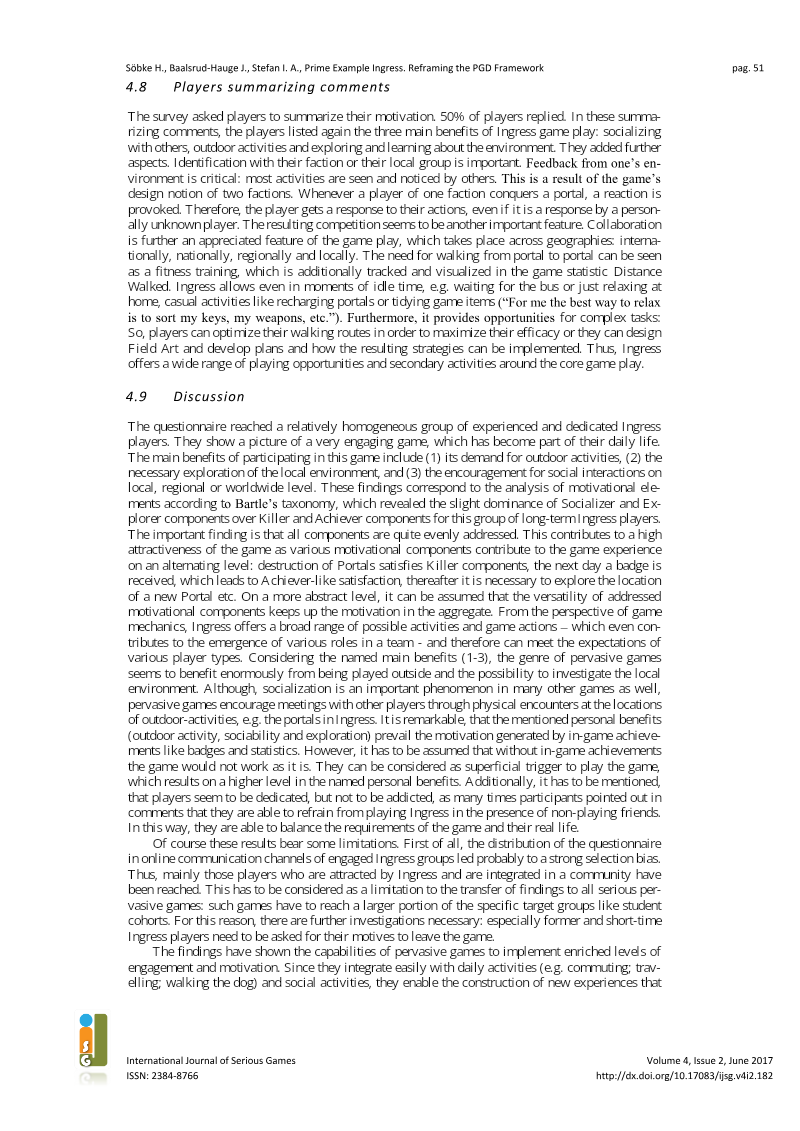
- The Pervasive Game Design Framework (PGDF) was developed to provide a methodology for creating immersive educational games and gamified learning paths, using Ingress as a primary case study.
- A survey of 133 long-term Ingress players revealed that the primary motivation for ending a game session is the requirement of real-life activities (mean score 4.0), followed by the completion of in-game goals (mean score 3.7).
- Ingress players are highly motivated by social interaction, community identification, and the opportunity to meet diverse people, with socializing and new acquaintances ranking among the top cited benefits.

Procedural Attack! Procedural Generation for Populated Virtual Cities: A Survey
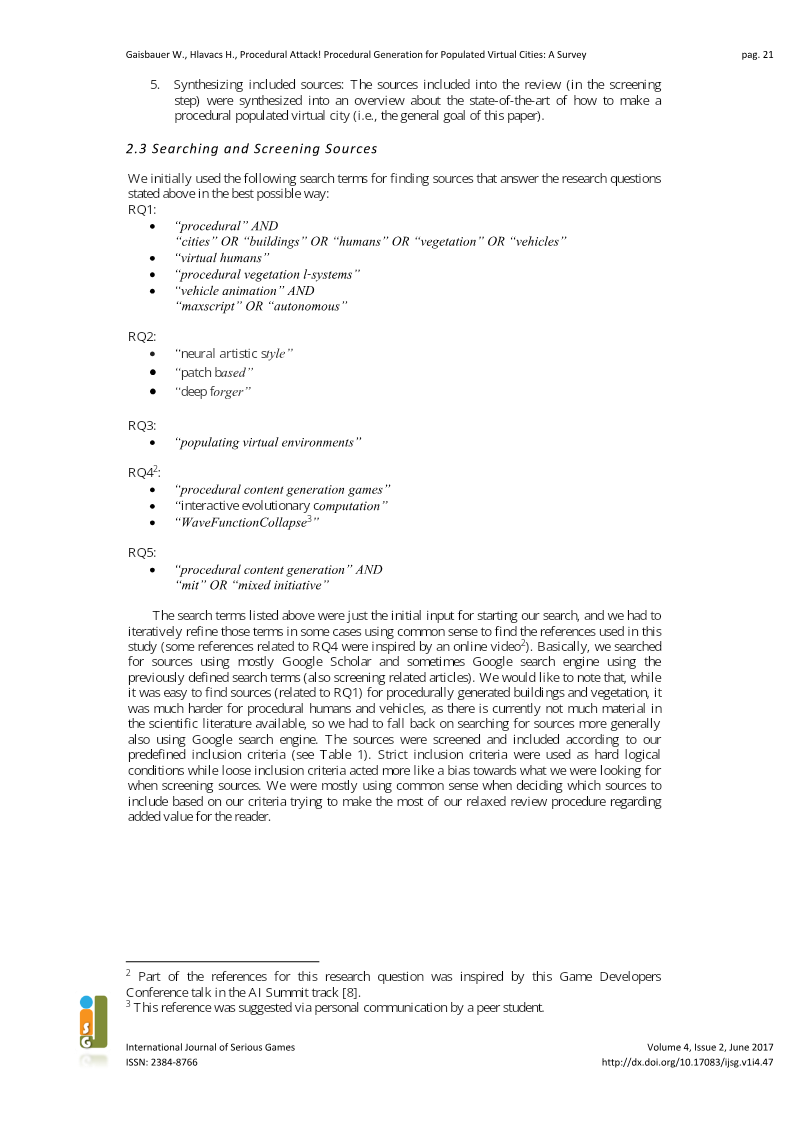
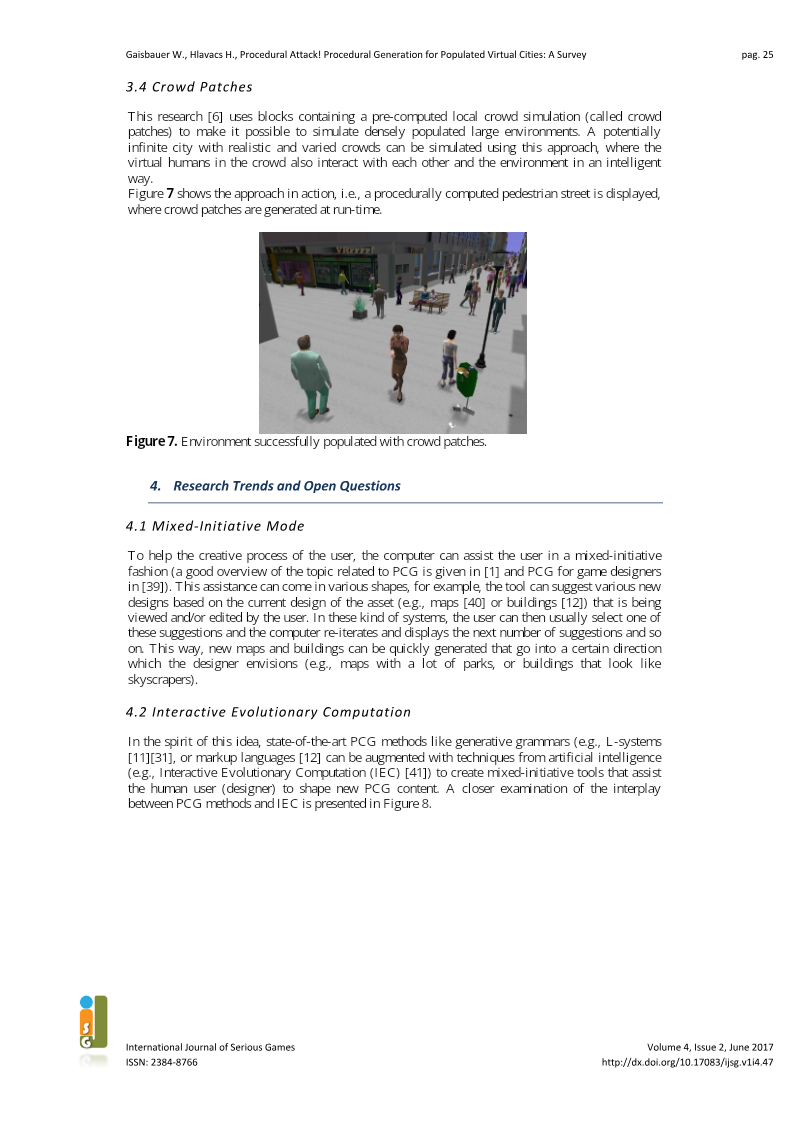
Procedural content generation serves as a critical framework for the rapid development of complex, populated virtual cities, aiming to reduce production timelines from months to minutes.
- Procedural Content Generation (PCG) enables small teams to build vast virtual worlds in minutes rather than months, significantly reducing the high costs associated with manual asset creation seen in large-scale productions like Grand Theft Auto V.
- Core procedural techniques for city infrastructure include shape grammars (e.g., CGA shape), L-systems, and markup languages, which allow for the automated generation of complex street maps and thousands of buildings at the push of a button.
- The 'WaveFunctionCollapse' algorithm is a key trend for city generation because it supports constraints, allowing it to be combined with manual design to create mixed-initiative tools that assist users in shaping environments.

People with Disabilities Leading the Design of Serious Games and Virtual Worlds
Serious games and virtual worlds serve as transformative tools for individuals with intellectual disabilities and autism spectrum disorder when developed through inclusive, user-centered frameworks.
- Involving individuals with intellectual disabilities (ID) and autism spectrum disorder (ASD) in the design phase of serious games and virtual worlds is essential for creating personalized, engaging interventions that address their specific needs.
- The HER reading program utilizes Applied Behaviour Analysis (ABA) to provide 80 lessons that adaptively progress in difficulty, using extrinsic rewards like stars to build intrinsic motivation and sustained attention.
- Participatory design (PD) practices aim to treat users with disabilities as equal partners, fostering mutual learning and empowerment rather than focusing solely on software usability.

A Comparison of Active and Passive Virtual Reality Exposure Scenarios to Elicit Social Anxiety
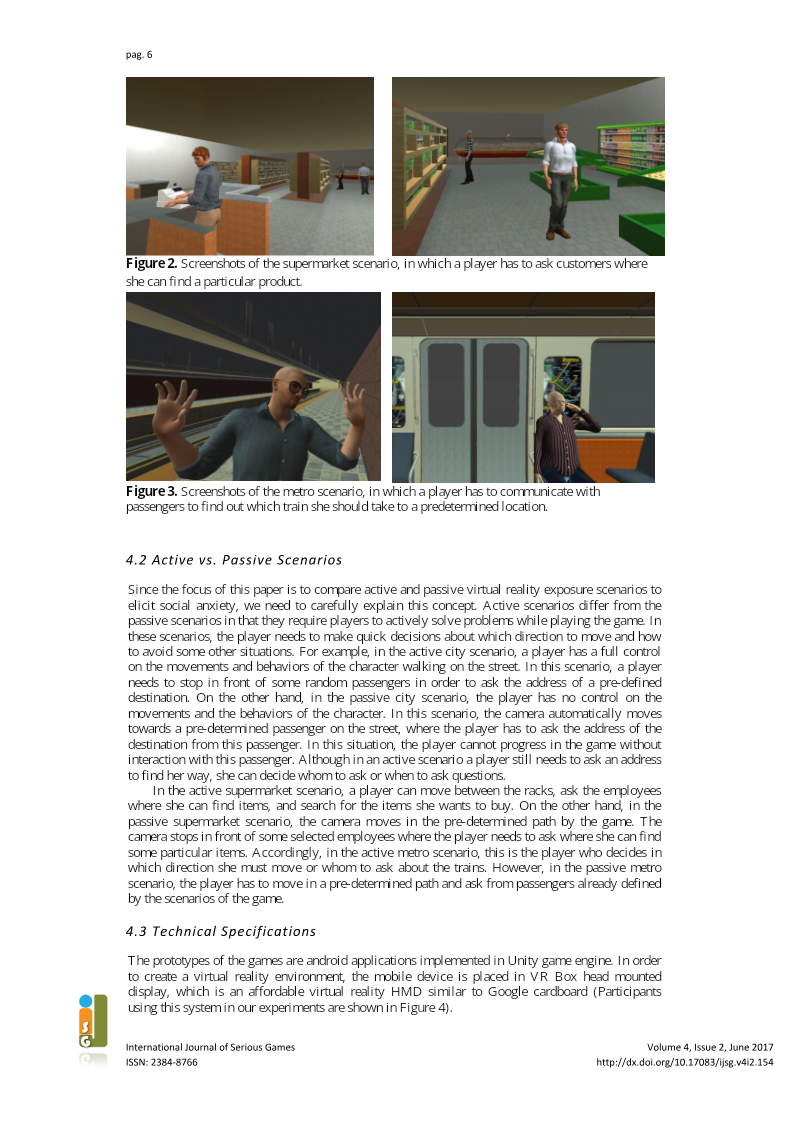
Virtual Reality Exposure Therapy (VRET) serves as a critical tool for treating social phobia, yet the degree of user agency required to maximize therapeutic outcomes remains a subject of investigation.
- Active virtual reality exposure scenarios are significantly more effective at eliciting social anxiety than passive scenarios, with active participants reporting a mean Subjective Units of Distress (SUD) score of 59.52 compared to 49.61 for passive participants (F=13.86).
- Active scenarios generate a higher sense of presence, with participants rating active experiences at a mean of 4.33 on a 5-point scale versus 3.75 for passive scenarios.
- There is a strong positive correlation between the sense of presence and the level of anxiety elicited, with correlation coefficients (r) of 0.952 for active scenarios and 0.897 for passive scenarios.


Flow Experience in Game Based Learning: A Systematic Literature Review
The state of optimal engagement known as flow serves as a critical, yet inconsistently defined, pillar in the design and evaluation of serious games.
- Research on flow in serious games remains largely conceptual, lacking robust empirical evidence to support the definitive impact of flow on learning outcomes.
- A systematic review of 19 studies involving 1,775 participants found that while flow is positively linked to motivation and engagement, its direct causal relationship with learning requires further validation.
- The most frequently measured dimensions of flow in serious games are concentration (89%), challenge-skill balance (83%), time distortion (83%), and sense of control (78%).

Serious Games Are a Serious Tool for Team Research
Serious games serve as sophisticated, high-fidelity instruments for analyzing complex team dynamics, offering a reliable alternative to traditional behavioral research methods.
- Serious games provide a robust, valid, and reliable platform for team research by enabling continuous monitoring, automated stimuli presentation, and precise response measurement.
- Modern game engines, such as Unity, have significantly reduced the technical barrier to entry by allowing researchers to create parallel scenarios and manipulate game objects via drag-and-drop interfaces without extensive custom programming.
- Game engines now facilitate automated performance assessment by providing direct access to quantifiable data, such as entity locations and event-based status changes, replacing the need for labor-intensive post-processing of key logs.
Persuasive Gaming: Identifying the Different Types of Persuasion Through Games
This analysis establishes a theoretical framework for understanding how digital games function as persuasive tools, moving beyond simple message delivery to encompass the complex interactions between games, players, and their environments.
- Persuasive gaming should be viewed as a dynamic process of interaction between the game, the player, and the context, rather than as a closed product.
- Exocentric persuasion uses built-in game mechanics and multimodal communication—such as visual, procedural, and narrative cues—to convey specific messages intended to change player attitudes, as demonstrated by the Veevia Cancer Game.
- Endocentric persuasion focuses on player-centric strategies that leverage motivation and engagement to keep users playing, effectively utilizing the 'peripheral route' to persuasion by aligning game mechanics with player needs and personality traits.
Experience, Experiment, Evaluate: A Framework for Assessing Experiential Games
The Experience, Experiment, Evaluate (EEE) framework provides a comprehensive methodology for the design and assessment of experiential educational games.
- The 'Experience, Experiment, Evaluate' (EEE) framework provides a structured pedagogical lens for designing and assessing experiential educational games by mapping game mechanics directly to learning goals.
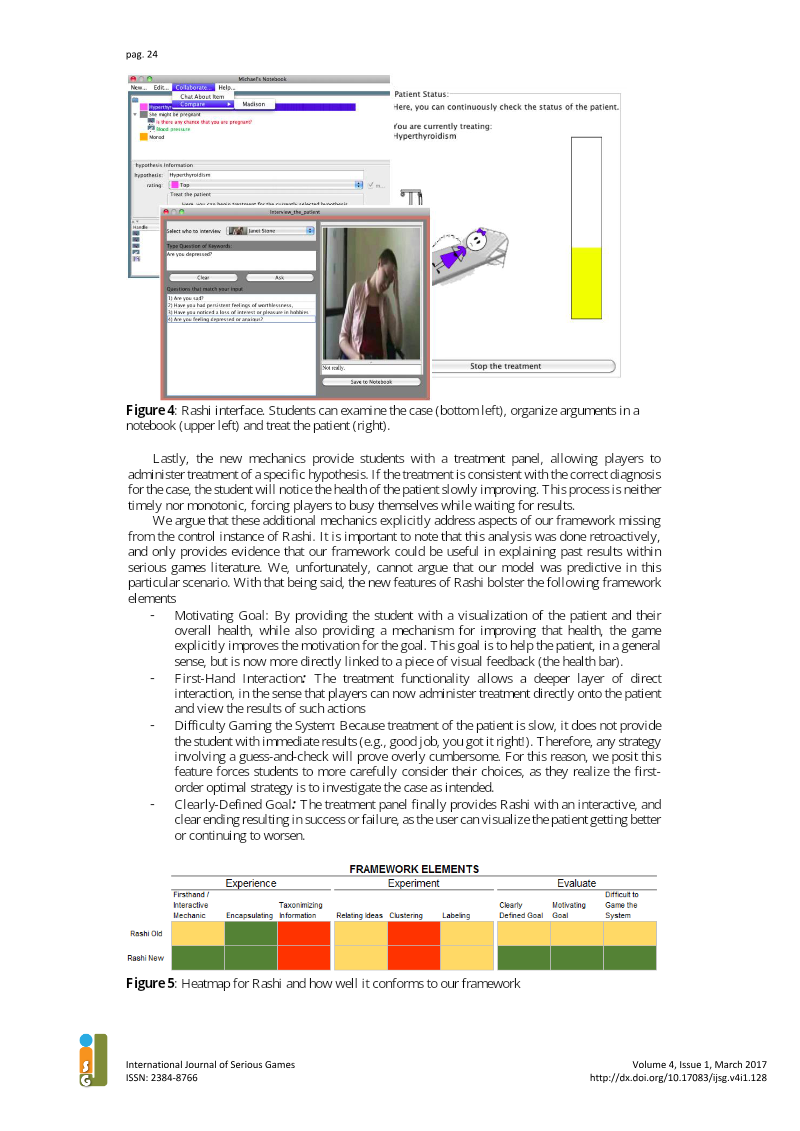
- In the medical diagnosis game 'Rashi,' adding features that aligned more tightly with the EEE framework—such as patient health bars and treatment options—resulted in higher quantity and quality of student responses compared to the control group.
- Data from the 'A Nation Divided' game showed that modules with clearly defined and communicated goals, such as the Underground Railroad and Gettysburg segments, resulted in statistically significant learning gains (p=0.012 and p=0.008, respectively).


Patients' Follow-up Using Biomechanical Analysis of Rehabilitation Exercises
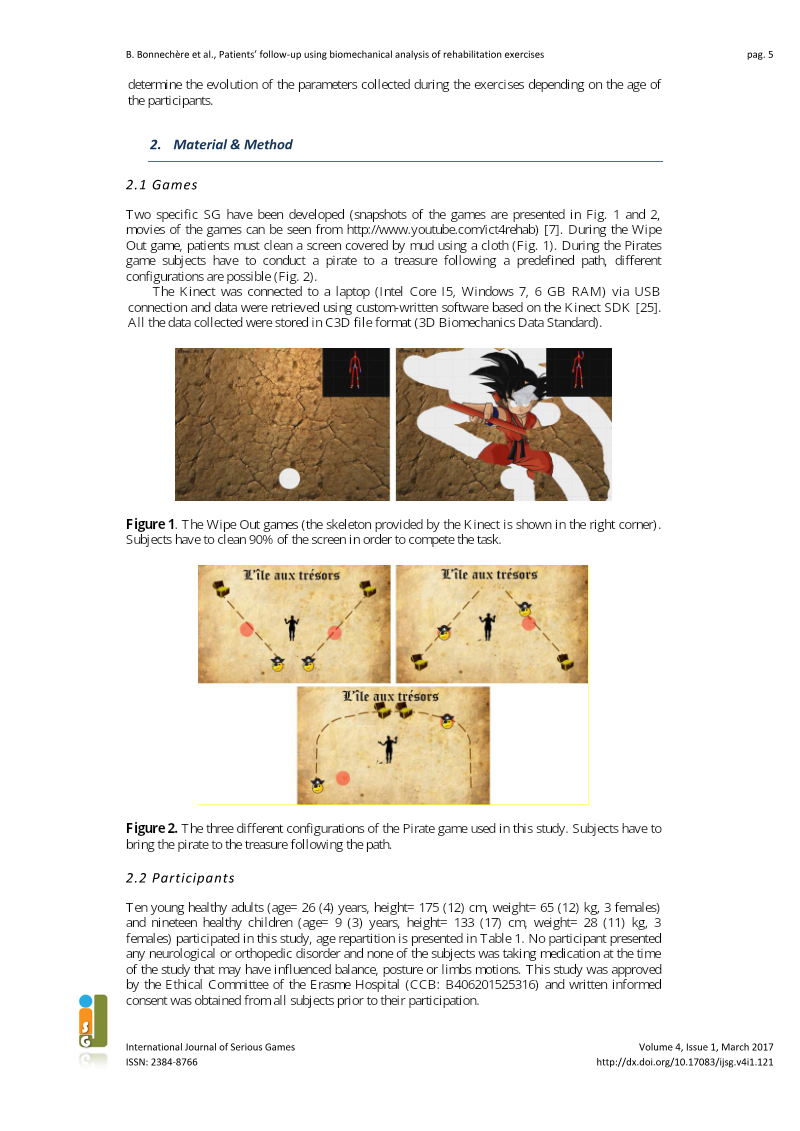
Serious games utilizing Microsoft Xbox Kinect technology offer a viable, cost-effective framework for monitoring patient progress during physical rehabilitation.
- Microsoft Xbox Kinect technology provides a cost-effective, reliable alternative to high-cost motion capture systems for tracking patient rehabilitation progress.
- Rehabilitation monitoring must prioritize complex, quality-based scoring systems over simple spatial displacement metrics to accurately capture the nuances of movement execution.
- Patients demonstrate a measurable 10% average reduction in task completion time across sessions, indicating improved efficiency despite stable range-of-motion metrics.
Player Experiences and Behaviors in a Multiplayer Game: Designing Game Rules to Change Interdependent Behavior
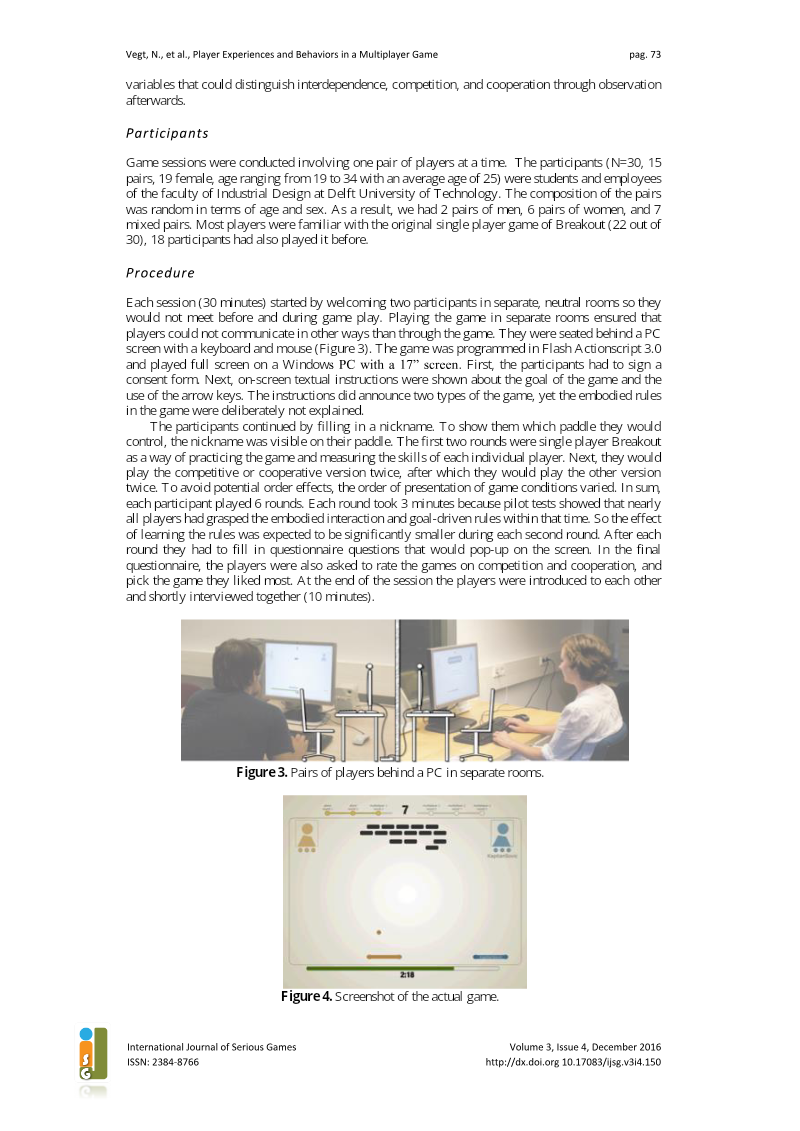
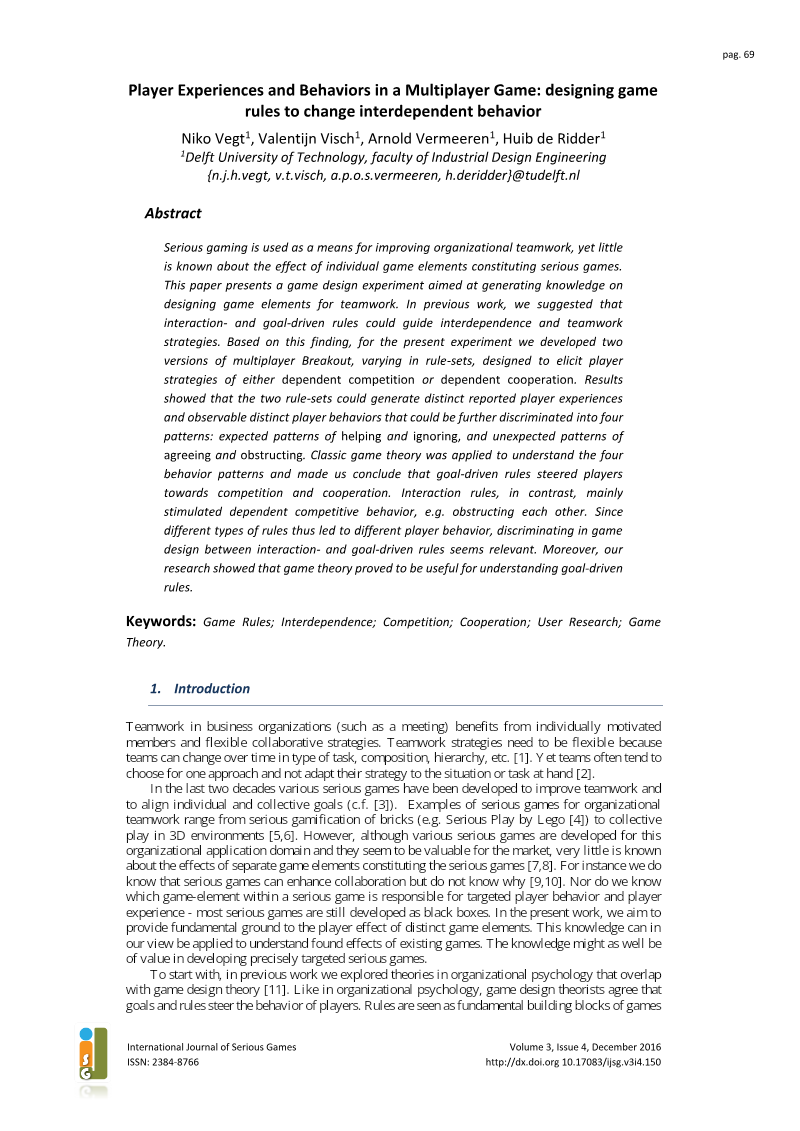
Game design strategies significantly influence player behavior and social dynamics through the deliberate manipulation of goal-driven and interaction-based rules.
- Goal-driven rules and interaction rules function as distinct design levers: goal-driven rules steer players toward competition or cooperation, while interaction rules primarily stimulate competitive behaviors like obstruction.
- Players reported significantly higher feelings of interdependence in cooperative game variants (M=3.99) compared to competitive ones (M=3.45), with obstruction reported as significantly higher in competitive settings (M=4.02 vs M=2.79).
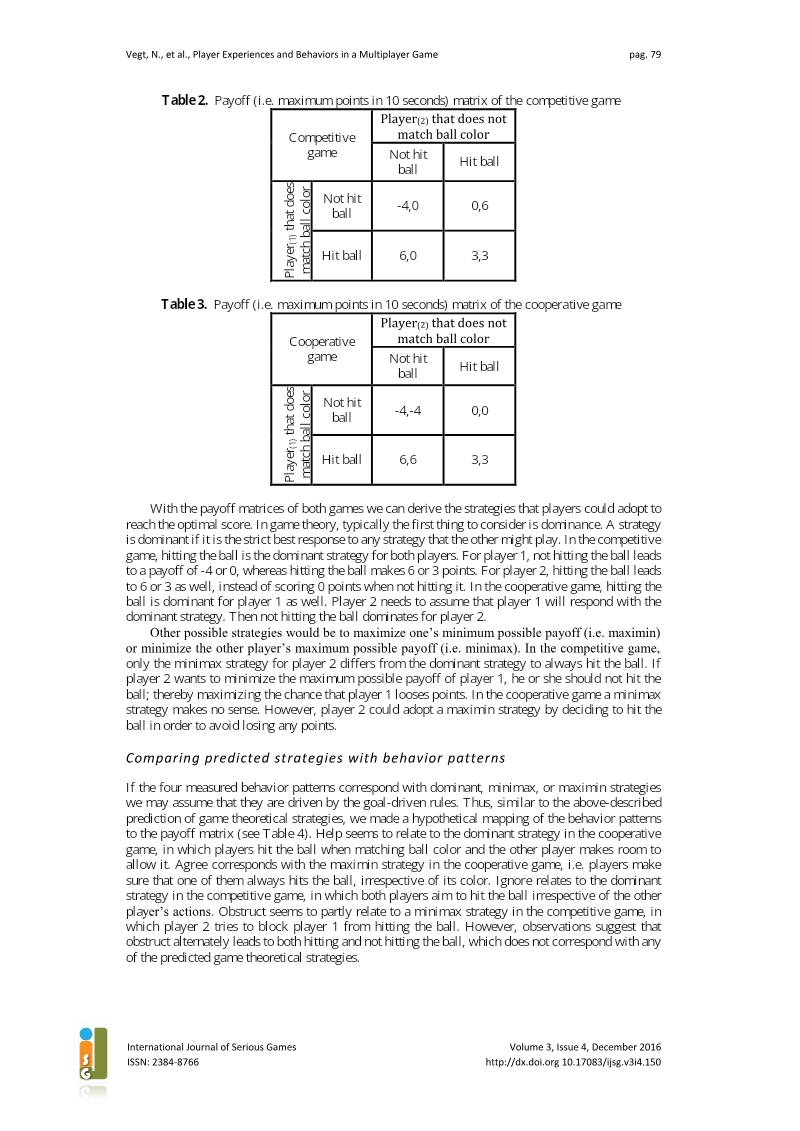
- Player behavior can be categorized into four distinct patterns: helping, ignoring, agreeing, and obstructing, which can be effectively mapped to classic game theory strategies like dominant, maximin, and minimax.