1 free read left. Create a free account for unlimited reading + AI research.
Create free accountWhitepaper International Journal of Serious Games
1 free read left. Create a free account for unlimited reading + AI research.
Create free accountWhitepaperInternational Journal of Serious Games
The PGDF provides a methodology for developing educational games and gamified learning paths.
Core purpose. The PGDF offers a structured approach for integrating pervasive gaming elements into educational contexts.
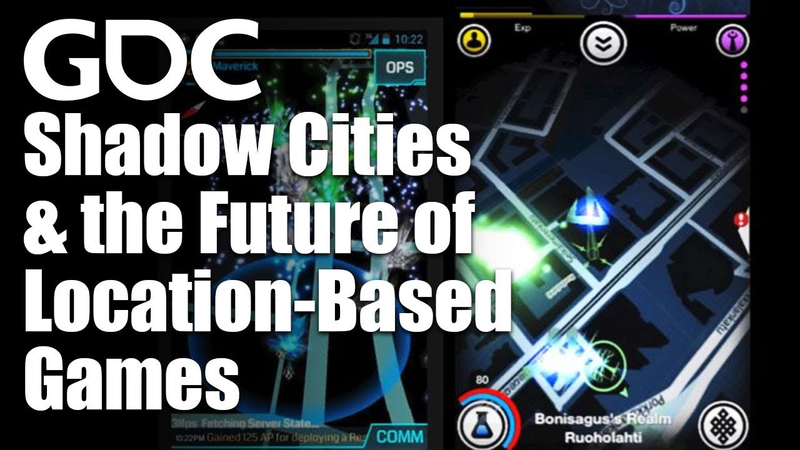
The Pervasive Game Design Framework (PGDF) serves as a critical mechanism for enhancing the efficacy of immersive educational games by leveraging design principles derived from real-world, location-based gaming. By analyzing the pervasive game Ingress, the research establishes that successful engagement in these environments relies less on traditional digital rewards and more on the seamless integration of gameplay into the user’s daily physical routines. The core thesis posits that by mapping the motivational drivers of long-term players—specifically exploration, sociability, and physical activity—designers can create pedagogical experiences that bridge the gap between theoretical learning and practical, real-world application.
Data collected from 133 long-term players, who represent a mature demographic with an average age of 40, indicates that the most effective game mechanics are those that facilitate team-based collaboration and real-world movement. While in-game metrics and badges provide superficial triggers for participation, the primary drivers for sustained engagement are the social roles and the sense of discovery fostered through outdoor activity. These findings suggest that educational games should prioritize collaborative communication and physical exploration to maintain user interest over extended periods.
Ultimately, the refinement of the PGDF provides a structured approach for developers to translate these pervasive gaming elements into educational contexts. By weaving learning objectives into the fabric of social teamwork and physical-world interaction, designers can move beyond simple gamification toward more meaningful, immersive learning environments. This framework offers a robust foundation for future development, ensuring that educational games are not only engaging but also capable of fostering complex social and cognitive development through the strategic application of pervasive design principles.
Each row is a game or company this document names, each column a document, oldest first. A mark means that document names it. Select a row to see those documents.
International Journal of Serious Games · 2023
International Journal of Serious Games · 2022



International Journal of Serious Games · 2020


International Journal of Serious Games · 2020



International Journal of Serious Games · 2020


International Journal of Serious Games · 2020


International Journal of Serious Games · 2020
International Journal of Serious Games · 2020



International Journal of Serious Games · 2020



International Journal of Serious Games · 2020



International Journal of Serious Games · 2020



Air Force Institute of Technology · 2020

Cologne Game Lab · 2024