1 free read left. Create a free account for unlimited reading + AI research.
Create free accountWhitepaper International Journal of Serious Games
1 free read left. Create a free account for unlimited reading + AI research.
Create free accountWhitepaperInternational Journal of Serious Games
Serious games and virtual worlds serve as transformative tools for individuals with intellectual disabilities and autism spectrum disorder when developed through inclusive, user-centered frameworks. By integrating participatory design with Applied Behavior Analysis, developers create highly personalized, goal-oriented educational interventions that foster intrinsic motivation. This approach moves beyond traditional instructional methods, utilizing the safety and customizability of virtual environments to address specific cognitive and social needs while adhering to principles of Responsible Research and Innovation.
Empirical evidence from initiatives such as Hao2.eu and VL4ASD confirms that involving individuals with disabilities as active co-designers leads to measurable improvements in employability, social communication, and literacy. These collaborative design processes empower participants, shifting their role from passive recipients of technology to active contributors in their own learning journeys. By prioritizing the lived experience of the user, these platforms effectively bridge the gap between technical functionality and meaningful real-world application.
Future advancements in this field must expand the scope of evaluation to capture the broader psychosocial benefits of inclusive design. While current metrics focus on skill acquisition and usability, the long-term success of these digital interventions relies on their ability to cultivate genuine social inclusion and a sense of personal agency. Moving forward, the industry should prioritize research that quantifies how collaborative design frameworks enhance participant ownership and societal integration, ensuring that serious games remain both pedagogically effective and ethically grounded in the needs of the communities they serve.
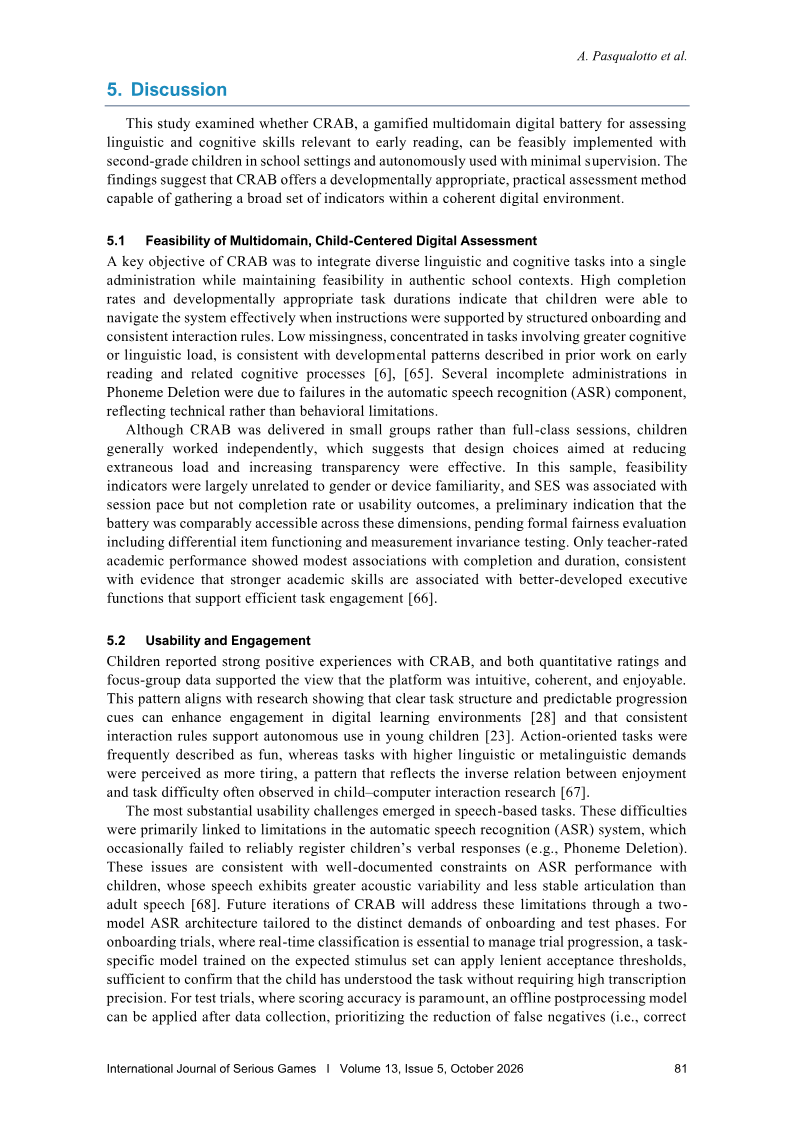
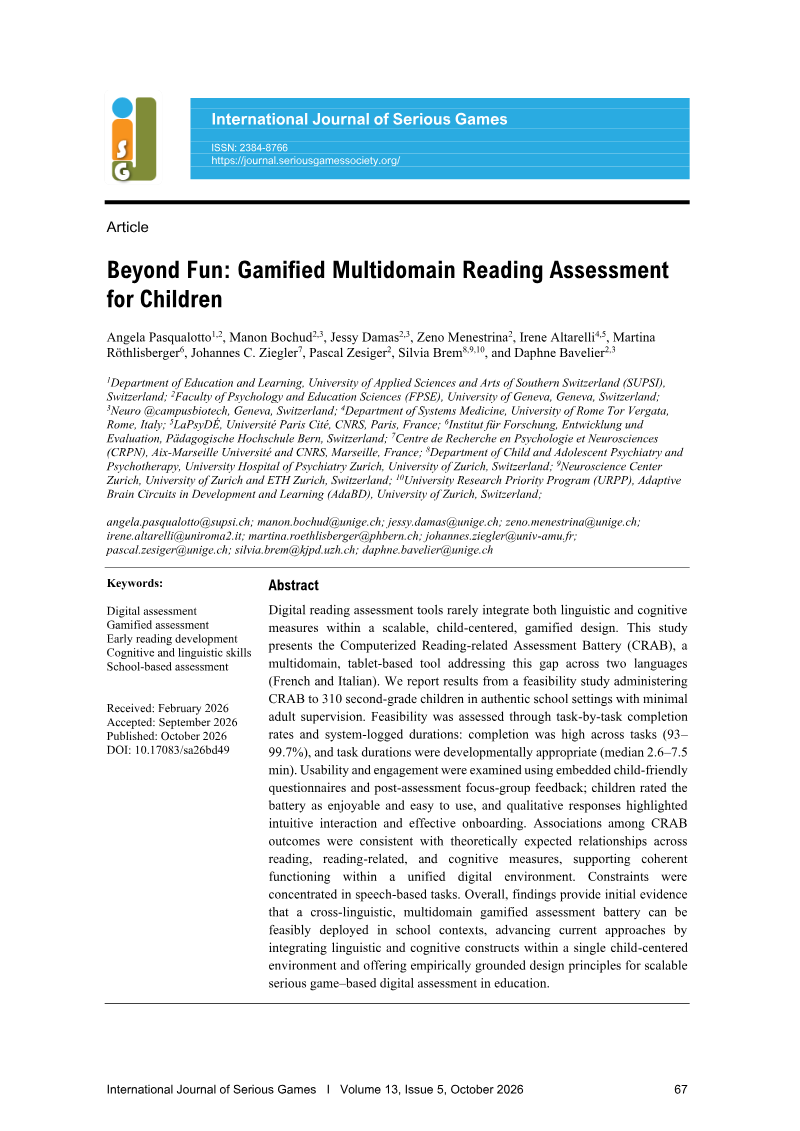
International Journal of Serious Games · 2026
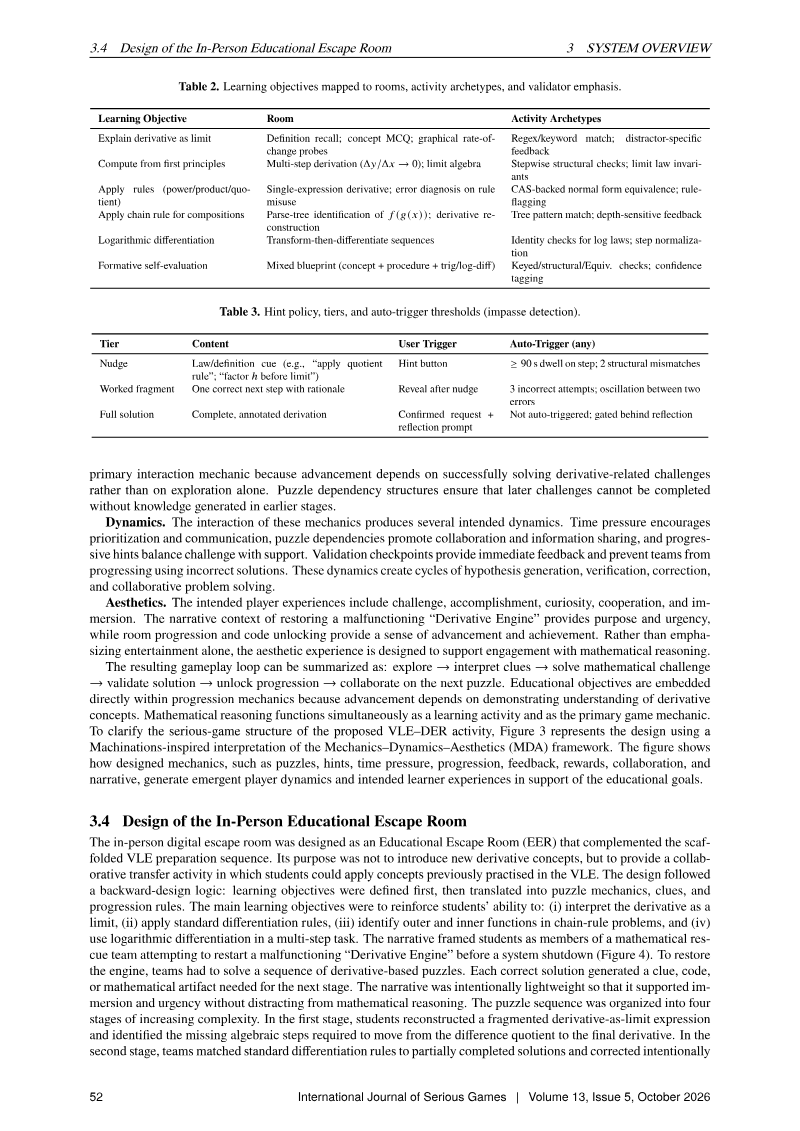
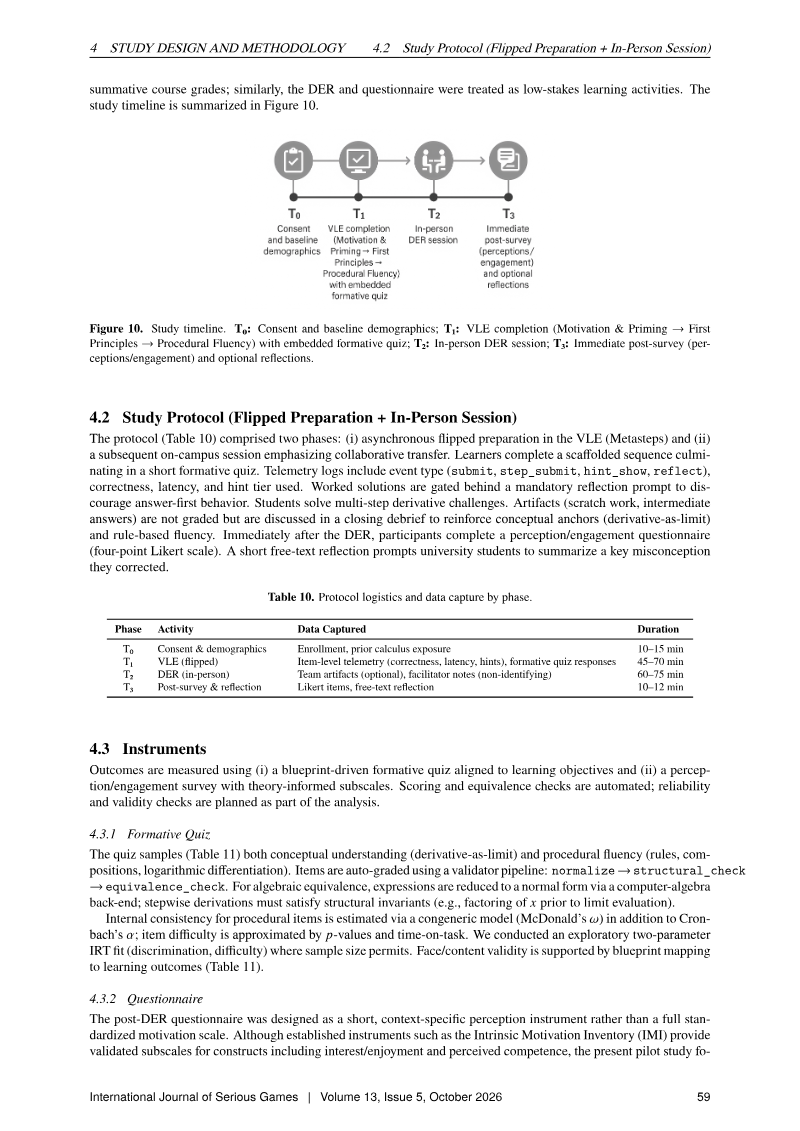
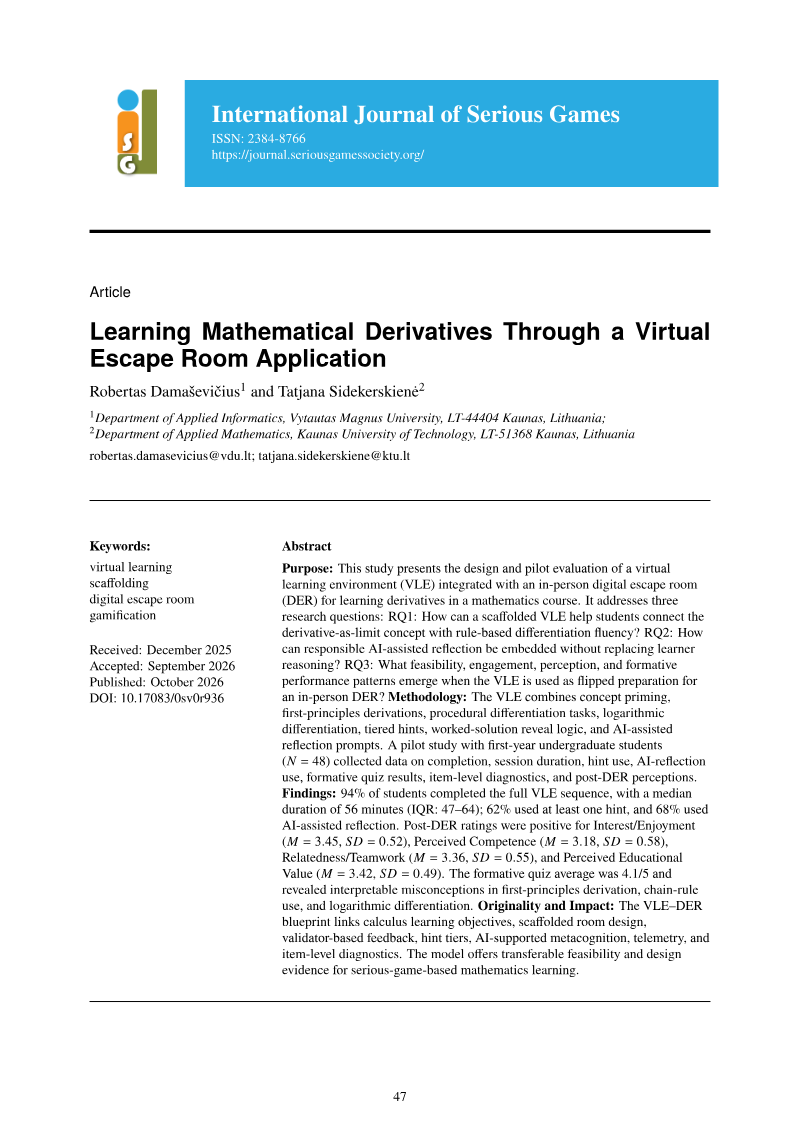
International Journal of Serious Games · 2026
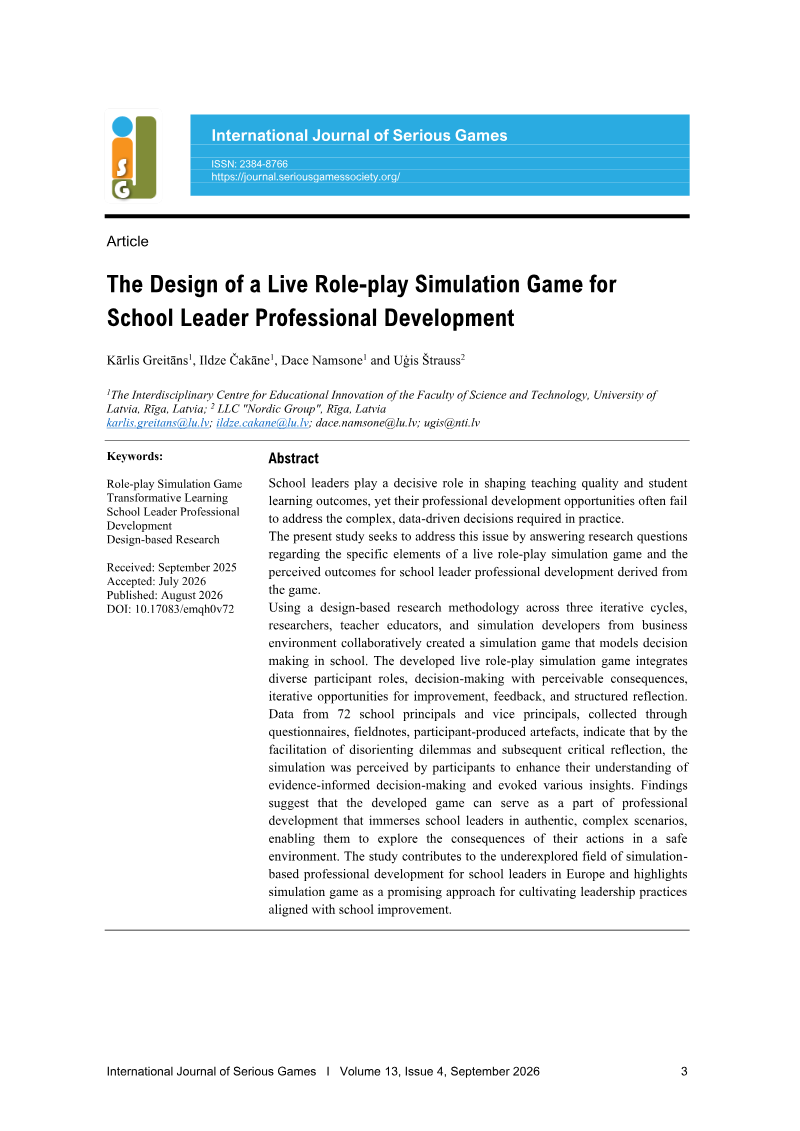
International Journal of Serious Games · 2026
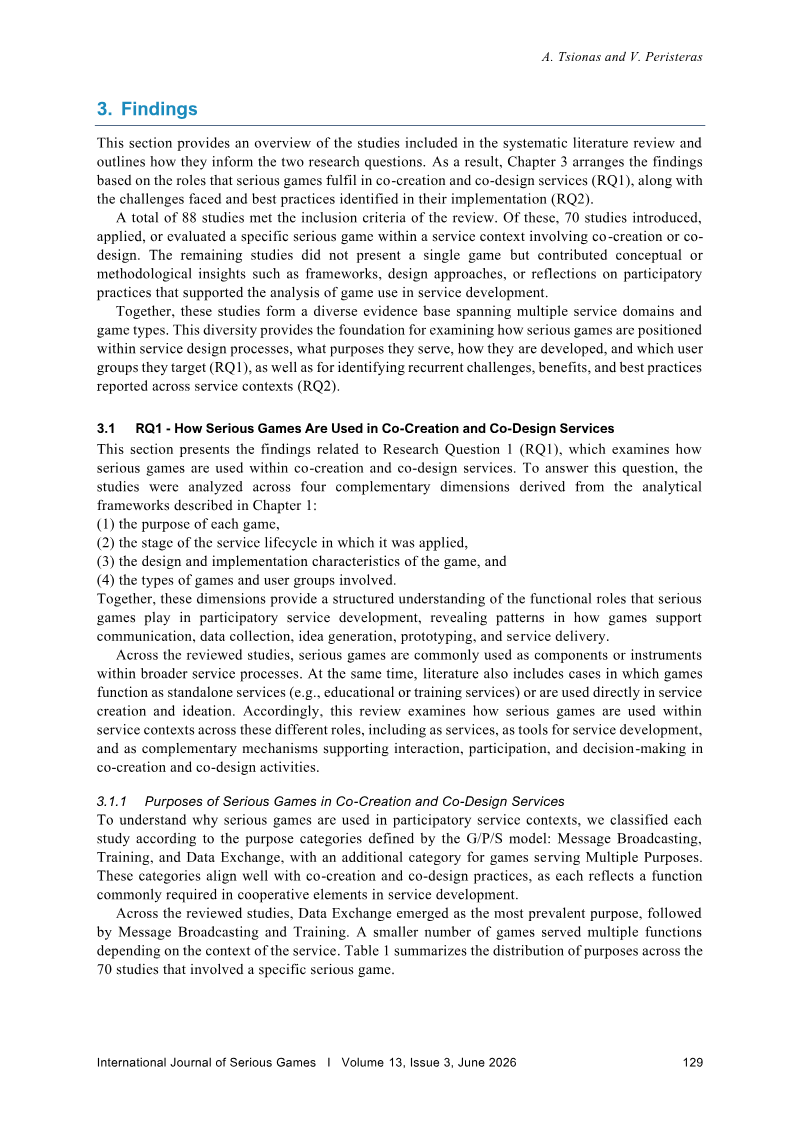
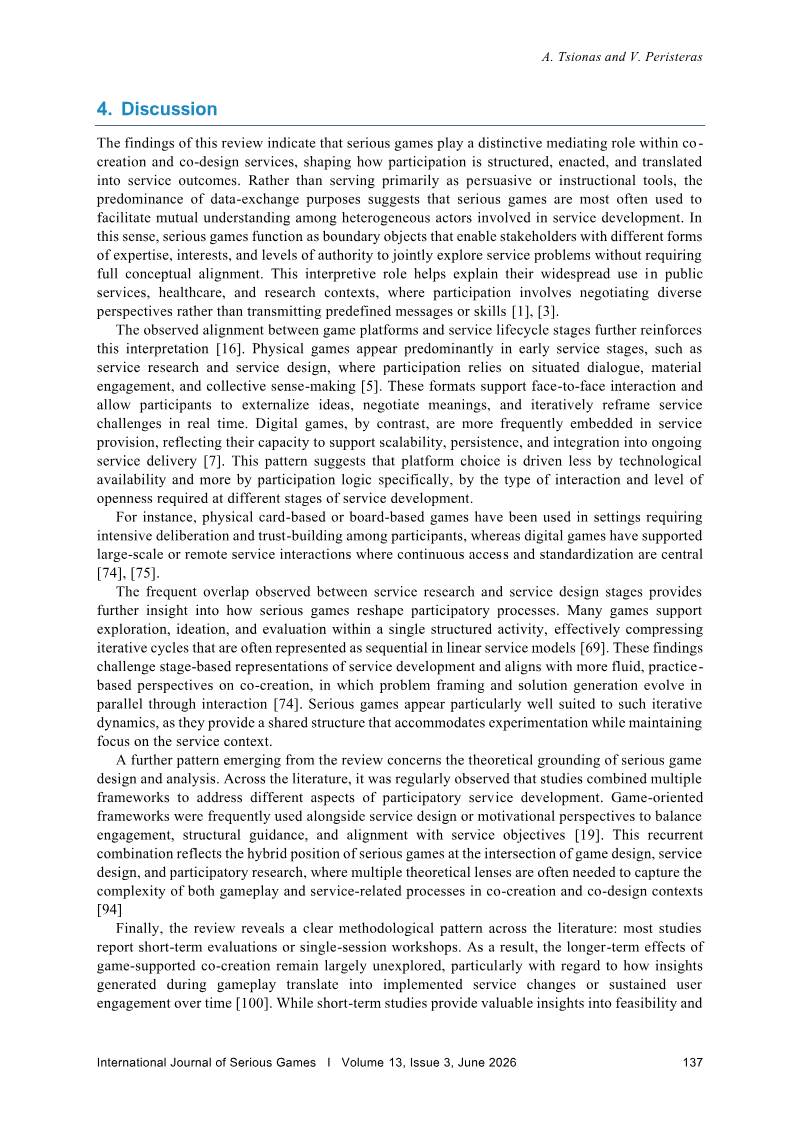
International Journal of Serious Games · 2026
International Journal of Serious Games · 2026
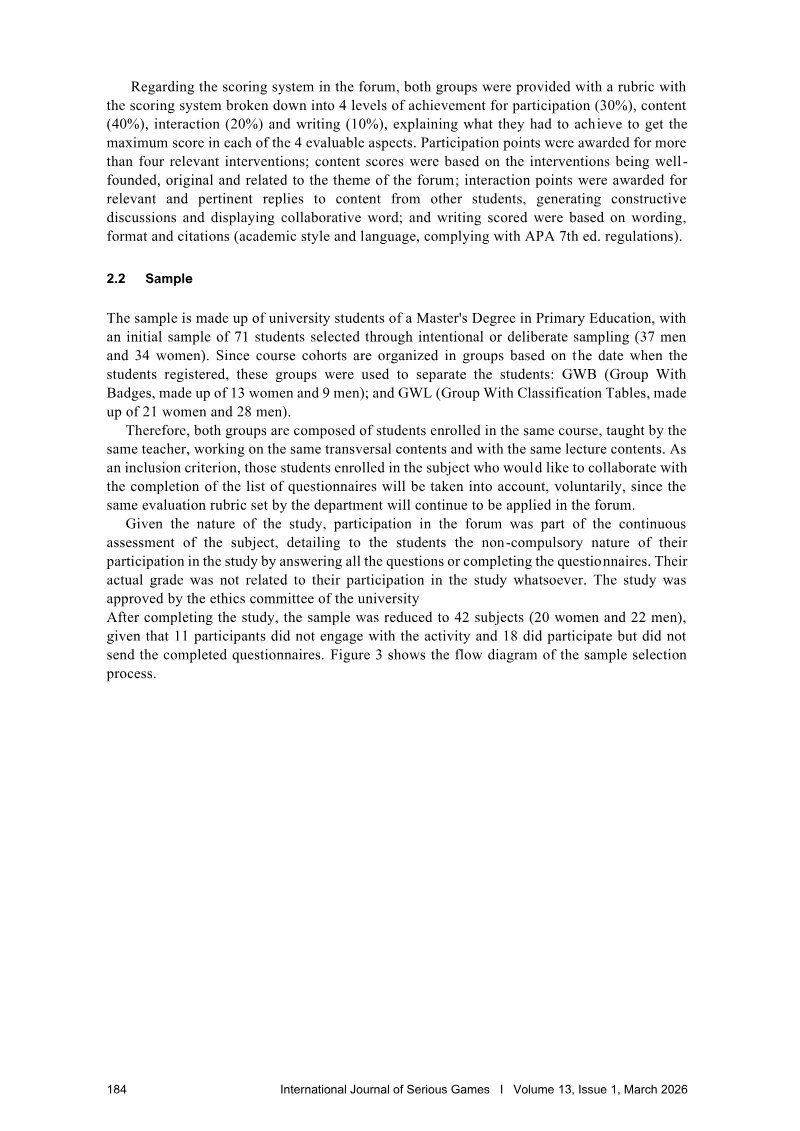
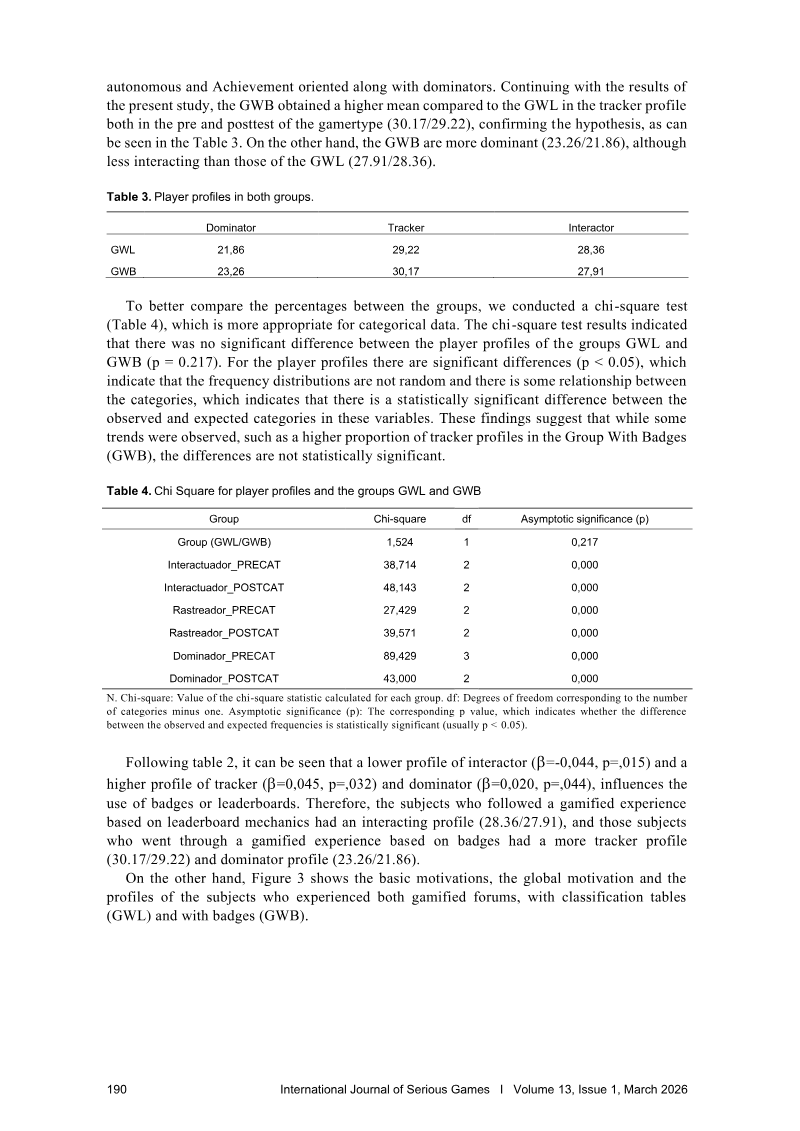
International Journal of Serious Games · 2026
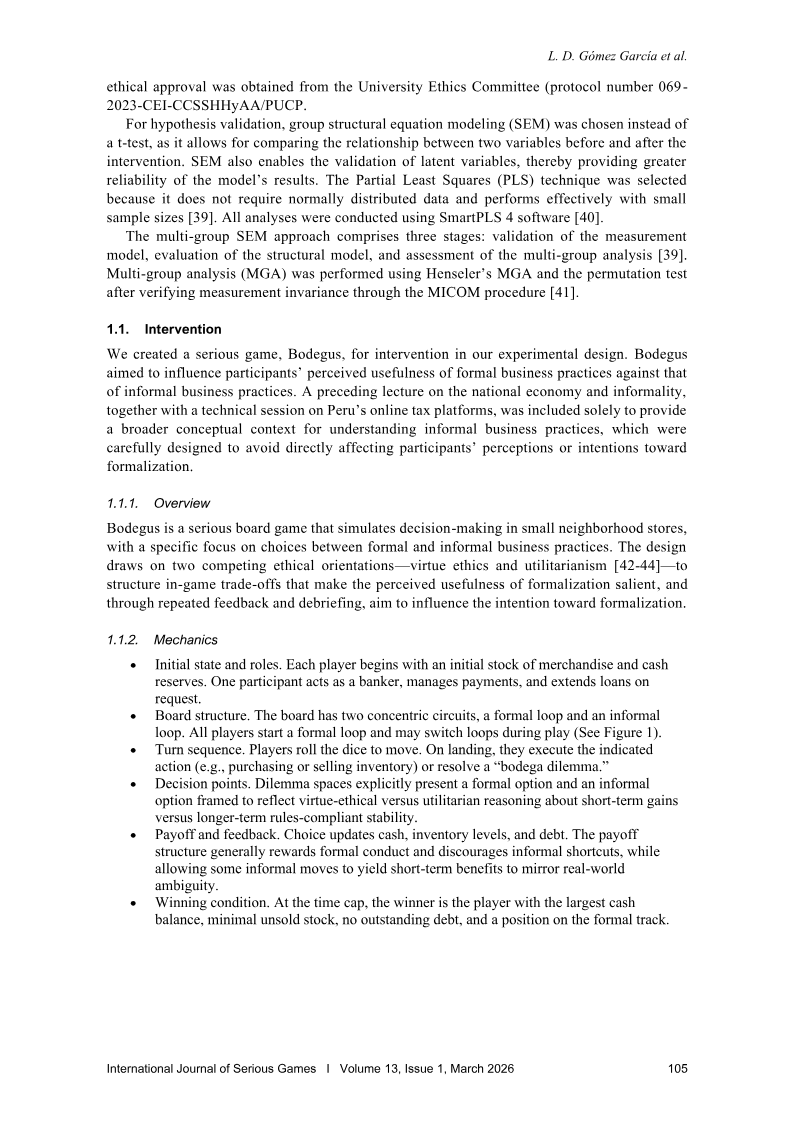
International Journal of Serious Games · 2026
International Journal of Serious Games · 2025
International Journal of Serious Games · 2025
International Journal of Serious Games · 2025
Serious Games Society · 2025
International Journal of Serious Games · 2025
European Conference on Games Based Learning (ECGBL) · 2026