Game developer salary surveys and reports
Documents

White Paper Catalan Video Game Industry 2023
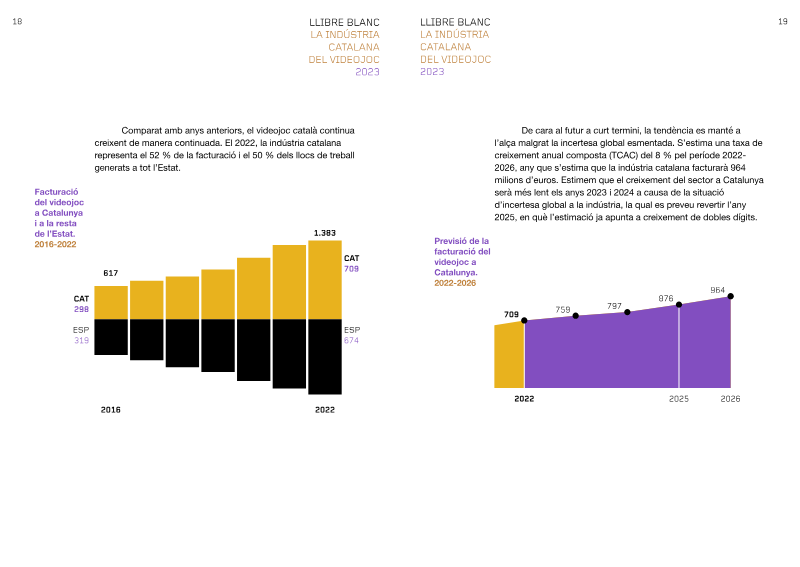
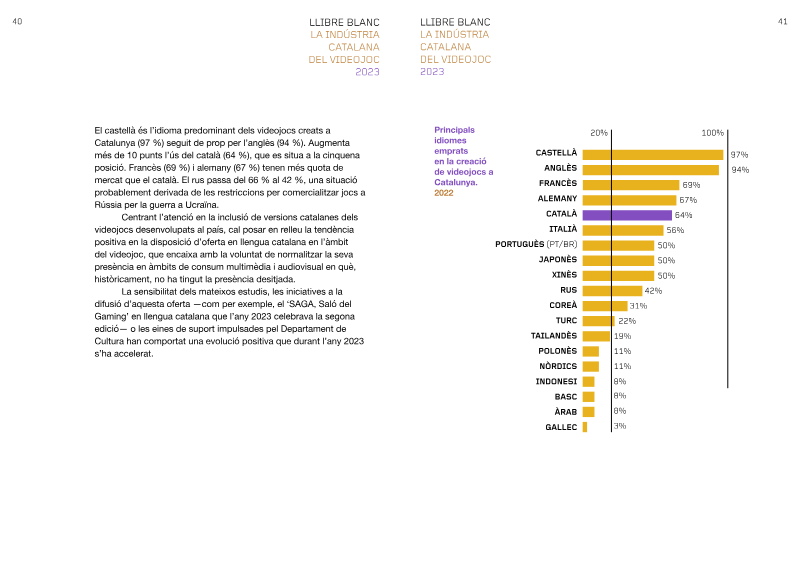
The 2023 white paper on Catalonia’s video-game industry presents a detailed assessment of the sector’s economic performance and labour dynamics for the year 2022.
- Catalonia’s video game industry generated €709 million in revenue during 2022, representing a 7.5 percent decline from the previous year.
- Total employment in the sector grew by 8.7 percent in 2022, reaching a workforce of 4,619 people.
- The simultaneous decrease in revenue and increase in headcount indicates a strategic shift toward more labor-intensive development and ancillary service activities.

Pesquisa Nacional da Indústria de Games 2023
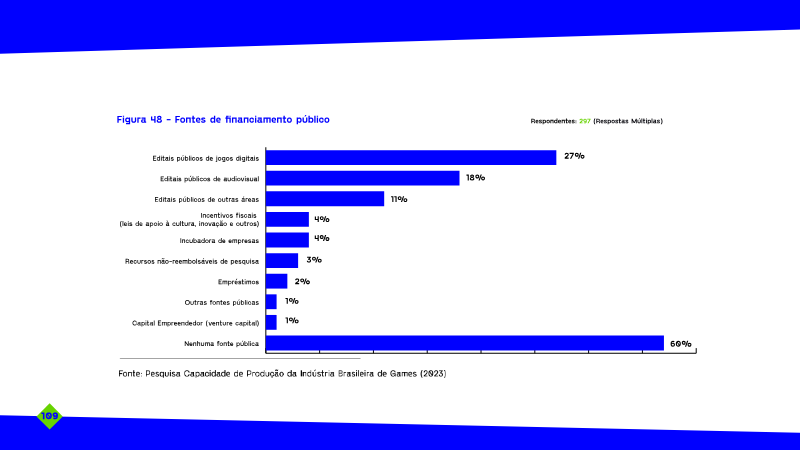
The 2023 national survey of Brazil’s game-development ecosystem maps the sector as it stood in 2022, revealing a vibrant but highly fragmented industry dominated by micro- and small studios.
- Brazil’s game industry grew 3% in 2022 despite a 5.1% global market contraction, reaching a valuation of US$182.9 billion with projections to hit US$206.4 billion by 2025.
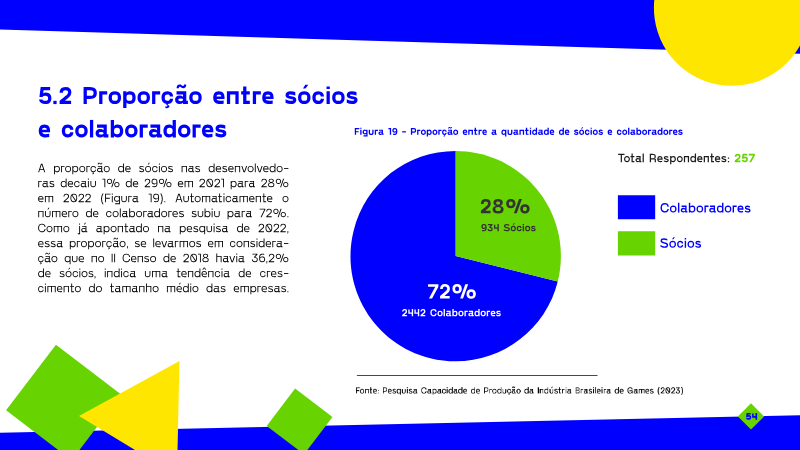
- The Brazilian market is highly fragmented, consisting of 1,042 active studios that are primarily micro or small in size.
- Mobile gaming leads revenue generation at 49%, followed by PC at 26% and consoles at 25%, supported by a massive domestic player base of approximately 103 million people.

State of the Game Development Industry 2023: Workplace Health & HR Culture, Mental Trends
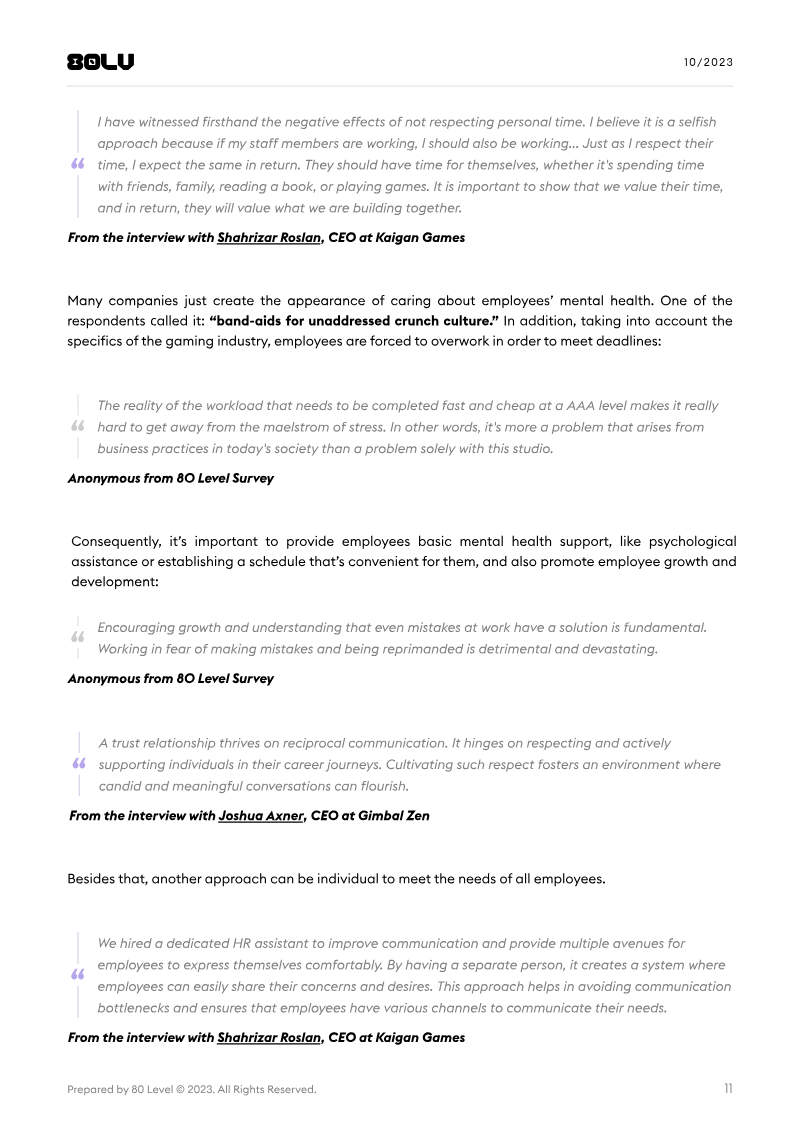
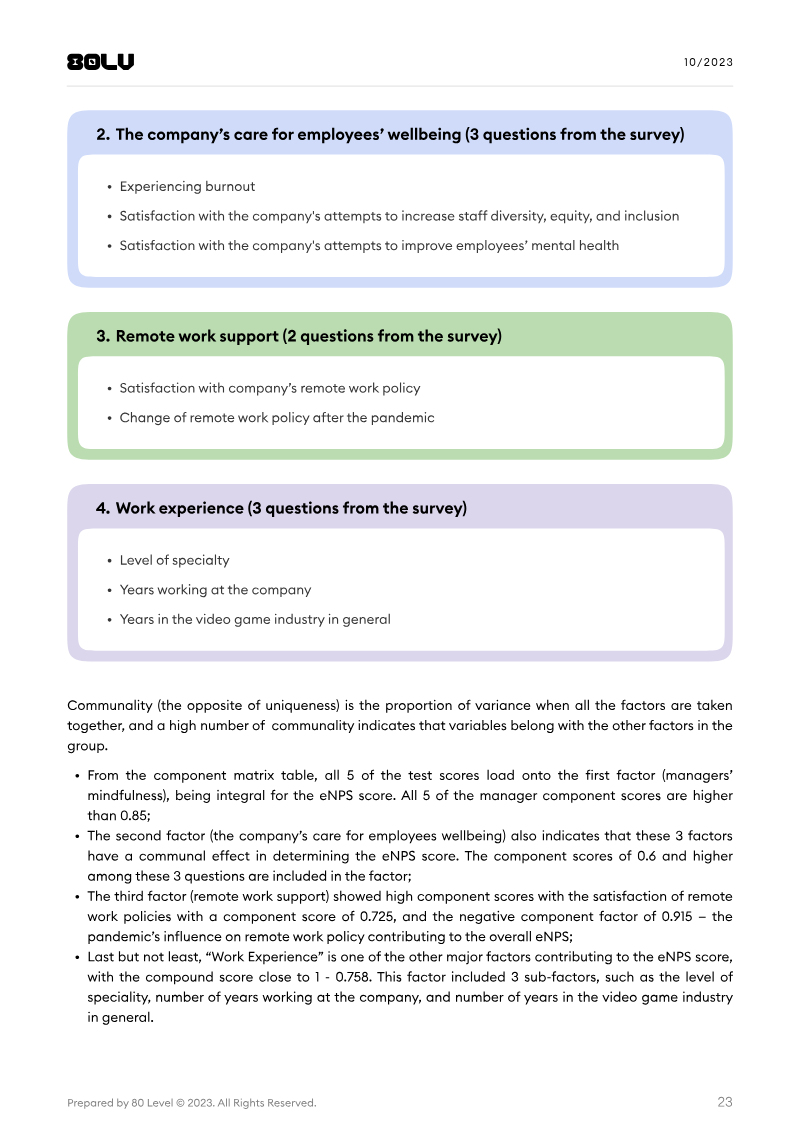
The global game development industry entered a period of profound instability throughout 2023, characterized by widespread layoffs affecting 28% of the workforce and a pervasive crisis of employee loyalty.
- The game industry experienced significant instability in 2023, with 28% of the workforce affected by layoffs and an Employee Net Promoter Score of -19% indicating widespread dissatisfaction.
- Economic recalibration and management failures are the primary drivers of industry distress, while AI automation currently accounts for only 3% of total job losses.
- Workplace culture is suffering from 'quiet hiring' practices, where 37% of employees are absorbing expanded responsibilities without corresponding increases in compensation.
Slovak Game Development Industry 2023
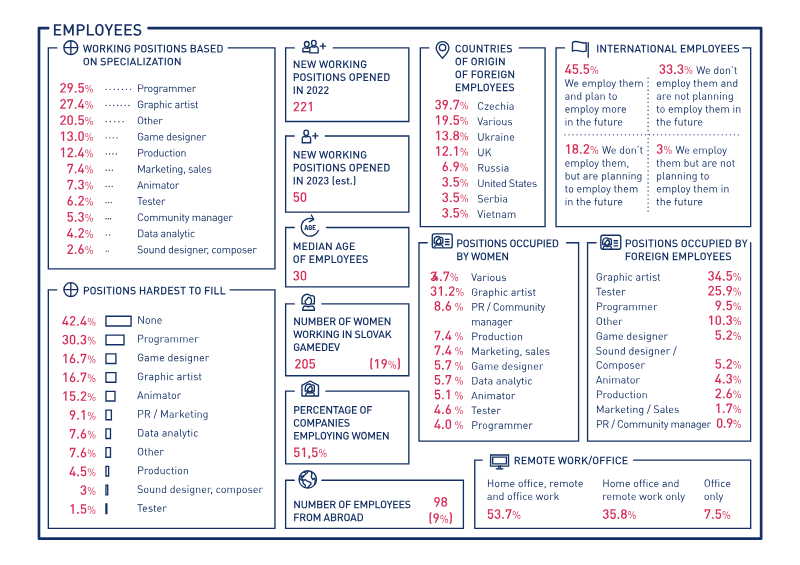
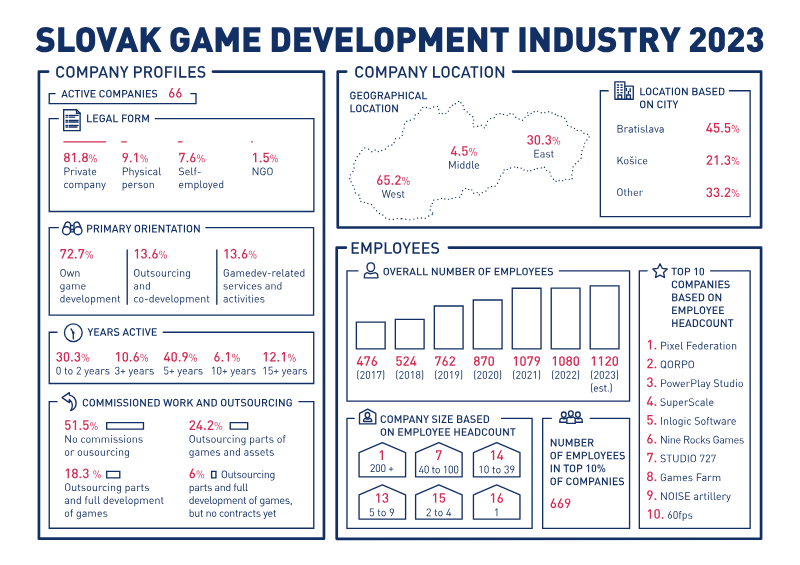
The Slovak game development industry in 2023 is characterized by a stable ecosystem of 66 active companies, primarily concentrated in the western region of the country.
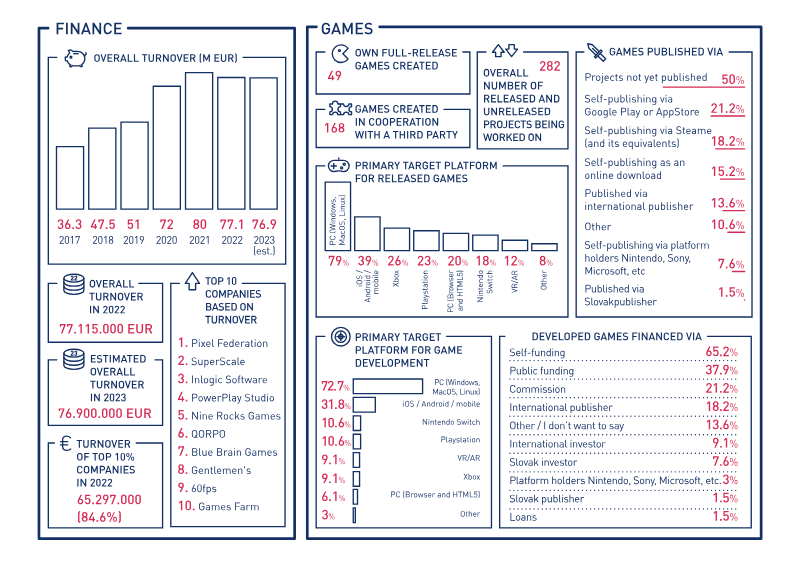
- The Slovak game industry is highly centralized, with the top 10% of companies accounting for 60% of the 1,120-person workforce and 84.6% of the total annual turnover.
- Industry revenue has plateaued, with turnover reaching €77.1 million in 2022 and an estimated €76.9 million in 2023.
- Pixel Federation, SuperScale, and Inlogic Software are the dominant market leaders in both headcount and revenue.

Sharing in Success: How to Compensate Your Team Through Revenue Sharing
Revenue sharing serves as a strategic mechanism for independent game studios to attract top-tier talent in a highly competitive labor market while simultaneously mitigating the constraints of limited upfront cash budgets.
- Revenue sharing serves two primary purposes: incentivizing talent in competitive job markets and supplementing base salaries for independent studios.
- Revenue sharing agreements are contractual royalties paid to individuals, whereas equity-based revenue sharing distributes funds as dividends to shareholders.
- Dividends must be equal for all shareholders within the same class, making it legally difficult to create separate revenue-sharing calculations for different projects or team members using equity structures.

Landscape del Settore Esports in Italia 2022
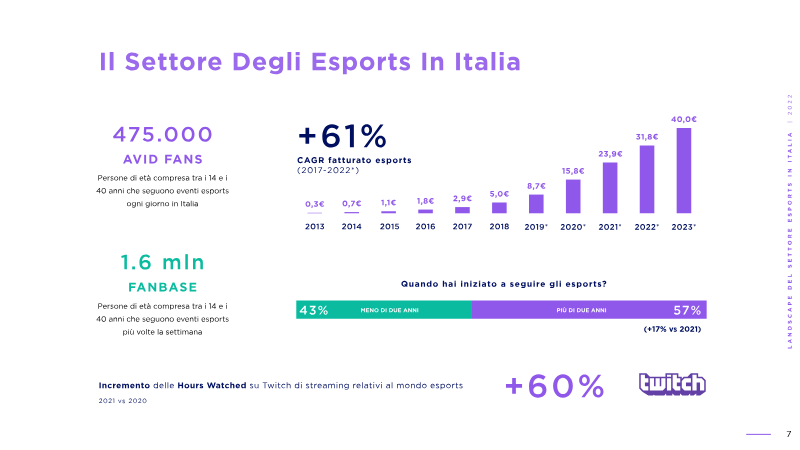
The 2022 landscape analysis of the Italian esports sector provides a comprehensive evaluation of the industry’s economic impact, stakeholder perceptions, and market growth.
- The Italian esports sector generated a total economic impact of 47 to 51 million euros in 2022, marking a 4% year-over-year increase.
- Direct economic impact reached 38 million euros, with esports teams accounting for 55% of that total, while indirect impact exceeded 10 million euros, driven primarily by publishers at 64%.
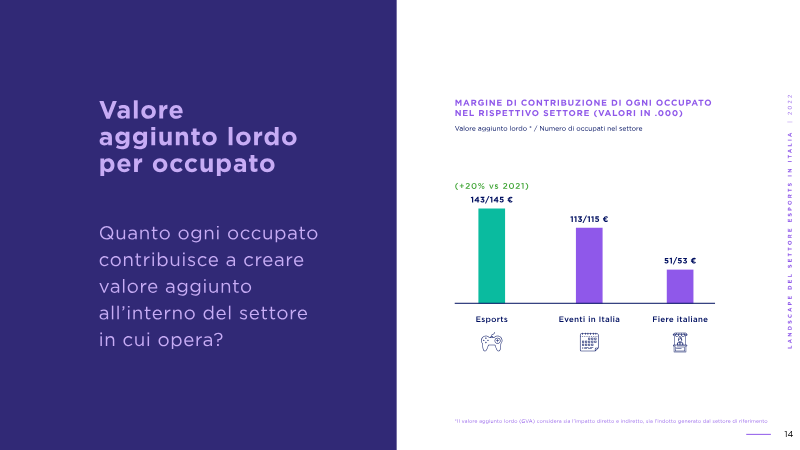
- The industry exhibits high operational efficiency, with a value added per employee ranging from 143,000 to 145,000 euros.

UK Games Jobs Summary: November 2022
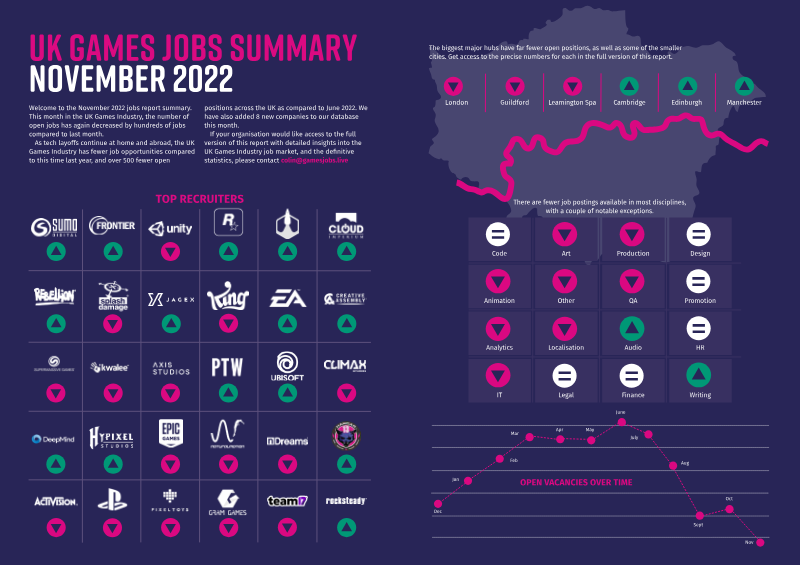
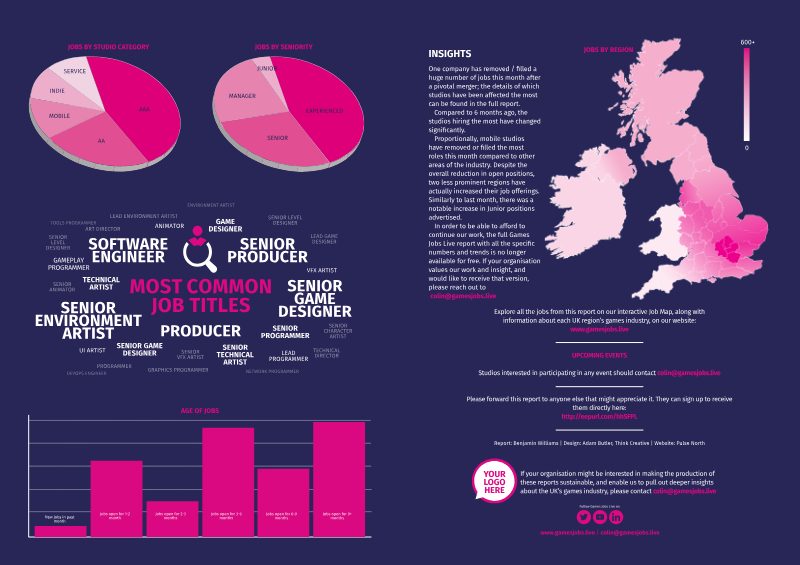
The United Kingdom games industry experienced a notable contraction in recruitment activity during November 2022, continuing a downward trend observed throughout the second half of the year.
- UK games industry recruitment contracted significantly in November 2022, resulting in over 500 fewer open vacancies compared to June 2022.
- Mobile studios experienced the highest proportional reduction in job postings, largely driven by the completion or cancellation of roles following corporate mergers.
- Despite the broader market decline, the industry added over 600 new job postings during the month, and the total number of tracked studios grew by eight companies.

LIVE | Leaving the Game Industry for Tech with Ryan Bullock
The gaming industry is currently experiencing a significant exodus of veteran talent, driven by systemic issues including stagnant compensation, frequent layoff cycles, and a culture of burnout inherent in high-pressure AAA production.
- Veteran talent is exiting the gaming industry due to systemic issues including stagnant compensation, frequent layoff cycles, and a culture of burnout.
- Professionals are migrating to the tech, automotive, and virtual production sectors to secure greater professional stability and higher compensation.
- The loss of senior personnel to other industries is causing a significant brain drain, resulting in a loss of institutional knowledge for game studios.
Video Games Development Industry in Romania – 2022 (Summary & Key Insights)
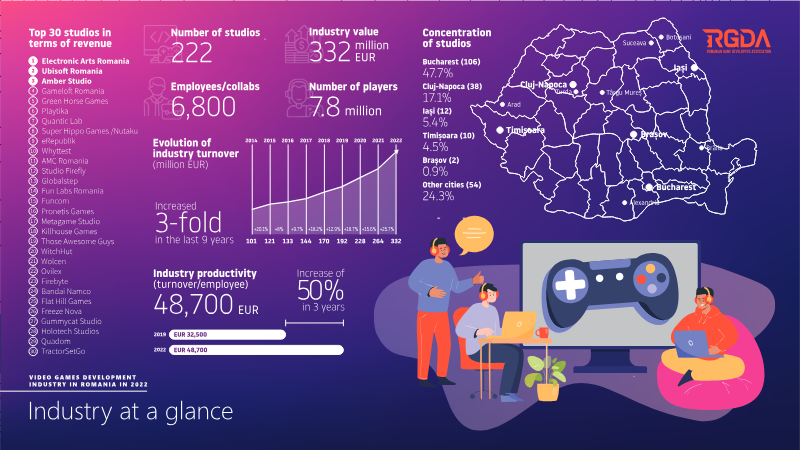
The Romanian video game development industry experienced significant growth in 2022, reaching a total valuation of 332 million EUR.
- The Romanian video game industry generated between €222 million and €332 million in 2022, driven by a highly export-oriented model where over 70% of revenue comes from foreign markets.
- Market concentration is high, with the top three players—Electronic Arts Romania, Ubisoft Romania, and Amber Studio—accounting for approximately 47% of total industry revenue.
- Electronic Arts Romania is the largest single entity in the sector, reporting €106 million in revenue, followed by Ubisoft Romania and Amber Studio, which represent significant market shares of 47.7% and 38% respectively.
Developer Satisfaction Survey 2021: Summary Report
The 2021 game industry landscape is defined by a stark contradiction between record-breaking financial performance and systemic instability for the workforce.
- The prevalence of crunch culture nearly doubled during the 2021 pandemic, contributing to systemic instability despite record-breaking industry profitability.
- Approximately 74% of developers report a lack of equal treatment or opportunity, with less than half believing that existing equity, diversity, and inclusion (EDI) policies are effectively enforced.
- Dissatisfaction with systemic governance and workplace conditions has driven 12% of the game development workforce to unionize.

Annual Barometer of the Video Game Industry in France 2021
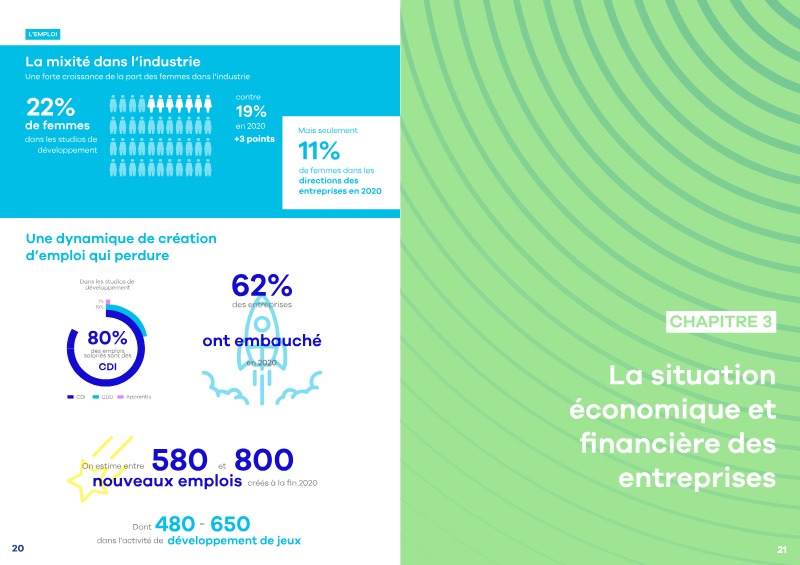
The 2021 Annual Barometer of the Video Game Industry in France provides a comprehensive analysis of the sector’s economic health, employment trends, and production landscape.
- France is the second most attractive country globally for video game development, supported by a strong reliance on national tax credits and regional funding utilized by 41% of companies.
- The industry is highly productive with approximately 1,350 games in development during 2021, 92% of which are original intellectual properties.
- Despite high levels of optimism regarding the market, 36.5% of studios reported a financial deficit in 2020, marking the highest rate of insolvency since 2014.

Romanian Game Development Industry Report: 2020
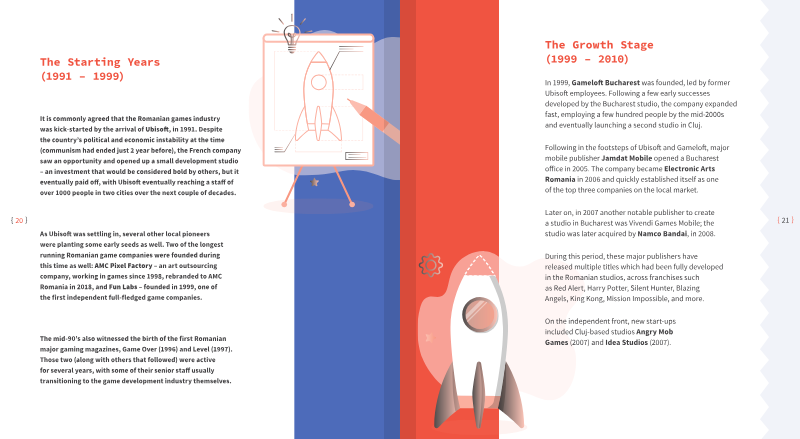
The Romanian game-development sector has emerged as a rapidly expanding component of the national digital economy, delivering €218.5 million in revenue in 2020—a 19.1% year-on-year increase that pushed total earnings beyond the €200 million threshold.
- The Romanian game development industry generated €218.5 million in revenue in 2020, marking a 19.1% year-on-year growth rate.
- The broader IT sector, bolstered by state-aid schemes and tax exemptions, employed over 113,000 people and contributed approximately 6.8% of Romania's GDP in 2020.
- Major AAA support studios including EA Romania, Ubisoft, and Gameloft employ roughly 750 developers in the country, contributing to global franchises like FIFA and Assassin’s Creed.