Retention reports and market data
Documents
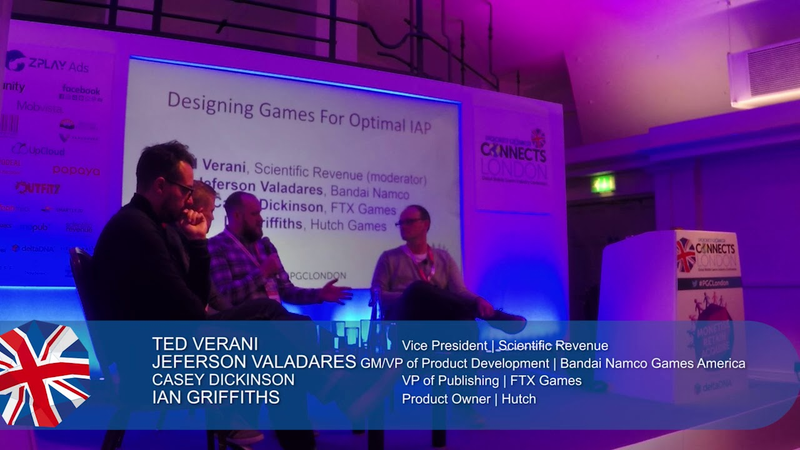
Designing games for optimal IAP
Successful free-to-play mobile game design necessitates the integration of monetization strategies directly into the core development process rather than treating them as secondary additions.
- Monetization must be integrated into the core development process from the start, as retrofitting revenue mechanics into an established game often degrades the player experience.
- Long-term player retention is the essential foundation for any revenue model, as games unable to maintain a consistent user base over several months cannot effectively monetize.
- Developers should adopt a live-service mindset, utilizing continuous content updates to evolve the game and maintain engagement well beyond the initial launch.
Mobile gaming: Been there, done that
The mobile gaming industry has experienced exponential growth since 2009, with app stores now hosting millions of titles.
- The top five apps on a user's device capture approximately 90 percent of their total screen time, creating a highly saturated environment where most installed applications struggle to gain meaningful engagement.
- Market dominance is increasingly held by established titles, as data shows the most successful games are often several years old rather than new releases.
- Retention is a more critical driver of success than initial acquisition, particularly because the cost of acquiring a new user significantly exceeds the cost of retaining an existing one.
Candy Crush Saga and longevity and innovation
The modern gaming industry is undergoing a fundamental shift from a model defined by fixed, boxed product releases to one centered on long-term, living services.
- The gaming industry has shifted from a model of fixed, boxed product releases to a focus on long-term, living services where the majority of commercial activity occurs in established titles.
- Successful management of live-service games requires a shift in organizational philosophy from a 'movie director' focused on a single launch date to a 'television showrunner' managing a multi-season narrative.
- Studios must prioritize institutional knowledge over short-term 'rockstar' specialists by adopting collaborative models that emphasize mentorship and continuous internal expertise development.

FUN vs MOTIVATION ?!? - Psychology and Gamification - (Must Watch!)
The relationship between fun and motivation is a central concern for game designers, as these two concepts are distinct yet deeply interconnected.
- Motivation is the primary driver of user action and is more critical than fun, as it is the necessary force that compels a player to initiate engagement with a product.
- Fun and motivation are distinct concepts; an activity can be inherently fun without being motivating, or highly motivating without being inherently fun.
- Fun is primarily generated through the state of flow, which requires a precise balance between a player's skill level and the challenge of the task, supported by constant feedback.

Getting Players to Care: Using Narrative to Drive Retention
Narrative-driven design serves as a primary engine for player retention in mobile simulation games, particularly when plot progression is deeply integrated into the core gameplay loop.
- Integrating narrative progression into core gameplay loops, specifically through mandatory story gates and character arcs, achieves an 87 percent tutorial completion rate.
- Consistent weekly narrative updates are critical for retention, sustaining a 71 percent one-day retention rate and a 33 percent monthly retention rate.
- Narrative content functions as a monetization driver, with 63 percent of users engaging with premium quest chains.
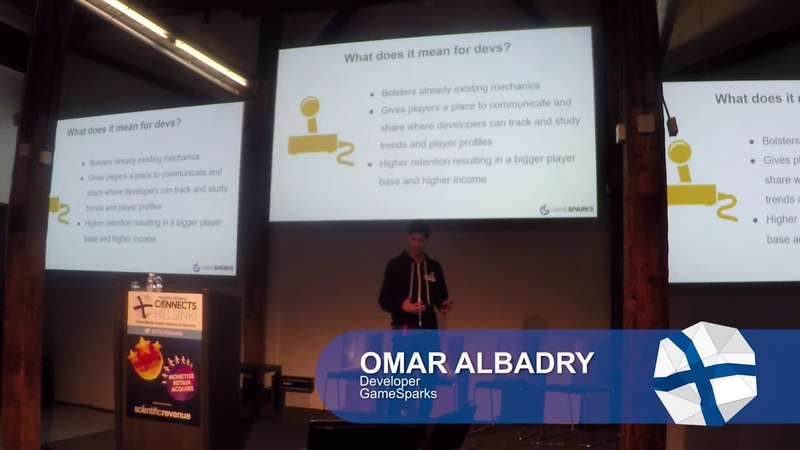
Driving engagement and deepening communities – A guide to social/multiplayer features
Social and multiplayer mechanics serve as essential drivers for player engagement, retention, and monetization in the modern gaming landscape.
- Social and multiplayer mechanics, including leaderboards, guilds, and competitive challenges, are primary drivers for increasing player retention, engagement, and monetization.
- Integrating social features directly into the game environment allows developers to capture behavioral data and player feedback that would otherwise be lost to external social media platforms.
- Replacing static AI with dynamic human opponents fosters deeper emotional investment and encourages longer play sessions through a self-contained ecosystem of competition and inspiration.

Lifetime value for mobile apps
This discussion explores the methodologies and strategic applications of Lifetime Value (LTV) modeling within the mobile gaming industry.
- Lifetime Value (LTV) serves as the primary predictive metric for determining sustainable customer acquisition costs to ensure paid marketing efforts remain ROI-positive.
- Industry strategy is shifting from basic Cost Per Install (CPI) metrics toward Cost Per Action (CPA) models, which optimize campaigns by targeting high-value behavioral milestones like tutorial completion or PvP engagement.
- Effective LTV modeling must move beyond simple retention curves and average revenue per daily active user to incorporate organic uplift (K-factor) and specific in-game events.
Organic high-value user acquisition
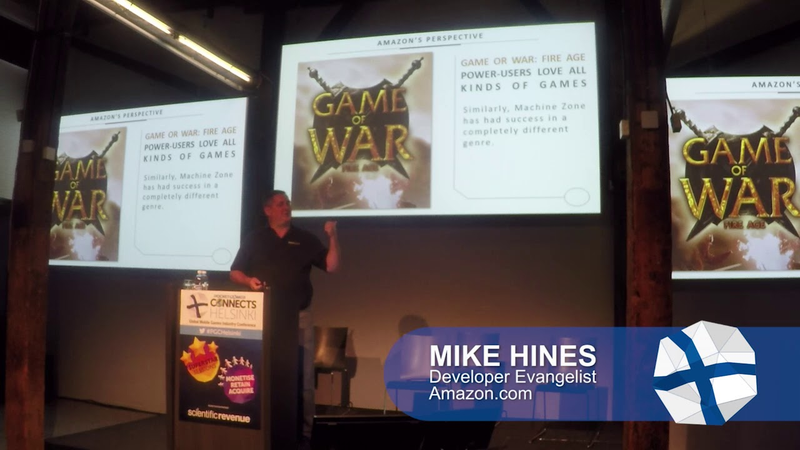
This analysis examines strategies for identifying, acquiring, and retaining high-value users—often referred to as power users—within the mobile gaming industry.
- Power users constitute less than 0.1% of the total player base but generate a disproportionate share of revenue, frequently spending over $200 per month.
- High-value users typically concentrate their spending within only two specific game titles, demonstrating extreme loyalty rather than broad-market engagement.
- Developers should shift monetization strategies away from addictive mechanics toward identity and social status, offering elite items that allow players to signal achievement.
The power of audio
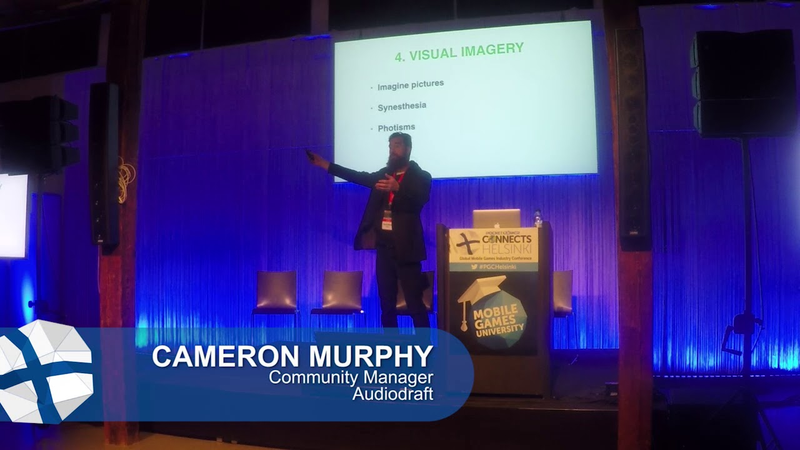
The primary purpose of this analysis is to demonstrate how game developers can leverage the psychological power of music to enhance player immersion, increase user engagement, and drive monetization.
- Music functions as a sophisticated communication tool that directly enhances player immersion, engagement, and monetization rather than serving as a mere aesthetic afterthought.
- Developers can trigger specific emotional responses through six core psychological mechanisms: brainstem reflexes, episodic memory, emotional contagion, visual imagery, evaluative conditioning, and musical expectancy.
- Scientific research confirms that audio exerts measurable physiological effects on players, including changes in heart rate variability, task performance, and spatial perception.

How to combine user engagement and monetisation
The integration of rewarded video advertising has emerged as a cornerstone strategy for balancing sustainable monetization with player retention in the mobile gaming industry.
- Rewarded video advertising serves as a primary strategy for balancing monetization with player retention by utilizing an opt-in model that maintains neutral or positive engagement.
- Successful ad integration requires planning placements during pre-production to ensure they function as a core design element rather than an afterthought.
- Rewarded video adoption rates range from 30% to 80%, with higher engagement occurring when rewards are perceived as essential for game progression.
Agile live services – The secret sauce to building a long lasting mobile game product
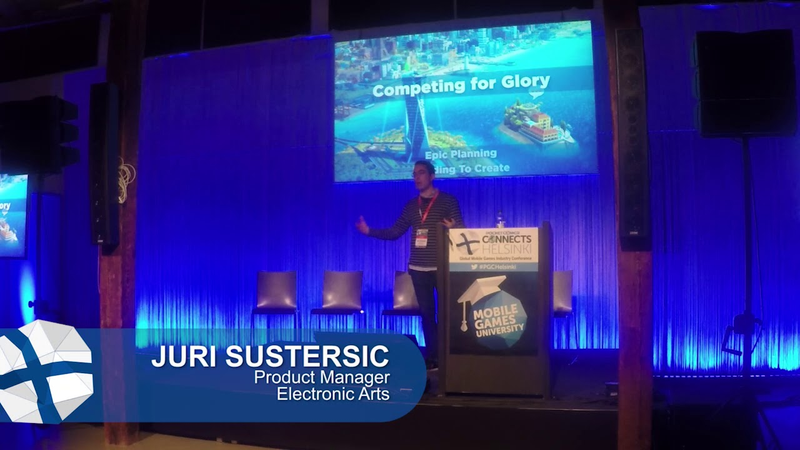
The primary objective of live service management in mobile gaming is to extend a product's lifecycle by transitioning from initial qualitative design assumptions to data-driven, quantitative iterations.
- Live service management shifts mobile game development from initial design assumptions to quantitative, data-driven iterations that treat the launch as the beginning of the product lifecycle.
- Long-term success in free-to-play titles is exemplified by SimCity BuildIt, which has maintained sustained growth in both engagement and revenue since its 2014 launch.
- A/B testing serves as the primary methodology for optimizing monetization and gameplay, allowing developers to refine pricing and mechanics based on actual player behavior.
Losing Player Trust - The Data Dilemma - Extra Credits
The gaming industry’s heavy reliance on absolute metrics—such as revenue, play time, and review scores—often masks long-term declines in product quality and consumer sentiment.
- The gaming industry’s over-reliance on absolute metrics like revenue and play time obscures long-term declines in product quality and consumer sentiment.
- Short-term financial gains from aggressive monetization often mask the erosion of brand equity, creating a cycle where the loss of a loyal player base eventually outweighs the benefits of marketing spend.
- Developers should integrate 'soft data'—such as relative, positional, or ordinal scales—to track subjective qualities like player trust that absolute numerical values fail to capture.