1 free read left. Create a free account for unlimited reading + AI research.
Create free account
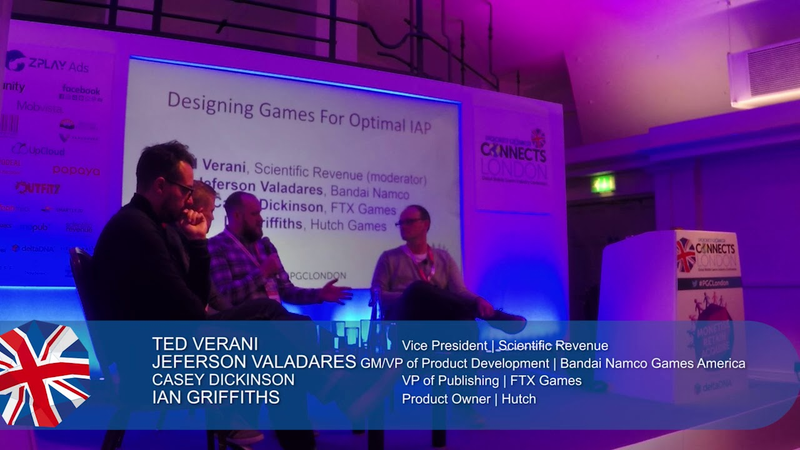
Designing games for optimal IAP
Key insights
7 takeaways- 01Developers should design for a broad demand curve, potentially using hybrid models like subscriptions to provide value to both non-paying users and high-spending players.
- 02Long-term player retention is the essential foundation for any revenue model, as games unable to maintain a consistent user base over several months cannot effectively monetize.
- 03Developers should adopt a live-service mindset, utilizing continuous content updates to evolve the game and maintain engagement well beyond the initial launch.
- 04Design strategies must be audience-specific rather than mere replications of existing hits, catering to the unique behaviors of the target demographic.
- 05Implementing flexible UI and merchandising systems is critical to allow for post-launch adaptation and optimization.
- 06During the soft launch phase, success should be measured through behavioral KPIs—specifically average revenue per daily active user (ARPDAU), conversion rates, and repeat purchase patterns—rather than absolute revenue figures.
- 07Monetization must be integrated into the core development process from the start, as retrofitting revenue mechanics into an established game often degrades the player experience.
Ask AI about this video
Transcript
[Music] [Music] so my name is Ted Ronnie I am ahead of his dome for scientific revenue maybe you saw me talk a lower layer here today we do down at pricing for a net purchases so using machine learning technology deep knowledge of behavioral patterns what we're trying to do is we'll actually player comes a game we segment in real-time we match the right price right time right location for the players but before we can actually help you with pricing this karma this conversation is not about pricing you need a game that works right and that's today's topic you know designing a game for optimal IP because excuse me not making a purchase you know that's not a pricing problem at all right you know
it's problem with the game it's not quite getting a compelling enough and you know that's hard to do you know it's takes too deep knowledge of you know you know virtual game design its you know the store friends the players psychology UX you know a whole bunch of us so I think we're fortunate to have three experts on the subject all of them with experience in you know designing and building games and owning games from for their companies so let me let each of you first introduce yourselves your company and maybe talk about you know game you're working on or maybe you're just most you're proud about hello I'm Ian Griffiths I am a product owner or game director at hutch and I'm currently working on a new resume which I can't say just under thing you're most excited about super excited about in case awesome and I previously about six months ago at North game called top drive which was a CCG based car game and we mostly focus on automotive racing titles Casey Dickinson
I'm the general manager of FDX games we do IP based games we worked with the Hunger Games Mission Impossible rocky most recently narcos cartel Wars based on the narcos license we have a handful of additional projects that we're working on right now using a combination world-class IP and third-party developers we pair those two together and then pour money into the top of the funnel and then split it through our partnerships hey Jefferson well DARS and the VP of mobile for Bandai Namco I mean most people know Namco for pac-man and lonel are people realized they were like the number six mobile publisher and award by revenue mostly because it's invisible in the West because we make a lot of our money in Japan but you know we do have games that were here like a Dragonball talking bateau it's the biggest example that you know does success here so we kind of learning how to across you know our IP tends to be very Japanese do so you know part of my job is try to increase the
non-japanese nests of the companies and that includes IP but also like how to market the games and how to develop message drive the community because it's not different from like how to do things in Japan cool so you know clearly free-to-play great brand new drivers why we're here but you cares first unlike how maybe designing for free-to-play mobile game is different than say for premium or PC title to so since you have the mic maybe starting a few Jefferson and Bandai Namco's of Mike sure okay well then I mean there's really no difference is to say okay but uh no I mean everybody anybody who looked at it like it was pretty different I think the I mean there's I think the main challenge I think is the fact that you know when you do a premium game like you're already you get the commitment from the player from the beginning because they're ready buying so they were in committed to kind of learn and you know your tutorial came in your tutorial can be bad because they're
gonna go through it because they paid for it so they're gonna learn and you can make a lot of you can have a lot of issues with your game that the gun is so dear true because they just paid 60 bucks right like so that that's kind of like what you get for free and when you do premium on okay so free-to-play like it's the opposite like they they come to your game like do I even want to look at this and they look at it it takes you long to load or if they don't understand what the first button is like yeah they look at their art and it's not what they want like a yeah so you basically fighting what every step to convince people that you know that this is worth their time and you're not competing just against other games but they're also competing against they could be on messenger they could be texting other people they could be mr. Graham like there's so many things people could be doing in their device and you're kind of competing with all of that so yeah it's about like being I think the key word is like I don't have a purpose like everything you have in the game you seven purpose like II gotta be lucky there can't be no accidents lucky everything needs to be there for a reason so for that point of view like I
think the word design is like perfect for this guy's like relates those things are way more designed and premium games okay okay so you I worked at Sony Online earlier in your career - so if experience in both sides and come on uh yeah so I started in the industry about 15 years ago and the original EverQuest back in the day for Sony Online and one of the positions I had towards the end was was launching a game called free realms and free realms was an original F free-to-play game in the Western market and that was just starting to expand and the way that we were kind of approaching it at the time was was where do we put this walled garden where do we put the how what do we want to go wide and deep but like where do we make the line between free content versus paid content and how do we monetize that and I think that there's still a lot of learning along those lines I think that there's you want to present value to players you want to give this enough of a free experience always of course to keep people engaged and retained especially with multiplayer games our narcos game
for example has a critical mass of players if there's no matchmaking free players than our whales won't stick around but we're still very much a whale driven economy where the majority of our revenue of course is coming from that that a couple of percent of players that are spending tens and twenty thousand dollars so it's a it's always a balance and I think that what he was saying which makes it makes a lot of sense to really have to constantly be thinking about the player experience room creating value for free players while being cognizant that they can expand their experience by by giving us money and and there's interesting ways now that we're still in the nascent stages of free-to-play for for all intents and purposes we're exploring new ways to kind of doing that things like subscriptions that are coming is that does that make sense in the context of free-to-play games is this even a sustainable model right how many you know users how many whales can we use and is that predatory at all thinking about would it be great to take a little bit of money from a lot of people rather than a lot of money from a little bit from a few people those are
the things that we think about yeah yeah from a design perspective it's it's very fundamental right I mean it's as fundamental as whether you're picking a first-person camera or third-person camera kind of down to genre or input and it really has to be at the base of the game from when you're designing it that you need to think about the free-to-play experience and how you how you build in whether it's kind of a more attention based progression model or more or a more casual type that isn't paying for that obviously that kind of dynamic around whale was based on how well heavy your game is you need to be thinking about all of that but yeah I mean free-to-play is very fundamental that's what you're doing okay so you're kind of continuing that theme I guess maybe sticking with you here and working back you want here everyone else but like what then went from design perspective what would be your list of do's and don'ts when you get started on your building in your game mmm I mean it's tricky right every game is going to be somewhat organic as you develop it
but there's always a set of rules you're gonna follow and you really need to make sure that your your game has a long game if you want to build a strong monetization model I mean essentially if you've got good retention and a decent game that can be played over a number of months you can basically turn that into monetization and of course there's the other side the sort of hyper casual where your focus more on an app base model but how to be much more tending to focus on this this sort of longer game retention model and I think the do's I mean you've really just got a touch on what it is that you want your player experience to be kind of how you're building them into go into the game so that they're learning the core loop the core gameplay and then how they learning how that falls into the metagame making sure that they experience that so that you can find points at which to deliver the most valuable content to them okay you know what point will then mana zation come
into is that like later if you're gonna have got these we're at the content kind of figure out the concept where use it you know right in the beginning you're figuring you know ask that aspect for a free to play from a design set yeah from a design perspective we're always in a little bit so very early on right I mean initially when we kind of do prototyping so I put our game after six to eight weeks and we'll see the retention coming in and then based on that and then some internal testing we'll think about what we can do to develop it but like I said if you've got retention and you think you can build a long game you can generally build some kind of monetization model in a similar kind of different ways to the old monetization and what's interesting is in terms of you know when you when you deliver monetization to a player there's so many different ways that players spend through the game some players will spend twenty minutes in some people will wait months and months you basically got to hit all of those points and make sure you're delivering the sort of value and you're hitting them with the right office at the right time okay okay see where your do's and don'ts for designing
or our business model is a little bit different and in that we take existing games usually in existing game engines that are already performing in the market and then we bring IP to them so in in large part we're not taking a whole lot of development or design risk we're looking at things that work and we know that those things work one of the things that I would say is that knowing your audience and knowing the demographic for the genre that you have is super important things like slots you can't necessarily expect somebody to monetize in that first session but you still generally want us to to give if somebody wants to give you money make sure that you're there to take it kind of thing so that there's always an option to to convert a player and to monetize that player kind of no matter what they're doing if they want to get just a little bit deeper into whatever experience they're currently having in the game give them the option to give you money to do that because you're just missing those opportunities like you saying there's there's the vet depend the player characteristics for that particular segment they might have an entirely different curve and then start thinking about okay this type of person
we've seen in the past that these types of people are monetizing at X point let's make sure that we're presenting them with value at that point and understanding that the more that we can cater those offers and that that package to that particular players had the better off we're going to do so in a high-level from a genre perspective kind of know the audience that that's there and on the micro level know the internal segments within your game that that and hit them with the right points that makes sense and what you know and is that chain you mentioned you know I know narcos you work on and FTX you know you focus on doing IP you know I'm game students that change because of the brand involved where is that just would you say just in general sort of I think it does one of the things that we noticed from narcos that you know we started looking at kind of our players that were you know we took a deep dive into our players that were monetizing in the biggest way so taking a look at our whale so what's what's the characteristics of them what we found was a lot of them it was their first game in the genre like we introduced this genre to a new audience because
they came in through the narcos brand so that's an entirely different dynamic altogether rights and they're like all the sudden they've never played a game like this and then that you know I'm you're later they gave us $20,000 to play the game it's kind of crazy right but introducing them and expanding kind of the the market through IP has been something that we've been doing but the the fundamental is the golden ratio of just LTV CPI and knowing that you know IP lowers one and raises the other and it gives us the the right mechanic jeferson do's and dont's yeah I think the key like you know starting from the beginning like you wouldn't you want to make a game that people want to play so that you know it's kind of obvious but they're doing whatever games are trying to make like so the first thing is like and but it's particularly think critical on free games like why would people play this versus like all the other stuff that's already out there so you gotta you gotta put some thought into that why would people even give this a chance right once they're in like you gotta sell very quickly like what's the what's the aspiration like what are they trying to achieve so like you know again that's game design 101 but it's like more
critical in this type of game like you you really want to get people to understand okay if I put my time and you know money perhaps in this thing like this what this is what I can get to this is where I'm trying to do and this is kind of the dream I have in the game etc like Ian mention like you don't have I mean you gotta be always thinking about monetization you don't necessarily have to design like from day one thinking oh my god this is where I'm gonna say or but obviously got a design a game that is kind of monetizable so that you know if you think about you know a game that can run for a long time a game that a I mean you another big difference is from particularly traditional like 80s games like this games are no and right so like is like kind of like the old arcade style I can just play into the machine breaks and it's kind of like what free to play is Archer like you want you want to make sure the game never ends and that means not just what the initial game is but you know what is the game gonna be a month for now like what his aim is gonna be three months for now so lucky got it you gotta start thinking like is this something I can survey all over time kids like if you can't think of ways to grow it then you know you might be they
might put you in a corner later so the sooner you kind of figure this out so these are the things that were usually like try to think about what I wouldn't recommend is just I guess you know if you're trying to learn it is actually not a bad idea to just copy someone off the game because you can understand like what they're trying to do but you know I think it's easy to there's the effect that happens when a hip game writes the rules right so like people see a game and they because tracked and say oh this is what you got to do if you follow all those rules you're not gonna necessarily get a hit game right it's like it's it's very tempting like we're talking about like hey are what's gonna make a great day our game and say oh no just spit in five years building allocation base technology and then get the Pokemon license and there you go yeah it's so easy like just go and do it right but the yeah it's actually not that like things come together for different reasons every game is different just following some rules is not gonna sell like take you there like it really gotta understand your game like it's nice to like to see what other people are doing to kind of try to see how they got there but honestly even if you know if you know people some of these companies you ask them like why
did your game work and the answer is probably gonna be a little different than what you thought and then you know they're gonna say oh yeah this is like oh I love the system and they're like yeah but didn't really think people would do it but you know they're all over it like that happens all the time so yeah just be mindful that you know you got to build something that can scare you and then you've got to be ready to adapt once that they are a mistake that a lot of people do foreigner Bremen days is like you put your team away once the games live no that's the time where the game starts right so that's when you actually start seeing people play and you gotta adapt and adjust so even from resource planning perspective it's very different from what used to be have you ever had a game where you lunch that you thought wow this is like you know you're all happy with it you know and in soft-launched and lunch and just actually really believed there was a really great game and just to not do well in terms of monetization and you were you had just what do you do at that point did you you know new team did you just say or maybe if you have a personal experience of taking over a game that yeah I guess the company still believed in but you wanted to kind of reboot it it's an interesting question because usually can't see those things the soft
launch is different it's difficult for you to like really see and I mean I guess you can fool yourself but like the signs were probably there already like I've definitely seen times where people like you know buy time pressure or whatever they end up releasing the game which is not ready but it's not that people didn't know I don't recall seeing at least that but yeah yeah we we've had I think this room is probably filled with a lot of people that had misses the industry is full of misses so we did a Power Rangers game and our bet was that they're rebooting the franchise and they were gonna make it a little bit more skewed a little bit older so we created a trading card game a card battler that kind of skewed a little bit older hoping to have a nostalgic kind of Power Rangers feel to it and have some people kind of come in the door got tons and tons of organic traffic of kids just installing the game not knowing how to play it and just uninstalling it was again knowing your audience and from an IP perspective knowing who that audiences than properly messaging the
game but yeah there's there's plenty of stories like that okay I've just we thought it was going to be one thing and then we just couldn't monetize and yeah I mean failures are hard and sometimes they're difficult for the team I was working on fable legends previous to coming here which was shut down didn't get the launch which was you work on something for three years and then somebody comes and kicks over the sand castle and you're just kind of like no so you do have to kind of learn to deal it with deal with it from a cultural point of view and but there's always you always learn something from it right and I mean in terms of like taking other games I mean I took over Geoff's EA fifa superstars with me about that Playfish and yeah I mean just left you a map we reordered the economy and and wasted things here and there but there's always things that you can double that develop from a game as you get more and more information going on okay yeah it's actually really good point like one thing that's really useful for a game that's been successful or sometimes when it's starting to go down like one thing that can really help is give to give it to another team
because like that team's gonna have fresh eyes and look at it again like because you know once we didn't game for like two years and you think you've done everything you I mean whatever ideas you had you've probably tried already right and that's why it's good to like to kind of oh I'd get that movement and get I mean that's something we do a face right we would often get new new eyes to come in and take over and people would always find new optimizations over over previous iterations yeah and yeah we're clearly we can always learn from my watch and other people doing I think yeah after you said you know find some game and copy it and doing well but with that in mind not just talking game but what you know if you know what you know it's sticking with you still and we'll move back what game out there you know a couple of one three that you've seen that just really impressed you in terms of how they design their monetization and it gets more from point of view we can all study that I guess I mean it's a bit of a no one but okay clash Royale and they just had such a it just kind of reversed the the way the Mets game goes so rather than stopping you playing I feel obviously energy mechanics were
very big while ago and they still use and they kind of flipped it around they didn't stop your playing they just stopped your Mexican progression and the way they monetize out there it's really good and what we're seeing that's quite interesting now is the you know a bit of a return sort of touch controls with Arena of Valor we're seeing some more sort of more hardcore even the mid core and monetizing very well so yeah I mean there's lots of new trends coming out there yeah we're interesting and HQ trivia as well that seems to be like an interesting new thing of this kind of streaming question this there's always interesting new models that just pop out of nowhere and it's always good to keep an eye on them yeah yeah okay any games I sort of stood out that you're just impressed with and you know and maybe why you're impressed in you environment I certainly and you know clash Royale and supercell is obviously doing something right um I think we're looking at because one of the things when working with IP is how can we tell you know additional stories based on an IP we don't want to recreate
narco seasons 1 2 3 we want to create additional stories around it so one of the things that we've been looking at is pixel very episode interactive and the way that they're monetizing content is really interesting to us when we did our Hunger Games game it was energy mechanic and it was you know it was narrative based where you're playing but we stopped people's content content progression they'd have to wait or ask a friend or do any of the or pay the way that you allow people to progress but not to get the full experience to keep some content behind the velvet rope and entice people to kind of to go do that while you can still play the game is really interesting to us and keeping an eye on that genre in particular yeah me personally along kind of started telling games so I was actually gonna say that so thanks for stealing mine I like them more more but the fact that they proved that something can be done then necessarily mechanics I think the mechanics average in one type thing like I think you can do a lot better than that but like I I really like that they prove that you know there's a market for
that kind of stuff if you if you know what they're doing and I think there was yeah so I'm very happy for them you know I picked a very very close to us in the Bay Area like the great guys and yeah they I it's it's been it's amazing loud a lot of things you know like stories I mean I've been in mobile for 12 years and you know back in you know mm or whatever like if you told somebody gonna make a mobile game that was about text people would be like beating with the heads like crazy and get out of here and who wants to read in their phone but you know that behaviors change like sometimes even if the device didn't change like people's behaviors change people actually didn't use their phones their primary ways of like looking at media today right so they don't watch people said our people never watch a high-end video on their phone because they're gonna wait until I get home and watching their HDTV no it's like I would you know I was flying there's a lot of people watching stuff on their phones it's not even on an iPad like the so it's a that really changed and that's why I think people even read on their phones and everything now so they do a lot of things that weren't possible become possible and you know the the
audience changes well and what like looking at like what mother money you mentioned in trivia terms of monetization trends to any other mosz a shunt regulator interesting encasing guy to jump whenever you want yesterday yeah yeah I was gonna say I mean like the episode and choices think it's like one example of something there wasn't I wasn't really happening until recently and now it is I'm really excited about like things like design home which is you know like a very known game game but you know like it the super Wow shoe because it's it's a different way of monetizing as well and you know they have partnerships with the the furniture makers and stuff so they you know there's there's a lot of exciting things you can do if you if you find the right hook and you execute well like I still think there's a lot of what you mentioned it's to early days or free-to-play and I I agree that so yeah there's to like I'm sure there's to plenty of ways to find different to the different things that we haven't figured
out yet yeah and I was just gonna say say I think what's going on it's more that people are learning to optimize the experiences that they have we're not seeing so much new stuff I mean like new stuff does crop up but then I mean mostly it just seems to be people kind of figuring out how the event system works or how this of clan system works and then finding good ways to get sort of reciprocal play and then monetization of that that seems to be where I see a lot of monetization doing okay yeah I I would love to see premium games have a be economically viable um I don't see that it is yet I'd love for somebody to find a solution to that I'd love to see somebody figure out a way to make subscriptions work and in a real way that's not dropping into some sort of content crucible where you're constantly having to turn out content for your subscribers to give them value but creating some sort of repeatable value that they can have that can be
done certainly through offers and on hard currency and things like that but I think that there's room to explore and into those those channels as well we're on glide by subscriptions just to kind of keep on that because I was like yeah last year last year right Apple was really you know pushing it pretty hard in the up people rise apples gonna make subscriptions available you know and then it just goes like a knee-jerk sort of apples makes the conditioner available waiting to do but then you haven't really seen much around that here's my yeah I've seen I've seen I think that the first thing people tried you know it's kind of obviously like the camp like VIP clubs and they have like some of these things that you can do yeah I don't think I don't know that anybody did something particularly different and like that you know they're really increased if I do but there's I think there's something there true for example like I think there's people need to try that more and tried fine also you know I know your audience like some people are more willing to do a subscription than to be you know free to play like some song sometimes people have that you know bad feeling about free to play like oh my I'm spending you know like why is the game asking me for more money just give me upfront you know maybe they're more willing to do a subscription so maybe for like a more
core type audience subscriptions gonna be better than if you're just talking about like traditional category yeah there's there's different areas still they need to be further explored for sure and I'd say and on the flip side of the subscription you know typically when you kind of look at what subscription worked on PC kids titles did right as a father like if I knew that I could just pay five dollars a month to give my kids like a Club Penguin subscription that was relatively easy I knew exactly what they were gonna get and would be you know relatively painless I just set the reminder to remember to check they're still playing at once so you can unsubscribe but I think the kids market is also interesting because for us we can't approach you know they're the economics of doing it kids settles just there's great kids IP and we just can't touch it because it just doesn't fit our model so if there was a way to increase LTV and actually monetize kids through a way that was safe and parents supported it we'd be all over it so you're telling it can make like narcos for kids we saw
I mean yeah animals yeah we we saw subscription obviously pick up begins of word Warcraft right so it made a lot of money on one PC and a lot of different games sort of chased that model you know there were some flops I think it was APB or something that didn't do too well but I mean subscription still isn't like the main driver on on PC it's still premium paid and I think one of the strengths of free-to-play is that you you give people an opportunity to spend according to their according to their means and how much how much interest they have in your games when you've got a subscription it tends to be a limited price like what you should do is do what are you saying like make it free with an option of subscriptions because like you can't let you subscription is for us then yeah that's not gonna work yeah it needs to be like a hybrid from what used to be okay I mean is is is a possible model it's probably a good way to get it's probably a good value proposition for
some the smaller end of the scale they're gonna be spending can you have additional IPS within a subscription game I think you don't my safty yeah right yeah yeah yeah be think about for the players like you're really trying to monetize the demand demand curve or I could if you if you studied economics you know what that is but like this is like you know before it used to be you had one price and then you sold X units like wheat for the plate what it really enables you is to you know sell something like a lot of units at zero and then sell some units at one like you know two five ten dollars hundred dollars tens of thousands of dollars so I think that's the the what these games do that makes them successful is the fact that they and you got a plan this by the way like don't don't let this be an accident but are you really gonna think about like okay how can I give enough value for somebody to never spend money for somebody to spend five dollars if they want to if they only have five bucks to spend how can I make them really happy about those five dollars right versus going to the movies or more other things they could be doing with the same amount of money and if you if you really like think about that that those games are the ones they end up having the people who end up spending a
lot because you know if if what what trust me nobody would put $10,000 in a game if they didn't feel it was worth it like it well maybe some Middle East's like a oil person maybe you might do it but you know like a normal people wouldn't put themselves in the game unless they really liked it right like the experience think they got something out of it for sure we did a panel like one conference in SF the other day with like a couple of wheels from game war and you know everybody came to the thing singing you guys idiot and they're like guys don't worry about me I have a business I make a lot of money and don't worry about me like I spend this we get a lot of enjoyment we get to get outside of the game we point stuff we go out on the weekends with the team and do all this stuff and you you're like oh okay it's a thing yeah but you know sometimes you can have that attitude because you're not part of the system in can just say yeah whatever right but it's not you each you shouldn't discount those games just because you don't understand them try to try to understand them I mean is somebody who's done monetization design when I see stuff like Netflix I'm kind of I just got to look at it in the money that they're leaving on the table like this is so much more they could add on to the
experience that they could kind of drive additional revenue for and it's a good baseline but there's always room for more money oh why okay so you know we're we do pricing right you know and we kind of sort to levers to pull we can pull like in a storefront no means we change prices there with war you know someone doesn't go to storefront and we'll interstitial or some sort of splash screen right no that's how we get kind of maximum lip now it's surprising some games we've worked with that it overall kind of monetize well and had good traffic but then they had no UI built in for doing price based offers you know of course we were disappointed because black Hill didn't go there but wizard is a reason why you would not do that or is that just an oversight for me no I think game makers like Don realized many times like how much UI and in really with a lot of free play games is like 90 percent UI but you know traditional games used to be there's a game and then there's this thing you outsource to so yeah some marketing agency was gonna make the menus rights like that that's how alike he was like in console days and so I think a lot of people underestimate being the UI and how
flexible and like like if you wanna like really make a difference like yeah you gotta have like a system that is flexible that it can do all the things you're talking about like a merchandising right like it's it's critical like to maximize them you can we can be successful without them but like if you really want to like extract the maximum you can from something not leave money on the table you really should be able to have all those things yeah it's some games we have a 60% of the players and everyone to the storefront and there they showed engagement you know signals that said they liked the game and they might have you know they just didn't think to go buy anything and what one of the things that that we've seen from that is that when when you have a game that's operating at scale all of a sudden those tiny levers become very big right they have a huge effect and the increase of one to two percent in an ARP Dow is you know huge when you have a big game that's operating that when you can really optimize with data otherwise if you're a small team your game is kind of in middling and it's not quite getting there there's usually lots of bigger problems that you're trying to solve rather than those smaller problems but
not having the opportunity to provide offers and understand that that I mean if you're designing a free-to-play game that has to be part of the core design experience and I've never worked on a game where people don't underestimate how difficult UI is yeah like UI is quite a difficult thing not just from implementation but the UX design the visual design and yes it people often leave it quite like they think they can the idea after the core experience is there and so sometimes it doesn't quite get the prioritization that it needs I think in terms of designing a store you do really want to make sure that's on your list for how you're delivering stuff space and how you're showing stuff to players and I was watching a video I can't remember which game it was but they said by making when they had their daily reward pop-up and it would take you through to the store to to redeem it and that increased their monetization a few hundred percent I mean I don't know whether embellishing but I mean pushing people to the stories is definitely a worthwhile thing I mean it used to be
the case that on you know people would often say on every screen you want to make sure that you've got some offer or some type of Monica monetization obviously not like mid game play but throughout your UI screen you really throughout your UI menu flow you really do want Quick Links back to the shop okay just tell me you know I'm a pipe I have more questions to keep going but I do you know we have like said experts we're trying to designing games for all plenty P so do want to give some time certainly for questions so I will like now throw that out in the Nike or I can keep asking does anyone have any questions at this point since we have five minutes left for a session going once going twice right feel free to well I'll ask again in a couple minutes too but so we talked about you know designing games for you know I get work in the process at what point you do design yeah but like what KPI is do you guys leave so you got a game in silence what are the KPIs that
you look at I think are most important to say yep it's gonna work let's push girls put it up to you know global launch at this point and so yeah so pre-launch and like I said we're very much interested in retention and retention is such a good indicator for how popular your game is and then basically what we do is we add in new features and we put them out to deploy and we test them and we see how well they do and we do set ourselves and sort of benchmark KPIs that we want to hit around mostly retention and monetization and once we hit those with generally good to go I mean we won't always wait to hit those sometimes very bit ambitious and we're just like the amount of effort to get it that extra couple of percent is it's probably more than we're gonna get from doing it so there's always that cost-benefit analysis but those are always super important and then there's also the the kpi's once you've launched they once you launch your ways like every money I'm always
checking like every stat basically going through I'm looking for any big changes any obvious trends I mean obviously their analytics guys are going to come and tell us of larger trends but I'm always interested in quality of service and health and making sure everything's going well and you're working with timelines I'm sure that has you know narcos seasons starting and things like that too that probably drives launch right you something yeah how's that sort of change go because you had a IP associated to it yeah I think when we initially started doing I P based games or whatever was seven years ago I think that we were much more cognizant of making sure that we were hitting marketing Windows and that would kind of drive so yeah let's make sure that we get the marketing lift for the first you know we launched day in date with the first Hunger Games film we needed that was a hard date that we needed to hit now I think that our perspective and the IP that we try to work with is evergreen so that we are less milestone or deadline-driven and make sure that we give the game the right amount of time for development but we're also not afraid of kind of you know optimizing on production so we we
definitely care about retention from the beginning and we that's you know the first metric that we look at to make sure the game is sticky think people coming back but we also have the luxury of being able to compare KPIs for the game that we're working on versus the source material which was the game that the developer had released before we can make sure that we're getting the appropriate brand lift that we expected so that retention number should be up then the conversion should be up and that of course pairing all of this stuff back to CPI so that because we're such a you a driven organization that we have to make sure that that is profitable for us but generally speaking that it depends on the the time line and then making sure that we're isolating metrics so that we can kind of causality because that becomes very difficult especially at launch when you have a million things that are happening kind of at once what is actually moving the needle and how are we properly framing our a/b tests in order to be sure that we can say that this had this effect then we shouldn't roll it out to everybody else I mean it's it's really useful to try and get a feel of LTV but sometimes it's tricky
because it it doesn't respond very quickly to change it so yeah we usually like this I was gonna mention something similar to that like the like data like having people who understand how to read data is very important and you know sometimes you know you work in large corporation or my experiences working large corporations and there's things like reports they go out and then you know there's executives who read it and like oh we're gonna cancel this game because it's only making this much money in daily revenue I was like well it's in soft launch like we're actually not like you really shouldn't be looking at the daily revenue because that's not what we're looking at right now but even this is like you gotta go educate the teams like okay what are we going to look at we're gonna look at these KPIs it's usually like the normalized ones right so like cord retention you look at like ARP now like a how much how much money per user you're making on that day like what's the conversion of like a new user like the first time somebody makes the purchase like for somebody how ready made the purchase like what's the percentage chance they're gonna make a second purchase so lucky you look at different things which are more specific about the behavior of the player you really don't look at absolutes like even out to be like we don't really look at it at that time I mean we try to make some
correlations but but really we're trying to look at the day to day kind of you know more like month to month kind of like thinking about the game like because yeah if you if you really don't know what you're looking for then you got to make some bad decisions lucky you might have something good in your hands or vice versa you might have something bad in your hands if you don't know what you're breathing or what the data is telling you yeah you can be immature you can go get in trouble does it change once you're live now I mean yeah I mean life it's a you know a little bit more then you can look at revenue yeah things like repeat purchase or the things yeah we look at all of that like even in the beginning but you know usually we don't pay as much attention early on because you know there's not enough people and there's not enough like purchases but yeah we always we start looking at that like maybe month chew or soft orange or something then we start looking at those things through okay question back side do you know of any examples of games that successfully transitioned from
premium to I ap the Team Fortress 2 on PC and not mobile they were obviously paid at first and then I mean valve have been pretty successful with dota 2 but and yeah they've got a heavy heavily sort of loop based economy that you know I mean do it because like we said earlier when you you're building a game you generally build pre to play up from the beginning so if you've built a premium game and then you're trying to sort of jam free to playing there it can be difficult and doesn't always work and like I'd mentioned earlier my start was at Sony Online so it's in the MMO space and if you all recall that the death throes the MMO space where all of these you know subscription games trying to make the transition a free-to-play was the the going joke that that's free to players we're good mmo's go to die I was you know it's it's very hard like we were like we were saying I mean really making sure that monetization is part of
the design of the core game going back and trying to change that especially changing player expectations right so you had players that maybe we're a fan and like the original game and all of a sudden you're giving them a different monetization mechanic it's going to change the way the game looks and feels and chances are it's going to lose the magic [Music] [Music]
Summary
Successful free-to-play mobile game design necessitates the integration of monetization strategies directly into the core development process rather than treating them as secondary additions. Because these titles operate in a highly competitive digital landscape, every design element must prioritize player engagement and long-term retention. Sustained interest serves as the essential foundation for any revenue model, as games failing to maintain a consistent user base over several months cannot effectively support monetization efforts.
Developers must move beyond merely replicating the mechanics of existing hits, instead focusing on audience-specific strategies that cater to the unique behaviors of their target demographics. This requires a live-service mindset where the game evolves through continuous content updates, ensuring the experience remains compelling well beyond the initial launch. By designing for a broad demand curve, developers can provide meaningful value to both non-paying users and high-spending players, potentially incorporating hybrid models like subscriptions to better serve diverse segments.
The implementation of flexible user interface and merchandising systems is critical for post-launch adaptation. During the soft launch phase, success should be measured through behavioral key performance indicators—such as average revenue per daily active user, conversion rates, and repeat purchase patterns—rather than focusing solely on absolute revenue figures. Retrofitting monetization into an established game often compromises the player experience, making early, data-driven design the most effective path toward long-term profitability. Ultimately, monetization functions best when it is a deliberate design choice that enhances the overall value proposition for the player.












Comments