Retention reports and market data
Documents
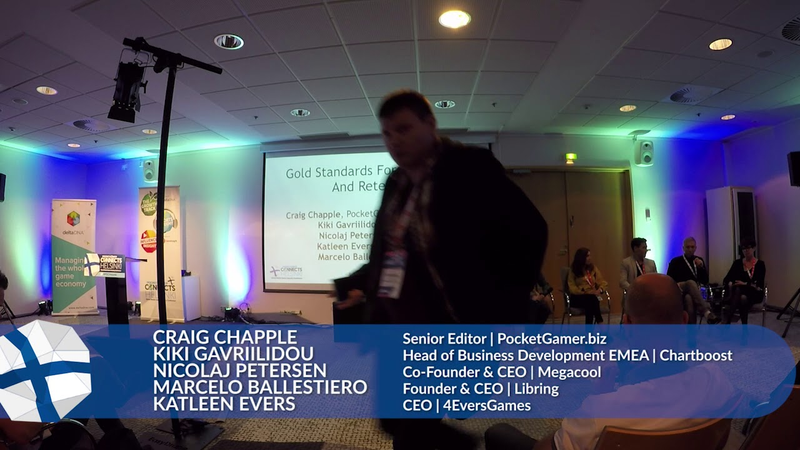
Gold standards for acquisition and retention
The mobile gaming industry faces a challenging landscape characterized by market saturation and rising user acquisition costs.
- Retention is the primary driver of profitability, as high user acquisition costs make business models reliant on high churn rates unsustainable.
- Users acquired through peer-to-peer recommendations exhibit 60% higher retention rates on the 14th day and generate double the revenue compared to those from paid channels.
- Deceptive advertising must be avoided, as misleading creative assets lead to poor retention and negative app store reviews that permanently damage long-term growth.
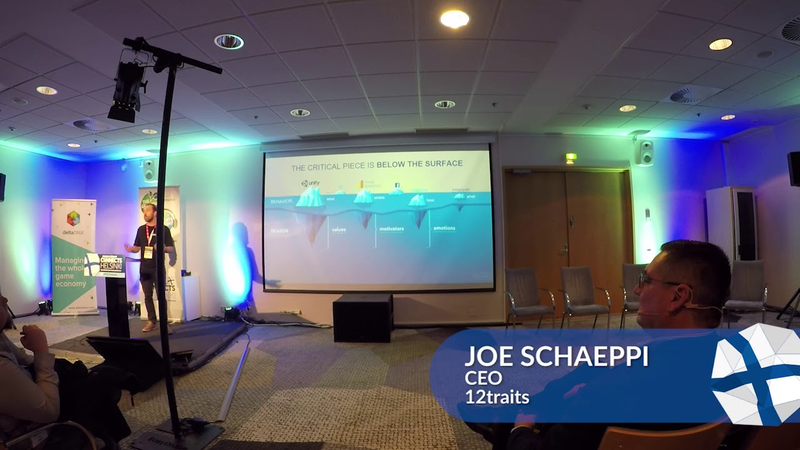
The future of gaming is empathy: The key to retaining players
The gaming industry faces a significant challenge in player retention, often caused by an over-reliance on behavioral metrics that fail to capture the underlying emotional motivations of users.
- Player retention often fails because developers rely on behavioral metrics that overlook the underlying emotional and psychological motivations driving user engagement.
- The game Dungeon Boss serves as a primary example of how optimizing for surface-level visceral appeal can lead to long-term retention failure when core mechanics do not align with actual player needs.
- Developers should shift focus from transient behavioral data to identifying and designing for enduring psychological traits, such as a player's need for security versus competition.
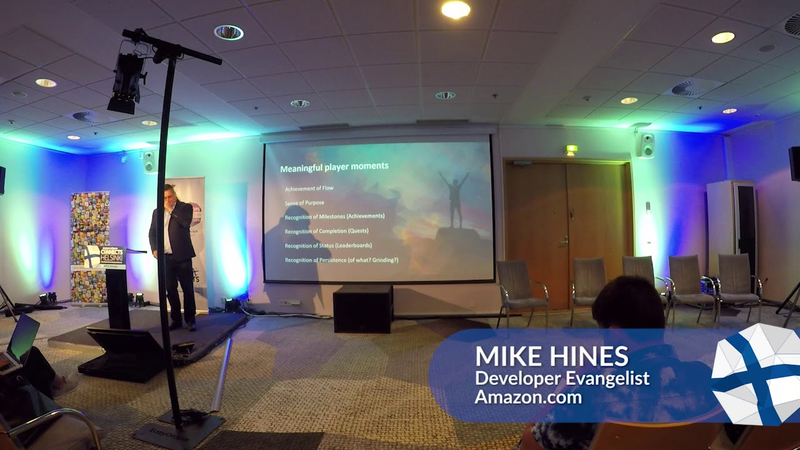
Increasing retention with live game services on Amazon Web Services
This presentation outlines strategies for game developers to improve player retention and engagement through the implementation of LiveOps services.
- Offloading non-differentiated backend infrastructure to managed cloud services allows development teams to prioritize the creation of social and competitive player experiences.
- Server-side management of game variables, such as weapon power and pricing, enables real-time A/B testing and segmentation without requiring client-side updates.
- Retention is driven by engineering 'peak and trough' moments, such as milestone achievements and status rewards, to create memorable player experiences.
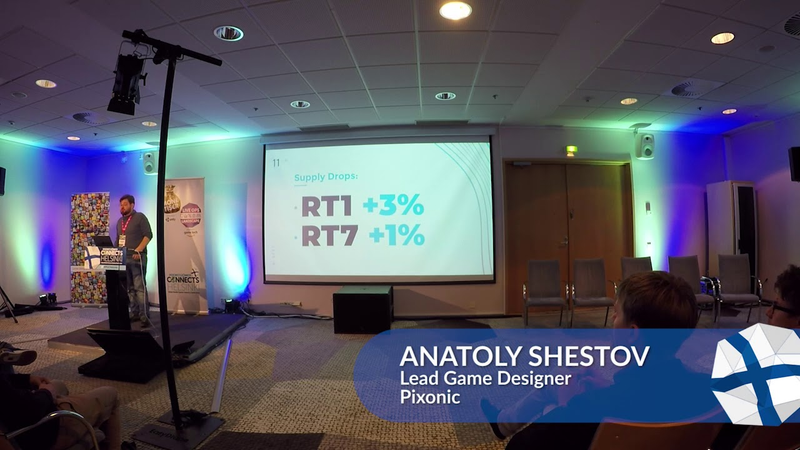
Unity Mobile Business: 5 things Pixonic does to retain users in War Robots
The mobile game War Robots, a cooperative PvP title with over 100 million installs and 1.5 million daily active users, utilizes a data-driven approach to optimize player retention.
- Pixonic increased War Robots' monthly revenue by 10% by implementing non-intrusive video ads that allow players to replenish ad-watch pools and double post-combat rewards.
- The introduction of timer-based 'Supply Drops' successfully increased Day 1 retention by 3% and Day 7 retention by 1% by encouraging more frequent, short-session engagement.
- Implementing a 'Battle Rewards' progression system based on skill-based achievements increased Day 1 retention by 2% and fostered higher levels of competitive play.
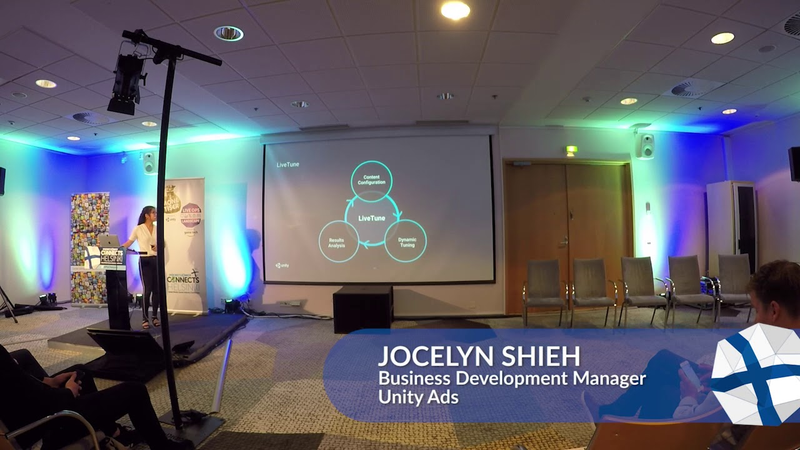
Unity Mobile Business: LiveTune - Increase mobile retention and session length
Unity’s LiveTune platform addresses the critical challenge of device fragmentation in the mobile gaming industry, where over 50,000 unique device models create inconsistent performance, leading to app crashes, frame stuttering, and poor user retention.
- Unity’s LiveTune platform automates game performance optimization across 50,000+ unique device models to prevent crashes and frame stuttering, allowing developers to maintain a single build.
- Case studies show significant performance gains, including a 5 FPS increase and 50% improvement in long-term retention for RollerCoaster Tycoon Touch on Android.
- Publisher Yoda1 reported a 26% increase in day-one retention, a 17% increase in playtime, and a reduction of 200 engineering hours for the game Rodeo Stampede.
The marketing hurdles of hyper-casual games - Acquisition and engagement
Hyper-casual gaming represents a distinct segment of the mobile industry characterized by instant, lightweight, and snackable content.
- Hyper-casual games operate on a volume-based business model where profitability depends on the ability to scale user acquisition rapidly and maintain a large active player base to drive ad revenue.
- The marketing lifecycle for hyper-casual titles is built on three pillars: acquisition via paid media and App Store optimization, engagement through social features like leaderboards, and monetization via targeted ad segmentation.
- Developers must utilize robust segmentation engines to serve high-value, relevant advertisements, as generic ad-spamming is insufficient to sustain the business model.

Why I Quit Playing [INSERT_GAME_HERE]!
The primary objective is to analyze the recurring phenomenon of content creators announcing their departure from long-term multiplayer games, such as League of Legends, Fortnite, and PUBG.
- The primary driver of player attrition in long-term multiplayer titles is natural player fatigue and the loss of novelty after exceeding 1,000 hours of engagement, rather than specific technical or design flaws.
- Technical performance issues, systemic cheating, and poor developer communication are identified as legitimate, actionable grievances that contribute to player departure.
- Complaints regarding game balance are often misconceptions, as developers intentionally utilize 'perfect imbalance' to maintain an evolving, competitive meta-game.

How does Legend of Solgard monetize?
Legend of Solgard, a mobile title developed by Snowprint Studios and published by King, functions as a mid-core, lane-based match-three game that integrates tactical unit positioning with a complex, multi-layered progression economy.
- Legend of Solgard utilizes a multi-layered progression economy that forces resource scarcity, compelling players to make strategic choices about character upgrades and creating natural demand for additional currency.
- The monetization model combines standard free-to-play mechanics, including hard and soft currencies, loot boxes, and time-gated progression, to sustain long-term player retention.
- The game employs a subscription-based model that provides a steady stream of hard currency in exchange for daily logins, effectively driving both revenue and daily active user counts.
Drives: Helping More Players Get from First-Taste to Satisfaction
The primary challenge in modern game design lies in bridging the gap between a player’s initial interest and their long-term satisfaction.
- Developers should integrate Self-Determination Theory with innate human drives like curiosity, mastery, and autonomy to create structured reward systems that prevent early-stage player boredom.
- The 'tend-and-befriend' biological response, mediated by oxytocin, indicates that many players prioritize social connection and nurturing over traditional combat-based mechanics.
- Social and care-oriented game systems represent a significant, underserved market opportunity for developers to expand their audience reach beyond traditional demographics.
For Honor: From a Great Launch to a Challenging Live Period
The transition from traditional game development to a games-as-a-service model requires a fundamental shift in mindset, moving from the delivery of a static product to the ongoing management of an evolving ecosystem.
- Transitioning to a games-as-a-service model requires shifting from static product delivery to managing an evolving ecosystem, necessitating a move from intuition-based design to rigorous, data-driven balancing.
- Maintaining competitive integrity in live services depends on tracking granular metrics, such as win rates and move-usage patterns, across diverse player skill levels.
- Infrastructure stability is critical to long-term viability, as evidenced by the necessity of transitioning from peer-to-peer networking to dedicated servers to resolve post-launch performance vulnerabilities.
Returners and Retention - How to Win Back Lapsed Players
Reacquiring lapsed players serves as a vital, cost-effective strategy for ensuring the long-term sustainability of aging game titles.
- Long-term lapsed players remain a viable audience, as evidenced by RuneScape data showing that the largest group of returning members consists of players who have been absent for over a year, with some returning after absences of over 10 years.
- Passive communication strategies—where updates are shared on social media platforms like Facebook and YouTube without aggressive direct pushing—are more effective for re-engaging lapsed players than high-frequency, conversational platforms like Twitter.
- Content updates that resolve long-standing narrative cliffhangers or address specific player-identified pain points are highly effective at motivating returns, though developers must ensure these changes do not alienate existing players by being overly disruptive.

Get Attention! - The Secret Power of the Pattern Break!
The core strategy for maintaining audience engagement in an era of diminishing attention spans is the implementation of pattern breaks.
- Pattern breaks are the primary mechanism for resetting audience focus and preventing desensitization in an era of diminishing attention spans.
- Effective engagement requires a two-step process: establishing a predictable baseline of expectation followed by a deliberate deviation to trigger curiosity.
- Creators should utilize a mix of small-scale interventions, such as changing camera angles or text overlays, alongside large-scale disruptions like shifts in tone or thematic direction.