Player Behavior reports and market data
Documents

Things I Don't Feel Comfortable Telling You About
The pursuit of transparency in content creation serves as a mechanism for personal growth and audience trust.
- Sustainable success in the creator economy requires balancing personal financial and ego-driven motivations with the delivery of genuine value to an audience.
- Radical transparency regarding personal flaws and limitations serves as a tool to dismantle the curated facade of perfection, fostering deeper trust with viewers.
- Audience satisfaction is the only viable mechanism for creators to achieve long-term personal freedom and financial independence.
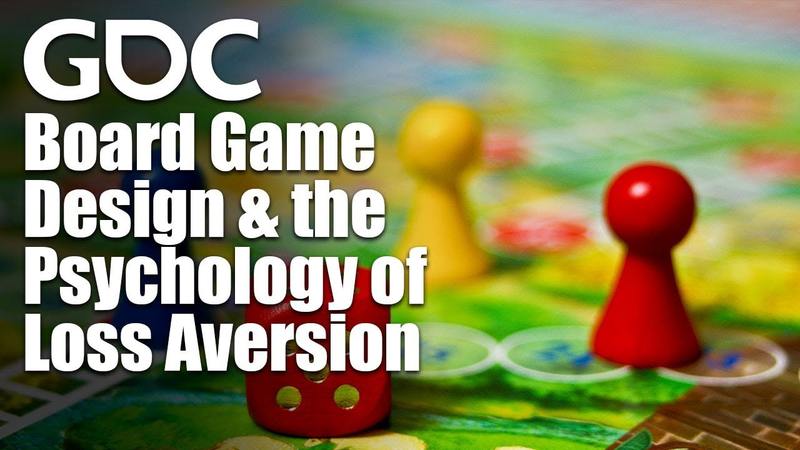
Board Game Design Day: Board Game Design and the Psychology of Loss Aversion
Loss aversion serves as a foundational psychological principle in game design, predicated on the observation that the emotional pain of losing an asset is felt approximately twice as intensely as the joy of acquiring an equivalent gain.
- Loss aversion dictates that the emotional impact of losing an asset is approximately twice as intense as the joy derived from gaining an equivalent one, making it a primary driver of player engagement.
- Mechanics that threaten the removal of progress or force resource sacrifice compel players to act irrationally to avoid deficits, creating high-stakes environments that increase emotional investment.
- Designers utilize the endowment effect and endowed progress—providing players with a head start toward a goal—to foster artificial attachments that make the potential loss of progress feel like a significant personal setback.
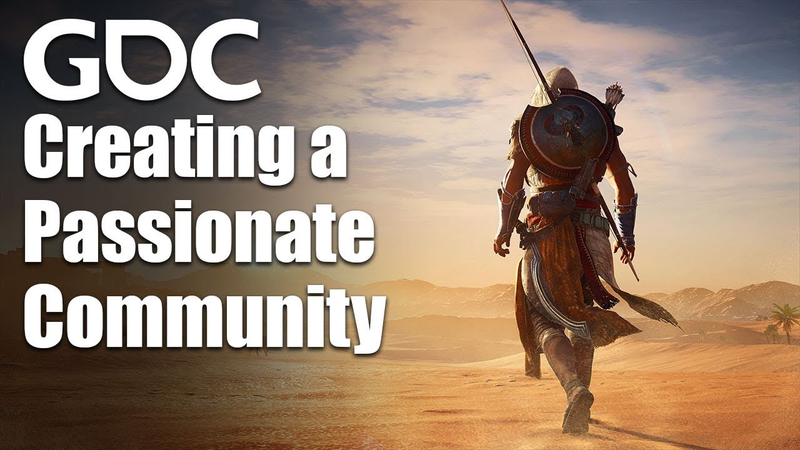
Unconventional Wisdom on Creating a Passionate Community
The primary objective of this presentation is to outline unconventional, effective strategies for cultivating a passionate and creative gaming community.
- Community management should be treated as a series of human-centric relationships rather than a transactional marketing function to drive long-term brand advocacy.
- Establishing a zero-tolerance policy for harassment and publicly defending community members against toxic behavior is essential for maintaining a culture of inclusivity.
- Providing a human face for the brand through initiatives like YouTube Q&As creates a 'Senpai noticed me' effect that significantly increases individual fan engagement.

China Mobile Market Update: January 2018
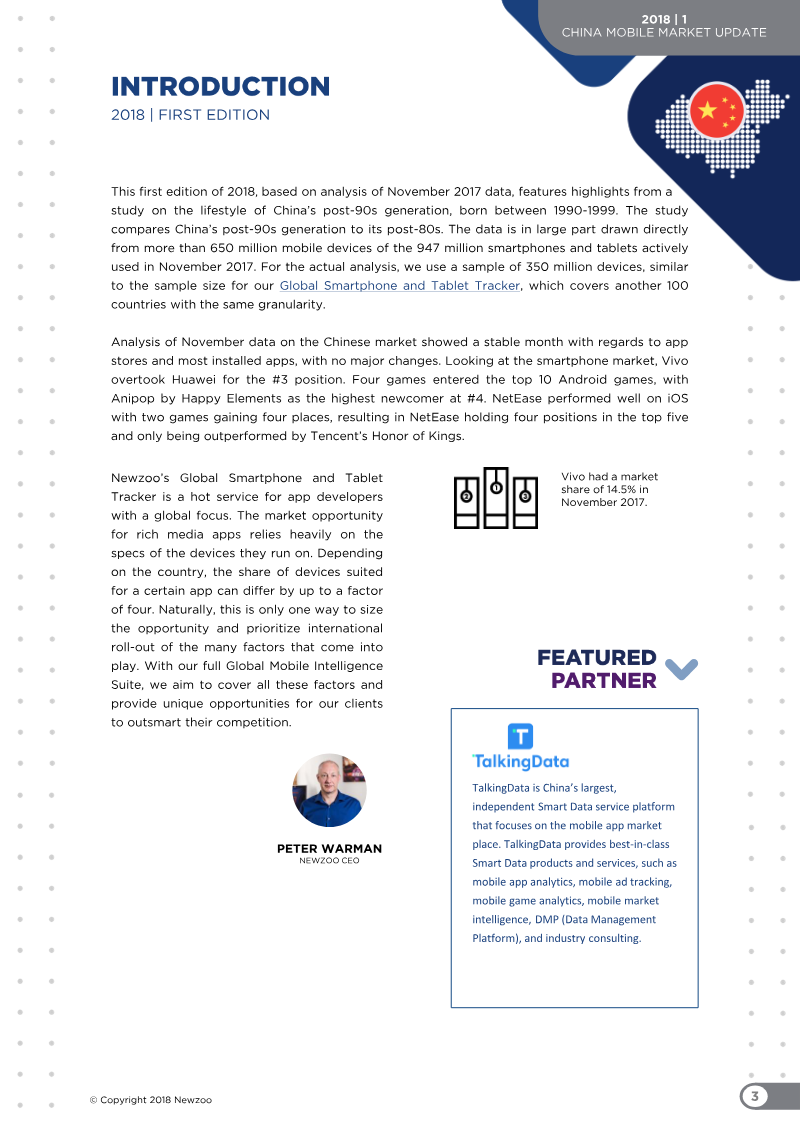
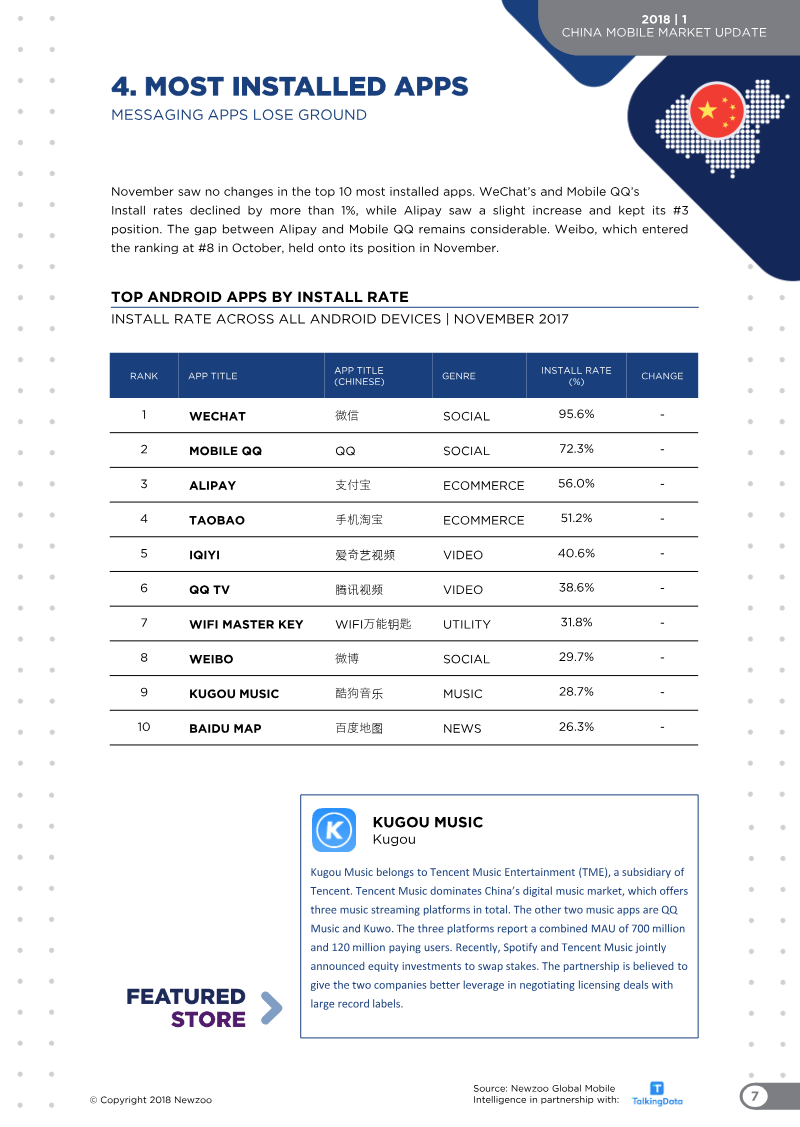
This market update provides a comprehensive analysis of the Chinese mobile landscape as of November 2017.
- Apple leads the Chinese mobile market with a 25.7% share, while Vivo overtook Huawei to become the third-largest brand at 14.5%.
- Tencent’s MyApp remains the dominant Android app store with 25.1% coverage, though 360 Mobile Assistant is currently the fastest-growing platform.
- NetEase dominates the iOS grossing charts, holding four of the top five positions, with Tencent’s Honor of Kings occupying the remaining spot.
A Global Analysis of Mobile Gaming Benchmarks: 2018 Edition
The mobile gaming landscape between July 2017 and June 2018 was characterized by a widening performance gap between elite titles and the market median.
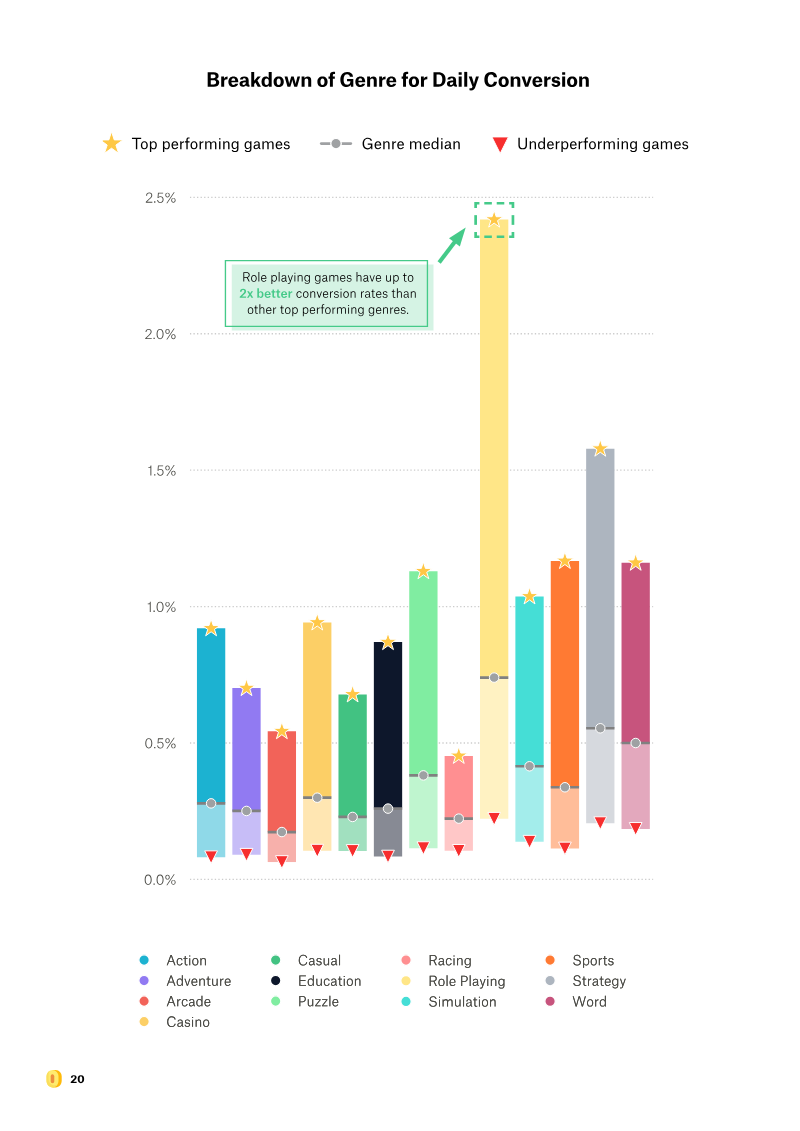
- Top-tier mobile games generate six times more revenue per daily active user than the market median, highlighting a massive performance gap between elite titles and the rest of the industry.
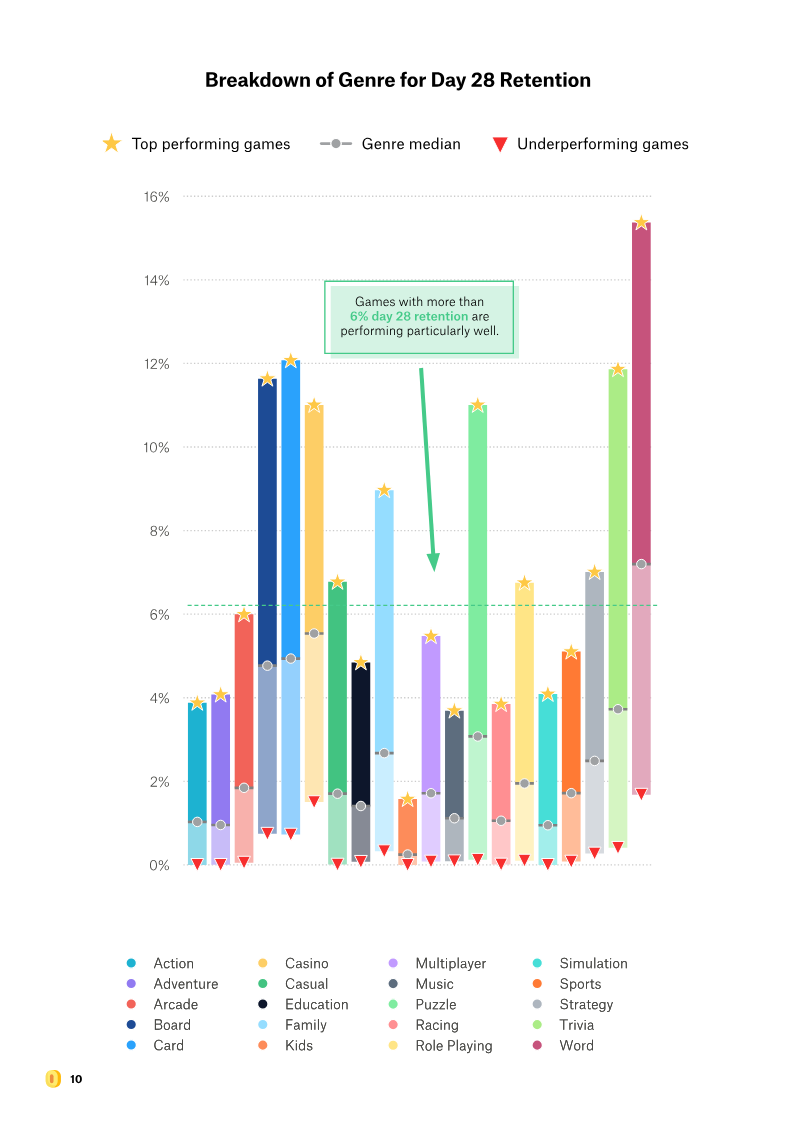
- Elite titles in the 15th percentile achieve Day 1 retention rates exceeding 35%, while industry-wide Day 28 retention struggles to surpass 6%.
- Leading publishers like Voodoo utilize a strict 50% Day 1 retention threshold as a primary filter to identify potential commercial hits early in development.
Hidden Game Mechanics: Design for the Human Psyche - Extra Credits
Game design relies heavily on the strategic use of hidden mechanics to manipulate player perception and ensure an engaging experience.
- Game design prioritizes player emotional experience over mathematical accuracy, using hidden mechanics to align game logic with psychological expectations.
- True randomness is often perceived as unfair by players, so designers manipulate probabilities to prevent frustrating streaks of failure.
- Developers implement 'coyote time' in platformers, allowing players to jump after leaving a ledge to compensate for human reaction time and perceived fairness.

A Practical Guide for Doing Ethical Player Testing
Ethical player testing serves as a foundational pillar for both participant well-being and the integrity of game development data.
- Ethical player testing must transition from simple compliance to a framework based on free, informed, and ongoing consent to ensure both participant well-being and data integrity.
- Researchers must proactively prevent coercion by ensuring participants never feel pressured to endure physical or psychological discomfort to satisfy research objectives.
- Immersive technologies like VR require specific safety measures, such as immediate kill switches and transparent risk communication, due to the genuine physiological and behavioral reactions they elicit.
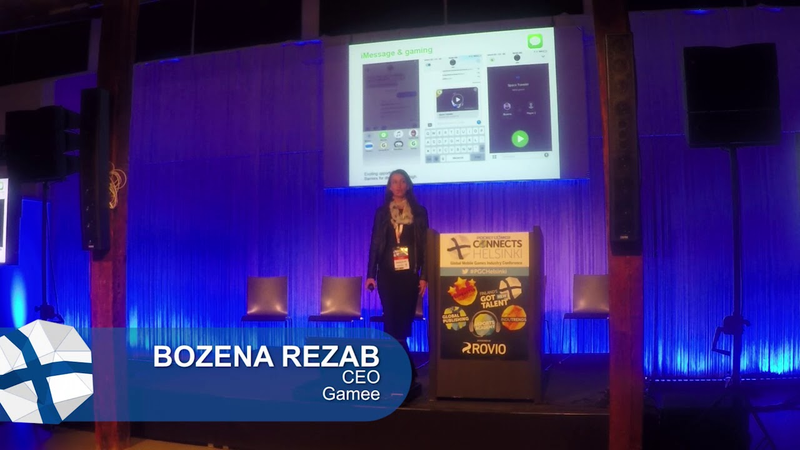
Gaming across platforms. Mobile. Social. Different.
The social gaming platform Gamee leverages HTML5 technology to integrate casual, snackable gaming experiences directly into messaging apps and social platforms.
- Gamee leverages HTML5 technology to embed casual games directly into messaging apps like Telegram, Facebook Messenger, and Kik, bypassing traditional app store discovery challenges.
- The platform currently reaches 8 million monthly active users and generates 300 million monthly gameplays across a library of 70 titles.
- Pairing games with bot technology significantly increases retention by delivering personalized, group-relevant notifications that outperform traditional push notifications.
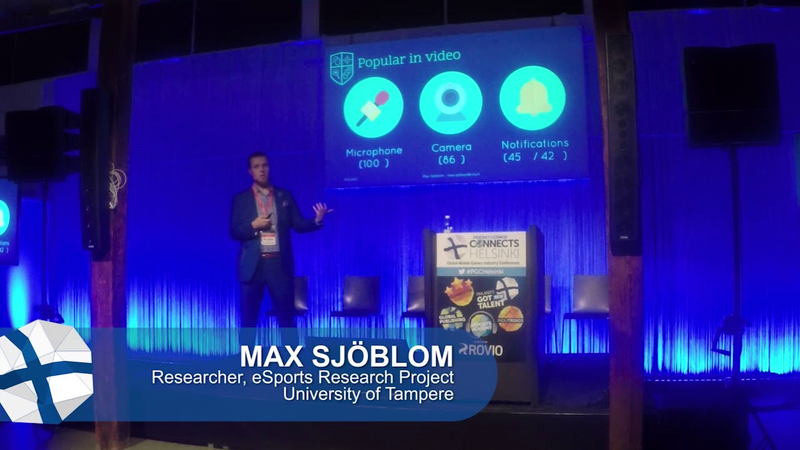
Elements of streaming – How streamers are building their content and why you should care
Streaming has emerged as a critical component of the modern gaming ecosystem, functioning in tandem with the growth of eSports.
- Developers should design for 'streamability' by incorporating downtime for audience interaction and utilizing Twitch API integrations for dynamic overlays.
- Games with minimal user interfaces or 'dead space,' such as Hearthstone, offer superior real estate for streamers to overlay sponsor banners and interactive graphics compared to information-dense titles like League of Legends.
- Successful streamers utilize real-time notifications for subscriptions and donations to trigger competitive viewer behavior, which serves as a primary monetization stream.
DayZ - Tragedy of the Commons: The Game - Extra Credits
The tragedy of the commons serves as a foundational economic and ecological theory, illustrating how individual self-interest often leads to the depletion of shared resources, ultimately harming the collective and the individual alike.
- The 'tragedy of the commons' occurs in multiplayer survival games like DayZ when individual mistrust and fear of scarcity lead players to hoard resources and attack others, ultimately destroying the collective environment.
- Multiplayer environments disrupt the long-term strategic resource management typically found in single-player games because players assume bad faith from others, triggering a self-fulfilling cycle of competition and waste.
- Traditional solutions to resource depletion, such as privatizing assets or implementing punitive enforcement, often fail to solve the problem efficiently due to high overhead costs and reduced system utility.
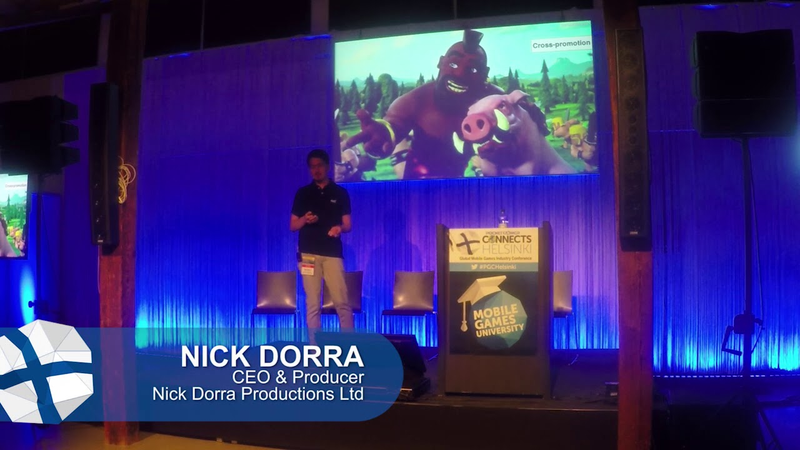
Emotional connections between your fans and your characters
Establishing emotional connections between game characters and players is a critical strategy for building brand loyalty, increasing player retention, and driving long-term commercial success.
- Building emotional connections between players and characters is a primary driver of brand loyalty, player retention, and long-term commercial success in a competitive market.
- Humanizing protagonists by introducing flaws is essential for character resonance, as flawless characters often fail to engage audiences.
- Successful narrative integration allows companies like Rovio, Supercell, and Activision to bridge gaps between game releases and expand into new geographic markets.
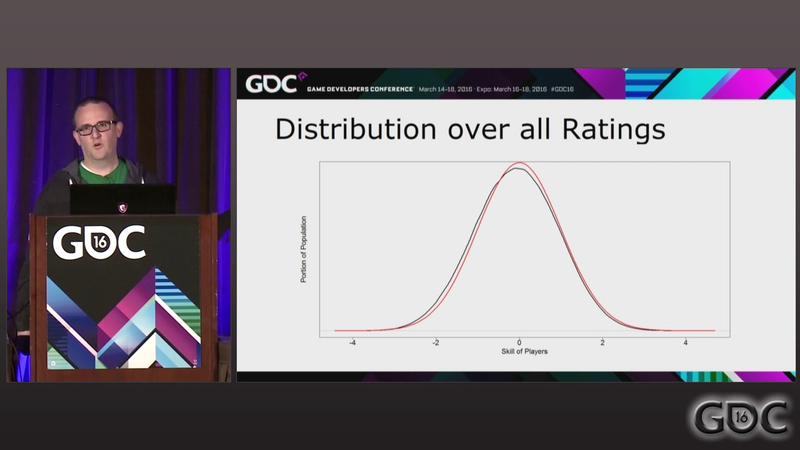
Skill, Matchmaking, and Ranking Systems Design
Effective matchmaking and ranking systems require a cohesive design strategy that treats skill assessment, match construction, and progression as distinct yet interconnected components.
- Effective matchmaking relies on a foundational Bayesian ranking system and normal distribution modeling to accurately calculate win probabilities and maintain competitive balance.
- To maximize match quality, developers should prioritize technical constraints like latency and social connectivity while avoiding player base fragmentation caused by excessive game modes.
- Designers should treat party skill as a unified metric and utilize global server pools to ensure the largest possible player population for balanced matchmaking.