Player Behavior reports and market data
Documents
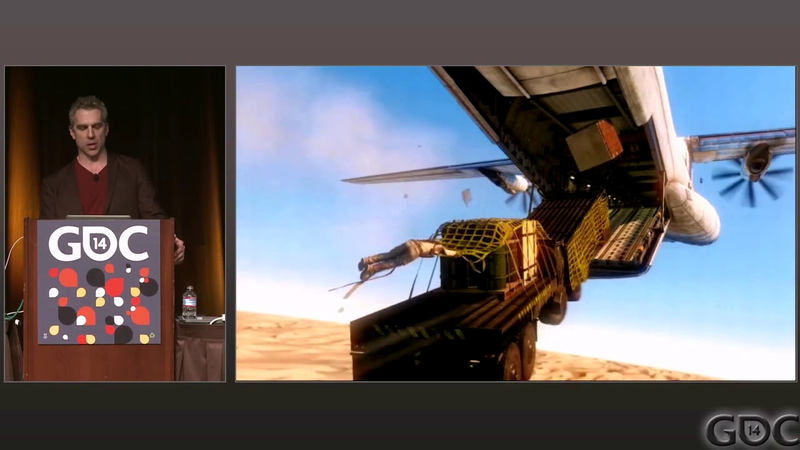
Make Things Worse: Enabling Setbacks for Consequential Play
Traditional game design often relies on binary failure states that force players to restart after a loss, a practice that frequently results in wasted time and diminished narrative continuity.
- Replace binary failure states that force restarts with systemic setbacks, which act as survivable disruptions that require players to adapt strategies without halting overall progress.
- Define setbacks as unexpected shifts in immediate objectives that force a re-evaluation of the current game state rather than a complete reset.
- Implement dual-tension economies that combine resource management with time constraints to discourage save-scumming and force tactical recalibration.

Playing the Middle: Balancing Trust, Creativity, and Business in the Science of User Experience
The integration of user experience research into game development necessitates a delicate equilibrium between quantitative metrics and creative intuition.
- User experience research should function as a diagnostic tool for identifying systemic friction rather than a prescriptive mandate that dictates creative direction.
- Development teams must prioritize identifying the root causes of player issues over reacting to superficial feedback to protect the game's core creative vision.
- Leadership should foster radical transparency by sharing both positive and negative research findings immediately to mitigate confirmation bias and facilitate collective problem-solving.
The Pacing of PUBG - The Thriller Tension of Battlegrounds - Extra Credits
PlayerUnknown’s Battlegrounds (PUBG) achieves its high level of player engagement by functioning as a multiplayer thriller rather than a traditional action game.
- PUBG functions as a multiplayer thriller rather than a traditional action game, prioritizing the psychological fear of violence over constant combat.
- The core gameplay loop relies on four thriller-genre pillars: clear stakes, a pervasive sense of threat, time pressure, and escalating danger.
- The singular goal of survival against 99 opponents creates high stakes, where the lethality of combat ensures that any single encounter can end the match.
One More Level - The Arbitrary Endpoint Trap - Extra Credits
The arbitrary endpoint trap describes a psychological phenomenon where players continue gaming sessions past the point of enjoyment to reach self-imposed, non-essential goals.
- The 'arbitrary endpoint trap' occurs when players continue gaming past the point of enjoyment to complete non-essential, self-imposed goals, leading to fatigue and diminished returns.
- Game designers, particularly in mobile and free-to-play sectors, intentionally exploit the human compulsion to complete tasks by using extrinsic motivators like progress bars and near-completion achievements.
- Developers use overlapping goals and the sunk cost fallacy to extend play sessions, aiming to convert initial engagement into long-term habit formation and player retention.
The Problem with Power Fantasies - We're Not Always Right - Extra Credits
The prevailing design philosophy in the video game industry centers on the power fantasy, a construct that grants players agency and influence beyond realistic limits.
- The gaming industry’s reliance on 'power fantasies'—where players are always perceived as being in the right—limits the medium's narrative maturity and prevents the exploration of complex ethical themes.
- When games do address morality, they frequently default to binary, cartoonish villainy rather than facilitating genuine ethical reflection.
- Integrating moral ambiguity and self-examination into gameplay does not diminish player enjoyment or the sense of power, but instead adds depth and thematic resonance to character arcs.
Essential Video Game News: France (October 2017)
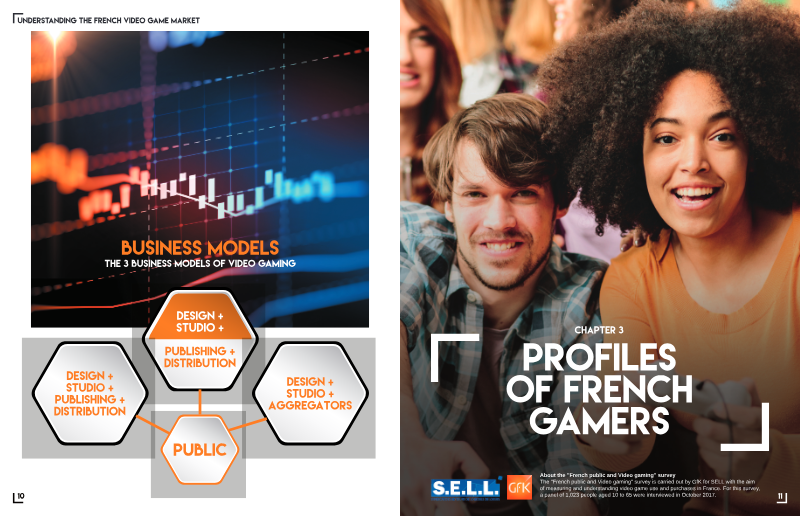
The French video game industry demonstrated robust economic health in 2016, achieving a total turnover of €3.46 billion.
- The French video game industry achieved a total turnover of €3.46 billion in 2016, representing a 4% annual growth rate.
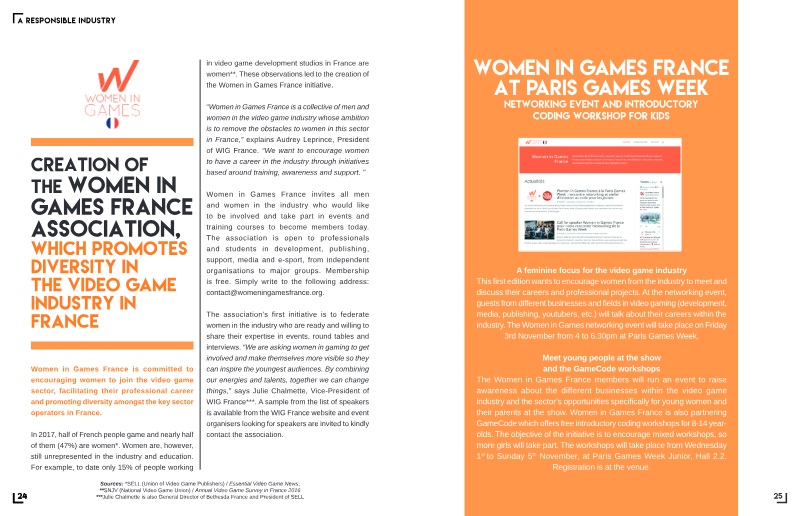
- Women comprise 47% of the French gaming population, yet they represent only 15% of the industry's professional workforce.
- The Women in Games France initiative is actively working to address the gender employment gap through professional development, networking, and technical workshops.
PAX WEST 2017 Extra Credits Panel
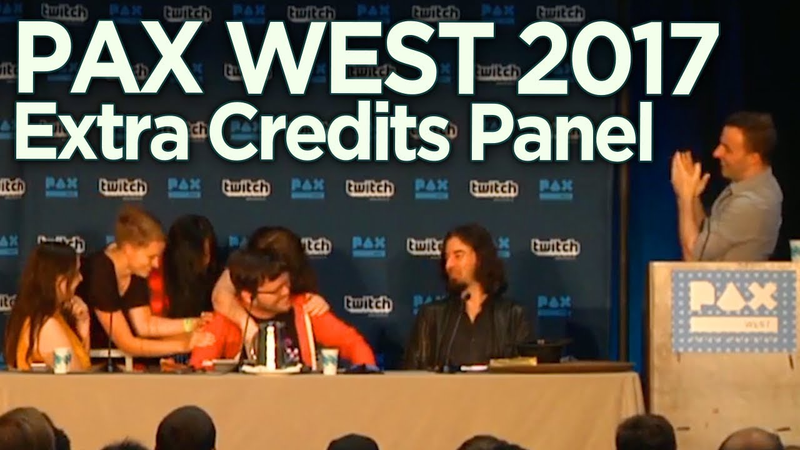
The game industry faces a persistent tension between the desire to replicate the fluid, human-led social dynamics of tabletop role-playing games and the current technological limitations that restrict such interactive storytelling.
- Game design should prioritize active player interaction over passive consumption, as demonstrated by the environmental storytelling in the Soulsborne series and the psychological depth of titles like Hellblade and Observer.
- Aspiring developers should prioritize team cohesion, communication, and early prototyping over individual technical skills to mitigate the risk of excessive crunch and project failure.
- Long-term career sustainability in the volatile game industry requires building robust support networks and balancing artistic ambition with the pragmatic realities of a fluctuating labor market.
Grassroots Growth: How Game Communities Built an eSport Scene from the Ground up
Esports scenes emerge primarily from grassroots, enthusiast-led communities that employ a DIY ethos to transform standard game titles into competitive ecosystems.
- Game developers should view esports as a co-creative process rather than a top-down product, as foundational titles like Counter-Strike and Dota originated from community modding rather than internal studio development.
- Grassroots communities perform essential 'transformative work' by building the infrastructure for esports, such as early broadcasting services like Team SportsCast Network and Radio ITG, which established the standards for modern media production.
- The 'serious leisure' model, exemplified by volunteer-driven events like DreamHack, demonstrates that enthusiast communities are willing to invest significant time and resources to overcome technical barriers and professionalize competitive scenes.
Double Tap
Game design functions as a sophisticated dialogue between developers and players, where the mechanics provided serve as the primary language for interaction.
- The pervasive reliance on firearm-based mechanics in game design risks desensitizing players to the gravity of violence by normalizing lethal force as a primary mode of interaction.
- Developers frequently sanitize the use of firearms by reducing complex, horrific acts to clinical, binary point-and-click interactions that prioritize predictable satisfaction over the reality of destruction.
- Transforming tactical maneuvers like the 'double tap' into standard, rewarding game mechanics reinforces a culture where lethal tools are viewed as instruments of agency rather than objects of harm.
Crisis and Opportunity: Communities in Good Times and Bad
Community crises in the gaming industry are fundamentally rooted in a loss of trust, typically triggered by technical failures or unmet player expectations.
- Community managers must prioritize building trust through transparency, as players are inherently skeptical of authority and will only cooperate if they respect the person behind the platform.
- To de-escalate conflicts, managers should avoid personalizing criticism and allow reasonable negative feedback rather than resorting to censorship, which often fuels power struggles and toxic behavior.
- When a crisis occurs, rebuild trust by clearly communicating a specific plan of action, executing that plan, and reporting back to the community to prove reliability.
Whales in the wild: What big data reveals about the biggest game spenders
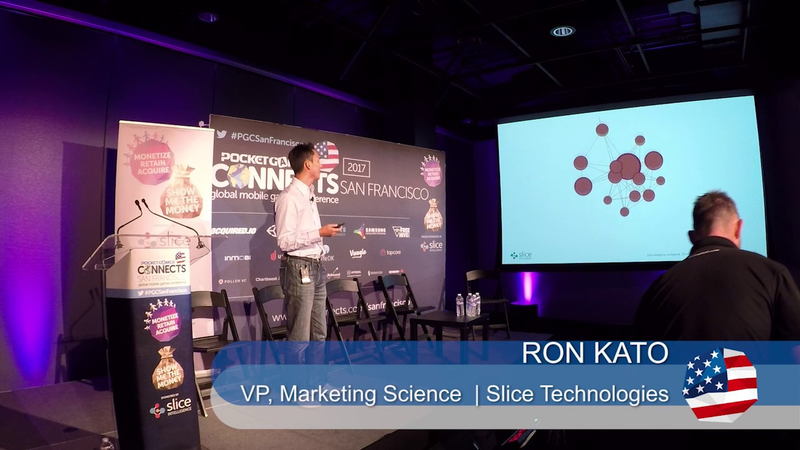
Mobile gaming revenue is heavily concentrated among a small segment of high-spending users known as whales.
- A small cohort of high-spending users, known as whales, accounts for 80% of total mobile gaming revenue despite representing only 16% of the spender population.
- A game's revenue performance shows a strong positive correlation with its 'wellness score,' a metric quantifying dependence on high-value spenders.
- While most top-grossing titles rely on whale-centric monetization, games like Pokémon GO prove that capturing a larger share of smaller wallets is a viable alternative strategy for financial success.
Peace Games - Gaming for a Better Future - Extra Credits
Games have historically functioned as a vital mechanism for fostering human connection, transcending cultural, national, and political divides.
- Online gaming and esports act as modern diplomatic conduits, allowing individuals across international borders to form personal bonds that humanize distant populations.
- The industry faces a critical challenge in managing toxicity and exclusionary ideologies, which can undermine the potential for digital spaces to serve as platforms for global empathy.
- Developers bear a primary responsibility to curate inclusive environments by providing the necessary tools and infrastructure to facilitate positive community building.