Player Behavior reports and market data
Documents
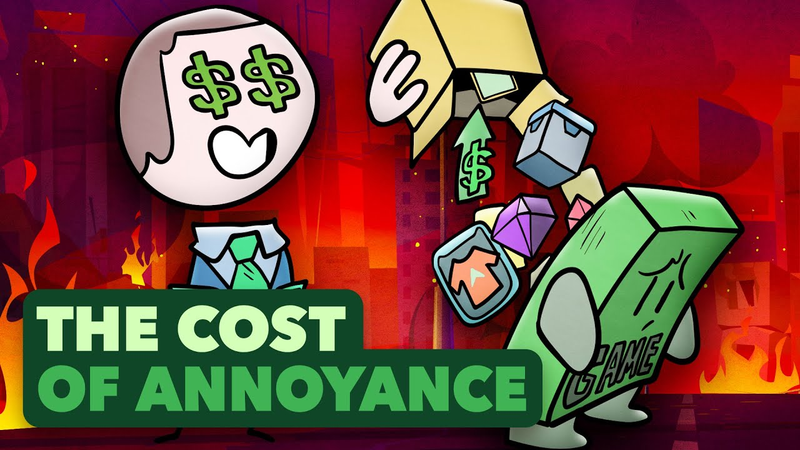
The Hidden Price of Changing a Game
The core thesis of this analysis is that every design change in the gaming industry carries an inherent cost, as users naturally resist deviations from established systems.
- Design changes inherently trigger user resistance, requiring developers to ensure the value of any modification outweighs the friction caused by disrupting established systems.
- Internal studio inertia, driven by the high costs of retraining staff and migrating legacy technology, frequently leads to the perpetuation of technical debt and outdated workflows.
- Developers should demonstrate the value of gameplay changes through immediate, contextual testing opportunities rather than relying on verbal explanations to gain player acceptance.
How DLC boosts engagement for PC and console games
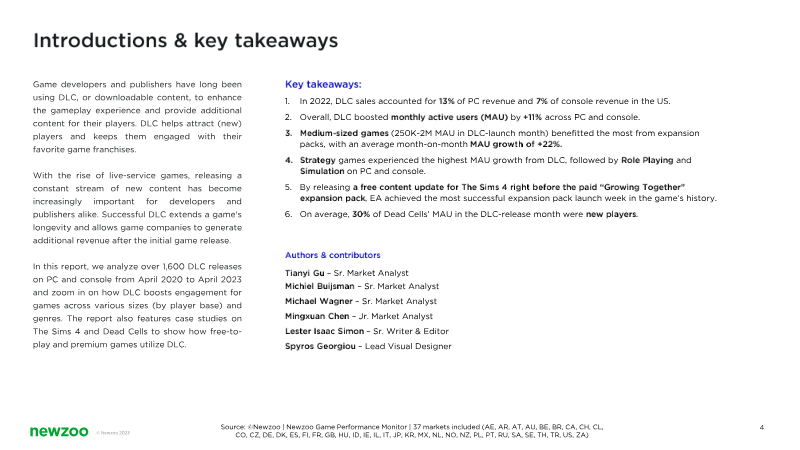
Downloadable content (DLC) serves as a critical driver for player engagement and long-term monetization in the PC and console gaming sectors.
- DLC releases drive an average 11% increase in monthly active users (MAU), with medium-sized games (250,000 to 2 million MAU) seeing the highest impact at 22% growth.
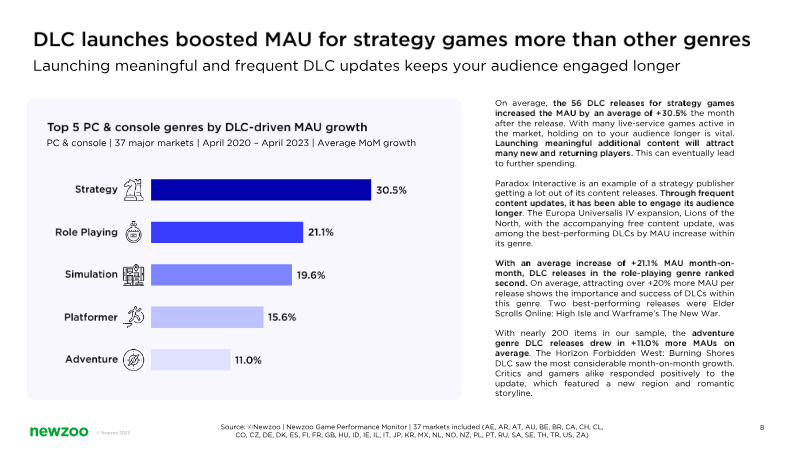
- Strategy games benefit most from the DLC model, recording a 30.5% average increase in MAU, followed by role-playing and adventure titles.
- DLC is a significant revenue driver, accounting for 13% of PC revenue and 7% of console revenue in the U.S. during 2022.

The 50-Plus Gamer of Today and Tomorrow
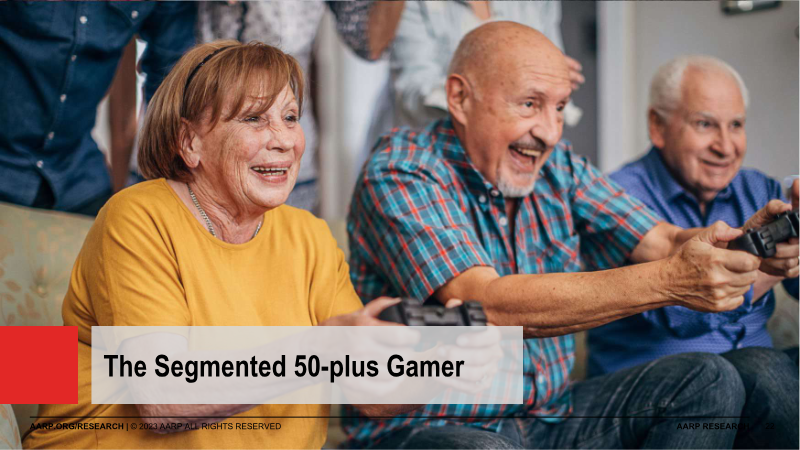
The population of gamers aged 50 and older has expanded to 52.4 million individuals, with average weekly engagement rising over 40% since 2019 to reach 12 hours per week.
- The 50-plus gaming population has reached 52.4 million individuals, with average weekly engagement increasing by over 40% since 2019 to 12 hours per week.
- A high-engagement segment comprising 26% of the demographic—classified as Enthusiasts and Immersives—accounts for nearly 50% of total spending.
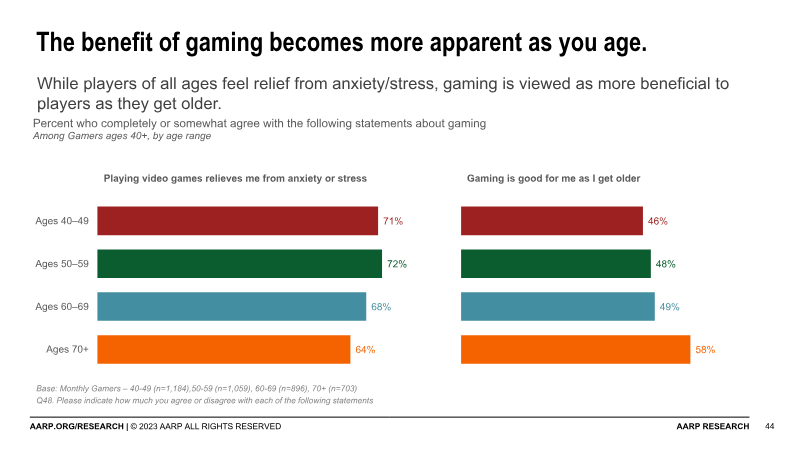
- 70% of gamers aged 50 and older believe gaming is essential for cognitive stimulation and healthy aging, yet 70% feel the industry treats them as an afterthought in design and marketing.
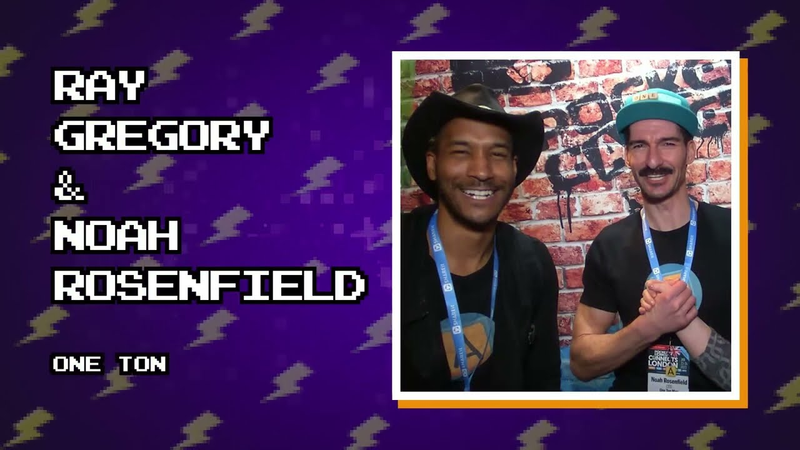
One Ton’s Ray Gregory & Noah Rosenfield On Addictive Gameplay, Community, and Fun
One Ton is transitioning from a solo-developer project into a professional studio, focusing on the development of innovative puzzle games that prioritize community engagement and player personality.
- One Ton is transitioning from a solo-developer project to a professional, self-funded studio focused on expanding its portfolio beyond its primary title, Addagrams.
- Addagrams differentiates itself from traditional word puzzles by allowing multiple valid solutions, enabling players to achieve identical scores through different linguistic approaches.
- The studio is currently in a soft-launch phase for Addagrams on iOS and Android in Australia, Canada, Brazil, Greece, Ireland, and South Africa.
Why Remade Games Can Feel Worse
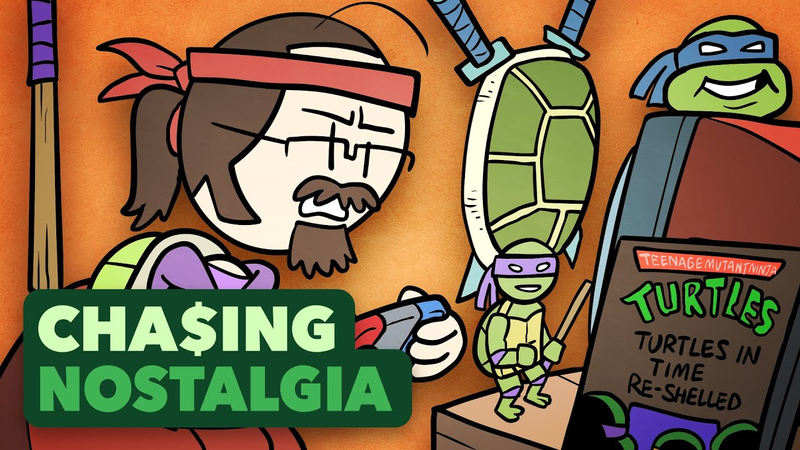
The perception that game remakes often feel inferior to their original counterparts is a multifaceted phenomenon rooted in psychology, production constraints, and evolving display technology.
- Modern remakes often fail to replicate the emotional resonance of originals because high-fidelity visuals replace the imaginative space players previously used to fill in technical gaps.
- Original titles frequently utilized hardware-driven design tricks, such as the fog in Silent Hill, which created atmospheric effects that are lost when modern hardware removes these visual barriers.
- The transition from CRT monitors to high-definition screens exposes visual flaws and textures that were previously masked by the natural softness and scan lines of older display technology.
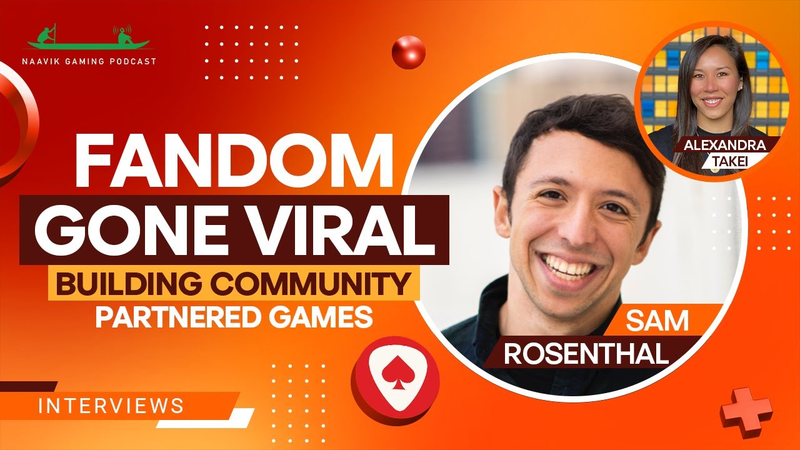
Fandom Gone Viral (Building Community Partnered Games)
The Game Band represents a shift in interactive entertainment by prioritizing community-partnered development over traditional top-down design.
- The Game Band operates with a lean team of 27 employees, utilizing a hybrid talent pool recruited from both the tech industry and the studio's own player community.
- The studio’s flagship title, Blaseball, utilizes a 'Game Master' development model where the studio provides the structural framework while players generate the narrative, art, and strategic content.
- Blaseball functions as a 24/7 real-time simulation where game evolution is driven by collective player voting and betting, mimicking the intensity of real-world sports fandom.

Think Forward: Sports Edition 2023
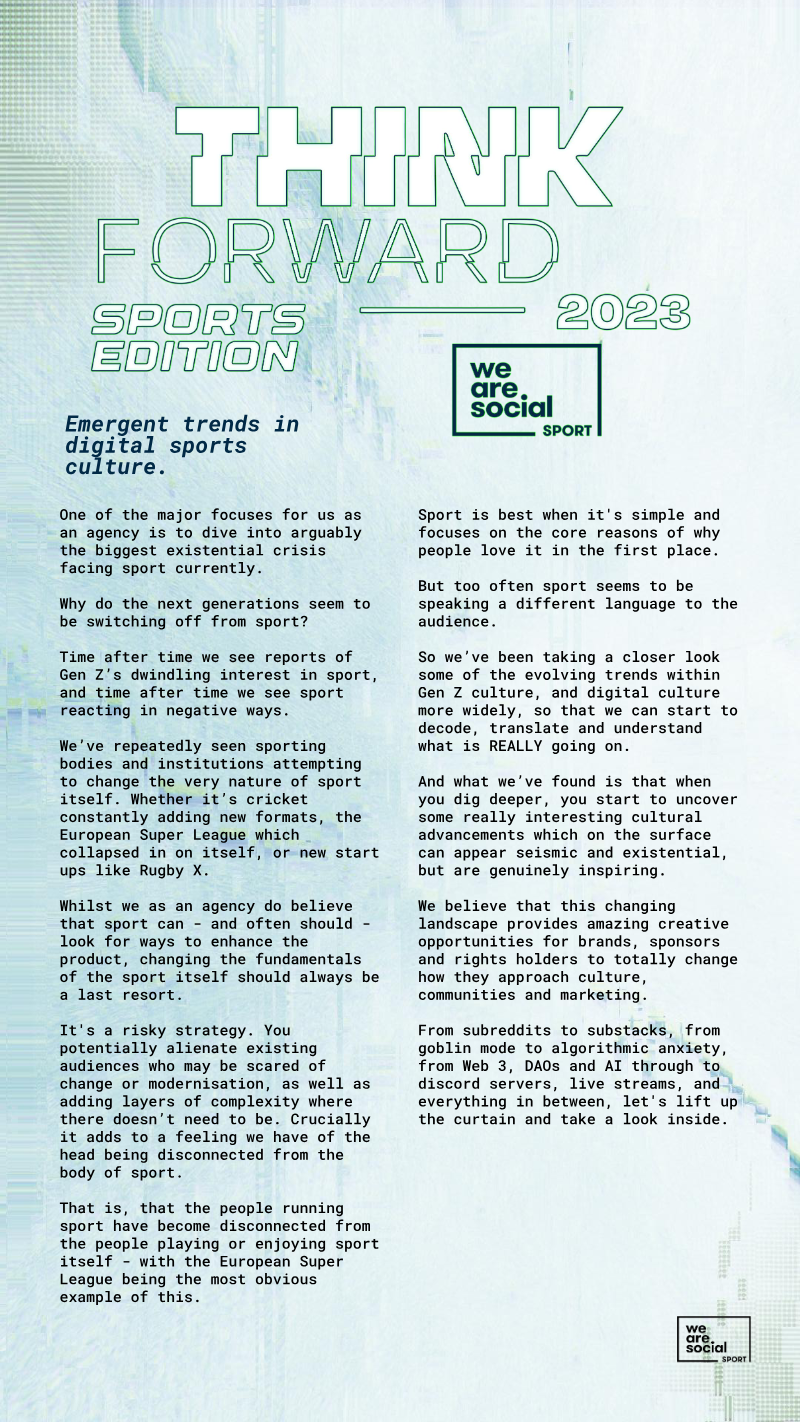
This analysis examines the evolving relationship between Gen Z and sports culture, identifying a significant disconnect between traditional sports institutions and younger audiences.
- Nearly 40% of Gen Z now use social platforms like TikTok and Instagram as their primary search engines for sports discovery rather than traditional search tools.
- Sports organizations should prioritize adapting to digital cultural behaviors over altering fundamental game rules, as rule changes often alienate core fanbases.
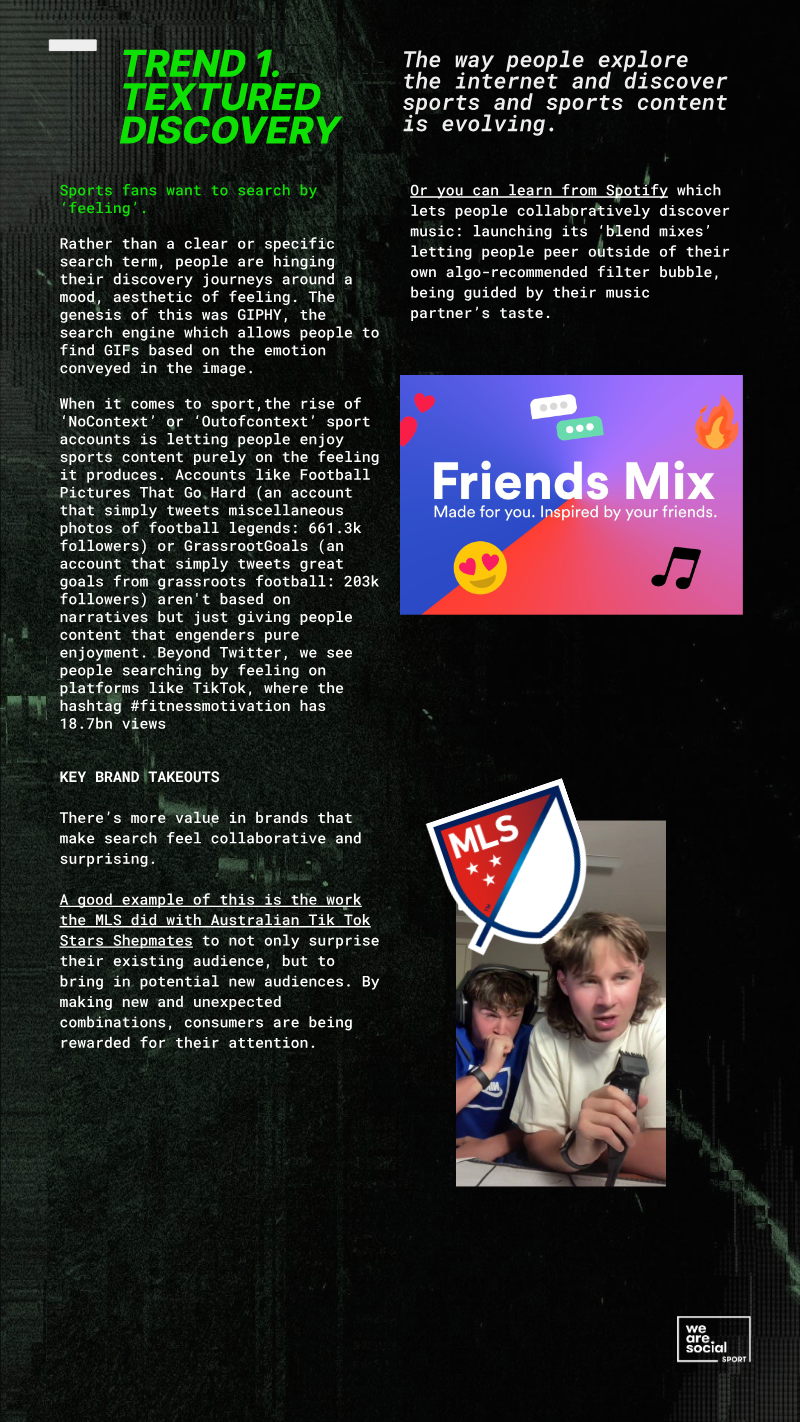
- Sports consumption is shifting toward 'textured discovery,' where fans search by emotion and feeling rather than specific keywords or traditional narrative structures.
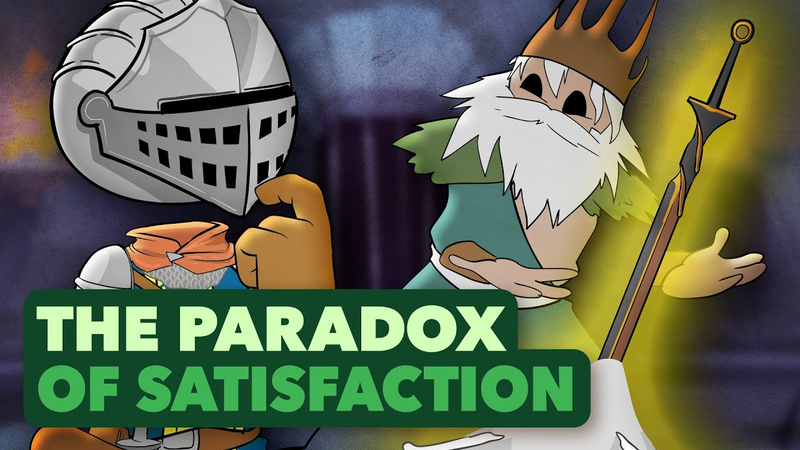
Why Games are Designed to Leave You Wanting
Modern game design frequently employs a psychological strategy known as the paradox of satisfaction, which intentionally denies players a sense of complete fulfillment to ensure long-term engagement.
- Modern game design utilizes the 'paradox of satisfaction' to intentionally deny players complete fulfillment, ensuring long-term engagement through a state of perpetual craving.
- Developers structure games to avoid definitive narrative or mechanical closure, which keeps players within a cycle of consumption for sequels, season passes, and microtransactions.
- Competitive multiplayer games leverage performance metrics and progression treadmills to ensure that even after a victory, players feel compelled to queue for additional matches.


Video Game Streaming Trends Report: Q1 2023
The live-streaming market experienced a cooling period in the first quarter of 2023, with combined viewership across major platforms decreasing by 16% compared to the previous year.
- Total live-streaming viewership declined 16% year-over-year in Q1 2023, though total hours watched remain 46% higher than Q1 2020 levels.
- Twitch and YouTube Live Gaming consolidated their market dominance to a combined 89% share, while Facebook Live viewership plummeted by 69%.
- Cross-media synergy is a primary growth driver, evidenced by the HBO 'The Last of Us' series triggering a 107% increase in viewership for the franchise's games.
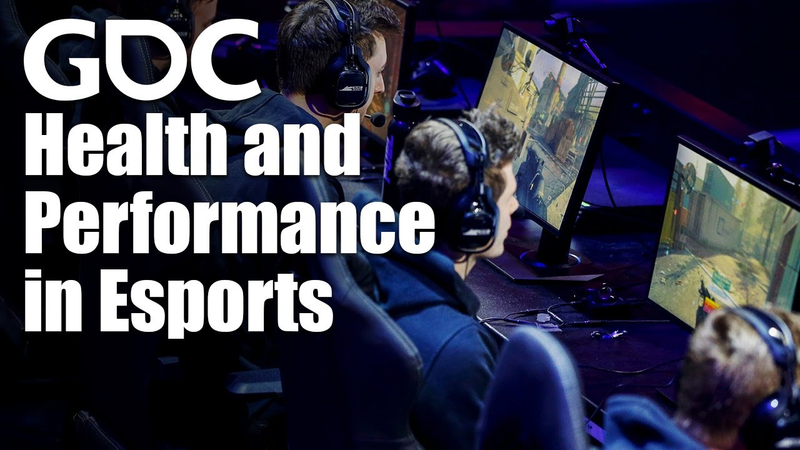
Living on 1HP: Early Research into Health and Performance in Esports
The esports industry currently faces a critical deficit in peer-reviewed, replicable health data, forcing practitioners to rely on anecdotal evidence or analogies borrowed from traditional sports and office ergonomics.
- The esports industry currently lacks a foundation of peer-reviewed, replicable health data, forcing practitioners to rely on anecdotal evidence rather than specialized, evidence-based frameworks.
- Musculoskeletal issues affecting the back and neck are significantly more prevalent among professional players than carpal tunnel syndrome, which is frequently misdiagnosed in this population.
- Effective health interventions for esports must be holistic, integrating ergonomics, consistent physical movement, and mental health support rather than focusing solely on reactive injury treatment.
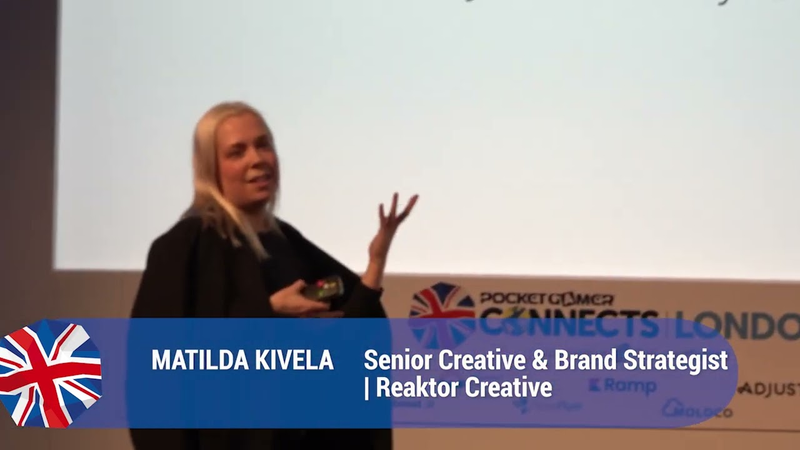
Keynote: Gen Z Thinks Your Brand Is Cringe - Matilda Kivela of Reaktor Creative.
The gaming and marketing industries face a significant challenge in engaging Generation Z, a demographic that currently possesses $340 billion in purchasing power and exhibits high levels of mobile game consumption.
- Gen Z possesses $340 billion in purchasing power, yet only 8% of this demographic feels that current advertising resonates with them.
- A significant 78% of Gen Z consumers believe that brands fail to align their actual business practices with their stated corporate values.
- Brands must abandon top-down communication models in favor of a collaborative framework that treats Gen Z as equal partners in the creative process.
European Commission Proposal for a Regulation Laying Down Rules to Prevent and Combat Child Sexual Abuse
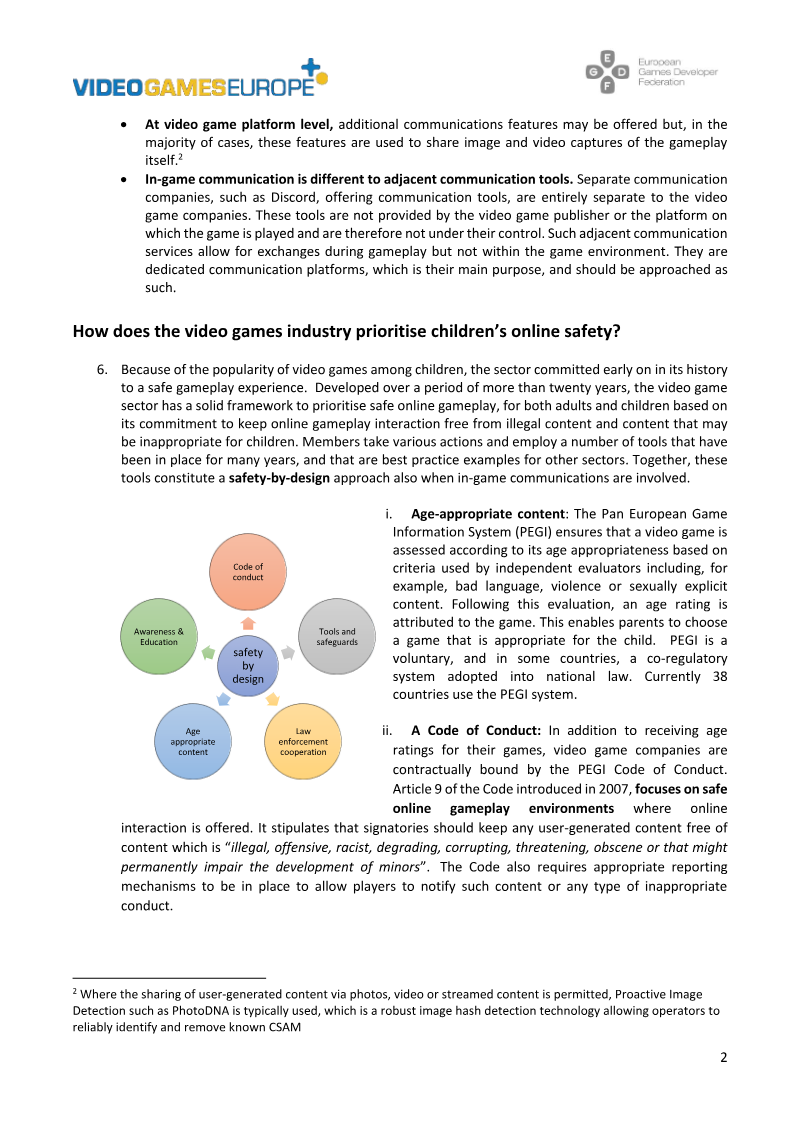
The position presented by Video Games Europe and the European Games Developer Federation seeks to shape the European Commission’s proposed regulation on child sexual abuse online by emphasizing that interactive video-game environments already embody a robust, safety-by-design framework.
- Video Games Europe and the European Games Developer Federation argue that gaming platforms should be exempt from uniform high-risk regulatory models because they already utilize safety-by-design frameworks.
- Data from the 2021 NCMEC Cybertipline indicates that incidents of child sexual abuse material (CSAM) and grooming are significantly lower on video game services compared to platforms focused on photo or video sharing.
- A 2020 Ofcom/ICO survey of 4,000 respondents found that only 2% of adults and 3% of children reported experiencing harms via video game play.