1 free read left. Create a free account for unlimited reading + AI research.
Create free account
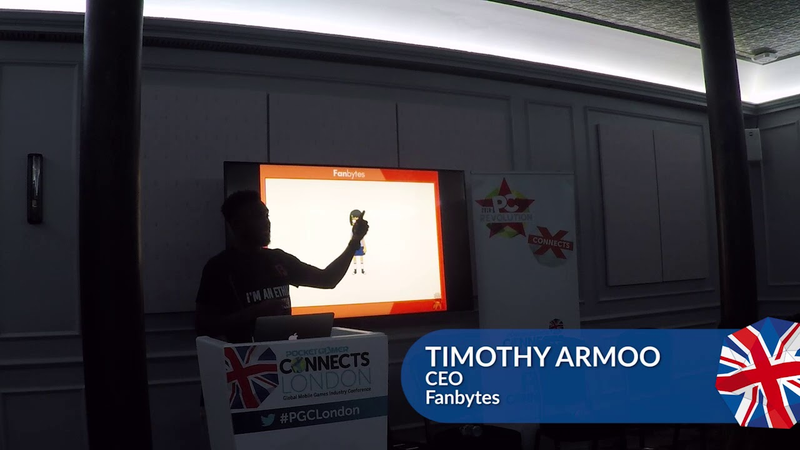
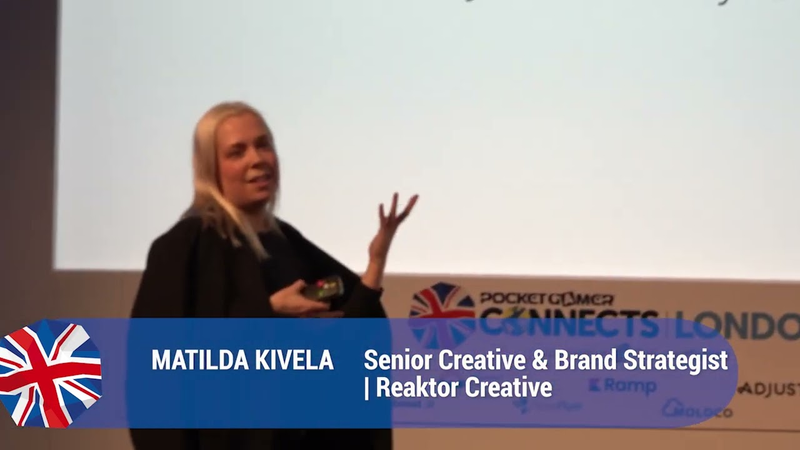
Keynote: Gen Z Thinks Your Brand Is Cringe - Matilda Kivela of Reaktor Creative.
Key insights
6 takeaways- 01Gen Z possesses $340 billion in purchasing power, yet only 8% of this demographic feels that current advertising resonates with them.
- 02A significant 78% of Gen Z consumers believe that brands fail to align their actual business practices with their stated corporate values.
- 03Brands must abandon top-down communication models in favor of a collaborative framework that treats Gen Z as equal partners in the creative process.
- 04Radical transparency is essential, as Gen Z is highly adept at identifying and penalizing performative social advocacy or hypocritical corporate behavior.
- 05The shift in Gen Z's skepticism is driven by a worldview shaped by data privacy scandals, climate anxiety, and global instability rather than internet optimism.
- 06To achieve relevance, companies should stop building artificial communities and instead integrate into existing micro-communities on platforms like Discord and TikTok.
Ask AI about this video
Transcript
[Music] [Applause] we're here to talk about marketing and the track today is going to be sponsored by reactor right and up first we've got Matilda from reactor so my name is Matilda nice to meet all of you I'm a brand strategist at reactor and today we're going to talk a little bit about gen Zed why they
think everything is cringe and how we can work to change that so this is my sister she was born on a very dreary spring day in Helsinki in 1997 as and you can see from the bleached eyebrows and the pouty face and maybe the birth date too she belongs to generation Zed the year she was born was quite remarkable in many ways it's the year when IBM's deep blue beat Gary Kasparov and chess it made us all wonder if a computer could do this what could it do next but it wasn't all computers it also gifted us Titanic that took the World by storm and showed us what entertainment could be when we put millions of dollars into it and we also got Dolly which made us think if we could clone a sheep could we clone Leon CIO next so it's been 26 years and the world has changed quite a bit instead of talking about the ethics of IBM's deep plue and kasparov's recent
defeat we talk about the ethics of Dary or mid Journey or chat gbt maybe we're fair for our jobs instead of Titanic we look at Tik toks we make them go viral and instead of Dolly the sheep maybe we were starting to rethink capitalism or how we reframe climate change and somewhere along the way ver and other gen zers grew up they grew into adults who are more connected than any of us in in this room they grew up into adults with spending money but why should we really care well speaking of spending money gen zedas that I've enter the working force now have a purchasing power of $340 billion us and that's set to grow as the youngest member members of this generation enter the workforce and when I talked about being connected they're truly the first connected generation they got their first mobile phones far before they got their first
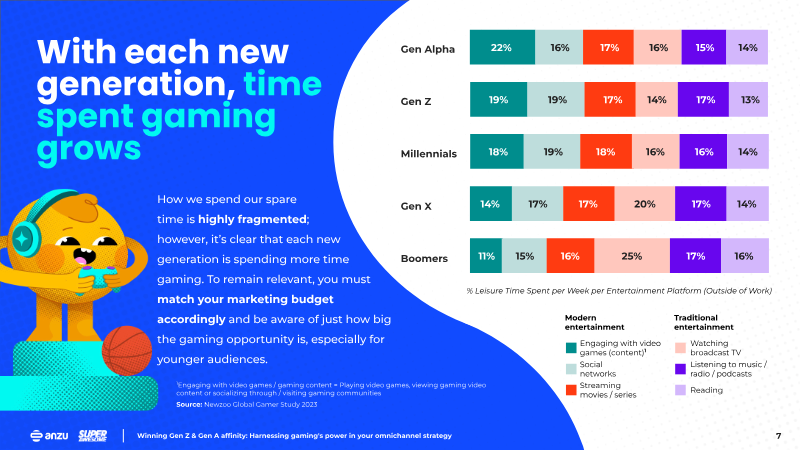
bank accounts or drove their first cars and despite having a very short attention span that some claim is around 8 seconds they consume mobile games they play far more mobile games than their Millennial siblings or the ex parents and they do it very often they like more variety they're more likely to download new games so you have all this spending power you have all these connected people who are really eager to play games but there's a little bit of a catch for all of us unfortunately for us they think Our Brands the marketing we create and the advertising we create is rather cringe only around 8% of gen zers think that advertising they see resonates with them and that Brands really understand them and know how they think and feel and how they act moreover over 78% of gen zers
think that Brands don't actually talk they just talk the talk they never walk the talk so that's not really a great way to start building relationship with these geners who actually don't stay loyal to Brands they can shift like this all the time uh and if we think about it all of us here in this room I'm looking around we probably grew in an era of Internet optimism we thought that internet was going to connect all of us was going to make everything special and great and creative so it's our job to start really changing this it's our job to start making sure that generation Zed keeps up with the things we create and this will require us to do three things that will probably hurt a little bit or sting a little bit the first thing is to rethink Our Brands rethink The Authority we claim in the space rethink the ways in which we build these relationships and where we stand Visa our audiences
it requires us to really think about communities what do they actually mean for us how do we actually service them and it requires us to really understand what we're building and what we're putting out into the world and start loving what we do so as I said we probably all of us are making a generalization but probably all of us grew up in an era of Internet optimism but when you look at gen Zed they grew up in the age of Cambridge analytica of Facebook or data privacy concerns or global climate change which means that they don't really trust what we tell them as Brands they look at what we produce with cynicism they don't really look at the words and take them as they are but they reflect them on their own life experiences and as I said they're very very connected so what this means is when we make a mistake as a brand they can see they can spot it and they can disseminate it take for instance American Airlines that a couple years
ago uh painted the wings of the aircraft in rainbow colors to support the lgbtq plus Community what they hadn't taken into account though was that a year before they' actually donated millions of dollars into anti-lgbtq plus efforts but when Gen Zed found out they really put it on blast so we can't really escape this thing there is however something we can do and it's start looking at gen Zed consumers as collaborators open up the way that we build Brands the way that we put out products the way that we talk about them and take generation Zed in so really open up the process show them what they have under the hood and take them in as equal contributors and if we think about how brands have been built traditionally on the right hand side you see an authoritative brand model what probably worked for us in the room and our
parents was Brands telling people how to act what kind of culture to belong to what to think what to wear what to eat but this doesn't really work when Gen Zed brings the $340 million into play and that's when we need to start looking at Brands as poorest entities as something that we invite people to look at and collaborate and poke holes through and really start building them together so how can we bring Vera and her Jen's and friends into the fold firstly we need to invite them to actually collaborate not just spectate at what we do we need to use them as Hands-On contributors and collaborators and acknowledge that use them as your focus group in a new way and then when you do give these contributors something to hold on to give them Privileges and rights and really respect your community and speaking of communities it's not enough to just invite them in we also need to nurture them eight and 10 Zoomers want to belong to a
community they're looking for communities they've been dubbed the loneliest generation ravage by a pandemics and wars and uncertainty so they're really looking for something to L onto but if we think of the brand model the authorative brand model that dictates everything that's not what they want they actually want us to understand them so instead of artificially trying to build these communities telling them where to belong we should start building these communities together going to where they already exist understanding what language they use understand what kind of issues they're faced with and then cater to their needs so instead of consumers we need to start looking at Zoomers as community members people with things to offer and be really curious about these cultures be curious about these micro communities go on Discord go on Tik Tok start thinking about what they truly need and offer that instead of just something to look at
so don't offer Vera and her jened friends something to belong to but create it with them ask what kind of tools they need provide them with conversation material provide them with places where they can convene and commune make sure that you're somebody that offers them a place of respite some place to find people who think alike and because they're so connected it's really easy you can find somebody from Hanoi or Helsinki or Hong Kong and really bring them around your br as long as you create it together with them and lastly when we talk about poorest brands or we talk about brands with authority or we talk about brands with authenticity gened really wants that more than anybody six in 10 Zoomers will actually advocate for your brand or buy into your brand if they feel like it really resonates with them and what they think and they'll definitely know if you're faking it like I told you the American Airlines sample they can find
information they're connected they'll know when you mess up they'll know when you make mistakes and you need to own up the upb too so you should really Embrace this Niche that you're in whatever you do and find things that amplify that so instead of consumers start looking at jenz as independent thinkers more than any consumer group more than Millennials more than than exit like they really look for material to corroborate whatever you're seeing whatever you're doing so start really embracing that and in all of this we really like to reinvent the wheel quite often we like to come up with new brand brand Frameworks or user acquisition models or we really try and find new ways to Market things whereas what's really important is that you know what you stand for Beyond making profit Beyond acquiring users what kind of change are
you willing to make in this world and once you know that it's really easy to communicate that to Zoomers and they'll really believe it when you know what it is so start by really going through your brand fundamentals what does your brand stand for what kind of world do you envision what kind of mission are you on and start communicating that in a way that Zoomers understand use their language go to where they sit where they play where they meet each other and offer them something concrete and something good so you've seen lots and lots of pictures of my little sister with bleached eyebrows you've heard tons of little tidbits and facts and and figures but what I'd really like to leave you with is this very simple cheat sheet it's only three little bits number one is to stop behaving like an authority stop thinking that you know what gen letters are thinking or stop thinking that you know what they want
and start finding out for yourself then start really loving communities in a way that you haven't before start infiltrating gen at communities learn how they speak learn their lingo learn what they fear and what they hope for and I think the most important one is to actually just be yourself know what you stand for know what you're selling know what you're doing beyond that selling that could actually change the world a little bit thank you [Applause] [Music] h
[Music] [Applause]
Summary
The gaming and marketing industries face a significant challenge in engaging Generation Z, a demographic that currently possesses $340 billion in purchasing power and exhibits high levels of mobile game consumption. Despite their active engagement with digital entertainment, this cohort is highly skeptical of traditional corporate messaging. Data indicates that only 8% of Gen Z consumers feel that current advertising resonates with them, while 78% believe that brands fail to align their actions with their stated values. This disconnect stems from a fundamental shift in perspective; while previous generations were shaped by internet optimism, Gen Z has matured in an era defined by data privacy scandals, climate anxiety, and global instability, leading them to view authoritative brand messaging with deep cynicism.
To bridge this gap, brands must transition from an authoritative, top-down communication model to a porous, collaborative framework. The analysis suggests that Gen Z does not want to be passive consumers of brand-dictated culture; rather, they seek to be active contributors. Successful engagement requires brands to move beyond artificial community building and instead integrate themselves into existing micro-communities on platforms like Discord and TikTok. By understanding the specific vernacular, fears, and aspirations of these groups, brands can provide genuine value and spaces for connection rather than merely pushing products.
The core recommendation for industry professionals is to abandon the traditional "authority" persona in favor of radical transparency and authenticity. Brands must define their purpose beyond profit, ensuring that their mission is clear and defensible. Because Gen Z is highly connected and adept at verifying corporate claims, any perceived hypocrisy—such as performative social advocacy—is quickly identified and penalized. Ultimately, the path to relevance lies in treating Gen Z as equal partners, inviting them into the creative process, and demonstrating a consistent, honest commitment to the values the brand claims to uphold.