Player Behavior reports and market data
Documents
Michał Dębek, Nicola Kamas - How do players think about indie games and use Steam to purchase one?
Mid-to-hardcore PC gamers define indie titles as experimental, niche, and creative experiences that prioritize unique mechanics over the polished, large-scale production values associated with major publishers.
- Gamers prioritize long-form reviews and user comments over short descriptions, dedicating significant visual attention to these sections when evaluating a game on Steam.
- The game description is often scanned very quickly, with an average reading time of approximately 1.7 seconds, making narrative and story-driven elements vital marketing assets for indie titles.
- Steam users employ specific navigation strategies to find games, frequently utilizing genre-specific tabs (e.g., metroidvania or platformer) to narrow their search results.
The Future of Game Communities, and How We Avoid It
Community management has reached a critical inflection point, transitioning from a supportive function into a high-pressure role where professionals frequently serve as buffers against pervasive industry toxicity.
- The current industry reliance on engagement cycles and extrinsic rewards fosters toxic environments by prioritizing short-term hype over genuine trust and long-term retention.
- Community management has shifted from a supportive function to a high-pressure role where staff act as buffers against systemic detractor behavior.
- Rapid community expansion often leads to identity misalignment, where the group fails to reconcile the diverse and conflicting expectations of its members.
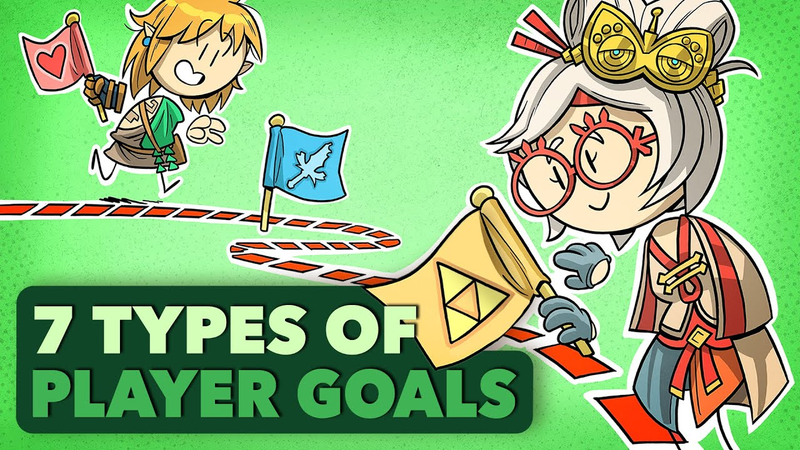
Why You Can't Put Your Favorite Games Down
Effective game design relies on the intentional structuring of player goals to create an engaging, seamless experience.
- Effective game design requires a granular hierarchy of six goal levels—instant, immediate, short-term, medium-term, long-term, and ultra-long-term—to maintain player motivation.
- Designers must actively structure and refine these goals rather than allowing them to emerge organically from game mechanics.
- The goal hierarchy should facilitate a natural progression where players shift their focus from mechanical, instant tasks to broader, strategic objectives.
The Future of Player Betting
The integration of real-money wagering into video games represents a significant shift in how competitive engagement is monetized, moving away from traditional gambling toward skill-based performance metrics.
- Platforms have successfully facilitated over $200 million in wagers by transitioning from peer-to-peer simulations to house-banked prop betting models in AAA titles like Apex Legends and Valorant.
- The business model targets 10% to 20% of an active player base by offering objective-based challenges, such as kill counts, rather than traditional gambling outcomes.
- Profitability is driven by a dual-model approach utilizing service fees and data science to dynamically adjust odds based on individual player skill levels, maintaining a 5% to 15% hold.

On Chain Player Quests Optimizing Monetization - Christina Macedo, COO, Ready Games Network
Ready Games Network provides a comprehensive technology stack designed to integrate Web3 functionality into games across PC, mobile, and console platforms.
- Integrating on-chain mechanics into mobile games resulted in a 42% conversion rate from free to paid players and a 74% increase in average revenue per daily active user (ARPDAU).
- Ready Games Network provides a chain-agnostic technology stack for Unity and Unreal Engine that enables on-chain quests and NFT management while remaining compliant with Apple and Google app store policies.
- The platform achieved a strong LTV-to-CPI ratio of 1.29 to 0.15, demonstrating the effectiveness of blockchain-integrated monetization in hyper-casual gaming segments.


Console Title Activity Trends: June 2023
Console title activity in June 2023 reveals a market dominated by established live-service franchises, though major new releases successfully disrupted engagement patterns.
- Fortnite remains the dominant console title, leading the market with 36.1 million monthly active users and 612 million hours of total playtime in June 2023.
- Diablo IV emerged as the primary market disruptor, achieving 6.1 million monthly active users and leading in engagement depth with an average of 55 hours played per user.
- Established live-service franchises including Grand Theft Auto V, FIFA 23, and Call of Duty: Modern Warfare II continue to hold top market positions, demonstrating the difficulty new titles face in capturing player time.
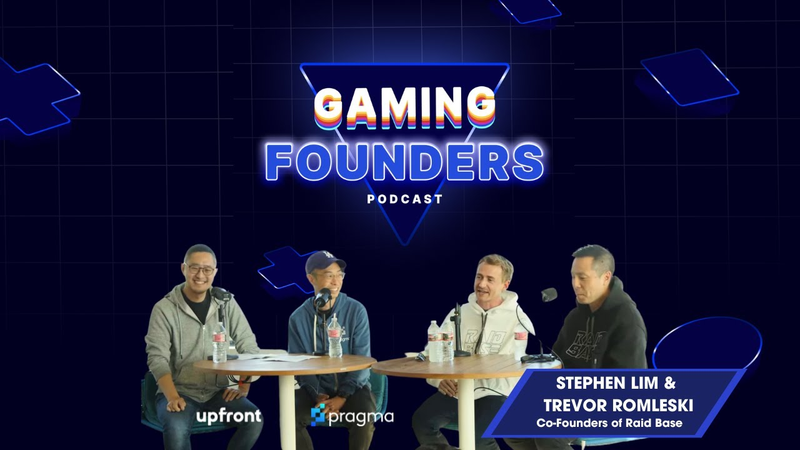
The Art of Game Creation: Slim and Trevor of Valorant and Raid Base Live from LA Tech Week
Successful game development hinges on the ability to maintain a singular, cohesive vision through rigorous focus and intentional team structure.
- To resolve design ambiguity during prototyping, Raid Base utilizes a stack-ranked list of approximately 80 features to assess existential questions and prioritize development based on opportunity cost.
- When building a new game, keeping the team size thin is critical to avoid 'too many cooks' and to maintain focus while resolving subjective design decisions.
- Founders should prioritize soft skills, empathy, and team alignment over raw technical capability, as lack of cultural fit is a more common cause of failure than insufficient discipline expertise.
Recharging With Games TWO Very Different Ways
The primary purpose of this analysis is to explore the role of video games as a tool for self-care and emotional regulation, arguing that game design should more intentionally consider the needs of players seeking solace or stress relief.
- Video games function as a primary tool for emotional regulation and self-care, necessitating that developers intentionally design for player mental well-being.
- Low-intensity games, such as city-builders, provide restorative benefits through low decision-making frequency, gentle learning curves, and the pursuit of achievable micro-goals.
- High-intensity competitive multiplayer games serve as a separate self-care mechanism by allowing players to externalize emotions, release tension, and achieve mastery.
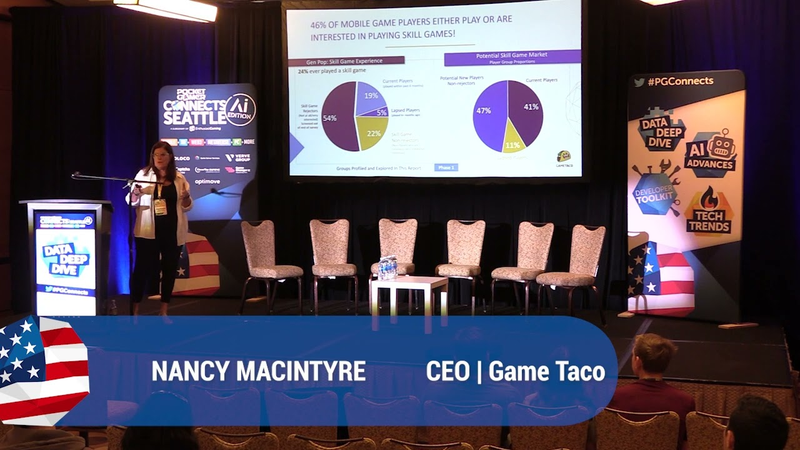
Evolving the Skill Gaming Business for a Diverse Audience, Generation, Gender and Gaming Styles
The skill gaming industry represents a significant, evolving sector of the mobile gaming market, characterized by a transition from traditional casual play to competitive, real-money tournaments.
- The skill gaming sector is a high-growth market defined by competitive, real-money tournaments based on physical or mental ability rather than luck.
- The core demographic is older and female-skewing, with approximately one-third of players aged 45 or older and a majority identifying as female.
- Skill gamers are high-value users who exhibit 'hardcore' gaming behaviors, spending more time and money across multiple platforms than the average mobile consumer.
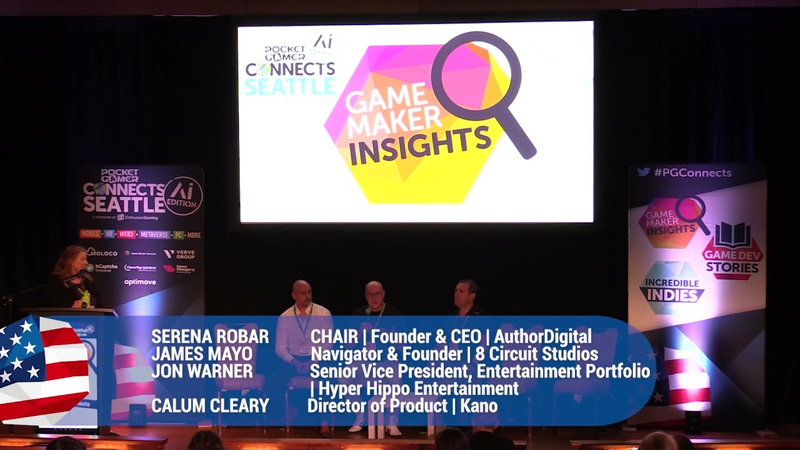
Panel: Playing together is more fun: Is social a must?
Social integration has become a fundamental pillar of modern game development, serving as a primary engine for player retention, monetization, and organic user acquisition.
- Social integration is now a primary driver for player retention, monetization, and organic user acquisition, effectively lowering customer acquisition costs.
- Developers should prioritize collaborative gameplay loops and incentivized referral programs, as these consistently outperform complex competitive systems in driving engagement.
- Community scalability relies on mitigating toxicity through player-led self-moderation, which allows studios to maintain safe environments without stifling expression.
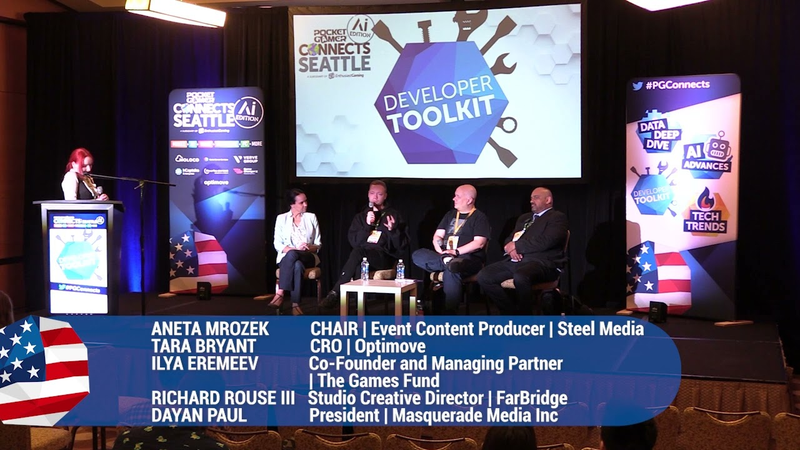
Panel: Living the moment: Leveraging technology to create a more personalized gaming experience.
Artificial intelligence, virtual reality, and augmented reality are fundamentally reshaping game development by enabling unprecedented levels of player personalization and operational efficiency.
- AI-driven personalization allows developers to automate A/B testing and implement genetic algorithms to optimize engagement, storytelling, and tutorials in ways that were previously impossible through manual design.
- While AI can accelerate production, high-quality, human-led creative work remains the primary driver of player retention, as players prioritize quality over the speed of content generation.
- The proliferation of AI-generated content will create a massive surplus of low-quality media, making content curation and discoverability the most critical challenges for the future of the gaming industry.
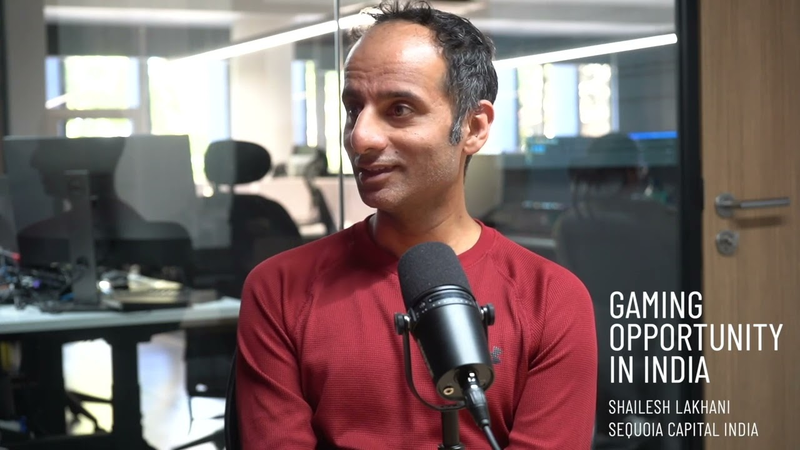
Why Gaming Is Exploding in India!
The Indian gaming market has evolved from a misunderstood, niche sector into a massive, high-growth industry that now rivals established markets in East Asia.
- The Indian gaming market has transitioned from a niche sector to a high-growth industry with hundreds of millions of active players, rivaling established East Asian markets.
- Projections indicate the sector will reach a major milestone within the next decade, with at least one individual game title expected to generate one billion dollars in revenue.
- Gaming applications are consistently among the most downloaded categories on mobile platforms, and gaming content is a dominant force in digital streaming viewership.