Monetization reports and market data
Documents
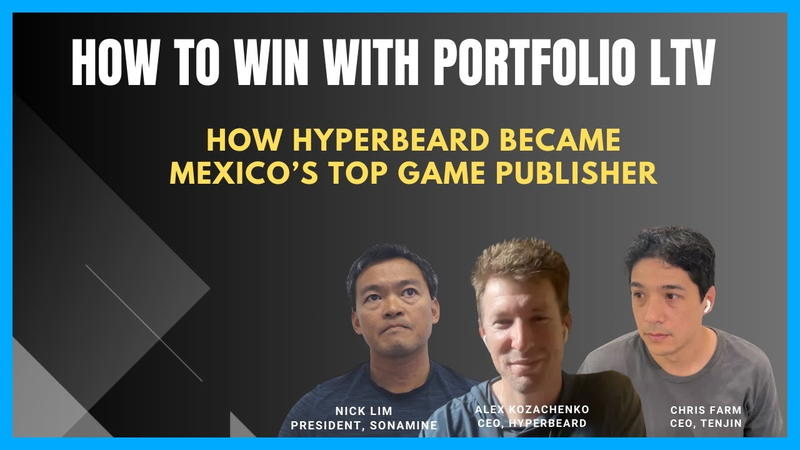
How Hyperbeard Became Mexico's Top Game Publisher
HyperBeard has established itself as the leading mobile game publisher in Mexico by shifting the industry standard from individual title performance to a cohesive, ecosystem-based growth model.
- HyperBeard achieved market leadership in Mexico by shifting from individual title performance to a cohesive, ecosystem-based growth model targeting young adult females.
- The company utilizes a 'feeder' strategy that funnels users from low-acquisition-cost titles into higher-monetizing games to maximize total lifetime value across the entire portfolio.
- By treating their catalog as a unified brand, the studio bypasses the limitations of the post-IDFA landscape where traditional, isolated user acquisition has become prohibitively expensive.
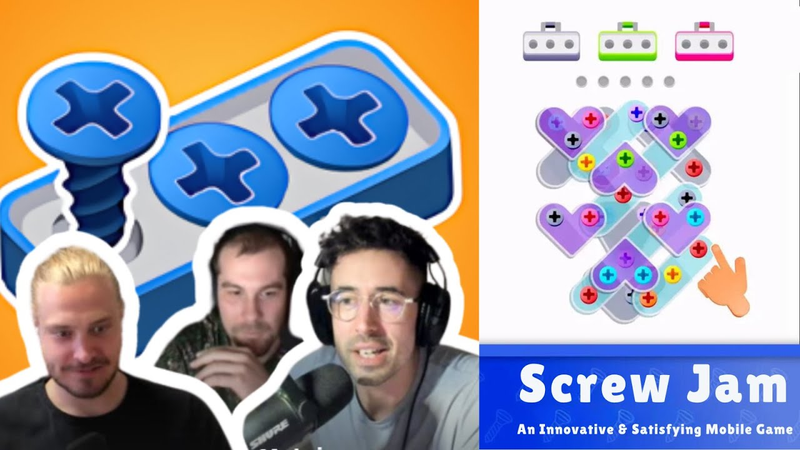
Screw Jam success story: How to reach $250k/day revenue? Innovative & satisfying hybrid casual game
Screw Jam, a hybrid-casual title developed by Quok Games and published by Rollic, has emerged as a benchmark for success in the mobile gaming market, currently generating approximately $250,000 in daily revenue.
- Screw Jam, developed by Quok Games and published by Rollic, generates approximately $250,000 in daily revenue, split between $150,000+ from in-app purchases and $80,000+ from ad monetization.
- The game's monetization strategy relies on a high-value US-based iOS user base, with an active user count of approximately 250,000, of which 210,000 are located in the United States.
- Ad revenue is driven by a mix of rewarded ads (averaging four per session), interstitials (averaging six per session), and persistent banner ads with a 10-second refresh rate.

Mastering the Roblox Meta
Roblox functions as a hyper-competitive digital ecosystem where success is defined by rapid iteration, organic discovery, and a deep understanding of player behavior.
- Roblox hosts 350 million monthly active users and generates $3.3 billion in annual bookings, creating a hyper-competitive environment where success requires constant iteration rather than static development formulas.
- Long-term traction is driven by organic discovery, influencer activity, and inherent social mechanics rather than traditional marketing or initial seeding efforts.
- Developers must prioritize 'bare-bones' fun and core gameplay mechanics, as the platform's audience frequently cycles through multiple titles in a single session.
Multiscription's Teis Anker Mikkelsen On Scaling Subscription Models Across Gaming Platforms
Subscription models represent a transformative approach to player retention and long-term engagement within the gaming industry.
- Subscription models should be deployed as part of a hybrid monetization strategy that includes ad-supported play and one-time unlocks to accommodate diverse player preferences.
- To ensure retention, subscriptions must offer persistent benefits like experience boosts and exclusive content rather than ephemeral consumables that lose value quickly.
- Subscription models can increase overall revenue by driving higher in-app purchase activity, as subscribers are incentivized to maximize the utility of their recurring investment.
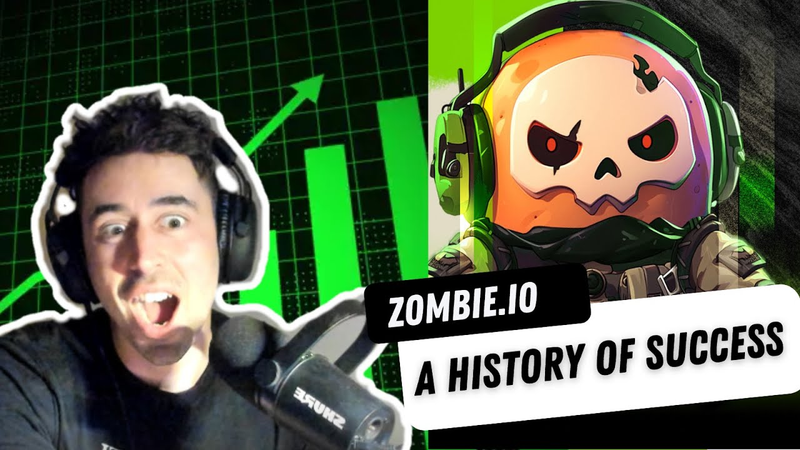
Zombie.io global launch case study: A Midcore game with complex gameplay & wide range of features
Zombie.io represents a significant evolution in the midcore survivor-like mobile genre, blending complex, automated gameplay with a robust gacha-driven economy.
- Zombie.io, developed by the creators of Legend of Mushroom, achieved a successful global launch in April 2024, generating approximately $120,000 in daily IAP revenue with roughly 70,000 daily downloads.
- The game differentiates itself from competitors like Survivor.io by incorporating complex, midcore RPG elements, including hero classes (tank, healer, DPS), pet management, and skill-altering inventory systems.
- The developers utilize an aggressive rewarded ad strategy that integrates 'question mark' triggers throughout the UI to prompt ad views, maintaining an ad impression rate of approximately 65-70%.

Mastering Crowdfunding Campaigns
Strategic crowdfunding serves as a powerful mechanism for independent game studios to secure capital, maintain creative autonomy, and validate product-market fit.
- Crowdfunding functions as a value-driven exchange rather than a charity request, as evidenced by the successful funding of the real-time strategy title Stormgate.
- A dual-track funding strategy—combining product-focused rewards on Kickstarter with equity-based Regulation Crowdfunding on platforms like StartEngine—allows studios to balance immediate production needs with long-term capital requirements.
- Campaigns typically follow a distinct funding pattern characterized by a significant surge in the first 36 hours, followed by a steady accumulation of pledges.
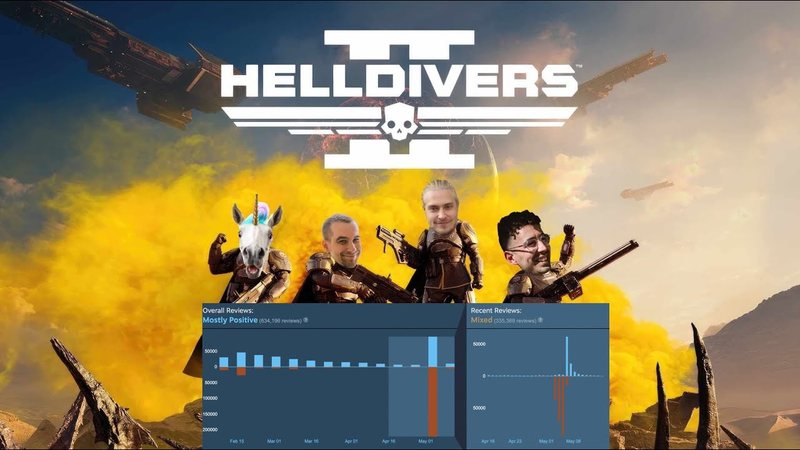
Helldivers 2 Special: Why is it so good? Second Galatic War Begins! New major Order!
Arrowhead Game Studios has achieved significant commercial and critical success with Helldivers 2, a four-player cooperative shooter that synthesizes over a decade of design expertise.
- Helldivers 2 achieved significant commercial success, generating approximately $482 million in gross revenue within its first three months following its February 24, 2024, release.
- The game maintains strong player engagement through a 'Galactic War' system where developers act as game masters, manually driving the narrative and issuing community-wide major orders that influence the game world in real-time.
- Helldivers 2 is positioned as a AA title priced at $39.99, utilizing a monetization model based on monthly 'war bonds' that provide new weapons and gear, which players can either purchase or earn through in-game currency.
Session: Live Events & The Multiplatform Future - Brendan Fraher, GameRefinery, a Liftoff company
Live events serve as the primary battlefield for player engagement in the modern gaming industry, where developers across mobile, PC, and console platforms compete for the same finite audience time.
- Developers must prioritize the creation of a flexible, robust live event framework early in the production cycle to effectively compete for finite player time across mobile, PC, and console platforms.
- Casual games, particularly match-three titles, are increasingly adopting competitive and social mechanics like guild-based PvP and collaborative partner events to drive retention and revenue.
- Midcore titles, such as shooters, maintain player engagement by utilizing complex, interconnected event ecosystems that balance progression systems, customization options, and limited-time offers.
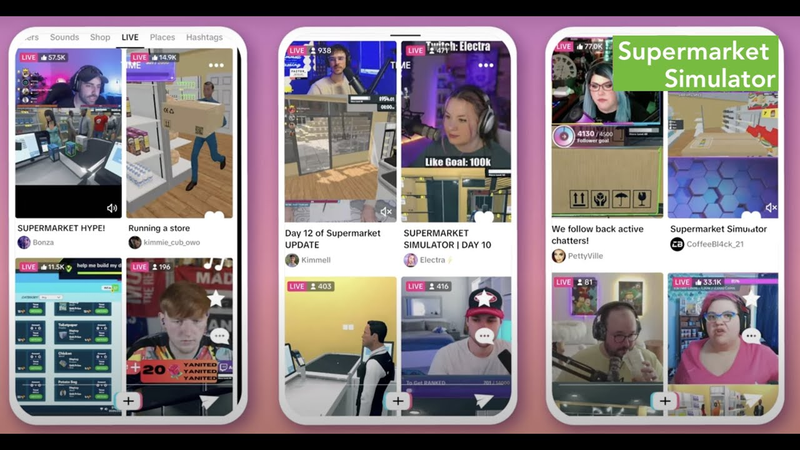
Supermarket Simulator Mobile: Why is it so popular? Start your own Supermarket now! (#109)
Supermarket Manager Simulator, developed by Digital Melody, has emerged as a prominent example of the successful transition of PC-based simulation concepts to the mobile market.
- Digital Melody’s Supermarket Manager Simulator has achieved 1.5 million daily active users and $900,000 in monthly ad revenue by adapting PC simulation concepts for mobile.
- The game is currently under-monetized due to overly generous interstitial cooldowns and a lack of standard industry practices like banner ads in emerging markets such as Brazil and Mexico.
- Analysts estimate that implementing basic optimizations, such as increased ad density and scaling payouts to player progression, could significantly boost current daily revenue figures.
The Shifting Landscape of the Gaming Industry in 2024 with Newzoo's Ben Porter
The global gaming industry is currently navigating a period of structural right-sizing, transitioning from the aggressive, investment-fueled expansion of the post-COVID era toward a model defined by profitability and operational efficiency.
- The gaming market is experiencing a structural right-sizing where 90% of new revenue is concentrated in only 43 titles, creating extreme barriers to entry for new releases.
- Total player engagement has dropped significantly, with playtime declining by 26% since 2021 as new games struggle to compete with established live-service ecosystems.
- Industry growth figures are currently inflated by currency volatility and rising costs, leading to a disconnect between reported revenue and widespread workforce reductions.
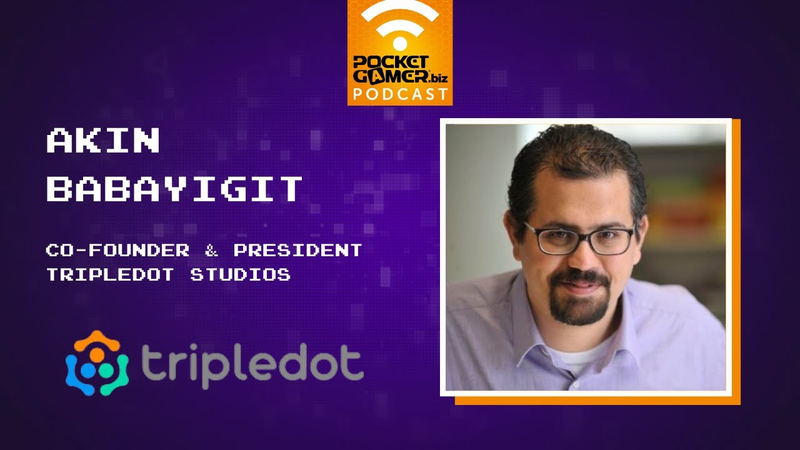
Tripledot Studios' Akin Babayigit On Understanding The Business Behind Great Games
Mobile gaming represents a massive, underserved global market that rewards disciplined execution over traditional creative-first development.
- Tripledot Studios achieved rapid growth by entering the saturated solitaire market with an ad-based model, proving that superior execution in a known, high-demand category can capture significant market share despite existing competition.
- Successful mobile games are characterized by long-term retention curves, such as day 90 or day 360 metrics, which serve as more reliable indicators of commercial viability than day one retention alone.
- Mobile gaming represents over half of the estimated $300 billion global gaming market, yet the sector currently lacks a dominant, singular 'poster child' comparable to major console and PC publishers like EA or Take-Two.
How to Reduce App Store Commission
The mobile application industry is currently undergoing a significant shift in payment processing, driven primarily by the European Union’s Digital Markets Act (DMA).
- The European Union’s Digital Markets Act (DMA) is forcing Apple and Google to allow third-party payment options, effectively ending the industry-standard 30% commission model.
- Apple has introduced a tiered commission structure for external payments ranging from 15% to 20%, though this is often offset by a core technology fee tied to annual install volume.
- Google has reduced its commission to 27% for developers who opt to use alternative billing systems instead of the standard platform processing.